

Your Ultimate Guide to Saucony Walking Shoes
When you think of dedicated walking footwear, a few brands consistently rise to the top for their blend of heritage, technology, and focused design. Among them, Saucony stands as a pillar of innovation, crafting shoes that transform a simple walk into a journey of comfort and biomechanical efficiency. This isn’t about retrofitting a running shoe for walking; it’s about understanding the distinct mechanics of the walking gait and engineering a product that supports it perfectly. The right saucony walking shoe can be the difference between a daily chore and a daily joy, between foot fatigue and enduring support. We will navigate through the core technologies that define these shoes, analyze models for different needs, and ground our discussion in objective principles of biomechanics and material science, all to equip you with the knowledge to make an informed choice for your stride.
The Biomechanics of Walking: Why a Specialized Shoe Matters
To appreciate the engineering behind a Saucony walking shoe, one must first understand the fundamental kinematics of walking. Unlike running, which involves a flight phase where both feet are off the ground, walking is a continuous, grounded motion where one foot is always in contact with the surface. This results in a longer, more pronounced heel-to-toe roll-off. The gait cycle in walking places different stresses on the foot and joints, particularly demanding exceptional stability during the mid-stance phase when the body’s full weight is borne on a single, often flat, foot. According to research from the Human Performance Laboratory at the University of Calgary, the walking gait generates forces of approximately 1.2 to 1.5 times body weight with each step, primarily absorbed through the heel. This makes heel cushioning and a smooth transition—or “roll-through”—paramount. A proper walking shoe, therefore, prioritizes a beveled or rounded heel to facilitate this roll, a firm heel counter for stability, and flexibility at the forefoot to allow for the final push-off. Using a running shoe for walking can often lead to instability, as running shoes are designed for more forward momentum and cushioning for impact from a flight phase, not for the sustained, rolling pressure of a walk.
Deconstructing Saucony’s Core Walking Technologies
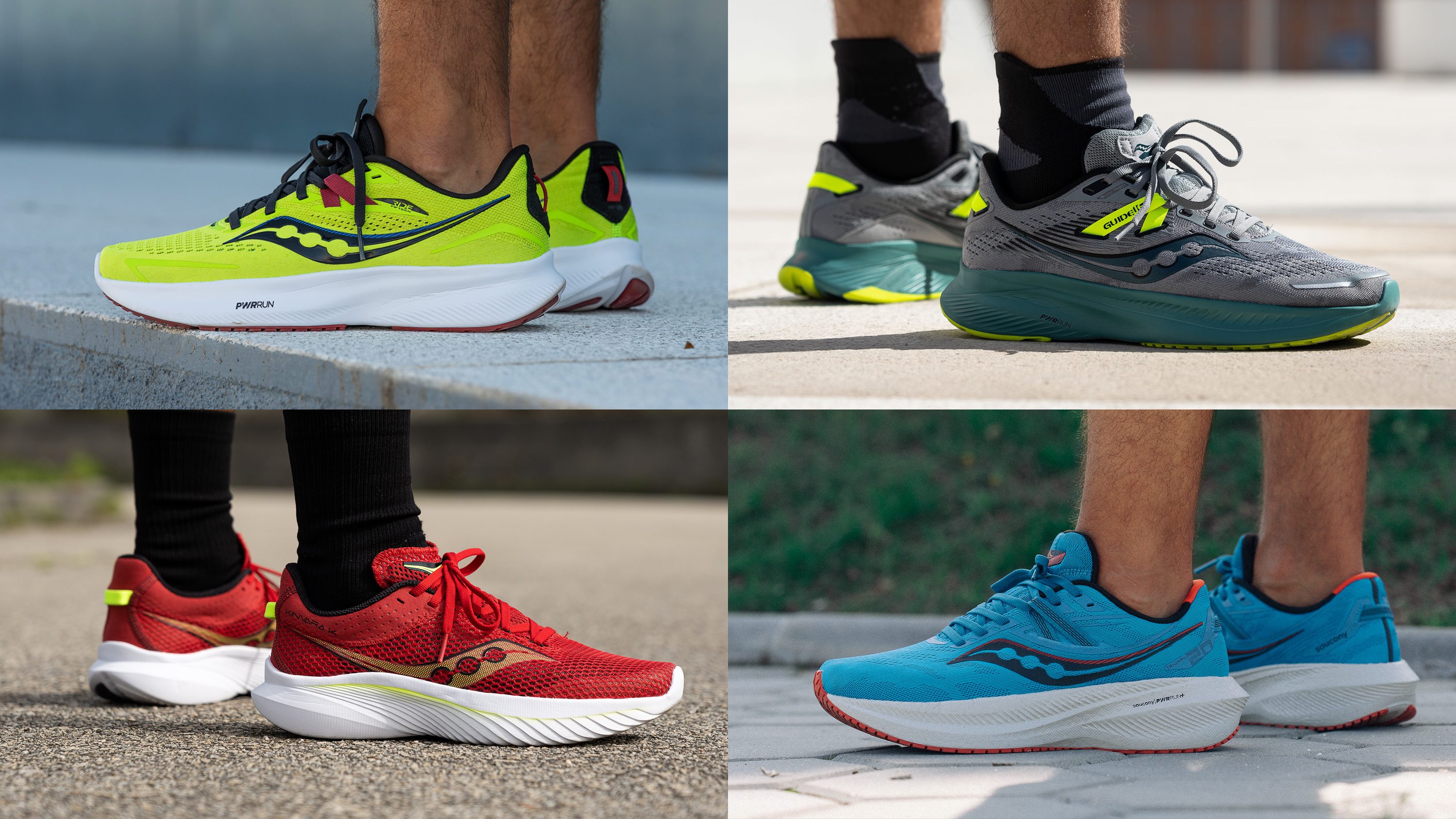
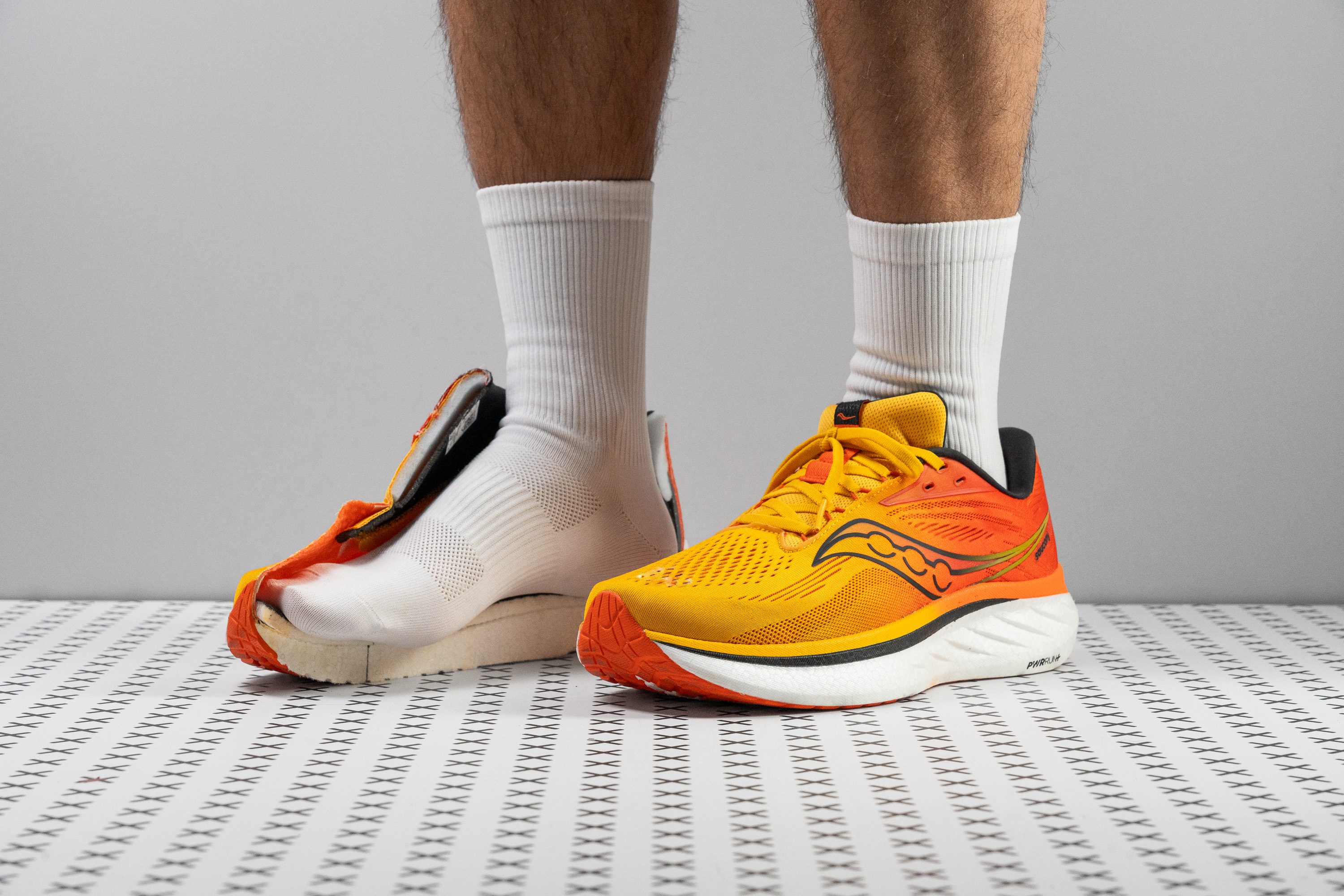
Saucony’s approach to walking shoes is built on a foundation of proprietary technologies that address these specific biomechanical needs. One of the cornerstones is the GRID System. Originally developed for running, its application in walking models is genius. The GRID is a midfoot and heel cushioning system made from a durable, flexible polymer web that sits within the midsole. It functions as both a shock absorber and a stabilizing device. Upon heel strike, it compresses to dissipate impact forces, and then as you transition to mid-stance, the web structure provides a “roll bar” effect, preventing excessive inward or outward rolling of the foot (overpronation or supination). This dual-action is critical for walkers who spend prolonged periods on their feet. Another pivotal technology is PWRRUN and PWRRUN+ cushioning. As explained in material science publications, these are engineered foam compounds that offer a responsive, durable, and lightweight cushioning experience. PWRRUN+ is notably softer and more energy-returning, often used in premium models to reduce muscle fatigue over long distances. For the upper, Saucony frequently employs FORMFIT technology, which is a three-dimensional design that adapts to the shape of your foot for a dynamic, snug fit in the heel, a secure midfoot, and room for toe splay. This holistic integration of systems ensures that a Saucony walking shoe isn’t just a collection of parts, but a synergistic tool for the walker.

A Walk for Every Walker: Analyzing Key Saucony Models
The Saucony lineup offers distinct models tailored to different walking styles, foot shapes, and terrains. Let’s examine a few archetypes. For the daily fitness walker or someone who clocks miles on pavement, the Saucony Ride series, while often categorized as a neutral running shoe, has characteristics that benefit walkers: its balanced PWRRUN cushioning provides a comfortable yet responsive platform, and its geometry encourages a smooth transition. However, for a purpose-built experience, the Saucony ProGrid Integrity ST2 is a classic. It features the full GRID system in the heel for stability and cushioning, a durable rubber outsole with a walking-specific flex groove pattern, and a roomier toe box—a feature often highlighted by podiatrists for preventing issues like bunions and hammertoes. For those seeking maximum cushioning for long days on hard surfaces, shoes incorporating the PWRRUN+ midsole are ideal. They absorb shock without feeling mushy, returning a subtle energy that propels you forward. As noted by renowned biomechanist Dr. Casey Kerrigan in interviews, “The goal is to reduce the metabolic cost of walking. Proper cushioning and alignment can make walking feel easier, encouraging longer, more frequent activity.” For trail walkers, models with aggressive, multi-directional lugs and protective toe caps, often built on a more secure last, provide the necessary traction and foot protection on uneven ground.
Expert Voices and User-Centric Perspectives
The value of a specialized walking shoe is echoed across multiple platforms. On Quora communities dedicated to fitness and podiatry, certified pedorthists frequently recommend brands like Saucony for their consistent last shapes and stability features, which are beneficial for individuals with mild to moderate overpronation—a common trait in walkers. On YouTube, physical therapists such as Dr. Jo (AskDoctorJo) have analyzed walking mechanics, emphasizing the need for shoes with a firm heel and forefoot flexibility, criteria that many Saucony walking shoe models meet. From a cultural perspective, the act of walking has been romanticized and analyzed in works from Thoreau’s “Walking” to the film “The Way,” highlighting its meditative and transformative power. The right equipment honors that journey. As author and long-distance walker Cheryl Strayed recounted in “Wild,” her ill-fitting boots became a central antagonist. This underscores a practical truth: your shoe is your primary interface with the path. Choosing a shoe from a line like Saucony’s, with its research-backed design, is an investment in the quality of that experience. It’s a shift from merely covering distance to enjoying the process of movement itself.
Making Your Choice: Fit, Feel, and Future-Proofing
Selecting the perfect pair extends beyond model names. First, understand your foot type. A simple “wet test” can reveal if you have a high, neutral, or low arch, guiding you toward cushioning or stability-focused models. Always try on shoes in the afternoon, as feet naturally swell throughout the day. When lacing up a potential saucony walking shoe, you should have about a thumb’s width of space between your longest toe and the end of the shoe. The heel should be locked in place without slippage, and the widest part of your foot should align comfortably with the widest part of the shoe. Don’t just stand—walk around the store, ideally on a hard surface. Pay attention to the roll-through from heel to toe; it should feel natural and unforced. Consider your primary walking environment. A shoe built for paved roads will wear quickly and lack grip on trails, and vice-versa. Finally, think of durability. While prices for quality walking shoes from Saucony often range from $80 to $140 at full retail, the investment in advanced materials like PWRRUN+ and high-abrasion rubber outsoles translates to a longer lifespan, making the cost-per-mile significantly lower than with cheaper, less durable alternatives. Look for seasonal sales on previous models, which often offer the same core technology at a discounted price, providing exceptional value.
The journey of a thousand miles begins not just with a single step, but with the right shoe for that step. Saucony’s dedication to the science of locomotion, manifested in technologies like GRID and PWRRUN, provides a tangible advantage for anyone who walks with purpose. It’s an alignment of engineering with human physiology, designed to reduce fatigue, enhance stability, and support the unique, rolling gait of walking. By choosing a shoe that respects these principles, you are not just buying footwear; you are enabling a healthier, more sustainable, and more enjoyable practice. Whether your path is urban concrete or a forest trail, the right Saucony walking shoe is a reliable partner, turning each walk into an opportunity for well-being and discovery.
