

The Ultimate Guide to Walking Shoes That Look as Good as They Feel
For years, the world of footwear presented a false choice: style or comfort. You could have shoes that turned heads but left your feet pleading for mercy after a few blocks, or you could opt for utilitarian clunkers that felt like clouds but looked like medical devices. This divide is especially pronounced when it comes to the simple, essential act of shoe walking. But what if this compromise is obsolete? What if the perfect pair exists at the intersection of biomechanical engineering and contemporary design? This guide dismantles the myth that you must sacrifice aesthetics for comfort. We are entering an era where the most technologically advanced walking shoes are also objects of desire, proving that every step in your day can be both supported and stylish.
The Anatomy of Comfort: Beyond the “Squishy” Feeling
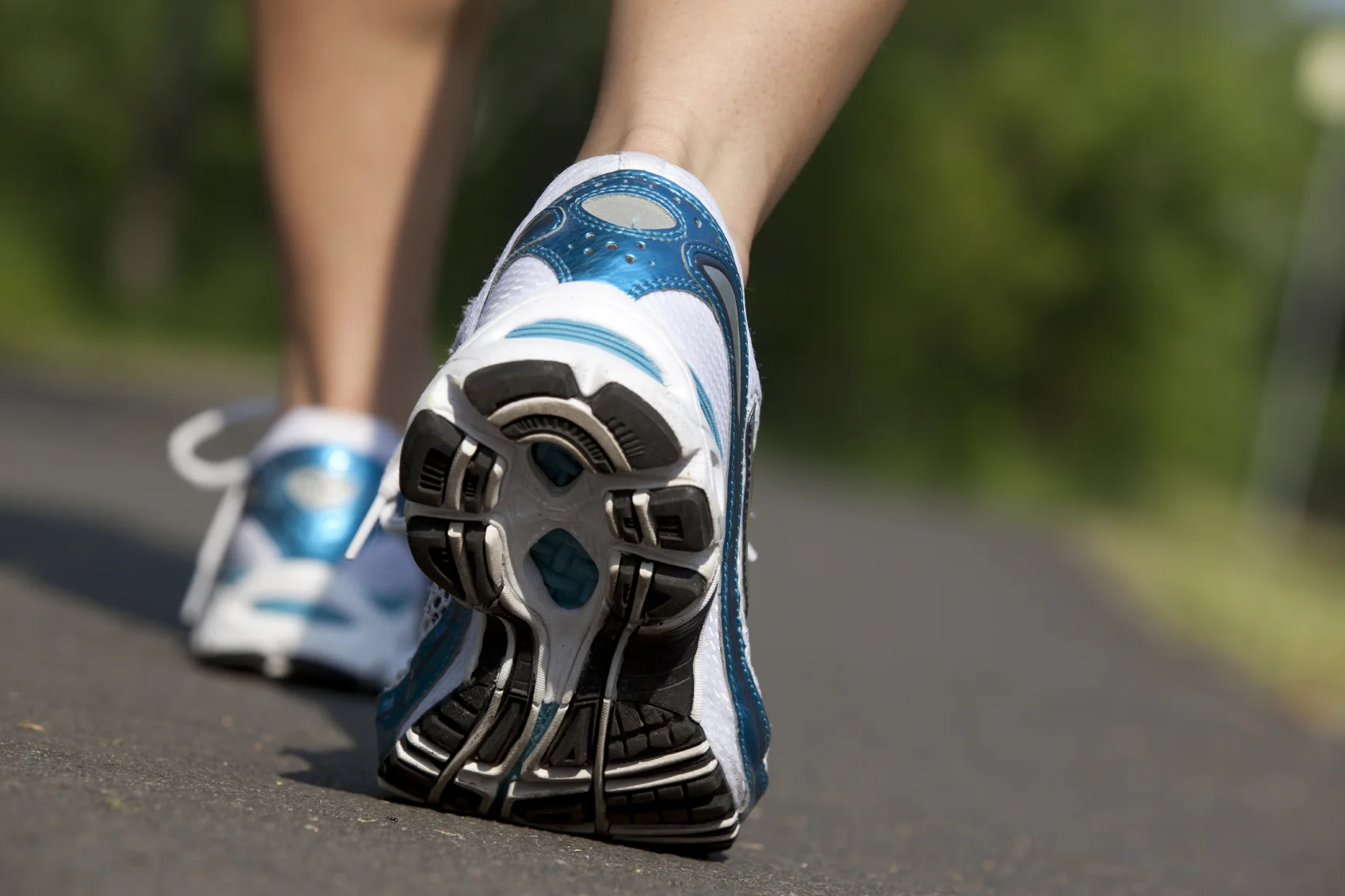
True comfort in a walking shoe is not a singular sensation but a symphony of engineering feats working in harmony. It begins with understanding the gait cycle—the complex sequence of heel strike, foot flat, mid-stance, heel-off, and toe-off that constitutes a single step. A superior walking shoe is designed to support this entire cycle. The midsole, often made from advanced materials like EVA (ethylene-vinyl acetate) foam or proprietary compounds like Adidas’s Boost or Nike’s React, provides the essential cushioning. However, as Dr. Casey Kerrigan, a former Harvard Medical School professor and founder of a biomechanics-focused footwear company, has often highlighted, cushioning must be balanced with stability. “Excessive, unguided softness can actually increase joint loading,” she notes in various industry publications. This is where arch support and the heel counter become critical. A firm heel counter cups the back of the foot, preventing excessive pronation (inward rolling) or supination (outward rolling), which are common sources of pain from the feet up to the knees and back. The insole or footbed should contour to the arch, distributing pressure evenly. When you engage in daily shoe walking, these elements work unseen, transforming a potentially jarring impact into a smooth, rolling motion. It’s a scientific approach to comfort, moving far beyond the primitive concept of “softness.”
Where Design Meets Function: The Aesthetics of Movement
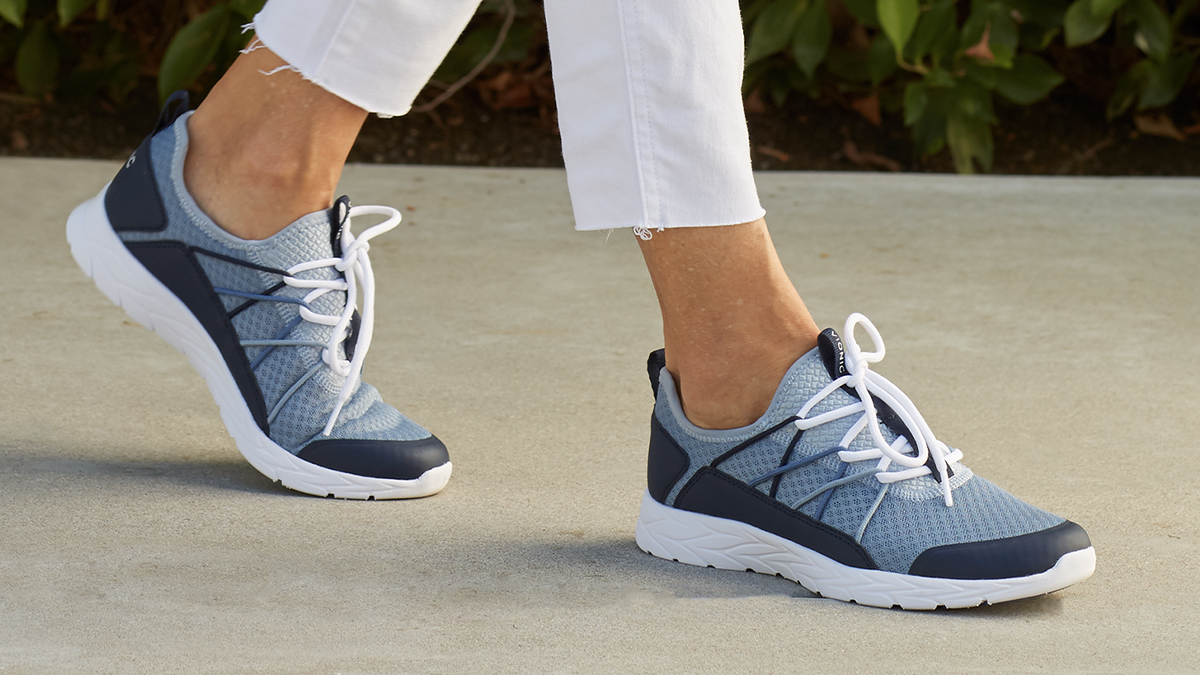
The historical chasm between sneakerheads and comfort-seekers has closed. Today’s leading designers and brands understand that visual appeal is a legitimate function. The challenge is integrating design elements without compromising the shoe’s structural integrity. This might mean using sleek, welded overlays instead of bulky stitching to provide support, or employing gradient colorways and textured meshes that complement the shoe’s natural flex points. Consider the rise of “athleisure” – a trend validated by its permanence. As fashion icon and designer Tom Ford once stated, “Dressing well is a form of good manners.” This philosophy now extends to functional footwear; wearing a shoe that is thoughtfully designed for shoe walking shows respect for your body and your environment. Brands like Cole Haan, originally a dress shoe maker, have successfully hybridized Grand.Ø running technology with Oxford silhouettes. Similarly, many traditional running shoe companies now have dedicated “lifestyle” lines that repurpose their core cushioning technologies in more fashion-forward packages. The result is footwear that transitions seamlessly from a morning walk to a casual lunch, refusing to be pigeonholed. The aesthetic is no longer an afterthought; it is engineered into the blueprint, ensuring the shoe looks intentional and polished, not merely technical.
Material World: Innovation at Your Feet
The fabrics and materials constituting the upper part of a shoe are where the tactile experience of style and comfort truly merge. Gone are the days of stiff, non-breathable leathers as the only option for a “nice” look. Modern walking shoes utilize engineered knits, adaptive meshes, and recycled textiles that offer a tailored fit, exceptional breathability, and a reduced environmental footprint. For instance, Primeknit from Adidas or Flyknit from Nike are precision-knit uppers that provide support and stretch exactly where needed, conforming to the foot like a sock while maintaining a sleek profile. Furthermore, sustainability has become a key driver of innovation. Brands are increasingly using materials like recycled polyester from plastic bottles, algae-based foams, and natural rubber. This shift isn’t just ethical; it often results in lighter, more responsive materials. When you’re out for a long session of shoe walking, these advanced uppers manage moisture, reduce weight, and minimize the risk of blisters, all while presenting a clean, modern aesthetic. The material choice directly impacts the longevity and performance of the shoe, making it a critical consideration beyond mere appearance.
The Professional’s Perspective: What Podiatrists and Fitters Really Say
To move beyond marketing claims, we must turn to the experts who see the consequences of poor footwear every day. Podiatrists and certified shoe fitters offer a treasure trove of objective advice. A common recommendation is to shop for shoes in the afternoon, as feet naturally swell throughout the day. They emphasize the “thumb’s width” rule: there should be about a half-inch of space between your longest toe and the end of the shoe. Dr. Jacqueline Sutera, a New York City-based podiatrist, frequently advises in health magazines that a good walking shoe should be flexible at the ball of the foot but rigid in the heel. This allows for the natural push-off while maintaining stability. Perhaps the most universal professional advice is to prioritize fit over any brand name or trend. A study published in the Journal of Foot and Ankle Research often cites improper fit as a leading cause of foot disorders. These professionals aren’t concerned with colorways; they are concerned with biomechanics. Their endorsement of a shoe is based on its ability to promote healthy, pain-free shoe walking. Therefore, a shoe that earns praise from this community likely has a foundation of genuine comfort, upon which great design can be confidently built.
The Investment and The Cycle: When to Let Go
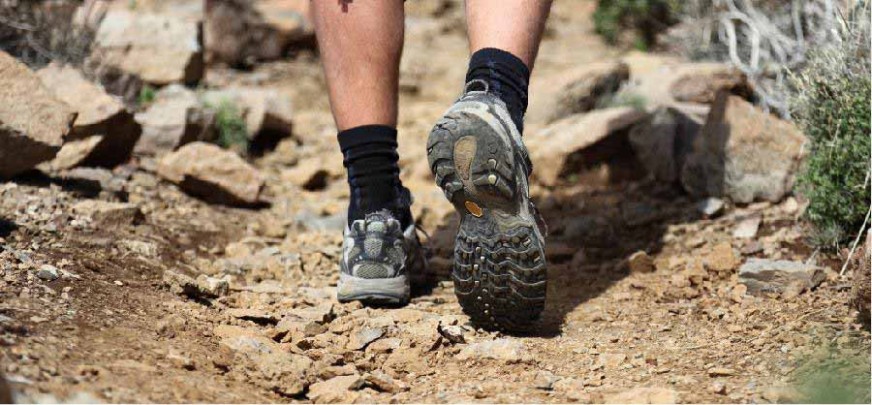
High-quality walking shoes that marry form and function represent an investment in your well-being. However, even the best shoes have a finite lifespan. The cushioning materials in the midsole compress and lose their resiliency long before the outer sole wears out. The general consensus among experts, including guidelines from the American Podiatric Medical Association, is to replace walking shoes every 300 to 500 miles. For the average person, this translates to roughly every six to nine months. Ignoring this cycle is a false economy. Worn-out shoes fail to provide the necessary shock absorption, which can lead to overuse injuries. To extend the life of your shoes, rotate between two pairs, allowing the foam to decompress for at least 24 hours between wears. Avoid using them for activities they weren’t designed for, like running or court sports. Recognizing when to retire a pair is as crucial as the initial selection. It ensures that your commitment to comfortable, stylish shoe walking is sustained, protecting the investment you’ve made in your feet and your style.
:max_bytes(150000):strip_icc()/when-should-i-replace-my-walking-shoes-3436325-0801-7a1840d83573471092e0380f9e230ecc.jpg)
Curating Your Pair: A Practical Pathway
Armed with this knowledge, how do you navigate the marketplace? Start by identifying your primary use case. Is it for urban exploration, treadmill sessions, or all-day wear on varied surfaces? Next, focus on fit. Visit a specialty store for a gait analysis if possible. Don’t be seduced by size alone; a 9 in one brand can fit like a 9.5 in another. Try shoes with the socks you intend to wear them with. Once you’ve found a model that fits impeccably and supports your gait, then evaluate its design. Does its color and form align with your wardrobe? Fortunately, the current market is rich with options. Brands like Allbirds, with their minimalist Merino wool designs, have built empires on the comfort-style fusion. HOKA, known for maximal cushioning, now offers sleek, toned-down versions of their running shoes. For those seeking a luxury feel, brands like Mephisto and Ecco have long specialized in leather walking shoes that are both elegant and ergonomically sound. Remember, the goal is to find a shoe that you look forward to wearing, one that makes the simple act of shoe walking a daily pleasure, not a chore. The perfect pair awaits where unwavering comfort meets undeniable style, proving you can truly have it all with every step you take.
