

The Ultimate Guide to Stylish and Comfortable Activewear
Gone are the days when activewear was confined to the gym, a simple uniform for sweat and exertion. Today, it represents a fusion of performance technology, personal expression, and all-day comfort. This guide isn’t just about looking good; it’s about understanding how the right fabrics, fits, and designs empower your movement, boost your confidence, and seamlessly integrate into a dynamic lifestyle. We’ll dissect the science behind the materials, explore the philosophy of modern athletic fashion, and provide you with the knowledge to build a versatile, high-performing wardrobe that supports every activity, from high-intensity training to leisurely walks and everything in between.
The Foundation: Fabric Technology and Physiological Synergy
The cornerstone of any great activewear piece is its fabric. This isn’t merely about aesthetics; it’s a matter of biomechanical and physiological engineering. Modern performance fabrics are designed to manage the body’s microclimate during activity. Moisture-wicking, a term often derived from textile science, refers to a fabric’s ability to pull sweat away from the skin to its outer surface where it can evaporate rapidly. This process, crucial for thermoregulation, is supported by capillary action within synthetic fibers like polyester or nylon, as outlined in materials science literature from institutions like the Massachusetts Institute of Technology. Conversely, cotton, while natural, absorbs and retains moisture, leading to a damp, heavy, and chills-inducing experience. Breathability, another key term, is quantified by a fabric’s moisture vapor transmission rate (MVTR), indicating how well water vapor (sweat) can pass through. Furthermore, compression fabrics apply graduated pressure, which some studies from sports medicine journals suggest may enhance proprioception (body awareness) and blood circulation, potentially reducing muscle oscillation and fatigue. Understanding these principles transforms your selection from a style choice into a strategic decision for comfort and performance.

Design Philosophy: Where Ergonomics Meets Aesthetics
Activewear design has evolved into a discipline where ergonomics is paramount. Seam placement is strategically engineered to avoid chafing in high-friction areas like the underarms and inner thighs, a consideration born from extensive wear-testing data. Flatlock seams lie flush against the skin, while bonded seams eliminate stitching altogether. The cut and fit are categorized not just by size but by intention: compression for maximum muscle support, slim fit for a streamlined feel with flexibility, and loose fit for activities like yoga or tai chi where freedom of movement is key. This philosophy extends to inclusivity, ensuring that designs cater to a diverse range of body types. The rise of “athleisure” is a cultural testament to this, a trend validated by fashion historians as a blurring of boundaries, championed by figures like yoga instructor and lifestyle entrepreneur Tara Stiles, who often speaks about clothing that supports a fluid transition from studio to street. It’s about creating pieces that you don’t want to take off, because they are engineered to move with you, not against you.
Layering Systems: Adapting to Intensity and Environment
A sophisticated activewear approach embraces layering, a concept borrowed from outdoor recreation science. The base layer, in direct contact with skin, is solely responsible for moisture management. The mid-layer, such as a lightweight fleece or insulated jacket, provides thermal retention. The outer shell protects against wind, rain, or snow. This modular system allows for precise adjustment as your body heats up or environmental conditions change. For instance, a runner might start a cold morning run in all three layers and strip down to the base layer as their core temperature rises. This principle is crucial for programs like YMCA Silver Sneakers, where participants may engage in indoor classes but travel to and from the facility in varying weather. The right layers ensure comfort and safety throughout the entire experience. Investing in a versatile, technical base layer is perhaps the most critical step, as it serves as the foundation of this adaptive system, a point frequently emphasized in gear guides from authoritative sources like Outside Magazine.
Footwear: The Critical Interface
While apparel covers the body, footwear connects it to the ground, making it the most technically specialized component. Selecting shoes based solely on appearance is a common pitfall with potential for injury. The science of footwear involves gait analysis, which determines if you have a neutral, overpronating, or underpronating (supinating) stride. Running specialty stores often perform this analysis. Cushioning, often provided by proprietary foam compounds like Adidas’s Boost or Nike’s React, is engineered to absorb impact forces that can travel up the kinetic chain. Stability features are built into shoes for overpronators to guide the foot into a more neutral alignment. For low-impact activities like walking or the functional fitness classes found in YMCA Silver Sneakers programs, a shoe with flexible construction, a low-to-moderate heel-to-toe drop, and ample cushioning in the forefoot is ideal. As Dr. Casey Kerrigan, a former Harvard Medical School researcher and founder of a biomechanics-focused footwear company, has stated in interviews, “The goal is to find footwear that complements your natural movement, not constrains it.”

Inclusivity and Community: Activewear for Every Body and Age
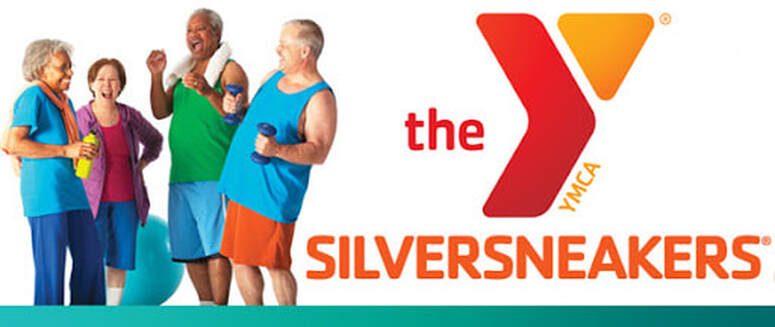
The activewear industry’s shift toward inclusivity is more than a marketing trend; it’s a reflection of a broader understanding of health and wellness. Brands are now offering extended size ranges and designing for different proportions, acknowledging that an active lifestyle is not confined to a specific body type. This is profoundly important for fostering a sense of belonging and motivation. Programs like YMCA Silver Sneakers exemplify this, creating community-focused fitness opportunities for older adults. The right activewear for such communities prioritizes ease of movement, soft fabrics, and accessible designs like magnetic closures or wider openings. It sends a powerful message: fitness is for you. This viewpoint is echoed by influencers and health advocates across platforms like YouTube and Instagram, who champion body positivity and the idea that comfort and confidence are the ultimate performance enhancers. When you feel seen and accommodated by what you wear, your focus shifts from self-consciousness to the activity and community itself.
Curating Your Versatile Activewear Wardrobe
Building a functional collection doesn’t require a closet overhaul. It’s about strategic selection of versatile, high-quality staples. Start with two to three high-performance moisture-wicking tops in neutral colors. Add a pair of black or navy high-waisted leggings or training shorts with a secure, comfortable waistband—a style frequently recommended by fitness professionals for their flattering fit and stability. A technical, breathable jacket is indispensable. For cooler climates or YMCA Silver Sneakers sessions in air-conditioned spaces, a long-sleeve quarter-zip top offers perfect adaptability. The key is mix-and-match capability and quality over quantity. Look for reinforced stitching at stress points and reviews that mention durability. Remember, investing in a few pieces that last for years and perform flawlessly is more economical and sustainable than frequently replacing cheaper, inferior items. Many premium brands offer significant discounts during seasonal sales or through membership programs, bringing professional-grade quality to users at accessible price points.

Sustainability and Ethical Considerations in Modern Activewear
As consumers become more conscious, the environmental impact of activewear is under scrutiny. The prevalence of synthetic, petroleum-based fabrics raises questions about microplastic pollution and end-of-life recyclability. In response, a growing sector of the industry is innovating with recycled materials—transforming plastic bottles into polyester yarn, for example—and exploring bio-based fabrics like Tencel Lyocell. Ethical manufacturing practices are also a priority. When selecting brands, look for transparency in their supply chain and certifications like Fair Trade or Bluesign®. This aligns with the holistic wellness values of many active communities, including those engaged in YMCA Silver Sneakers, where health extends beyond the individual to the health of the community and planet. As noted in publications like the Business of Fashion, the future of performance wear is inextricably linked to circular design principles, where products are made to be made again, reducing waste and resource consumption.
Ultimately, stylish and comfortable activewear is the armor for the modern, dynamic life. It is the tangible intersection of cutting-edge science, thoughtful design, and personal identity. By choosing pieces that align with the principles of fabric technology, ergonomic design, and versatile functionality, you equip yourself not just for a workout, but for a lifestyle of movement and confidence. Whether you’re flowing through a yoga sequence, powering through a spin class, enjoying a community-based YMCA Silver Sneakers session, or simply navigating a busy day, the right activewear acts as a silent partner—enhancing your experience, supporting your body, and expressing your approach to living well.
