

How to Style Black Leather Heels for Effortless Chic
Effortless chic isn’t a mystery; it’s a method. At its core, it’s the art of appearing polished and put-together without a trace of strain, a concept often celebrated in fashion capitals from Paris to New York. The anchor of this method, the single item that can pivot an outfit from casual to commanding, is a pair of black leather heels. Their power lies in a unique convergence of form, function, and cultural symbolism. This article isn’t about following rigid rules, but about understanding the principles that make these shoes a timeless tool. We’ll dissect the objective science of their design, draw from authoritative style philosophies, and provide actionable, professional knowledge to help you build a wardrobe where black leather heels are not just an accessory, but a cornerstone of your personal expression.
The Unmatched Foundation: Why Black Leather Heels Command Authority
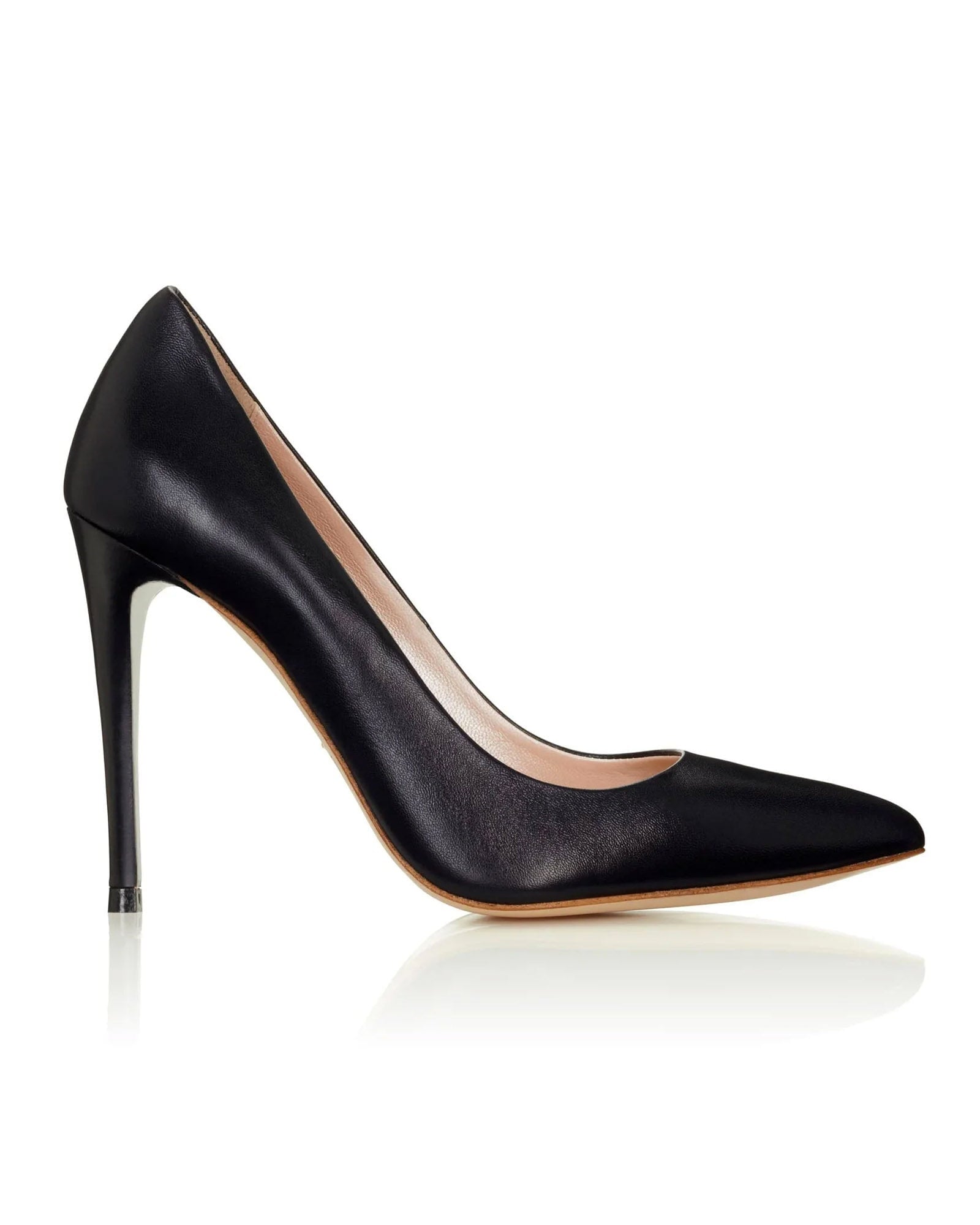
Before styling, one must understand the “why.” The authority of the black leather heels is not accidental. Scientifically, the color black is known for its visual weight and slimming effect, a principle rooted in the physics of light absorption. Leather, as a material, possesses a unique combination of durability, flexibility, and a capacity to mold to the wearer, symbolizing both resilience and refinement. From a sociological perspective, heels have historically denoted status and power. As noted by fashion historian Valerie Steele in her work for The Museum at the Fashion Institute of Technology, heels were initially worn by men in the 17th century to signify aristocratic stature. This legacy translates today, where a heeled silhouette alters posture, projecting confidence and authority. The fusion of black, leather, and a heel creates a trifecta of psychological and aesthetic impact. It’s a viewpoint echoed by style icons; as the late fashion editor Diana Vreeland famously quipped, “The eye has to travel,” and a sharp pair of black heels provides a compelling starting point for that journey. They are a blank slate of sophistication, ready to be contextualized by your choices.
Principle 1: The Architectural Pairing – Denim and Dynamics
The most potent style alchemies often lie in contrast. Pairing black leather heels with denim is a masterclass in balancing casual and formal elements. This isn’t merely a trend; it’s a principle of visual tension that creates interest. The rugged, textured, and often blue-hued world of denim provides a perfect canvas for the sleek, structured, and dark formality of the heel. Consider the archetype of the “French girl” style, frequently documented on platforms like Vogue Paris and Le Figaro. Its essence is the intentional imperfection, the calculated nonchalance. A pair of well-fitted, dark-wash skinny jeans or a classic straight-leg pair, slightly cropped to highlight the ankle strap of a pump or the vamp of a pointed-toe heel, achieves this perfectly. The heel elevates the jeans from weekend wear to a credible component of a smart-casual or even business-casual ensemble. This pairing speaks a language of accessible luxury. It tells a story that you understand the rules well enough to bend them artfully. For a professional edge, add a structured blazer; for evening allure, swap a simple tee for a silk camisole. The black leather heels remain the constant, the grounding element that ensures the look never tips into being overly casual or disheveled.

Principle 2: The Monochromatic Momentum
For a display of pure, unadulterated power dressing, engage in monochrome. Dressing head-to-toe in black, anchored by your black leather heels, is a style move backed by decades of artistic and fashion theory. It creates a long, unbroken line that visually elongates the silhouette, a concept frequently employed by designers like Yohji Yamamoto and Ann Demeulemeester, who treat black not as a color but as an entire philosophy. This approach eliminates visual noise, allowing the focus to fall on texture, cut, and your own presence. The key here is variation in material. Pair matte leather heels with a wool crepe trouser, a silk-blend blouse, and a cashmere coat. The interplay of sheens and textures—matte, gloss, dull, liquid—within the same color family is what makes the outfit sophisticated, not somber. As the character Miranda Priestly in The Devil Wears Prada (both the film and the novel) implicitly understood, a specific shade of cerulean isn’t arbitrary; neither is the commanding effect of a head-to-toe black ensemble. It’s a uniform of intention. It communicates focus, eliminates frivolity, and lets the quality of each piece—especially the pivotal black leather heels—speak volumes.
Principle 3: The Feminine Counterpoint – Dresses and Flow
Here, we explore the principle of juxtaposition in its most classic form: the hardness of leather against the softness of fabric. A flowing midi dress, a sleek slip dress, or a fit-and-flare sundress finds its perfect structural complement in a pair of black leather heels. The heel provides definition and grounding, preventing the fluidity of the dress from overwhelming the frame. This is a narrative seen in countless films, from Audrey Hepburn’s little black dress and heels in Breakfast at Tiffany’s to the modern red carpet, where ethereal gowns are often paired with stark, architectural footwear. The style logic is clear: the softness of the dress highlights the strength of the shoe, and vice-versa, creating a balanced, complete aesthetic. For a daytime look, a floral-print wrap dress with a block heel offers comfort and poise. For evening, a minimalist black satin slip dress paired with sharp, stiletto black leather heels is an eternally chic formula. This pairing respects the design lines of both garments, allowing each to perform its role—the dress to float and flatter, the heels to structure and elevate.
Investing in Your Foundation: Professional Knowledge on Fit and Form
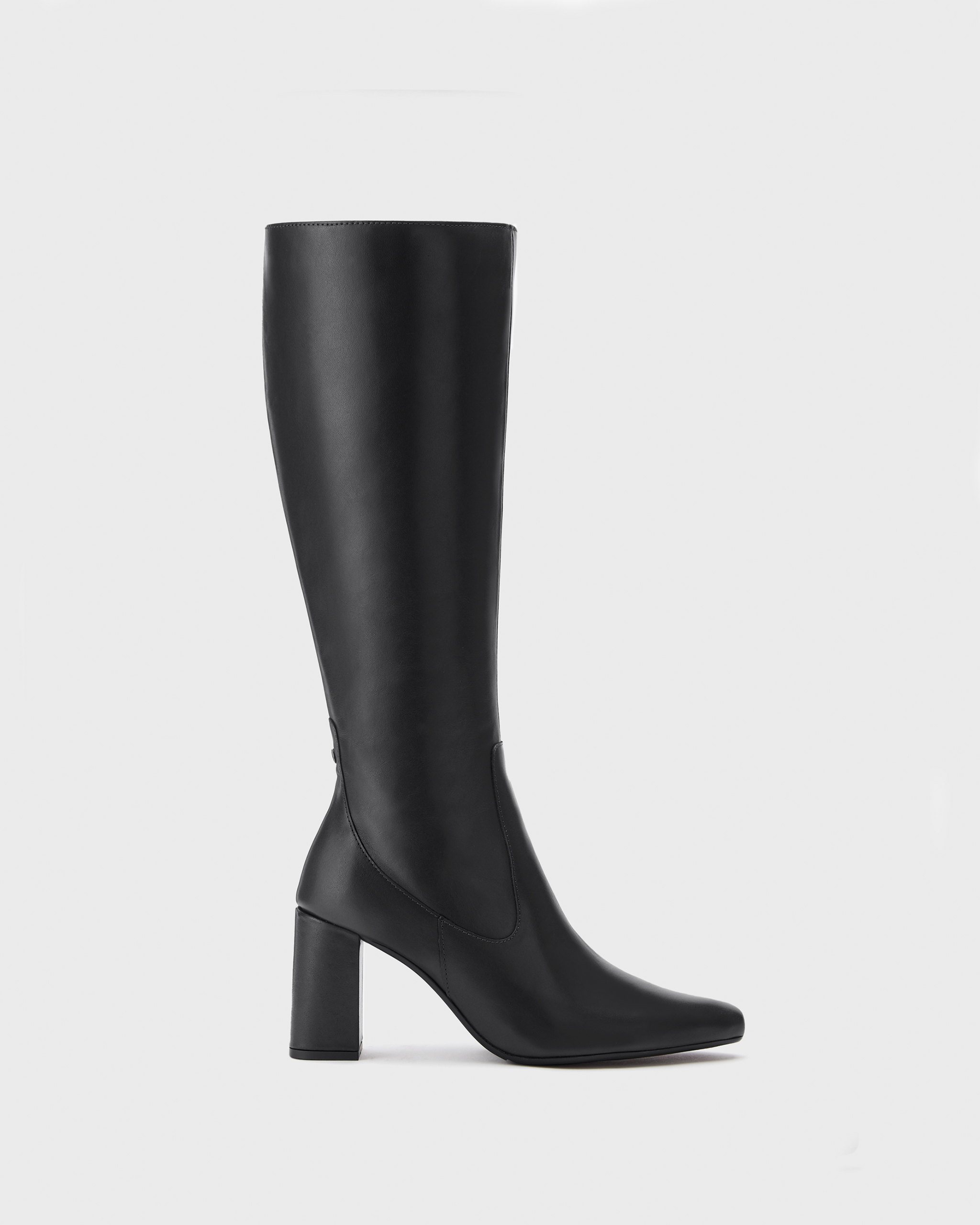
Effortless chic is impossible if your shoes are a source of discomfort. Professional knowledge here is non-negotiable. The science of a good heel involves weight distribution, arch support, and last design (the foot-shaped form around which a shoe is built). A well-made leather heel will mold to your foot over time, but the initial fit is crucial. As per resources from institutions like the American Podiatric Medical Association, key points to consider include: ensuring the ball of your foot sits at the widest part of the shoe, checking for about a centimeter of space between your longest toe and the shoe end, and verifying that the heel counter (the back part) grips your heel without slippage or pinch. Consider the heel height in relation to your daily activity. A 3-inch heel may alter your gait less than a 5-inch stiletto, offering more stability for all-day wear. Brands that prioritize anatomical design often incorporate padded insoles and wider toe boxes without sacrificing style. Investing in quality from brands known for craftsmanship may have a higher initial cost, but the cost-per-wear and the benefit to your posture and comfort make it a wise sartorial investment. Look for sales on classic styles from reputable retailers; timeless black leather heels are perennially discounted during seasonal transitions, allowing you to acquire luxury for less.

Principle 4: The Modern Tailoring – Trousers and Precision
To communicate sharp, contemporary intelligence, pair your heels with tailored trousers. This is the uniform of the modern creative, the entrepreneur, the thought leader. The logic is one of clean lines and amplified proportions. A wide-leg, high-waisted trouser that slightly grazes the floor, worn with a pointed-toe pump, creates an illusion of endless leg. A cropped, cuff-hem trouser paired with a slingback heel draws elegant attention to the ankle. This principle finds its evidence in the street style outside fashion weeks and in the boardrooms of innovative companies. It’s a look championed by figures like former British Vogue editor-in-chief Alexandra Shulman, who often paired impeccable tailoring with definitive footwear. The black leather heels here act as the exclamation point to a sentence built by the suit or the separates. They add a necessary element of personal style and femininity to a traditionally structured silhouette, preventing it from appearing austere. The message is one of capability, polished with a distinct personal aesthetic.
The true power of the black leather heels lies in their transformative neutrality. They are not a loud statement piece but a foundational amplifier. They respect the integrity of a pair of jeans, elevate the romance of a dress, empower the severity of monochrome, and sharpen the intelligence of tailoring. By understanding the principles behind these pairings—contrast, monochromatic texture, juxtaposition, and precision—you move beyond copying outfits to building a wardrobe with intention. Start with one impeccable pair that fits like a dream. Observe the lines they create, the confidence they instill. Then, build your version of effortless chic around them, one principle at a time.
