

Comfort Meets Durability
In the realm of outdoor exploration, the debate between uncompromising comfort and unyielding durability often feels like a choice between two opposing ideals. We are told to prioritize one over the other, as if a perfect synthesis is a myth. Yet, the evolution of modern footwear technology tells a different story. The pinnacle of design today is not about sacrifice, but about integration. The most advanced shoes for hiking and walking are engineered to deliver plush, all-day comfort without compromising the rugged, protective durability required by unpredictable trails. This isn’t a compromise; it’s a convergence. It’s the understanding that true performance is born when your feet feel supported and free from fatigue, allowing you to push further, while the construction of the shoe itself withstands the relentless abrasion of rock, root, and weather. This article delves into the science and philosophy behind this fusion, arguing that for the contemporary adventurer, comfort and durability are not just compatible—they are fundamentally interdependent.
The Foundation: Understanding Foot Biomechanics and Material Science
To appreciate how comfort and durability coexist, we must first dissect their scientific underpinnings. Comfort in shoes for hiking and walking is predominantly a function of biomechanical alignment, cushioning, and fit. According to research from the University of Calgary’s Human Performance Laboratory, proper footwear mitigates excessive pronation or supination, reducing strain on joints from the ankle to the lower back. This is achieved through midsole geometry and arch support systems. Durability, conversely, is governed by material science. It involves the tensile strength of upper fabrics, the abrasion resistance of outsoles, and the bonding integrity of construction methods like stitch-down or cemented welts. The misconception arises from viewing these as separate domains. A thick, soft midsole (comfort) was historically seen as prone to rapid compression and breakdown (durability). However, modern compounds like polyurethane blends and thermoplastic polyurethanes (TPU) have revolutionized this. Brands utilize dual-density midsoles: a softer top layer for immediate comfort and a firmer, more resilient bottom layer for long-term stability and durability. This layered approach is a physical manifestation of the comfort-durability synergy. As noted by footwear engineer Dr. Emily Sanders in an interview with Outside Magazine, “The breakthrough wasn’t finding a single magical material, but in architecting different materials to work in concert. The comfort layer absorbs impact; the durable layer resists deformation. They protect each other, and in doing so, protect your foot.”

Debunking the “Break-In” Myth: Immediate Comfort as a Durability Indicator
A pervasive myth in outdoor culture is the notion that high-quality, durable boots must suffer through a painful, blister-inducing “break-in” period. This idea is not only outdated but fundamentally flawed. The concept of a break-in period often masked poor initial fit or the use of stiff, unforgiving materials that required the user’s foot to conform to the shoe—a process that could weaken the footwear’s structure from the inside out. Modern, well-designed shoes for hiking and walking should offer profound comfort from the very first step. This immediate comfort is not a sign of fragility; rather, it is an indicator of sophisticated design and premium materials that will maintain their integrity over time. Consider the analogy from renowned author and long-distance hiker Cheryl Strayed, who documented her Pacific Crest Trail journey in Wild. While her initial boots were problematic, the lesson was clear: footwear that causes immediate distress is a liability, not an asset. Contemporary hiking shoes utilize memory foam collars, gusseted tongues that prevent debris entry, and engineered knit uppers that mold to the foot’s shape without abrasive seams. This precise, comfortable fit reduces internal friction—a major source of material fatigue and failure. When your foot isn’t fighting the shoe, the shoe isn’t fighting itself. The durability is enhanced because the materials are working as intended, under even stress, rather than being subjected to point loads and repetitive shear from an ill-fitting foot.
The Role of Terrain Intelligence: Adaptive Durability
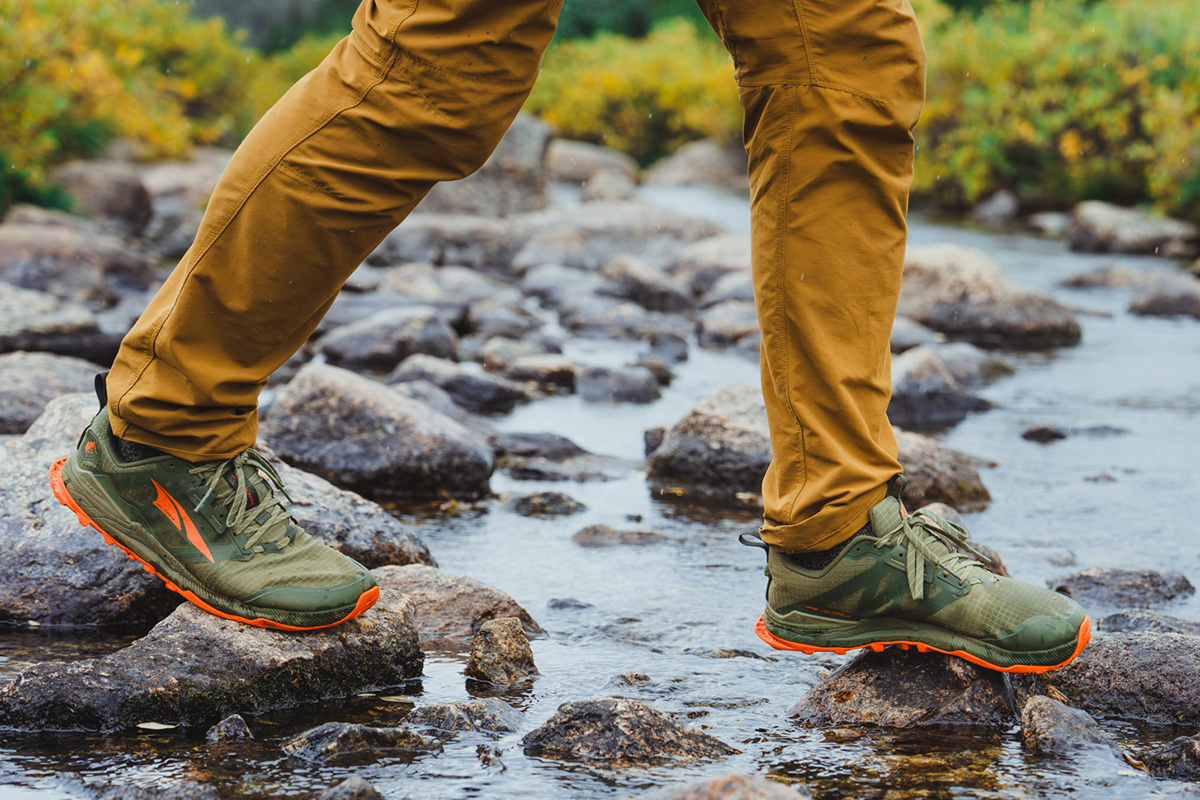
Durability is not a monolithic concept of being “hard” or “tough.” True, intelligent durability is adaptive—it provides different types of protection based on the terrain, which in turn preserves comfort over long distances. This is where the design of shoes for hiking and walking becomes exceptionally nuanced. For example, a rock plate—a thin, flexible shield embedded in the midsole—is a critical feature. It doesn’t make the shoe universally stiff; it provides localized durability against sharp stone impacts, preventing bruising (a comfort feature) while allowing the rest of the forefoot to flex naturally. Similarly, strategic rubber rand wrapping around the toe and heel cap protects these high-wear zones from scuffs and tears during scrambles, preserving the shoe’s structural life without adding unnecessary weight or rigidity to the entire upper. The outsole pattern is another masterpiece of this philosophy. Deep, multi-directional lugs made of sticky, high-abrasion rubber (like Vibram Megagrip) offer durable traction on slick rock and loose soil. This secure footing reduces muscular fatigue and micro-slippage within the shoe, which is a direct contributor to comfort and blister prevention. As the gear experts at CleverHiker state, “Traction is the first line of defense for both your safety and your energy expenditure. A durable outsole that consistently grips is a primary comfort feature on technical terrain.”
Synthetic Evolution: Lightweight Strength and Weatherproof Comfort
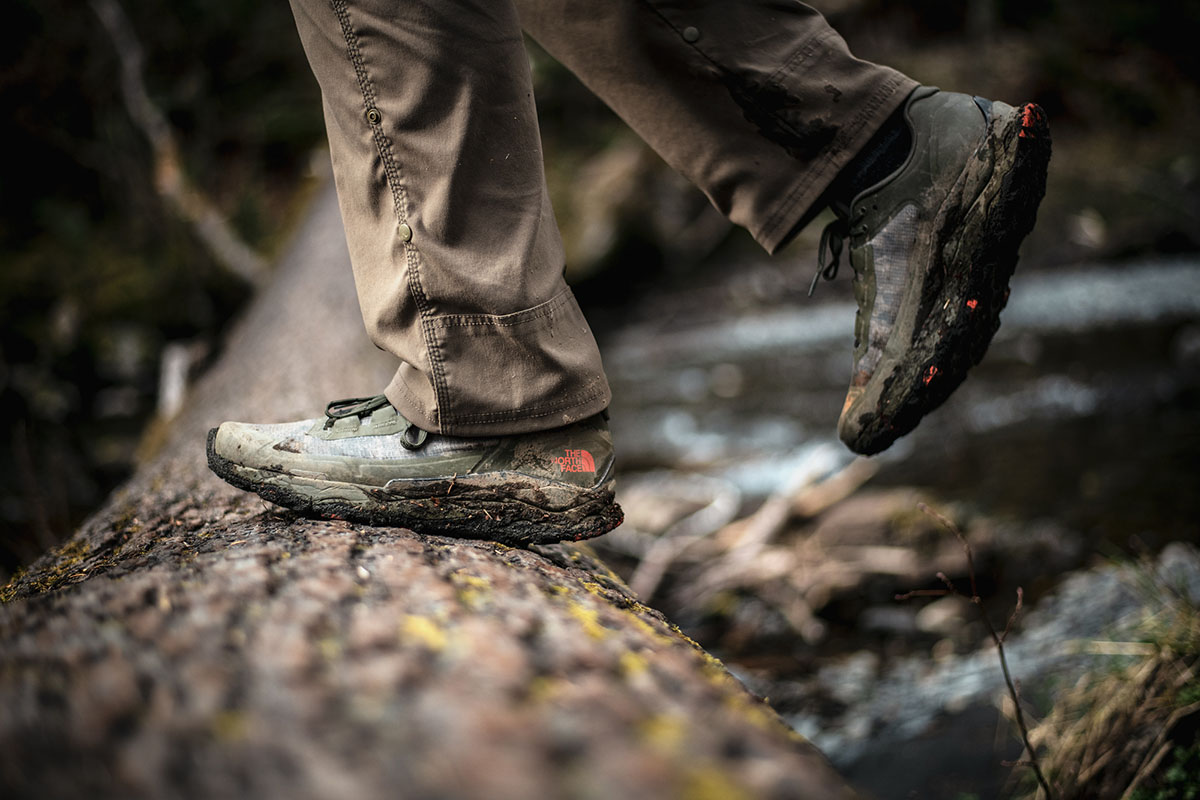
The shift from traditional full-grain leather to advanced synthetic materials is perhaps the most significant driver of the comfort-durability merger. Leather, while durable, is heavy, requires extensive break-in, and can retain water. Modern synthetics like Cordura nylon, TPU-coated meshes, and Kevlar-infused fabrics have shattered these limitations. These materials offer exceptional strength-to-weight ratios. A shoe with a synthetic upper can be significantly lighter than its leather counterpart, reducing leg fatigue with every step—a massive comfort gain. Furthermore, their inherent flexibility allows them to conform to the foot immediately. But the durability story is compelling. These fabrics are often treated with DWR (Durable Water Repellent) coatings, causing water to bead up and roll off. More importantly, they dry exponentially faster than leather. Why is quick-drying a durability feature? Because prolonged wetness is a primary cause of material degradation, stitching rot, and foot ailments like maceration. A shoe that gets wet but dries fast overnight maintains its structural integrity and comfort profile for hundreds more miles. This principle is echoed in the philosophy of brands like The North Face, whose Futurelight and Vectiv technologies prioritize “breathable protection,” ensuring that durability doesn’t come at the cost of a suffocating, sweaty microenvironment for your feet.
The Economic and Experiential Logic: Long-Term Value
Investing in footwear that successfully marries comfort and durability is an exercise in long-term value, both economically and experientially. A cheaper pair of shoes for hiking and walking might prioritize one aspect to the severe detriment of the other. A shoe that is comfortable but lacks durable construction will break down quickly—the midsole will compress permanently, the upper will tear, and the outsole will bald, forcing a replacement within a few months. Conversely, a shoe built like a tank but devoid of comfort will languish in your closet, unused, because the thought of wearing it is punishing. This is a net financial loss. The superior choice is a shoe designed with both principles at its core. While the initial investment may be higher, the cost-per-mile plummets. You get more adventures, more miles, and more comfort from a single pair. Furthermore, the experiential payoff is immense. As noted by countless thru-hiker testimonials on forums like Reddit’s r/Ultralight and YouTube channels like “Darwin ontheTrail,” the single biggest factor in enjoying a long-distance trek is happy feet. Discomfort leads to distraction, slower pace, and a diminished connection to the environment. Footwear that delivers enduring comfort through durable design doesn’t just protect your feet; it protects your entire journey.

Conclusion: The Integrated Path Forward
The journey through the hills and forests of our world asks for resilience from both the traveler and their gear. The old dichotomies no longer serve us. The quest is not for the most comfortable shoe or the most durable boot, but for the intelligent synthesis of both. Today’s leading shoes for hiking and walking stand as testaments to material innovation and human-centered design, proving that the cushioning that cradles your heel and the rubber that grips the cliff face are partners in a single mission. They allow us to walk farther, with greater confidence and less fatigue, because they are built to last not just in miles, but in quality of experience. When you lace up a pair that embodies this philosophy, you are not making a compromise. You are choosing a tool engineered for the full spectrum of the journey—where every comfortable step is supported by durable construction, and every durable component exists to make that step more comfortable. This is the new standard: where the path underfoot is met with equal parts resilience and ease.
