

The Ultimate Guide to Podiatrist-Approved Walking Shoes
Your feet are your foundation, and the shoes you choose for walking can either build up or break down your entire musculoskeletal system. This isn’t about fleeting fashion trends or marketing hype; it’s about biomechanical science, long-term health, and the simple joy of pain-free movement. We’ve moved beyond anecdotal advice to a realm where podiatric medicine, material engineering, and real-world wear testing converge. This guide distills that convergence, offering you a clear path to selecting footwear that truly supports you with every step. The goal is singular: to equip you with the knowledge to identify and invest in genuine podiatrist recommended walking shoes, transforming your daily walks from a potential source of strain into a cornerstone of wellness.
The Non-Negotiable Science of Foot Biomechanics
To understand why a podiatrist recommended walking shoe is paramount, we must first delve into the mechanics of walking, or gait cycle. This cycle involves a complex symphony of bones, muscles, ligaments, and tendons working in unison. Key phases include heel strike, midstance, and toe-off. During midstance, the foot naturally pronates—rolls inward—to absorb shock and adapt to terrain. However, excessive pronation (overpronation) or insufficient pronation (supination) can lead to a cascade of issues: plantar fasciitis, shin splints, knee pain, and even hip and lower back problems. According to biomechanics literature from institutions like the University of Calgary’s Human Performance Lab, proper footwear acts as an essential interface, moderating these forces. A shoe isn’t just a covering; it’s a tool for kinetic alignment. The right shoe provides stability to control unwanted motion, cushioning to dissipate impact forces that can travel up to five times your body weight with each step, and flexibility at the correct points to allow for a natural, efficient roll-through. Ignoring this science is akin to building a house on an unstable foundation—eventually, the structure above will show signs of stress and failure.
Decoding the Podiatrist’s Criteria: Beyond the Buzzwords
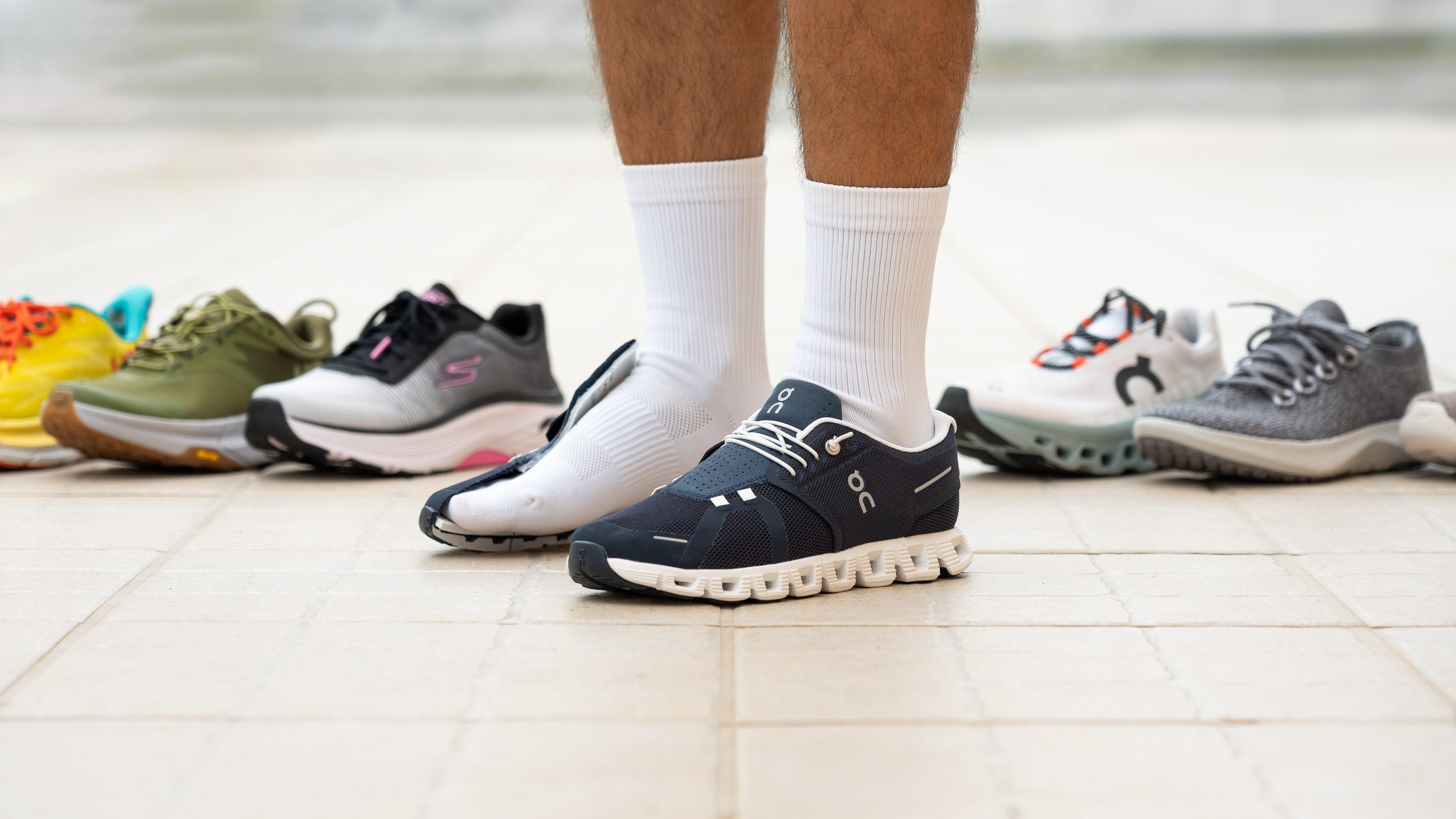
When a podiatrist evaluates a walking shoe, they assess specific, measurable features that directly correlate with foot health. Let’s demystify these criteria. First is Heel Counter Rigidity. This is the firm cup at the back of the shoe that cradles the heel. A study cited in the Journal of the American Podiatric Medical Association emphasizes that a rigid heel counter prevents excessive heel movement, providing stability and reducing the risk of conditions like Achilles tendinitis. Squeeze the back of the shoe; it should not collapse easily. Second is Midfoot Stability and Arch Support. This isn’t about a generic, hard arch bump. Effective support matches the contour of your arch to maintain the foot’s neutral position, preventing the arch from collapsing inward. As noted on authoritative health platforms like WebMD, proper arch support is crucial for distributing pressure evenly. Third is Forefoot Flexibility. The shoe should bend easily at the ball of the foot (the metatarsophalangeal joints) to facilitate toe-off, but not in the middle of the arch. Fourth is Adequate Toe Box Volume and Shape. Your toes should lie flat and have room to splay slightly upon weight-bearing. A cramped toe box can lead to neuromas, bunions, and hammertoes. Finally, the Overall Last and Shape of the shoe should correspond to your foot type. These are the concrete pillars upon which the concept of podiatrist recommended walking shoes is built.
Navigating Foot Type and Gait: Your Personal Blueprint
There is no single “best” walking shoe; there is only the best shoe for your feet. This requires honest self-assessment or professional gait analysis. Broadly, foot types are categorized as neutral, flat (overpronating), or high-arched (supinating). A simple home test is the “wet foot test”: wet your foot and step onto a piece of cardboard. A full, wide imprint suggests a flat foot needing stability or motion control shoes. An imprint with a narrow connection between heel and forefoot indicates a high arch, requiring neutral, cushioned shoes for shock absorption. A clear, balanced imprint points to a neutral foot. However, for definitive insight, a podiatrist’s gait analysis is invaluable. They observe you walking or running on a treadmill, often with video analysis, to see how your ankles, knees, and hips align. This personalized data is your blueprint. As running legend and coach Dr. Mark Cucuzzella often states in his public health advocacy, “The shoe should serve the foot, not the other way around.” Choosing a shoe that contradicts your biomechanics—like putting a highly stable, motion-control shoe on a supinator—can be as detrimental as wearing no support at all. Your unique blueprint is the first and most critical filter in selecting true podiatrist recommended walking shoes.
:max_bytes(150000):strip_icc()/podiatrist-recommended-walking-shoes-e1b90077185d4e6cadbf6327c4d17db7.jpg)
The Hallmarks of Trusted Brands and Models
Certain brands have consistently invested in podiatric research and development, earning them frequent endorsements from foot care professionals. Brands like Brooks, ASICS, New Balance, HOKA, and Saucony are staples in this conversation. For instance, Brooks’ Adrenaline GTS line is often cited for its GuideRails holistic support system, which focuses on aligning the knee rather than just controlling the foot—a concept supported by modern biomechanical thinking. HOKA is renowned for its maximalist cushioning, which can be a revelation for those with joint arthritis or who are on their feet all day, as the meta-rocker geometry promotes a smooth gait cycle. ASICS, with its focus on gel cushioning systems and impact guidance, frequently appears in peer-reviewed studies on impact reduction. It’s not that these brands are universally perfect for everyone, but their engineering priorities align with podiatric principles. When you see these brands, you’re looking at companies that often collaborate with clinical professionals, making them a reliable starting point in your search for podiatrist recommended walking shoes. The model matters as much as the brand; a stability model from ASICS (like the GT-2000) serves a completely different foot than its neutral-cushioned counterpart (like the Nimbus).
Where Professional Knowledge Meets Value: Smart Shopping Strategies
Investing in your foot health doesn’t necessitate bankrupting your wallet. The key is strategic, informed shopping. First, prioritize fit over price or looks. Always shop in the afternoon when your feet are naturally slightly swollen. Wear the socks you intend to walk in. There should be about a thumb’s width of space between your longest toe and the end of the shoe. Second, understand the product lifecycle. Major brands release new models annually. When the new version drops, retailers deeply discount the previous model, which is often 95% identical in technology. Websites like Running Warehouse, Zappos (with its excellent return policy), and even the brand’s own outlet sites are treasure troves for these deals. Third, consider last season’s top-rated podiatrist recommended walking shoes. A shoe that was a podiatrist’s favorite six months ago doesn’t become ineffective; it becomes affordable. Fourth, don’t be seduced by “all-day comfort” claims from fashion brands lacking in technical pedigree. The $50 you save now could lead to hundreds in podiatrist bills later. As financial guru and health advocate Dave Ramsey might analogize, this is a true “preventative investment,” not an expense. The intersection of professional knowledge and discounted prices is where savvy, health-conscious consumers thrive.
:max_bytes(150000):strip_icc()/tal-roundup-podiatrist-loved-shoes-on-sale-tout-bdbf5721fa5642efa38b61f6a5b4ff34.jpg)
The Lifespan of Support: Knowing When to Let Go
A critical, often overlooked aspect of foot care is shoe retirement. The cushioning and stability materials in walking shoes—primarily EVA foam, polyurethane, and specialized gels—break down from compression and moisture long before the outer sole shows significant wear. The general consensus among podiatrists and sports medicine experts, including insights shared by the American Podiatric Medical Association (APMA), is that walking shoes lose a significant portion of their protective and supportive capabilities after 300-500 miles of use. For a daily walker covering 3-5 miles, this translates to roughly 4-6 months. Clues that your shoes are retiring include new, unexplained aches in your feet, legs, or back; visibly compressed or wrinkled midsoles; or a shoe that no longer feels “right” and stable when you twist it. Holding onto shoes for sentimental value or to “get your money’s worth” is a false economy. The degraded support places undue stress on your body’s natural shock absorbers—your joints and soft tissues. Replacing your shoes on schedule is the final, non-negotiable habit in maintaining the benefits of your initial investment in quality podiatrist recommended walking shoes.
Stepping Into a Healthier Stride
The journey to finding the right walking shoe is an act of self-care with profound ripple effects. It’s a decision that supports not just your feet, but your knees, your hips, your back, and your overall vitality. By grounding your choice in the biomechanical science understood by podiatrists, by learning the language of heel counters and arch support, and by applying smart strategies to acquire this essential gear, you take control of your walking experience. You move from being a passive consumer to an informed advocate for your own body. Let this knowledge guide you to a pair of shoes that doesn’t just fit your feet, but fits your life, empowering every step you take toward greater health and mobility. The path to pain-free walking is clear—it begins with the deliberate, informed selection of your foundation.
:max_bytes(150000):strip_icc()/shp-best-brooks-walking-shoes-tout-f67df3ab5afa4c08a24a63ae6dca3444.jpg)
