

Discover the Top Podiatrist Recommended Walking Shoes for Ultimate Comfort and Support
Walking is one of the most fundamental human movements, yet its simplicity belies the complex biomechanical processes involved. Every step you take sends shockwaves through your feet, ankles, knees, and spine. The right footwear isn’t just about style; it’s a critical tool for preserving your musculoskeletal health. This is where the expertise of a podiatrist becomes invaluable. Podiatrists, or doctors of podiatric medicine, specialize in the diagnosis, treatment, and prevention of foot and ankle disorders. Their recommendations for footwear are grounded in a deep understanding of anatomy, gait analysis, and pathology. When we talk about podiatrist recommended walking shoes, we are referring to footwear that has been vetted for its ability to provide proper arch support, cushioning, stability, and a fit that respects the natural shape and function of the foot. This article will guide you through the essential features of these shoes, the science behind their design, and specific models that consistently earn professional praise, all while connecting you with the knowledge and potential savings to make an informed investment in your well-being.
The Foundation of Foot Health: Why Podiatrist Recommendations Matter
To understand the weight of a podiatrist’s advice, one must first appreciate the foot’s intricate design. Each foot contains 26 bones, 33 joints, and over 100 muscles, tendons, and ligaments. This complex structure acts as both a shock absorber and a rigid lever for propulsion. A podiatrist, through years of specialized training, views the foot not in isolation but as the foundation of the entire kinetic chain. Problems in the feet can manifest as pain in the knees, hips, or lower back. Dr. Miguel Cunha, founder of Gotham Footcare in New York City, often emphasizes this connection in media interviews, stating that “the shoes you wear are the environment in which your feet live.” A poor environment leads to problems. Podiatrists evaluate shoes based on objective criteria: the counter (heel support), the shank (arch support), the toe box width, and the midsole composition. Their endorsements are not casual preferences but evidence-based judgments aimed at preventing conditions like plantar fasciitis, bunions, metatarsalgia, and Achilles tendinitis. Therefore, seeking out podiatrist recommended walking shoes is a proactive step in preventative healthcare, akin to choosing a mattress for spinal health or a chair for ergonomic support.
:max_bytes(150000):strip_icc()/tal-10-podiatrist-approved-open-toed-shoes-tout-00bd6ff1c36a49cdbbff486b0b54fb27.jpg)
Decoding the Anatomy of a Superior Walking Shoe
What specific elements transform an ordinary sneaker into a podiatrist-approved powerhouse? The answer lies in a combination of design philosophy and material science. First, let’s consider the arch support. The medial longitudinal arch is the primary shock-absorbing structure of the foot. Shoes with insufficient support allow the arch to collapse excessively—a motion called overpronation—which can strain the plantar fascia. Brands like Brooks and ASICS invest heavily in biomechanical research, developing proprietary support systems like Brooks’ GuideRails or ASICS’ Dynamic DuoMax Support that gently guide the foot into a more neutral alignment. Second, cushioning is not merely about softness. According to literature from the Spaulding National Running Center, affiliated with Harvard Medical School, effective cushioning manages impact forces without being so unstable that it compromises proprioception (the body’s sense of its position). Materials like Adidas’ Boost or Nike’s React foam provide resilient, energy-returning cushioning that remains consistent over miles. Third, the heel counter must be firm. A study cited in the Journal of Foot and Ankle Research highlights that a rigid heel counter reduces rearfoot motion, enhancing stability. Finally, a roomy toe box is non-negotiable. As noted by the American Podiatric Medical Association, cramped toe boxes are a leading contributor to deformities like hammertoes and neuromas. A true podiatrist recommended walking shoe will masterfully balance all these elements, creating a harmonious environment for the foot.
Top Contenders: Shoes That Consistently Earn Professional Praise
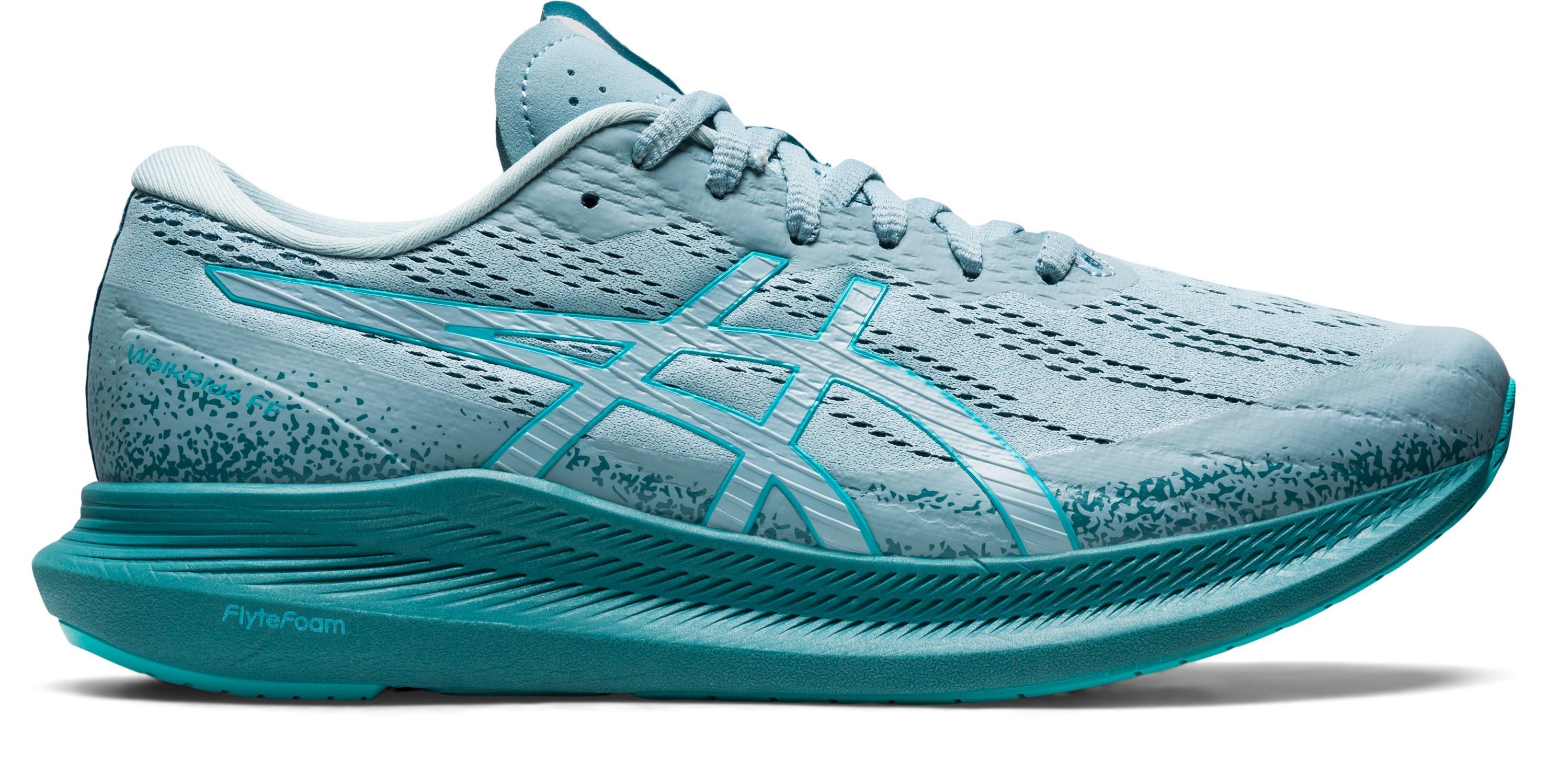
While individual needs vary, certain models are frequently lauded by foot care professionals for their exemplary design. It’s important to remember that the “best” shoe is the one that fits your unique foot shape and gait pattern. However, the following categories and models serve as an excellent starting point for your search. For those requiring maximum stability and motion control, the Brooks Addiction Walker is a perennial favorite. Its extended progressive diagonal rollbar is a classic biomechanical tool for managing overpronation, making it a staple recommendation in many clinics. For a blend of cushioning and support, the ASICS Gel-Kayano series, though often marketed as a running shoe, features guidance and cushioning technologies like GEL and Trusstic systems that translate superbly to walking. The New Balance 928 is another cornerstone, built on a last specifically designed for orthotic compatibility and featuring a robust rollbar for stability. For walkers seeking premium, everyday comfort with a focus on anatomical fit, the HOKA ONE ONE Bondi series offers exceptional meta-rocker geometry and maximal cushioning, which can be particularly beneficial for those with arthritic conditions. These models exemplify the principles that define podiatrist recommended walking shoes: they are engineered solutions, not just fashion items.
:max_bytes(150000):strip_icc()/shp-best-brooks-walking-shoes-tout-f67df3ab5afa4c08a24a63ae6dca3444.jpg)
Beyond the Shoe: The Critical Role of Professional Gait Analysis
Purchasing a highly-rated shoe is only half the battle; ensuring it is the right tool for your body’s mechanics is the other. This is where professional gait analysis becomes indispensable. Many specialty running and walking stores, as well as podiatry clinics, offer this service. A trained analyst will observe you walking (and sometimes running) on a treadmill, often using slow-motion video to assess factors like your stride length, foot strike pattern, and degree of pronation or supination. This objective data is far more reliable than self-assessment. For instance, you might perceive yourself as a neutral walker when, in fact, you have a subtle overpronation that only becomes apparent under video scrutiny. The analyst can then match your biomechanical profile to shoes with the appropriate level of support, cushioning, and geometry. Renowned physical therapist and author of “Anatomy for Runners,” Jay Dicharry, has famously stated in his lectures and books:
“You can’t manage what you don’t measure. Putting the right shoe on the wrong foot is like prescribing the wrong medicine.”
This process demystifies shoe selection and transforms it from a guessing game into a science-based decision, ensuring your chosen podiatrist recommended walking shoes perform their intended function effectively.
Investing in Your Stride: Where Knowledge Meets Value
High-quality, medically endorsed footwear often comes with a higher price tag, reflecting the advanced materials, research, and construction involved. However, viewing this as an investment rather than an expense is crucial. The potential cost of neglecting foot health—through doctor visits, physical therapy, orthotics, or even surgery—far outweighs the price of a premium pair of shoes. Furthermore, there are strategic ways to access these shoes without straining your budget. First, consider previous model years. Shoe technology evolves, but not as radically as marketing may suggest. Last year’s top-tier model often provides 95% of the benefit at a 30-40% discount once the new version is released. Second, sign up for newsletters from brands like Brooks, ASICS, and New Balance, as well as reputable retailers. They frequently offer seasonal sales, holiday promotions, and exclusive discount codes for subscribers. Third, explore outlet stores or authorized online discounters that sell overstock. The key is to know your exact size and model from a prior fitting before hunting for deals. By combining the professional knowledge of what makes a shoe effective with savvy shopping tactics, you empower yourself to achieve both ultimate comfort and fiscal sensibility. Your journey toward pain-free walking begins with the deliberate choice to prioritize your foundation, starting with a pair of genuine podiatrist recommended walking shoes.
Your feet carry you through every journey of your life. Choosing footwear that honors their complexity is one of the most direct acts of self-care you can perform. The path to ultimate comfort and support is illuminated by the expertise of podiatrists and the innovative engineering of brands that take biomechanics seriously. By understanding the “why” behind the design, seeking professional fitting, and making informed purchasing decisions, you transform your daily walk from a potential source of strain into a foundation of vitality and health.
