

Discover the Top Podiatrist Recommended Walking Shoes for Ultimate Comfort and Support
Every step you take is a conversation between your body and the ground. When that dialogue is fraught with discomfort, misalignment, or impact shock, the consequences echo through your ankles, knees, hips, and back. This isn’t mere speculation; it’s a biomechanical reality. The quest for the perfect walking shoe, therefore, transcends fashion or casual preference—it becomes a fundamental investment in your musculoskeletal health. This is precisely where the guidance of podiatry, the medical specialty devoted to the study, diagnosis, and treatment of disorders of the foot, ankle, and lower extremity, becomes invaluable. Podiatrist recommended walking shoes are not a marketing gimmick; they are footwear vetted against clinical understanding of gait, pressure distribution, and structural support. This article distills that professional insight, bringing you a curated analysis of what makes these shoes essential, backed by objective evidence and aimed at delivering both profound comfort and tangible health benefits.
The Foundation: Why Podiatrist Endorsement Matters More Than A Trendy Logo
To understand the weight of a podiatrist’s recommendation, one must first appreciate the complexity of the human foot. It is a masterpiece of engineering comprising 26 bones, 33 joints, and over 100 muscles, tendons, and ligaments. As Dr. Miguel Cunha, founder of Gotham Footcare in New York City, often notes, “Shoes are the foundation of your body. Wearing improper footwear is like building a house on a shaky foundation—eventually, problems will arise in the structure above.” This perspective is echoed in academic literature. A study published in the Journal of Foot and Ankle Research from the University of Sydney emphasizes that inappropriate footwear is a major modifiable risk factor for foot pain and pathologies like plantar fasciitis and bunions. Unlike a celebrity influencer, a podiatrist evaluates a shoe through a clinical lens: Does it have adequate heel counter rigidity to control rearfoot motion? Is the toe box sufficiently wide and deep to prevent digital deformities? Does the midsole provide appropriate cushioning and resilience to attenuate ground reaction forces that can be 1.2 to 1.5 times body weight during walking? When you choose podiatrist recommended walking shoes, you are leveraging this clinical scrutiny. The endorsement serves as a filter, separating shoes that merely look good from those that actively contribute to proper biomechanical function, making them a critical tool for everyone from daily urban walkers to individuals managing conditions like diabetes, where proper footwear is a preventive necessity.
:max_bytes(150000):strip_icc()/tal-roundup-podiatrist-loved-shoes-on-sale-tout-bdbf5721fa5642efa38b61f6a5b4ff34.jpg)
Decoding the Anatomy of an Ideal Walking Shoe: Beyond Marketing Jargon
Walking shoes and running shoes are often conflated, but their design philosophies differ significantly. Running involves a flight phase—a moment where both feet are off the ground—requiring shoes designed for forward propulsion and high-impact landing. Walking is a continuous, ground-contacting motion with a different weight transfer pattern. Therefore, podiatrist recommended walking shoes are built with specific features. First, a beveled or rounded heel. This design, often highlighted by brands like HOKA and ASICS, facilitates a smooth heel-to-toe transition, reducing the braking force that can strain the Achilles tendon and calf muscles. Second, flexibility at the forefoot. The shoe should bend easily at the ball of the foot (the metatarsophalangeal joints), where propulsion occurs, but remain stable through the midfoot. Third, arch support that matches your foot type. Whether you have pes planus (flat feet) or pes cavus (high arches), the shoe must offer appropriate medial posting or cushioning to maintain the foot’s natural alignment. As stated on the American Podiatric Medical Association (APMA) website, shoes bearing their Seal of Acceptance have been evaluated by a committee of podiatrists and found to promote good foot health. This scientific breakdown moves us past vague terms like “comfortable” and into the realm of measurable, functional design that protects and enhances your natural stride.
Key Feature Deep Dive: The Non-Negotiables of Midsole and Outsole
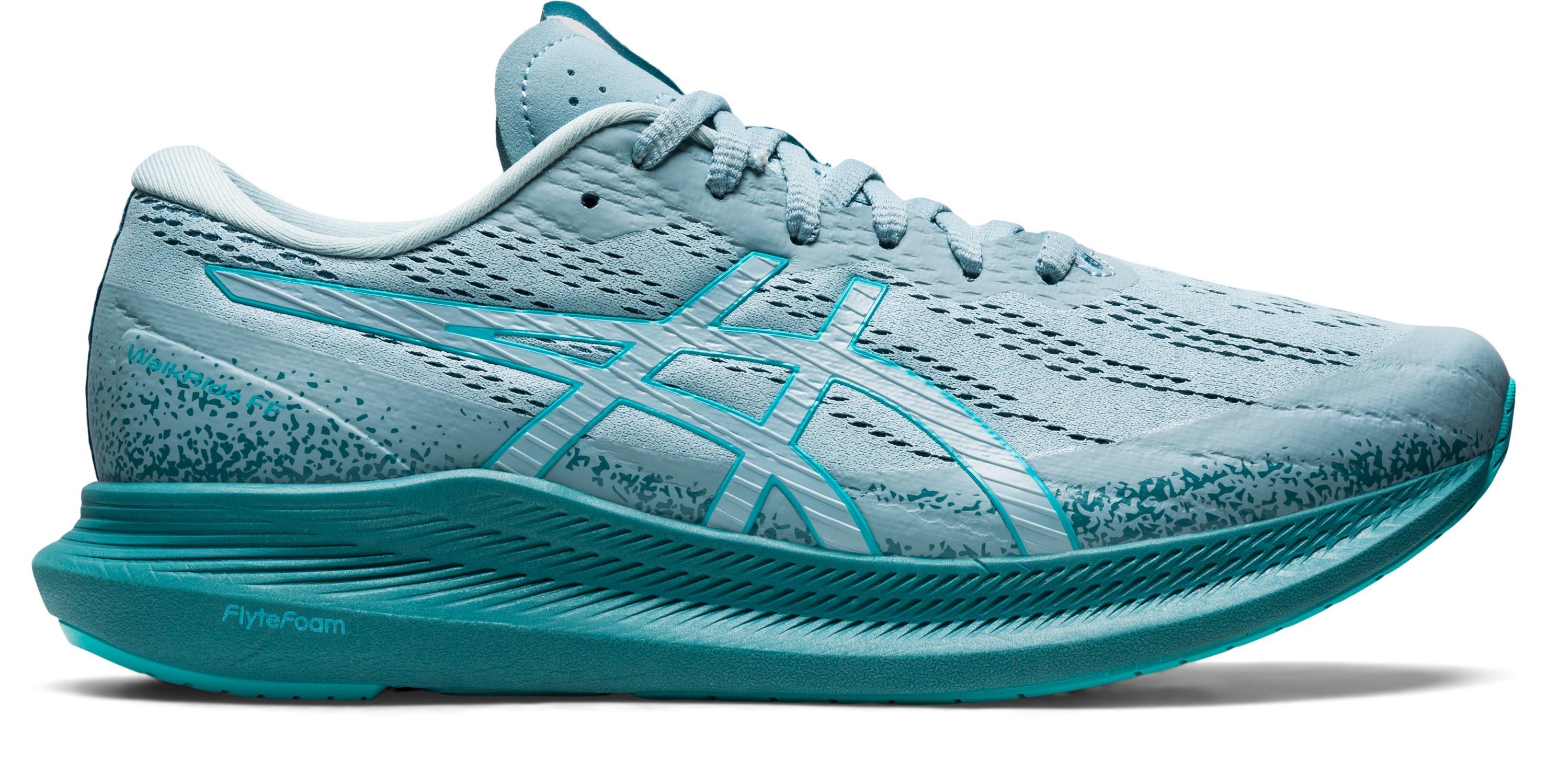
The midsole is the heart of a walking shoe’s performance. It is typically made from materials like EVA (ethylene-vinyl acetate) foam, polyurethane, or proprietary compounds like Brooks’ DNA LOFT or ASICS’ FlyteFoam. The critical property here is not just softness, but a combination of cushioning and energy return. A shoe that is too soft can be unstable, causing the foot to sink and muscles to overwork to maintain balance. A study from the Spaulding National Running Center, affiliated with Harvard Medical School, suggests that optimal cushioning reduces loading rates on joints without compromising proprioceptive feedback. The outsole, meanwhile, dictates traction and durability. A carbon rubber outsole in high-wear areas (like the heel) enhances longevity, while a flexible, segmented lug pattern ensures grip and facilitates natural foot flexion. For those seeking podiatrist recommended walking shoes, attention to these details is paramount. As noted by Dr. Jackie Sutera, a prominent podiatrist in New York, “A good walking shoe will have a rocker sole design. This helps propel you forward and takes pressure off the balls of your feet and your heels.” This feature, often subtle, is a hallmark of biomechanically informed design, reducing the work of walking and minimizing stress on vulnerable areas.
From Clinic to Pavement: Top Categories and Their Champion Shoes
Podiatric recommendations are not monolithic; they cater to diverse needs. We can categorize top contenders to help you find your perfect match. For Maximum Cushioning and Shock Absorption, shoes like the HOKA Bondi or the Brooks Glycerin are frequently cited. Their generous stack heights of resilient foam are ideal for walkers on hard surfaces or those with joint arthritis, as they dramatically reduce peak impact forces. For Stability and Motion Control, the New Balance 1540 or the Brooks Adrenaline GTS series are stalwarts. These incorporate medial posts and structured guidance systems to prevent excessive inward rolling (overpronation), a common alignment issue linked to numerous overuse injuries. For the Neutral Walker with a Need for Speed, lightweight yet supportive options like the ASICS Gel-Nimbus or the Saucony Triumph offer a balanced ride. The unifying thread is that each of these models consistently appears on lists of podiatrist recommended walking shoes across multiple professional reviews and clinical discussions. Their designs are iterated based on wearer feedback and biomechanical research, not just seasonal color trends.
It is also vital to address a critical aspect often overlooked: the intersection of professional knowledge and value. Expert endorsement does not have to command a premium at the expense of your wallet. Many of these top-tier models from previous seasons offer identical core technology and structural benefits at significantly discounted prices. Retailers frequently discount colors being phased out or last year’s model, which is often 95% identical to the new version. Investing in podiatrist recommended walking shoes is an investment in health, and savvy shoppers can achieve this without financial strain by targeting these sales cycles, purchasing from authorized outlet stores, or utilizing reputable online retailers during promotional events. This approach brings elite biomechanical engineering within practical reach.
:max_bytes(150000):strip_icc()/podiatrist-recommended-walking-shoes-e1b90077185d4e6cadbf6327c4d17db7.jpg)
The Personal Fit: How to Translate Recommendations into Your Perfect Pair
A shoe can be universally acclaimed by experts but still be wrong for you. The final, non-negotiable step is the personalized fit. Podiatrists advocate for a fitting process that respects the foot’s dynamics. Always get fitted in the afternoon or evening, as feet naturally swell throughout the day. Wear the socks you intend to walk in. There should be about a thumb’s width (roughly 3/8 to 1/2 inch) of space between your longest toe (which is not always the big toe) and the end of the shoe. The width should feel secure without pinching, especially across the metatarsal heads. The heel should be held firmly without slippage. Don’t just stand—walk around the store, on different surfaces if possible. Listen for and feel any points of irritation. Remember, the goal of podiatrist recommended walking shoes is to create a harmonious environment for your foot. As the famous quote often attributed to Socrates goes, “When the feet hurt, we hurt all over.” This ancient wisdom finds its modern application in the deliberate, informed act of choosing footwear that serves as a true partner in mobility.
Ultimately, the journey to finding the ultimate walking shoe is a fusion of external expertise and internal awareness. It begins with trusting the clinical judgment of podiatrists who have deconstructed the science of walking, and it culminates in the intimate knowledge of your own body’s feedback. The right shoe disappears beneath you, becoming an extension of your intent to move freely and without pain. It provides a stable platform from which you can engage with the world, step after confident step. This is the promise and the purpose of seeking out those shoes that carry the weight of professional recommendation—they are not just products, but instruments of sustained well-being.
:max_bytes(150000):strip_icc()/I-Asked-Podiatrists-for-Their-Fall-Shoe-Recommendations-These-Are-Their-Top-8-Picks-8fbdf9d65f3a4228ae63f6e5253dc08c.jpg)
