

Discover the Top Podiatrist Recommended Walking Shoes for Ultimate Comfort and Support
When it comes to walking, whether for fitness, daily errands, or exploring new places, the foundation of every step lies in your footwear. The wrong shoes can lead to discomfort, pain, and long-term foot problems, while the right pair can transform your experience, offering a blend of cushioning, stability, and effortless motion. This isn’t just about fashion or casual preference; it’s about the health of your feet, ankles, knees, and back. For authoritative guidance, we turn not to fleeting trends, but to the professionals who dedicate their lives to foot health: podiatrists. Their recommendations are grounded in biomechanics, anatomy, and clinical evidence, aiming to prevent and alleviate common issues like plantar fasciitis, bunions, and overpronation. This article delves into the world of podiatrist recommended walking shoes, unpacking the science behind their design, highlighting key features to seek, and presenting curated options that bring professional-grade support directly to you. We’ll move beyond marketing claims to understand why certain designs earn the podiatrist’s seal of approval and how investing in such footwear is an investment in your overall mobility and well-being.
The Science of Stride: Why Podiatrist Endorsement Matters
To appreciate the value of a podiatrist recommended walking shoe, one must first understand the complex mechanics of walking. The human foot is a marvel of engineering, comprising 26 bones, 33 joints, and over 100 muscles, tendons, and ligaments. Each step involves a precise sequence of heel strike, foot flat, mid-stance, heel-off, and toe-off. Disruptions in this gait cycle, often due to improper footwear, can have cascading effects. Podiatrists, or Doctors of Podiatric Medicine (DPM), are medical specialists trained to diagnose and treat conditions of the foot, ankle, and related structures of the leg. Their recommendations are based on a deep understanding of these biomechanics. For instance, the American Podiatric Medical Association (APMA) grants its Seal of Acceptance to products that promote good foot health, a significant credential for any walking shoe. As noted by Dr. Jacqueline Sutera, a New York City-based podiatrist, in various media interviews, “A good walking shoe should have a rigid heel counter, ample arch support, and a rocker sole to facilitate the natural gait cycle.” This perspective is echoed in academic literature from institutions like the University of Pittsburgh School of Medicine’s Department of Orthopaedic Surgery, which emphasizes the role of footwear in managing and preventing musculoskeletal stress. Therefore, a podiatrist’s endorsement is not a casual suggestion; it is a prescription for biomechanical efficiency and injury prevention, translating clinical expertise into everyday comfort.
:max_bytes(150000):strip_icc()/podiatrist-recommended-walking-shoes-e1b90077185d4e6cadbf6327c4d17db7.jpg)
Arch Support: The Non-Negotiable Foundation
Perhaps the most critical feature in any podiatrist recommended walking shoe is substantial arch support. The arch of the foot acts as a natural shock absorber, distributing the impact forces of walking throughout the foot structure. However, not all arches are created equal—they can be high, neutral, or flat (a condition known as pes planus). Shoes with inadequate or misaligned arch support can lead to overpronation (excessive inward rolling) or supination (outward rolling), placing undue stress on the plantar fascia ligament. This is a primary culprit behind plantar fasciitis, a debilitating heel pain affecting millions. A study cited in the Journal of Foot and Ankle Research underscores that medial arch support is effective in reducing peak pressure on the plantar surface. Brands frequently endorsed by podiatrists, such as ASICS, Brooks, and New Balance, invest heavily in technologies like GUIDANCE LINE® or Rollbar® to provide dynamic arch support that aligns the foot from heel strike to toe-off. As Wikipedia’s entry on “Orthotics” explains, these features function similarly to custom orthotics, which are medical devices prescribed by podiatrists to correct biomechanical abnormalities. Therefore, when you choose a walking shoe with robust, well-engineered arch support, you are essentially providing your feet with a built-in stabilization system, a pre-emptive measure against common overuse injuries endorsed by foot health professionals globally.
Cushioning vs. Stability: Striking the Perfect Balance
A common misconception is that the softest shoe is the most comfortable. Podiatrists often caution against this, advocating instead for a intelligent balance between cushioning and stability. Excessive, overly soft cushioning can cause the foot to sink and wobble, compromising stability and forcing muscles to work harder to maintain alignment. Conversely, a shoe that is too rigid can hinder the natural flex of the foot and transmit excessive shock to the joints. The ideal podiatrist recommended walking shoe offers responsive cushioning—materials that compress upon impact to absorb shock but quickly rebound to provide energy return and a stable platform. Technologies like EVA foam, gel capsules (as seen in ASICS GEL series), or specialized polyurethane compounds are common. Dr. Brad Schaeffer, a prominent podiatrist featured on Quora and health blogs, often states, “It’s about managed compression. You want the cushioning to attenuate force without allowing the ankle to collapse inward.” This viewpoint is supported by resources from authoritative universities like the University of California, Berkeley’s Wellness Letter, which analyzes footwear for athletic and daily use. The goal is to protect the joints without sacrificing proprioception—the body’s awareness of its position in space. A well-balanced shoe allows for a comfortable, plush feel underfoot while maintaining a firm heel counter and a midsole that resists excessive torsion, ensuring your walk is both comfortable and biomechanically sound from the first step to the last.
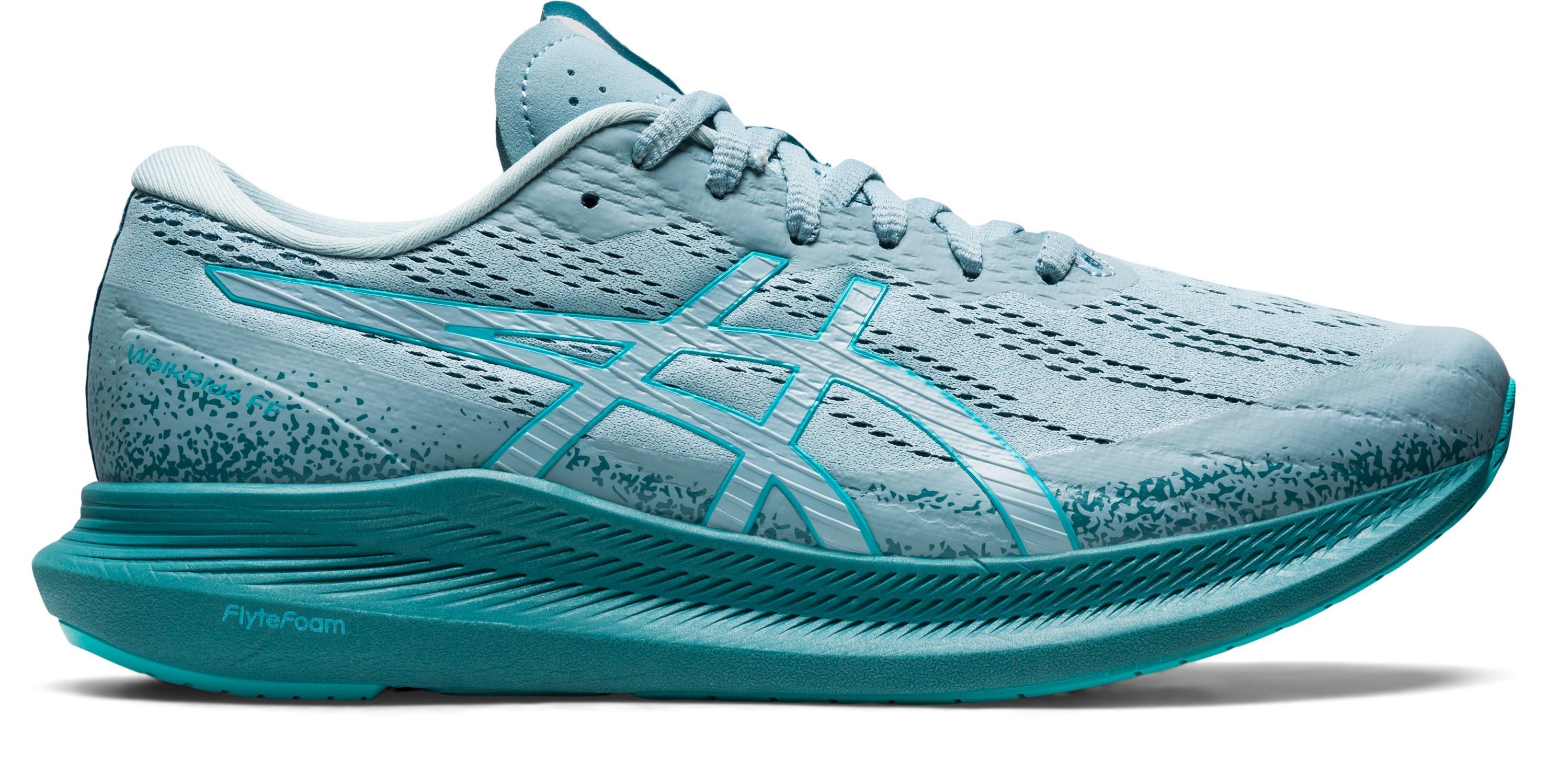
Hallmarks of a Top-Tier Podiatrist Approved Shoe
Identifying a truly supportive walking shoe goes beyond brand names. There are specific, tangible design elements that podiatrists consistently look for, which consumers can use as a checklist. First, a rigid heel counter. This is the firm cup at the back of the shoe that cradles the heel bone (calcaneus). A sturdy heel counter prevents lateral movement, stabilizing the rearfoot and providing a solid foundation for the gait cycle. You can test this by trying to squeeze the back of the shoe; it should resist collapse. Second, a sufficient toe box. The front of the shoe should be deep and wide enough to allow your toes to splay naturally without rubbing against the sides or top. This is crucial for preventing neuromas (pinched nerves) and accommodating natural foot swelling that occurs during prolonged walking. Third, a rocker sole. This design, where the sole curves upward at the toe, helps propel the foot forward and reduces strain on the Achilles tendon and plantar fascia. It mimics the natural rolling motion of an efficient gait. Finally, appropriate weight and flexibility. The shoe should be light enough not to cause fatigue but have flexibility primarily at the ball of the foot, not the arch. A shoe that bends easily in the middle often lacks the necessary arch support. These are not arbitrary features; they are the distilled wisdom of podiatric medicine, designed to work in harmony with human anatomy.
From Clinic to Pavement: Top Recommended Categories and Models
Based on aggregated recommendations from podiatrist panels, industry awards like the APMA Seal, and reviews from trusted sources such as Consumer Reports and The Walking Site, several shoe categories and specific models consistently rise to the top. For individuals with neutral arches or mild overpronation, shoes like the Brooks Ghost or ASICS GEL-Nimbus series are frequently cited. They offer a sublime blend of DNA LOFT or GEL cushioning with just enough guidance. For those requiring maximum stability and motion control, often due to significant overpronation or flat feet, the Brooks Adrenaline GTS or New Balance 1540 are workhorses, featuring extended medial posts and robust support systems. For high arches that underpronate (supinate), shoes with enhanced cushioning and a more neutral platform, like the HOKA ONE ONE Bondi or Clifton, are popular for their meta-rocker geometry and profuse shock absorption. It’s worth noting the insight from celebrity trainer and YouTube personality Harley Pasternak, who often features footwear advice from consulting podiatrists for his clients: “The right shoe isn’t about the price tag; it’s about how it addresses your unique foot structure. A podiatrist-recommended model is like having an expert with you on every walk.” This underscores the personalized nature of the choice, even within professionally endorsed ranges.
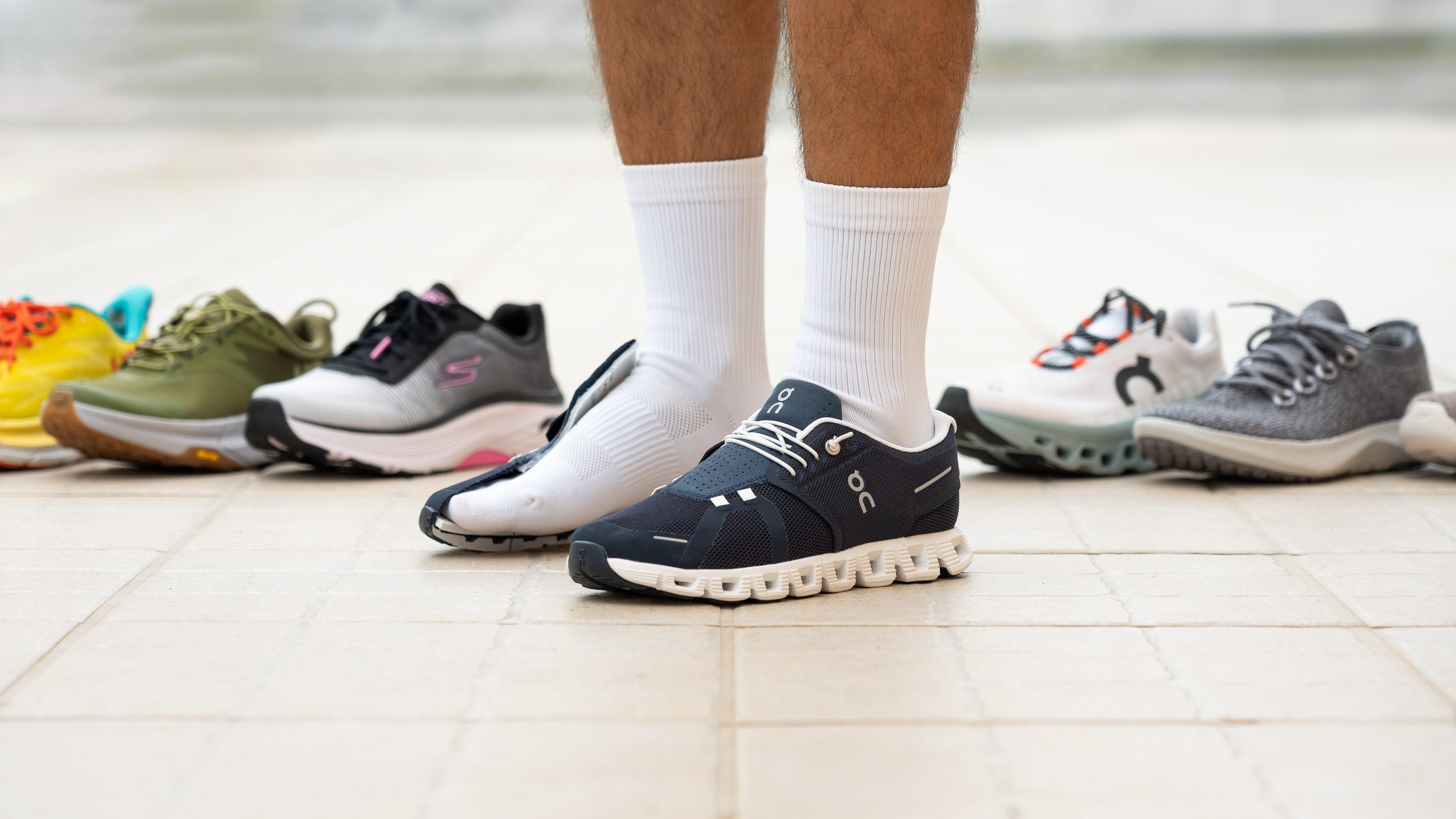
Investing in Your Foundation: Value Beyond the Price Tag
Purchasing a pair of high-quality podiatrist recommended walking shoes may represent a higher initial investment than discount store alternatives. However, this cost must be framed as a long-term investment in your health and activity. Consider the alternative: the cumulative cost of doctor visits, physical therapy, orthotics, pain medications, and lost activity due to foot pain can far exceed the price of a premium shoe. Furthermore, the value proposition is enhanced by the durability of these shoes. Constructed with higher-grade materials and better craftsmanship, they often maintain their supportive properties over more miles. To bring this professional knowledge and value directly to you, it’s advisable to shop during seasonal sales from authorized retailers, utilize price comparison tools, and consider previous-year models, which often offer the same core technology at a discounted price. The goal is to make this essential health tool accessible. Remember, your feet are your primary mode of transportation. Just as you wouldn’t use low-grade fuel in a high-performance engine, you shouldn’t compromise on the footwear that powers your movement. The right shoe is a proactive measure, a daily tool for maintaining mobility, reducing pain, and enhancing the simple, profound joy of walking without discomfort.
:max_bytes(150000):strip_icc()/favorite-walking-shoes-round-up-november-2024-458c3fc0c6844adca7c0a34ebc5cfb9b.jpg)
Your journey toward more comfortable, supported, and healthy walking begins with a single, informed choice. By prioritizing the hallmarks of podiatrist recommended walking shoes—superior arch support, balanced cushioning, a rigid heel counter, and a roomy toe box—you align your daily wear with the principles of podiatric medicine. This is not merely about buying a product; it’s about adopting a philosophy of preventative care for your feet. The evidence, from clinical studies to the lived experience of countless walkers, is clear: the right footwear is transformative. It allows you to walk farther, feel better, and engage with the world on your own terms, free from the limitations of foot pain. So, take this knowledge, assess your needs, and step confidently into a pair of shoes designed not just for walking, but for walking well, for years to come.
