

Discover the Top Podiatrist Recommended Walking Shoes for Ultimate Comfort and Support
Walking is one of the most fundamental and beneficial forms of exercise, accessible to nearly everyone. Yet, the simplicity of this activity belies the complexity of the biomechanics involved. Every step you take sends a shockwave through your feet, ankles, knees, and up into your spine. The right footwear is not merely an accessory; it is a critical piece of equipment that can mean the difference between a healthy, joyful routine and a path littered with discomfort, pain, and injury. This is where the guidance of a podiatrist—a medical specialist in foot, ankle, and lower extremity health—becomes invaluable. Podiatrist recommended walking shoes are not a marketing gimmick; they are the culmination of clinical insight into gait analysis, pressure distribution, and structural support. This article delves into the science of walking shoes, distills the wisdom from foot health experts, and presents a curated guide to footwear that genuinely prioritizes your well-being, blending professional knowledge with practical value.
The Foundation of Foot Health: Why Podiatrist Endorsement Matters
To understand the significance of a podiatrist’s recommendation, one must first appreciate the foot’s intricate architecture. Each foot contains 26 bones, 33 joints, and over 100 muscles, tendons, and ligaments. This complex structure must simultaneously provide stability, flexibility, and propulsion. A podiatrist, through years of specialized training, diagnoses and treats conditions stemming from biomechanical inefficiencies. When they recommend a shoe, they are evaluating it against a rigorous set of criteria: does it offer adequate arch support to prevent overpronation or supination? Does it have a sufficiently deep and wide toe box to allow natural toe splay and prevent issues like bunions or neuromas? Is the heel counter firm enough to stabilize the rearfoot? The American Podiatric Medical Association (APMA) grants its Seal of Acceptance to products that promote good foot health, a trusted benchmark for consumers. As Dr. Jacqueline Sutera, a renowned New York City podiatrist, often states in media interviews, “Shoes are the foundation of your body. Wearing the wrong ones is like building a house on a cracked slab.” Therefore, seeking out podiatrist recommended walking shoes is a proactive step in preventive healthcare, aligning your daily movement with the principles of anatomical alignment and injury prevention.
:max_bytes(150000):strip_icc()/podiatrist-recommended-walking-shoes-e1b90077185d4e6cadbf6327c4d17db7.jpg)
Decoding the Anatomy of an Ideal Walking Shoe
Not all athletic shoes are created equal. Running shoes, for instance, are designed for forward momentum and heel-to-toe impact, often featuring maximal cushioning. Walking shoes, however, are engineered for a different gait cycle where the heel strike is gentler, and the roll-through to toe-off is more deliberate. The ideal walking shoe, as frequently outlined in resources from institutions like the University of Pittsburgh Medical Center, possesses several non-negotiable features. First, flexibility at the forefoot: the shoe should bend easily where your foot bends, at the ball, not in the middle. Second, a supportive midsole, often made from materials like EVA (ethylene-vinyl acetate) or polyurethane, which provides cushioning and helps manage the foot’s pronation. Third, a durable yet grippy outsole for traction. Fourth, a breathable upper material to manage moisture and temperature. The importance of a proper fit cannot be overstated. Wikipedia’s entry on “Footwear” emphasizes that ill-fitting shoes are a primary cause of foot disorders. A shoe that is too tight can cause corns and ingrown toenails, while one that is too loose fails to provide necessary control, leading to friction blisters and instability. When you try on podiatrist recommended walking shoes, you are investing in a product that has been vetted for these precise anatomical and functional considerations.
Top Contenders: A Breakdown of Podiatrist-Approved Brands and Models
The market is flooded with options, but several brands consistently earn praise from foot care professionals for their commitment to biomechanical research and quality construction. Let’s explore some of the front-runners.
1. The Stability Powerhouse: Brooks Addiction Walker
Brooks is a name synonymous with serious running, but their walking shoes are equally impressive. The Addiction Walker is a staple in podiatry clinics. It features an extended progressive diagonal rollbar—a technology designed to guide the foot back to a neutral position with each step, making it ideal for those with moderate to severe overpronation. The BioMoGo DNA cushioning adapts to your stride, weight, and speed. On platforms like Quora and specialized running forums, users with plantar fasciitis and flat feet often hail this model as a “game-changer.” The shoe’s full-grain leather upper provides structure and durability. As one YouTube reviewer, a certified pedorthist, noted, “For the patient needing maximum motion control without a custom orthotic, the Brooks Addiction is often my first recommendation from the shelf.” This model exemplifies how podiatrist recommended walking shoes translate complex support concepts into wearable, reliable technology.
:max_bytes(150000):strip_icc()/shp-best-brooks-walking-shoes-tout-f67df3ab5afa4c08a24a63ae6dca3444.jpg)
2. The Cushioned Marvel: HOKA ONE ONE Bondi Series
HOKA revolutionized the market with its maximalist cushioning. The Bondi model, while popular with runners, is frequently endorsed by podiatrists for walkers dealing with joint pain, arthritis, or who are on their feet for long hours. Its signature meta-rocker geometry promotes a smooth gait cycle by encouraging a natural rolling motion from heel strike to toe-off. The thick, resilient EVA midsole absorbs a tremendous amount of impact shock. In literature from the Spaulding National Running Center, affiliated with Harvard Medical School, the benefits of rocker soles for reducing forefoot pressure are well-documented. A tweet from a sports medicine podiatrist highlighted, “For my patients recovering from foot surgery or with significant fat pad atrophy, HOKA’s cushioning is unparalleled for comfort.” The Bondi provides a plush, stable platform that makes every step feel forgiving, proving that extreme cushioning, when engineered correctly, can be both protective and stable.
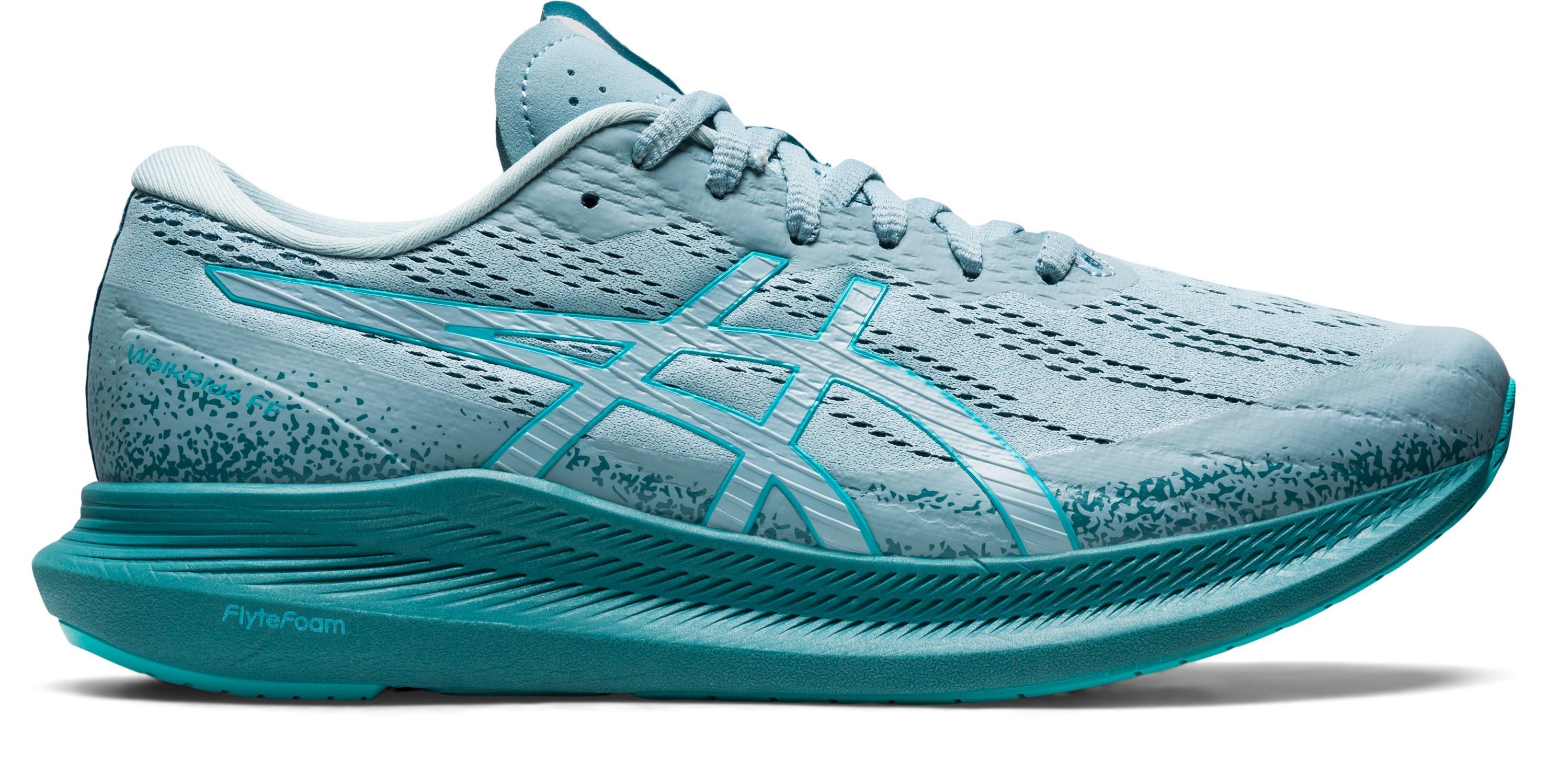
3. The Versatile Performer: ASICS Gel-Tech Walker Neo
ASICS has long incorporated gel cushioning systems into its shoes, a technology designed to attenuate shock during impact and toe-off phases. The Gel-Tech Walker Neo is a modern walking shoe that combines this proven cushioning with a lightweight, breathable mesh upper. It offers a good balance of support and flexibility, suitable for neutral walkers or those with mild overpronation. The Rearfoot and Forefoot GEL technology cushions are strategically placed to absorb shock where it’s most needed. On authoritative review sites like “Verywell Fit,” which consults with medical review boards, the ASICS Gel series is consistently rated highly for daily walking comfort. The shoe’s design philosophy aligns with the principle, often cited in kinesiology texts, of managing impact forces to prevent overuse injuries. It’s a testament to how decades of research and incremental improvements result in a reliable, podiatrist recommended walking shoe for the everyday enthusiast.
Beyond the Brand: Personalization and Professional Insight
While brand and model recommendations provide an excellent starting point, the most critical factor is how the shoe interacts with your unique feet. This is the core of podiatric advice. A podiatrist doesn’t just hand you a box; they consider your foot type (neutral, flat, high-arched), your weight, any existing conditions (like diabetes, which requires special protective footwear), and your walking environment. They might recommend pairing a quality shoe with custom orthotics for bespoke support. The viewpoint from Baidu Baike’s entry on “Orthopedic Shoes” reinforces that the combination of a well-designed shoe and a custom insole can correct biomechanical abnormalities effectively. Furthermore, the rise of in-store gait analysis at specialty running and walking stores brings a layer of this professional insight to the retail experience. Remember, the goal is not to buy the “top-rated” shoe blindly, but to find the top-rated shoe for you. This personalized approach is what truly defines the value of seeking out podiatrist recommended walking shoes.
Investing in Your Stride: Where Value Meets Wellness
High-quality, medically endorsed footwear often comes with a higher price tag, typically ranging from $120 to $180. It’s essential to reframe this not as a mere purchase, but as an investment in your long-term mobility and pain-free living. Consider the cost of physical therapy, orthotics, or treatment for conditions like plantar fasciitis or stress fractures that can arise from inadequate footwear. The return on investment is profound. To make this investment more accessible, savvy shoppers should look for previous season’s models, which often see significant discounts as new colors are released, without compromising the core technology. Major holidays and retailer anniversaries are prime times for sales. Websites of the brands themselves often have “last chance” or outlet sections. The image of a well-worn, supportive shoe is not one of decay, but of miles comfortably traveled and health proactively maintained. As the famous quote attributed to Socrates goes, “It is a shame for a man to grow old without seeing the beauty and strength of which his body is capable.” The right shoes empower you to explore that capability safely and comfortably, step after step.

Your journey toward better foot health and more enjoyable walks begins with a single, well-informed choice. The path is paved with options that have been scrutinized and validated by the very experts who dedicate their careers to understanding the foot’s complex language. By prioritizing shoes that carry the implicit or explicit endorsement of podiatric science, you are doing more than buying footwear—you are choosing a partner for your musculoskeletal health. You are selecting engineering that understands the subtleties of your stride, cushioning that respects your joints, and support that upholds your entire body’s alignment. Let this guide be your first step toward discovering the profound difference that the right pair of podiatrist recommended walking shoes can make. The road ahead is long and welcoming; ensure you walk it in comfort, confidence, and support.
