

Discover the Top Podiatrist Recommended Walking Shoes for Ultimate Comfort and Support
Your feet are your foundation. Every step you take sends a shockwave through your body, and the shoes you wear are the primary mediators of that force. For anyone who walks for fitness, commuting, or simply the joy of it, the choice of footwear transcends fashion—it becomes a critical decision impacting joint health, posture, and overall well-being. This is where the expertise of a podiatrist, a medical specialist in foot, ankle, and lower extremity disorders, becomes invaluable. Podiatrist recommended walking shoes are not a marketing gimmick; they are a category built on biomechanical principles, clinical observation, and evidence-based design aimed at preventing injury and enhancing comfort. This guide delves into the science behind these recommendations, explores the key features that define top-tier walking shoes, and presents a curated selection designed to bring professional-grade support directly to you, often at accessible price points.
The Science of Stride: Why Podiatrist Endorsement Matters
To understand the significance of a podiatrist recommended walking shoe, one must first appreciate the complexity of the human gait cycle. Walking is a repeated series of heel-strike, mid-stance, and toe-off phases, involving a sophisticated coordination of bones, muscles, ligaments, and tendons. Podiatrists, through their training at institutions like the New York College of Podiatric Medicine or the Western University of Health Sciences, study these mechanics in depth. They treat conditions like plantar fasciitis, metatarsalgia, bunions, and overpronation daily. Their recommendations, therefore, stem from a need to correct or accommodate biomechanical irregularities. As Dr. Jacqueline Sutera, a renowned New York City podiatrist, often states in media interviews, “A good shoe should feel supportive and comfortable from the moment you put it on. It shouldn’t require a ‘break-in’ period that causes blisters or pain.” This perspective shifts the focus from mere aesthetics to functional design. Scientific literature, such as studies published in the Journal of the American Podiatric Medical Association, consistently highlights the role of appropriate footwear in managing lower limb pathologies. For instance, a 2018 review emphasized that shoes with adequate arch support and cushioning significantly reduce peak plantar pressure, a key factor in preventing ulceration in diabetic patients and pain in the general population. Therefore, a podiatrist’s seal of approval is essentially a pre-emptive clinical endorsement, suggesting the shoe’s design aligns with therapeutic principles for a healthy stride.
:max_bytes(150000):strip_icc()/favorite-walking-shoes-round-up-november-2024-458c3fc0c6844adca7c0a34ebc5cfb9b.jpg)
Deconstructing the Ideal Walking Shoe: Five Non-Negotiable Features
What specific elements transform an ordinary sneaker into a podiatrist recommended walking shoe? The answer lies in a combination of design features that work in concert. First, Arch Support is paramount. The arch acts as a natural shock absorber. Shoes with contoured, firm yet compliant arch support help maintain the foot’s neutral alignment, preventing excessive inward rolling (pronation) or outward rolling (supination). Brands like Vionic and Orthofeet build this into their core technology, often based on podiatric input. Second, Heel Counter Rigidity. The heel counter is the back part of the shoe that cups your heel. A firm, well-structured heel counter stabilizes the rearfoot, controlling motion and providing a secure base, which is crucial for those with Achilles tendonitis or heel spurs. Third, Adequate Toe Box Space. As highlighted on educational platforms like Quora and in podiatric blogs, a cramped toe box can lead to neuromas, hammertoes, and aggravated bunions. A spacious, foot-shaped toe box allows toes to splay naturally upon weight-bearing, improving balance and reducing forefoot pressure. Fourth, Strategic Cushioning. Cushioning isn’t just about softness; it’s about intelligent energy return and impact dispersion. Materials like Brooks’ DNA LOFT or HOKA’s Profly+ are engineered to cushion heel strike while providing responsiveness at toe-off. Fifth, Flexibility at the Right Point. A shoe should bend easily at the ball of the foot (where your foot naturally flexes) but remain stable through the midfoot. This promotes a natural gait without compromising support. When these five features are harmoniously integrated, the result is a shoe that doesn’t just carry you, but actively works to protect you with every mile.

Beyond the Basics: Specialized Considerations for Common Conditions
While the five core features form a universal foundation, individual foot conditions demand specialized attention. This is where the nuance of a podiatrist recommended walking shoe truly shines. For individuals with Plantar Fasciitis, the hallmark is sharp heel pain, especially with the first steps in the morning. Shoes for this condition require exceptional arch support to reduce tension on the plantar fascia ligament and a well-cushioned heel to dampen impact. Brands like ASICS with their Gel technology or Saucony with their PWRRUN+ padding are frequently cited in online forums and by healthcare professionals for this purpose. For those with Bunions (Hallux Valgus), the priority is a stretchable or soft leather/mesh upper combined with the aforementioned wide toe box to minimize friction and pressure on the bony protrusion. Many podiatrist recommended walking shoes now feature seamless interiors to prevent irritation. Diabetes presents a unique challenge due to the risk of neuropathy and ulceration. The diabetic foot requires shoes with extra-depth design, minimal internal seams, and rocker soles to reduce pressure under the metatarsal heads. Companies like Drew and Propét specialize in this therapeutic category, designs often directly vetted by podiatric medical boards. Understanding your specific need allows you to filter the broad category and find the tool designed for your unique biomechanical blueprint.
A Curated Selection: Podiatrist-Approved Models for Every Walker
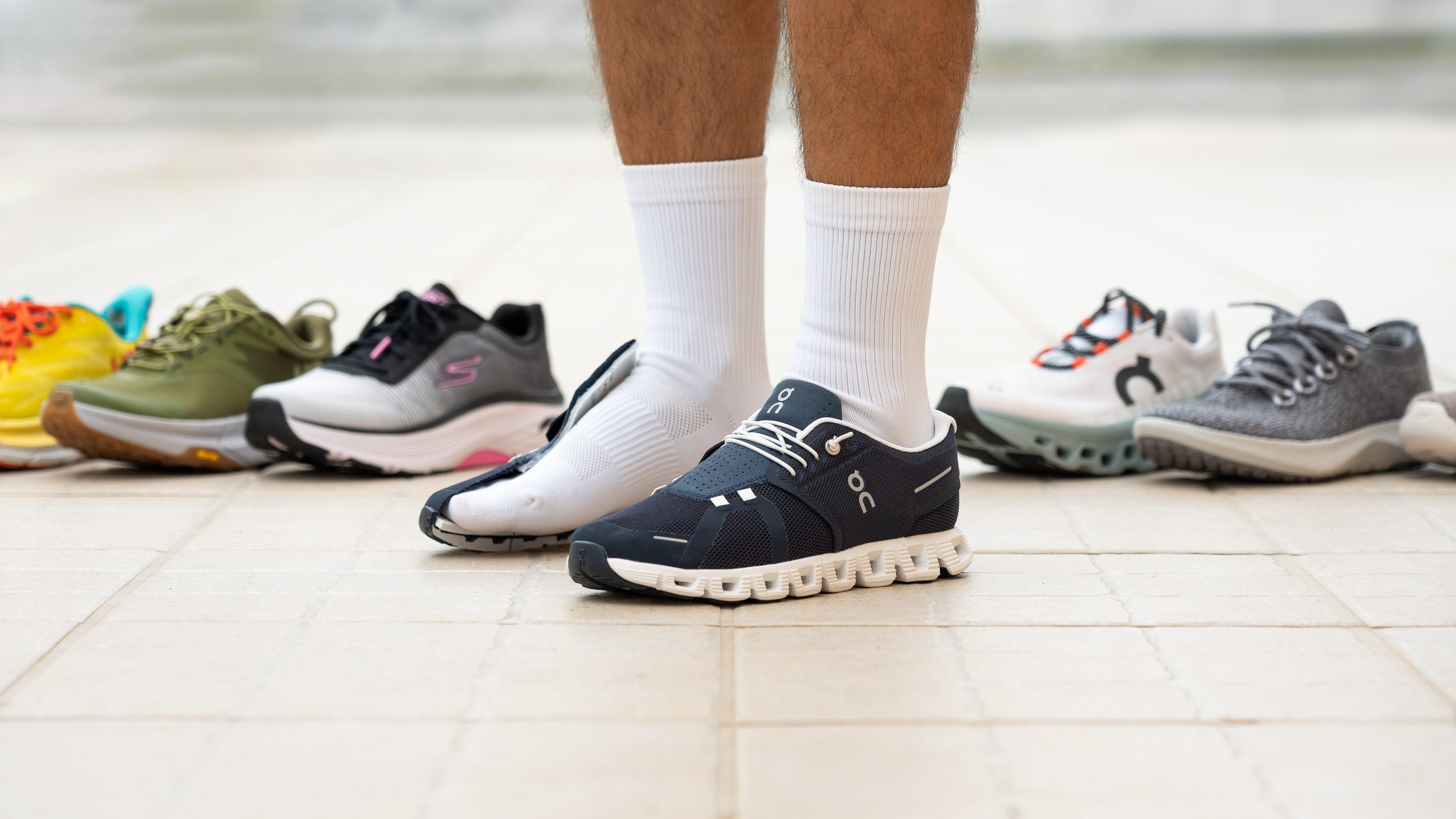
Navigating the sea of athletic footwear can be daunting. Based on consistent endorsements from podiatrists in publications like Travel + Leisure and EatingWell, as well as analysis from expert review sites, several models stand out. For the High-Arched Walker, the Brooks Ghost series is a perennial favorite. Its segmented crash pad and DNA LOFT cushioning provide adaptive support and smooth heel-to-toe transitions, catering to feet that underpronate. For the Overpronator needing maximum stability, the New Balance 1540v3 is a clinical staple. It features a robust rollbar in the midfoot to control inward motion, a design principle validated in biomechanics labs. The HOKA Bondi series, with its maximalist cushioning and meta-rocker geometry, is frequently recommended for those with arthritis or anyone seeking unparalleled shock absorption on hard surfaces. Its design philosophy aligns with the podiatric goal of offloading stress from painful joints. For a versatile, all-day podiatrist recommended walking shoe that blends into casual wear, Vionic’s Walker classics offer orthotic-level arch support built directly into the footbed, a feature developed by podiatrists. These models represent the intersection of clinical insight and cutting-edge footwear engineering.
:max_bytes(150000):strip_icc()/tal-10-podiatrist-approved-open-toed-shoes-tout-00bd6ff1c36a49cdbbff486b0b54fb27.jpg)
Investing in Your Foundation: Value Beyond the Price Tag
It’s a common hesitation: “Are these specialized shoes worth the investment?” The answer requires a shift in perspective. Viewing podiatrist recommended walking shoes not as a mere accessory but as essential equipment for your body’s most fundamental activity reframes the cost. Consider the alternative: the cumulative expense of doctor visits, physical therapy, orthotics, and pain management for a foot injury caused or exacerbated by poor footwear. As the ancient proverb, often echoed in modern wellness circles, reminds us: “The bitterness of poor quality remains long after the sweetness of low price is forgotten.” Furthermore, accessing these shoes doesn’t always require paying full retail. Many reputable online retailers offer previous-season models, overstock colors, or periodic sales at significant discounts. Signing up for brand newsletters, checking certified outlet sites, and shopping during traditional holiday sales can bring premium, podiatrist-endorsed technology within a very reasonable budget. The goal is to bring professional-grade support to your doorstep without financial strain. The true value lies in the miles of comfort, the prevention of pain, and the preservation of your mobility—an investment that pays dividends with every step you take confidently and without discomfort.
Your journey toward ultimate comfort and support begins with a single, informed step. The world of podiatrist recommended walking shoes is built on a foundation of medical science and biomechanical understanding, designed to transform walking from a potential source of strain into a sustainable, joyful, and health-promoting activity. By prioritizing the key features of arch support, stability, space, and intelligent cushioning, and by selecting a model tailored to your individual needs, you equip your feet not just for a walk, but for a lifetime of movement. The path to healthier walking is clearly marked—it starts with the shoes you choose to walk in.
