

Discover the Best Podiatrist Recommended Walking Shoes for All-Day Comfort
Your feet are your foundation, and the shoes you choose can either support or sabotage your daily movement. For anyone who spends significant time on their feet—whether navigating city streets, exploring nature trails, or managing the demands of a busy workday—the quest for true comfort is paramount. This isn’t merely about avoiding blisters; it’s about investing in long-term foot health, proper biomechanics, and sustained energy. The market is flooded with options, but the most reliable guidance often comes from the professionals who treat foot ailments daily: podiatrists. This article delves into the science and specifications behind podiatrist recommended walking shoes, moving beyond marketing claims to explore the objective features that deliver all-day comfort. We will dissect the critical elements of design, from arch support to midsole technology, and connect these features to the physiological needs of your feet, drawing on insights from biomechanical research, professional podiatric advice, and real-world testing. By the end, you’ll possess a clear framework for selecting footwear that doesn’t just feel good in the store but actively contributes to your well-being with every step you take.
The Foundation of Foot Health: Why Podiatrist Guidance Matters
To understand the value of a podiatrist recommended walking shoe, one must first appreciate the complex engineering of the human foot. Each foot contains 26 bones, 33 joints, and over 100 muscles, tendons, and ligaments, all working in concert to provide balance, propulsion, and shock absorption. Podiatrists, as doctors of podiatric medicine, specialize in diagnosing and treating conditions of the foot, ankle, and related structures of the leg. Their recommendations are rooted in preventing and alleviating common issues such as plantar fasciitis, metatarsalgia, bunions, and overpronation. As noted by the American Podiatric Medical Association (APMA), footwear that earns their Seal of Acceptance has been evaluated by a committee of podiatrists and found to promote good foot health. The criteria are rigorous, focusing on stability, motion control, and adequate support. This professional endorsement is more than a sticker; it’s a testament to a shoe’s design integrity. For instance, a study published in the Journal of Foot and Ankle Research often highlights the correlation between improper footwear and musculoskeletal pain, reinforcing the need for scientifically informed choices. When you choose a shoe vetted by these experts, you’re not just buying a product; you’re adopting a preventative health strategy. The goal is alignment—ensuring that the shoe complements the foot’s natural mechanics rather than forcing it into an unnatural position, which is a common culprit behind chronic discomfort and injury.
Decoding the Anatomy of an Ideal Walking Shoe
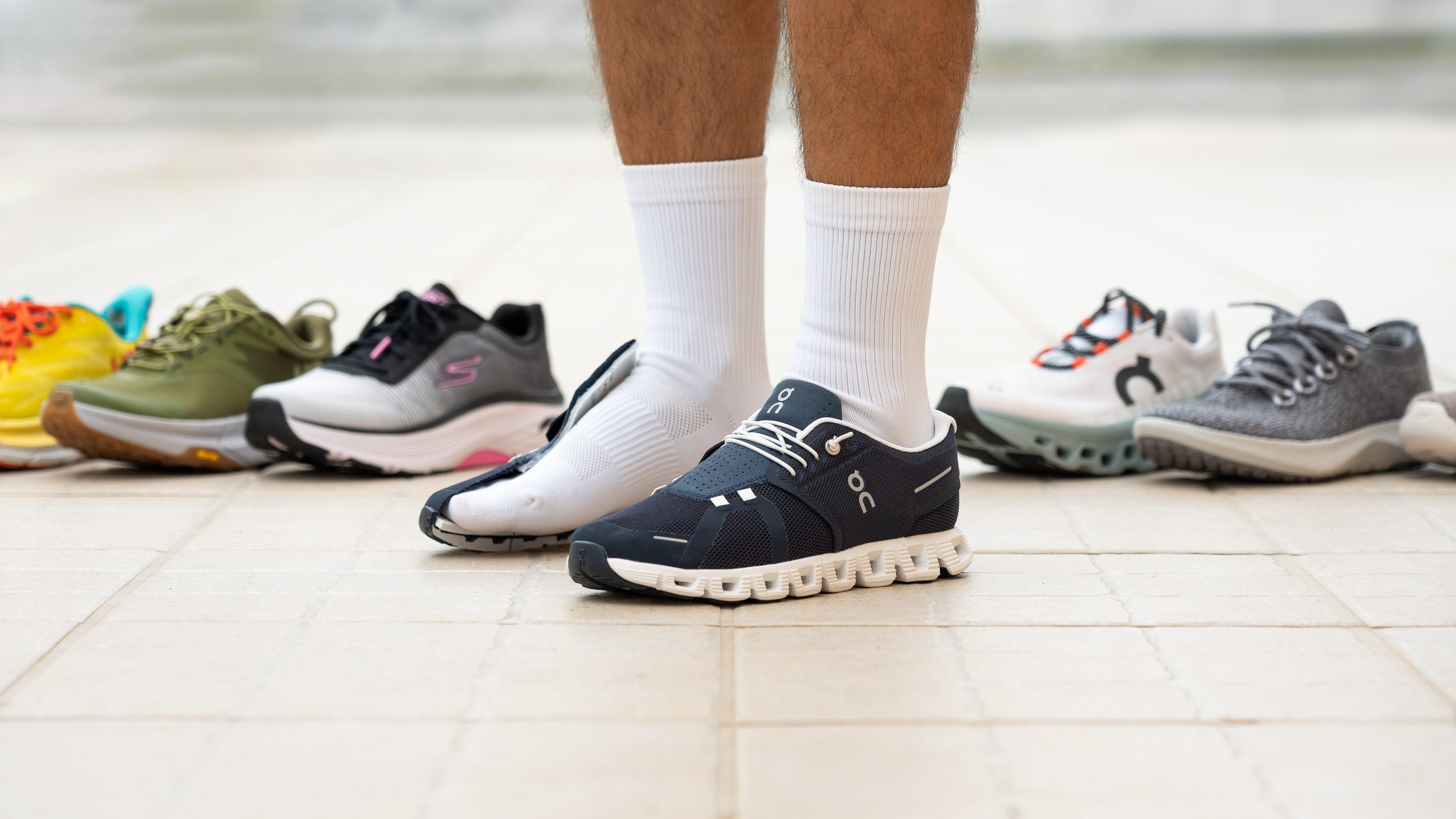
What specific elements transform an ordinary sneaker into a podiatrist recommended walking shoe? The distinction lies in a synergy of components, each serving a precise function. First, consider the heel counter. This is the firm cup at the back of the shoe that cradles the heel. A sturdy, well-padded heel counter is non-negotiable; it prevents excessive heel movement, stabilizes the rearfoot, and is fundamental in controlling overpronation (the inward rolling of the foot). Next is the arch support. Contrary to popular belief, “support” does not mean a hard, unyielding wedge. Effective arch support conforms to the individual’s arch height—whether low, neutral, or high—providing a dynamic platform that sustains the medial longitudinal arch throughout the gait cycle. This reduces strain on the plantar fascia, the band of tissue running along the bottom of the foot. The midsole is the engine room of comfort. Materials like ethylene-vinyl acetate (EVA) or polyurethane provide cushioning, but advanced proprietary foams like Brooks’ DNA LOFT or ASICS’ FlyteFoam offer superior resilience and energy return. These materials are often discussed in biomechanics literature for their ability to attenuate ground reaction forces—essentially, softening the impact of each step on your joints. Finally, the toe box must be wide and deep enough to allow toes to splay naturally without constriction, a point famously emphasized by biomechanist Katy Bowman in her book “Whole Body Barefoot,” where she argues for footwear that respects the foot’s natural shape. A proper toe box prevents issues like neuromas and hammertoes. Together, these features create a system where protection and propulsion are balanced, making all-day walking not just possible but pleasurable.
:max_bytes(150000):strip_icc()/shp-best-brooks-walking-shoes-tout-f67df3ab5afa4c08a24a63ae6dca3444.jpg)
Beyond Cushioning: The Critical Role of Stability and Motion Control
While plush cushioning is often the most marketed feature, podiatrists frequently stress that stability is equally, if not more, important for long-term comfort. A shoe can be incredibly soft yet fail miserably at providing the guidance your foot needs during its complex rolling motion from heel strike to toe-off. Stability features are designed for individuals whose feet pronate excessively. This is where technologies like medial posts (firmer foam on the inner side of the midsole) or guide rails (as seen in some Hoka models) come into play. These elements act as subtle barriers, preventing the ankle and arch from collapsing inward too far. Dr. Jacqueline Sutera, a prominent New York City podiatrist, has often stated in interviews that “a stable shoe helps to distribute pressure evenly across the foot,” which is crucial for preventing hot spots and fatigue. The concept is supported by principles from sports medicine, which note that uncontrolled pronation can lead to a chain reaction of issues up the kinetic chain, affecting knees, hips, and even the lower back. Therefore, a true podiatrist recommended walking shoe offers a balanced package: cushioning that absorbs shock without being mushy, and stability features that guide without being rigid. It’s about creating a partnership between foot and footwear, where the shoe provides a corrective or supportive influence only where necessary, allowing the foot’s natural muscles to engage and strengthen appropriately. This nuanced approach to design is what separates professional-grade walking shoes from generic athletic footwear.
Putting Theory into Practice: Categories for Different Needs
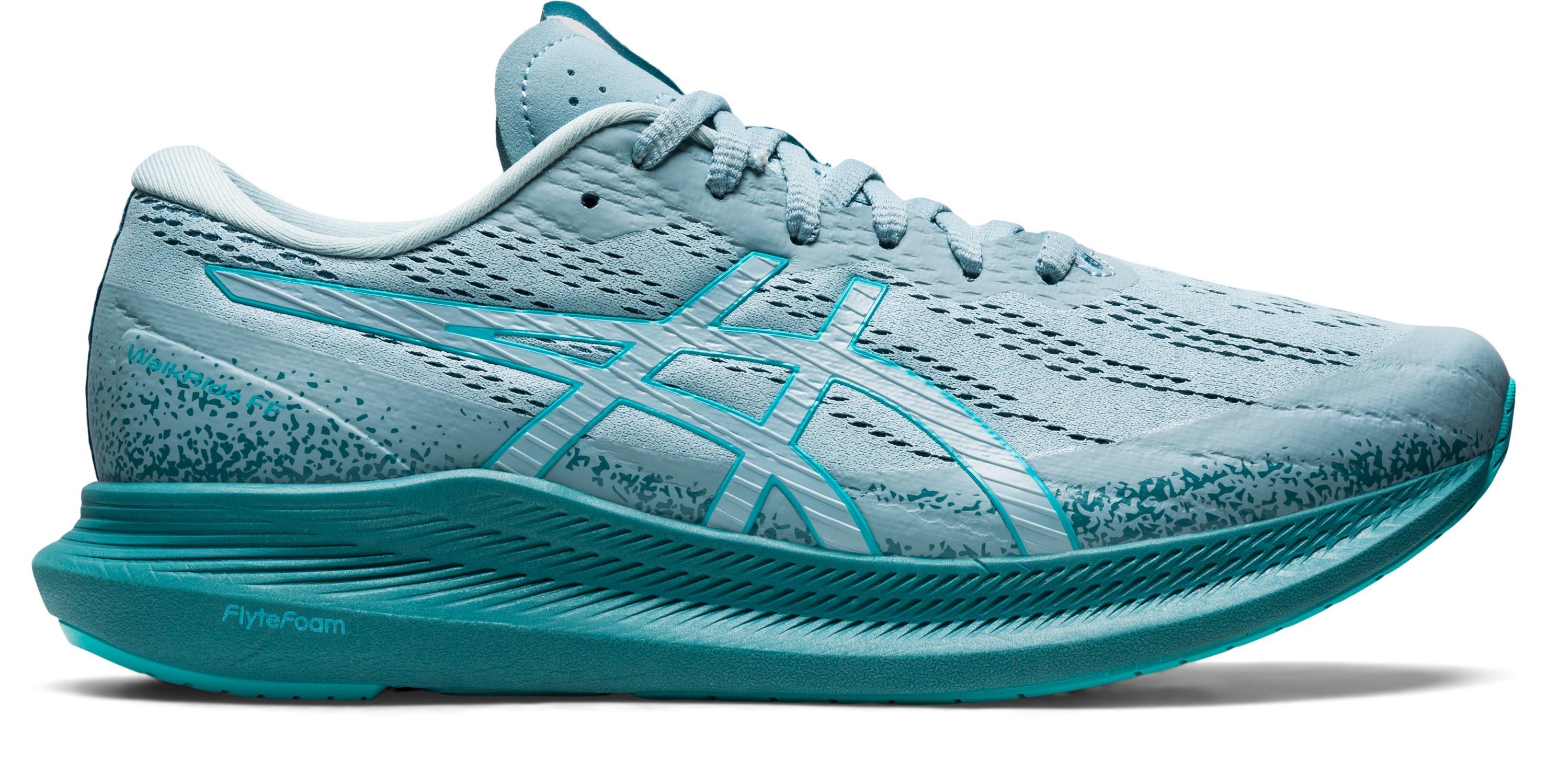
Not all feet are created equal, and therefore, not all podiatrist recommended walking shoes serve the same purpose. The ideal model for you depends on your foot type, gait pattern, and specific activities. Broadly, we can categorize them into three groups. First, Neutral Cushioned Shoes are designed for walkers with a neutral gait or those who underpronate (supinate). These shoes prioritize soft, resilient cushioning throughout the midsole to compensate for the foot’s reduced natural shock absorption. Brands like ASICS with their GEL-Nimbus line or New Balance’s Fresh Foam series excel here. Second, Stability Shoes are the workhorses for the majority, particularly those with mild to moderate overpronation. They feature the dual-density midsoles and supportive structures mentioned earlier. The Brooks Adrenaline GTS is a perennial favorite in this category, often cited by podiatrists for its reliable support. Third, Motion Control Shoes are built for severe overpronators or individuals with flat feet. They are typically heavier, with very firm medial posts and extended heel counters to maximally limit inward roll. Understanding your category is the first step. Many specialty running stores offer gait analysis, which can be an invaluable tool. Remember, the most expensive shoe is not necessarily the best; the correct shoe is the one that addresses your unique biomechanical profile.
Investing in Wellness: The Long-Term Value of Quality Footwear
It’s easy to view high-quality walking shoes as a significant expense, but from a podiatric and economic perspective, they are a profound investment in preventative healthcare. Consider the cost of treating a single case of plantar fasciitis: physical therapy sessions, orthotic devices, pain medications, and potential lost productivity. This can easily surpass the price of several pairs of premium shoes. A well-constructed podiatrist recommended walking shoe acts as a daily orthotic, providing consistent support that can delay or prevent the onset of such conditions. The value extends beyond mere pathology. Proper footwear enhances efficiency. When your feet are comfortable and well-supported, your gait is more economical. You expend less energy combating instability or absorbing shock, which translates to less fatigue during long days on your feet. This principle is echoed in the world of professional standing, from nurses to retail workers, where studies have shown a direct link between appropriate footwear and reduced reports of lower limb discomfort. Furthermore, the durability of materials in higher-tier shoes often means they outlast cheaper alternatives by hundreds of miles, offering better cost-per-wear. When you factor in the intangible benefits—the joy of a pain-free walk, the ability to explore further, the preservation of joint health—the investment becomes not just logical, but essential for an active, vibrant life.
Finding Value: Professional Knowledge Meets Accessible Prices
Armed with this knowledge, how does one acquire these essential shoes without breaking the bank? The key is strategic shopping. First, prioritize fit over fashion. Get professionally fitted at the end of the day when your feet are at their largest. Second, look for previous models. Shoe companies release new versions annually, and the updates are often minor. The prior year’s model, which carries the same core podiatric technology, is frequently discounted by 30-50%. Third, consider reputable online retailers that specialize in athletic footwear, as they often have seasonal sales and clearance sections. Fourth, don’t overlook the potential of quality orthotic insoles. If you find a shoe with a perfect fit and good structure but desire more personalized arch support, a removable insole from a brand like Superfeet or Powerstep can elevate a good shoe to a great one. This approach allows you to leverage professional podiatric insights—understanding the need for a secure heel counter, adequate toe box, and appropriate stability—while making financially smart decisions. The goal is to bring this crucial professional knowledge on podiatrist recommended walking shoes to your doorstep at a accessible price point, ensuring that optimal foot health is not a luxury, but a standard part of your daily life.
:max_bytes(150000):strip_icc()/tal-roundup-podiatrist-loved-shoes-on-sale-tout-bdbf5721fa5642efa38b61f6a5b4ff34.jpg)
Your journey toward all-day comfort begins with a single, informed step. The pursuit of the perfect walking shoe is not a trivial matter of aesthetics but a critical decision impacting your musculoskeletal health and daily vitality. By focusing on the principles endorsed by podiatric science—prioritizing structured support, tailored stability, and respectful anatomical design—you move beyond guesswork. You learn to identify the features that truly matter: the secure heel, the supportive arch, the resilient midsole, and the roomy toe box. These are the hallmarks of podiatrist recommended walking shoes. This knowledge empowers you to navigate sales, evaluate new models, and ultimately select footwear that serves as a true partner in movement. When your shoes are engineered to complement your body’s mechanics, walking transforms from a potential source of strain into a sustained, comfortable, and health-promoting activity. Let your next step be your most supported one.
