

Discover the Best Podiatrist Recommended Walking Shoes for All-Day Comfort
Your feet are your foundation, carrying you through thousands of steps each day. Yet, so often, they are an afterthought, crammed into footwear chosen for style over substance, leading to a cascade of discomfort that can ripple up through your entire body. The quest for all-day comfort isn’t about luxury; it’s a physiological necessity. This is where the expertise of podiatry becomes invaluable. Moving beyond marketing buzzwords, podiatrist recommended walking shoes are engineered based on an understanding of biomechanics, gait cycles, and foot pathology. They are not merely soft; they are intelligently supportive, designed to work in harmony with your body’s mechanics to prevent pain and fatigue. This guide delves into the science of what makes a walking shoe truly exceptional, drawing from medical principles, expert opinions, and objective analysis to help you make an informed choice that your feet will thank you for mile after mile.
The Science of Stride: Why Your Shoes Matter More Than You Think
Walking is a complex, coordinated series of movements known as the gait cycle. It involves the precise timing of muscles, tendons, and bones from your feet to your spine. According to biomechanics literature from institutions like the University of Delaware’s Gait Analysis Laboratory, improper footwear can disrupt this delicate cycle. A shoe that lacks adequate arch support, for instance, can lead to overpronation—where the foot rolls inward excessively—placing undue stress on the plantar fascia, the ligament running along the bottom of the foot. This is a primary contributor to plantar fasciitis, a common and painful condition. Conversely, a shoe that is too rigid can limit natural foot flexion, forcing muscles to work harder and leading to early fatigue. Podiatrist recommended walking shoes are developed with these cycles in mind. They provide stability where needed (like the heel counter) and flexibility where required (like the forefoot), creating a balanced platform. As noted on authoritative health platforms like WebMD and the American Podiatric Medical Association’s public resources, consistent wear of supportive shoes is a frontline strategy for both treating and preventing common foot ailments. The right shoe acts as a functional orthotic, guiding the foot into a healthier pattern of movement with every step you take.

Decoding the Anatomy of a Superior Walking Shoe
To understand what sets a podiatrist-approved shoe apart, we must dissect its key components. First, the midsole is the heart of the shoe. This is where cushioning and support technologies reside. Materials like EVA (ethylene-vinyl acetate) foam or advanced polymers like Brooks’ DNA LOFT or ASICS’ GEL provide shock absorption. However, cushioning alone is not enough. The midsole must also have appropriate arch support that matches your foot type—neutral, low-arch, or high-arch. This support maintains the foot’s natural alignment. Second, the heel counter is the firm cup at the back of the shoe. A sturdy, well-padded heel counter stabilizes the rearfoot, preventing excessive side-to-side motion that can lead to Achilles tendonitis or ankle sprains. Third, consider the toe box. It should be deep and wide enough to allow your toes to splay naturally upon foot strike, without constriction. As highlighted in many podiatric Q&A forums and by shoe-fit experts, cramped toe boxes are a leading cause of bunions and neuromas. Finally, the outsole needs durable, flexible rubber with a tread pattern that offers reliable traction. Each of these elements must work in concert. A shoe might have a luxurious upper, but if its midsole is collapsed or its heel counter is flimsy, it fails as a true podiatrist recommended walking shoe.
Navigating Foot Types and Gait Patterns: A Personal Guide
Your choice in footwear must be as individual as your fingerprint. The most critical step is identifying your foot type and gait. You can perform a simple “wet test” at home: wet your foot and step onto a piece of cardboard. Examine the imprint. A full, wide imprint suggests a low arch (overpronator), a curved imprint with a narrow band connecting heel and forefoot indicates a high arch (underpronator or supinator), and a balanced imprint shows a neutral arch. This self-assessment, often recommended by running and walking clinics affiliated with universities, is a starting point. Overpronators benefit from shoes labeled “stability” or “motion control,” which feature denser foam on the inner side of the midsole to curb excessive inward roll. Supinators need highly cushioned, neutral shoes with ample flexibility to aid in shock absorption. For neutral arches, a well-cushioned “neutral” shoe is typically ideal. Renowned podiatrist Dr. Jacqueline Sutera, in interviews with publications like Prevention magazine, consistently emphasizes that matching the shoe to the foot’s mechanics is non-negotiable for comfort and injury prevention. Ignoring this is like putting the wrong grade of fuel in a high-performance engine; it will run, but not well, and not for long.
Beyond the Brand: Evidence-Based Features to Demand
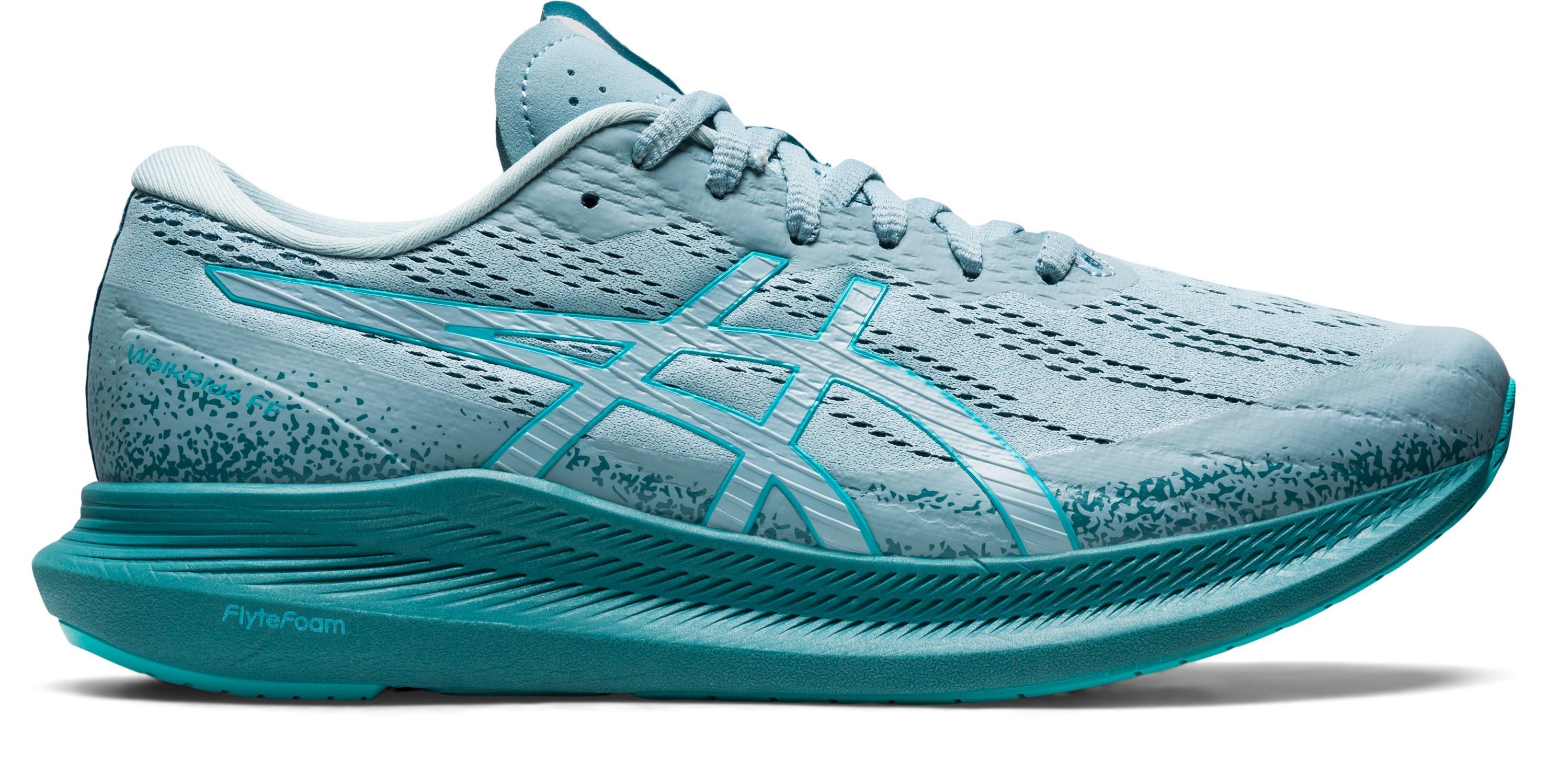
In a market saturated with claims, it’s essential to focus on verified features rather than just logos. Look for shoes that have earned the APMA (American Podiatric Medical Association) Seal of Acceptance. This seal signifies that a committee of podiatrists has evaluated the shoe and found it promotes good foot health. Another evidence-based feature is a rocker sole. This design, with a curved heel and toe, facilitates a smoother roll-through from heel strike to toe-off, reducing strain on the plantar fascia and Achilles tendon. It’s a technology frequently prescribed for patients with arthritis or plantar fasciitis. Furthermore, consider seamless interiors or soft, padded linings. These minimize friction and hotspots that can lead to blisters, a crucial consideration for those with diabetic neuropathy or sensitive skin. The value of these features is not anecdotal. Research cited in journals like the Journal of Foot and Ankle Research supports the biomechanical benefits of rocker soles, while diabetic care guidelines universally recommend seamless construction to prevent ulceration. When you prioritize these evidence-backed elements, you move from buying a generic “comfort shoe” to investing in a verified tool for foot health—a true embodiment of podiatrist recommended walking shoes.
Voices of Authority: What the Experts Are Saying
It’s one thing to list features; it’s another to hear why they matter from those who treat feet for a living. Dr. Miguel Cunha, founder of Gotham Footcare in New York City, often shares his insights on social media and health blogs. He states,
“A common mistake is equating a soft, marshmallow-like feel with proper support. What the foot often needs is structured stability to control motion, not just a plush landing pad. The best walking shoes provide a balance of cushioning and control.”
Similarly, on platforms like Quora and in YouTube interviews, sports medicine specialists from institutions like the Hospital for Special Surgery frequently point to adequate “toe spring” (the upward curve at the front of the shoe) and a rigid shank (the supportive piece between the heel and forefoot) as hallmarks of a shoe that will reduce fatigue during prolonged standing or walking. These professional perspectives cut through the marketing noise, directing us toward functional design over fleeting trends. They reinforce that the goal is not just to feel comfortable initially, but to remain comfortable and injury-free after hours of use, which is the definitive mark of a well-designed, podiatrist recommended walking shoe.

Investment in Wellness: Balancing Quality and Value
High-quality, biomechanically sound footwear is an investment in your long-term mobility and wellness. While the initial price tag for top-tier brands like Brooks, ASICS, New Balance (in specific models), and HOKA may be higher, the cost-per-wear and the potential savings in avoided medical bills make them profoundly valuable. Think of them as preventive healthcare. The good news is that value does not always mean paying full retail. To bring this professional knowledge to you at an accessible point, consider these strategies: shop during seasonal sales (model year-end clearances are excellent), check official brand outlets online, and subscribe to newsletters from reputable running/walking specialty stores for exclusive discounts. Remember, the most expensive shoe is not necessarily the best for your foot. The goal is to find the shoe that correctly addresses your biomechanical needs. Sometimes, a reliably constructed model from the previous season, available at a discounted price, offers identical core technology and support as the latest version. Prioritizing the essential features discussed—a supportive midsole, secure heel counter, and roomy toe box—over superficial aesthetics is the key to finding true value in the realm of podiatrist recommended walking shoes.
Your journey toward all-day comfort begins with a single, well-supported step. It requires shifting perspective, seeing shoes not as mere accessories but as essential equipment for the demanding physical activity of daily life. By understanding the science of your stride, recognizing your unique foot architecture, demanding evidence-based features, and heeding the counsel of foot health experts, you empower yourself to make a transformative choice. The right pair of shoes can silence the nagging ache at the end of the day, unlock newfound energy for your activities, and provide the stable foundation upon which a more active, vibrant life is built. Let this knowledge guide you to the footwear that doesn’t just carry you, but truly supports you, from your first morning step to your last.
:max_bytes(150000):strip_icc()/I-Asked-Podiatrists-for-Their-Fall-Shoe-Recommendations-These-Are-Their-Top-8-Picks-8fbdf9d65f3a4228ae63f6e5253dc08c.jpg)
