

Discover the Best Podiatrist Recommended Walking Shoes for All-Day Comfort
Your feet are your foundation, and the shoes you choose can either support or sabotage your daily comfort and long-term health. For anyone who spends significant time on their feet—whether navigating city streets, exploring nature trails, or simply managing a busy daily routine—the quest for the perfect walking shoe is paramount. This isn’t merely about fashion or fleeting trends; it’s about biomechanical alignment, pressure distribution, and injury prevention. The guidance of podiatrists, medical specialists in foot and ankle health, becomes invaluable. They don’t just treat problems; they prescribe prevention, and the right footwear is a cornerstone of their advice. This article delves into the science and selection criteria behind podiatrist recommended walking shoes, moving beyond marketing claims to uncover what truly makes a shoe worthy of all-day comfort. We’ll explore the anatomical principles, dissect key features, and examine specific models that consistently earn professional endorsements, empowering you to make an informed choice that your feet will thank you for.
The Foundation of Foot Health: Why Podiatrist Guidance Matters
To understand the value of a podiatrist recommended walking shoe, one must first appreciate the complex engineering of the human foot. Comprising 26 bones, 33 joints, and over 100 muscles, tendons, and ligaments, the foot is a marvel of biomechanics. Its primary functions—shock absorption, propulsion, and adaptation to uneven terrain—are easily compromised by improper footwear. Podiatrists, like Dr. Jacqueline Sutera, a New York-based doctor of podiatric medicine and a spokesperson for the American Podiatric Medical Association (APMA), often emphasize that shoes act as an external exoskeleton for our feet. In an interview with Travel + Leisure, she noted, “Many common foot ailments, from plantar fasciitis and bunions to neuromas and Achilles tendonitis, are exacerbated or even caused by shoes that fail to provide adequate arch support, cushioning, or a proper fit.” The APMA itself grants its Seal of Acceptance to products that promote good foot health, a significant credential for any walking shoe. This professional perspective shifts the focus from superficial aesthetics to functional design. A podiatrist evaluates a shoe based on its ability to maintain the foot’s natural alignment from heel strike to toe-off, to distribute weight evenly across the plantar surface, and to offer stability without restricting necessary motion. Therefore, a shoe bearing the imprimatur of podiatric recommendation has been scrutinized for its potential to support, not strain, this intricate anatomical system, making it a critical tool for proactive foot care and sustained comfort during prolonged wear.
:max_bytes(150000):strip_icc()/tal-roundup-podiatrist-loved-shoes-on-sale-tout-bdbf5721fa5642efa38b61f6a5b4ff34.jpg)
Deconstructing the Ideal Walking Shoe: Five Non-Negotiable Features
What specific elements transform an ordinary sneaker into a podiatrist recommended walking shoe? The consensus among foot health experts coalesces around several core features, each serving a distinct physiological purpose. First, ample toe box space is paramount. As highlighted in resources from Harvard Medical School’s health publications, cramped toe boxes can lead to deformities like hammertoes and aggravate bunions. A shoe should allow your toes to splay naturally with each step, which improves balance and propulsion. Second, targeted arch support is not a one-size-fits-all proposition. Podiatrists categorize arches as neutral, low (flat feet), or high. Proper support aligns the arch, preventing overpronation (excessive inward roll) or supination (outward roll), which can cause a cascade of issues up the kinetic chain to the knees, hips, and back. Third, strategic cushioning is about quality, not just quantity. Modern materials like memory foam, EVA (ethylene-vinyl acetate), and proprietary gels (e.g., ASICS GEL or Brooks DNA LOFT) are engineered to absorb impact at the heel and forefoot, the primary points of contact. However, as noted by biomechanics researchers, cushioning must be balanced with responsiveness; a shoe that is too soft can destabilize the foot. Fourth, a stable heel counter—the firm cup at the back of the shoe—is crucial for rearfoot control. A study cited in the Journal of Foot and Ankle Research underscores its role in limiting excessive heel movement, thereby enhancing stability and reducing the risk of ankle sprains. Finally, a flexible yet supportive sole that bends at the ball of the foot, not the midfoot, facilitates the natural gait cycle. When these five elements are harmoniously integrated, the shoe ceases to be a mere covering and becomes a therapeutic device, a hallmark of truly podiatrist recommended walking shoes designed for enduring comfort.
Beyond the Basics: Materials, Breathability, and Fit Philosophy
While structural features form the skeleton of a great walking shoe, the materials and fit philosophy give it life for all-day wear. Breathable uppers, often constructed from engineered mesh, are essential for temperature and moisture management. As noted on authoritative health platforms like WebMD, a damp environment inside a shoe is a breeding ground for fungal infections like athlete’s foot and can lead to blistering. Furthermore, the choice of insole material is critical. Many podiatrist recommended walking shoes come with removable insoles, a feature praised by professionals like Dr. Megan Leahy on EatingWell. This allows for customization; individuals can replace the stock insole with a custom orthotic or an over-the-counter support device prescribed by their podiatrist to address specific biomechanical needs. The philosophy of fit extends beyond length. Podiatrists advocate for a “thumb’s width” of space between the longest toe and the shoe’s end, and they stress the importance of fitting shoes in the afternoon or evening when feet are naturally slightly swollen. The width must accommodate the foot’s girth without pinching, particularly across the metatarsal heads. This comprehensive approach to materials and fit ensures the shoe adapts to the foot’s dynamic needs throughout the day, preventing hotspots, reducing fatigue, and maintaining a healthy pedal environment. It’s this meticulous attention to detail that separates generic footwear from those that earn consistent professional recommendations for sustained, all-day comfort.
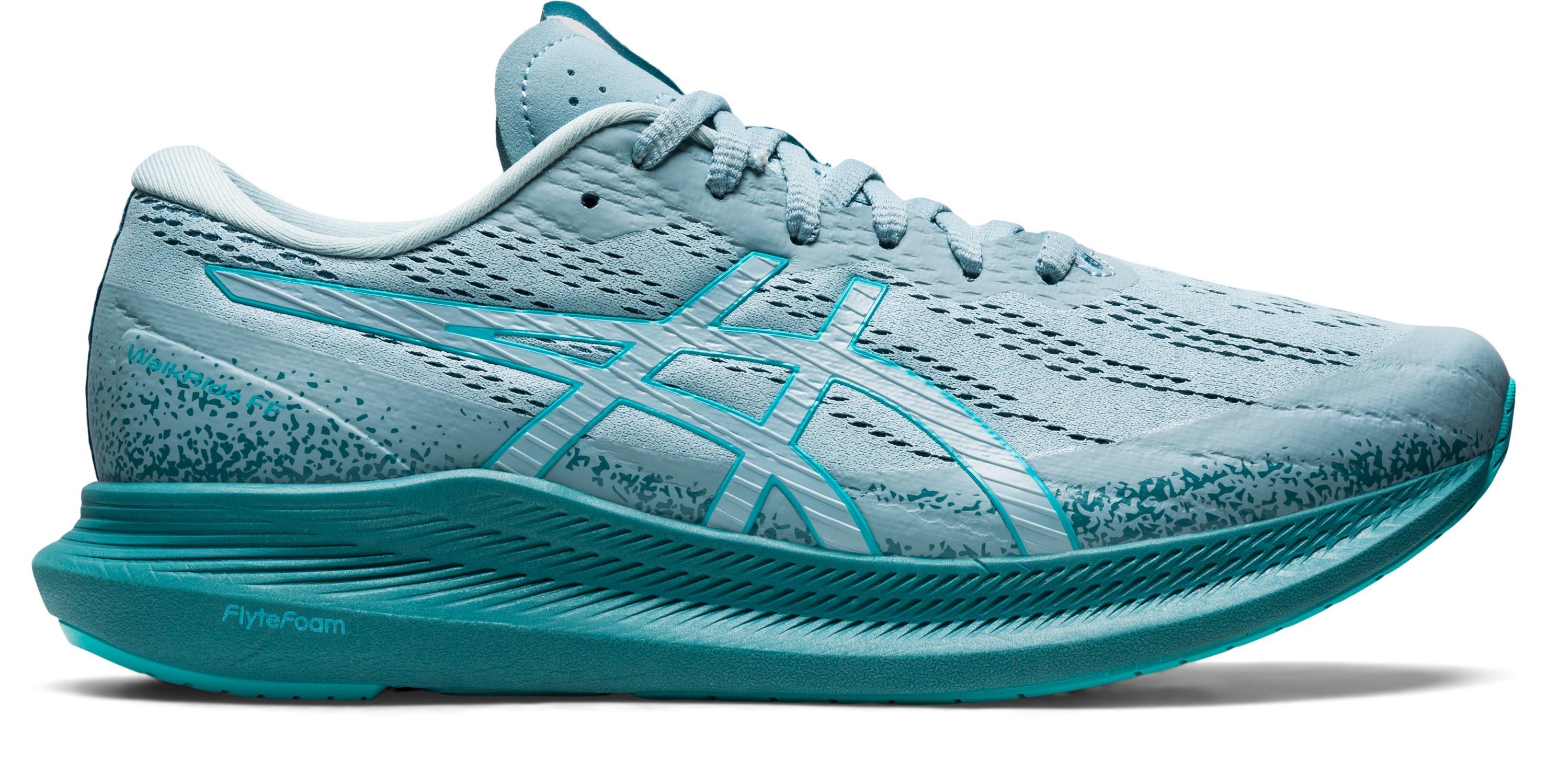
Spotlight on Endorsed Excellence: Brands and Models That Podiatrists Trust
Several brands have consistently demonstrated a commitment to foot health science, earning them frequent mentions in podiatric circles. It’s important to note that the “best” shoe is highly individual, but these brands and specific models serve as excellent starting points due to their adherence to the principles outlined above. Brooks, for instance, is renowned for its catered approach to gait. The Brooks Addiction Walker, often bearing the APMA Seal, is a staple recommendation for those requiring maximum stability and motion control, thanks to its extended diagonal rollbar. Conversely, the Brooks Ghost series, celebrated for its balanced cushioning, is frequently cited by experts like those quoted in Shape magazine for neutral walkers seeking soft, reliable comfort. ASICS, with its focus on impact absorption, features technologies like GEL cushioning in models such as the ASICS Gel-Nimbus or GT-2000 series. These are often highlighted for their ability to mitigate joint stress, a key concern for walkers on hard surfaces. New Balance earns praise for its extensive range of widths, a simple yet profoundly important feature that ensures a truly anatomical fit, which is a core tenet of podiatric advice. HOKA ONE ONE, though initially popular in running, has gained significant podiatrist favor for walking due to its meta-rocker geometry. This design promotes a smooth heel-to-toe transition, reducing strain on the Achilles and calf—a benefit specifically mentioned by sports medicine podiatrists in various online Q&A forums. Finally, Dansko and Vionic are frequently endorsed for their built-in orthotic-like arch support, with Vionic’s designs being grounded in decades of biomechanical research. Exploring these brands provides a curated path toward finding your ideal pair of podiatrist recommended walking shoes.
:max_bytes(150000):strip_icc()/shp-best-brooks-walking-shoes-tout-f67df3ab5afa4c08a24a63ae6dca3444.jpg)
Investing in Your Stride: The Long-Term Value of Quality Footwear
Some may hesitate at the price point of high-quality, professionally endorsed walking shoes. However, from both a health and economic perspective, this is an investment, not merely an expense. Consider the alternative: the cumulative cost of treating foot problems. A single visit to a podiatrist, custom orthotics, physical therapy sessions, or over-the-counter pain remedies can quickly surpass the cost of a premium pair of shoes. More importantly, you cannot put a price on pain-free mobility. As the ancient proverb, often misattributed but wise nonetheless, states: “The bitterness of poor quality remains long after the sweetness of low price is forgotten.” This is profoundly true for footwear. A cheap, unsupportive shoe can lead to chronic pain that diminishes your quality of life, limiting your activity and enjoyment. Furthermore, recognizing that even the best podiatrist recommended walking shoes have a lifespan is part of smart ownership. Most experts, including guidelines from the American Academy of Podiatric Sports Medicine, recommend replacing walking shoes every 300-500 miles. The midsole cushioning, which is vital for shock absorption, compresses and breaks down over time, long before the outsole shows significant wear. By viewing your shoes as essential maintenance for your body’s foundation—much like changing the oil in a car—you commit to sustained comfort and injury prevention. The return on this investment is measured in miles of comfortable steps, preserved joint health, and the freedom to move through your day without foot fatigue holding you back.
A Note on Style and Versatility: Comfort Meets Contemporary Design
A common misconception is that shoes good for your feet must be clunky or unattractive. The modern market for podiatrist recommended walking shoes has beautifully dismantled this notion. Brands have successfully integrated podiatric principles into sleek, versatile designs suitable for work, travel, and casual wear. The rise of “athleisure” has further blurred the lines, allowing supportive sneakers from brands like Allbirds (noted for their merino wool comfort) or Rothy’s (made from recycled materials) to transition seamlessly from a morning walk to a day at the office. Even sandals and dressier options have entered the arena. Brands like Vionic and Aetrex offer flats, loafers, and sandals with built-in orthotic support, frequently featured in roundups by publications like Travel + Leisure for their traveler-friendly comfort. This evolution means you no longer have to sacrifice style for substance. You can find shoes that provide the necessary arch support, cushioning, and stable base—the very criteria a podiatrist would applaud—in a form that aligns with your personal aesthetic. This fusion of form and function is the final piece of the puzzle, ensuring that choosing health-conscious footwear is a pleasure, not a compromise, empowering you to look and feel your best with every step you take.
:max_bytes(150000):strip_icc()/tal-10-podiatrist-approved-open-toed-shoes-tout-00bd6ff1c36a49cdbbff486b0b54fb27.jpg)
The journey to all-day comfort begins from the ground up. By prioritizing the science-backed features championed by podiatrists—generous toe boxes, targeted arch support, strategic cushioning, firm heel counters, and flexible soles—you actively participate in preserving your foot health and overall well-being. The market offers a wealth of options, from the stability-focused designs of Brooks to the cushioned resilience of ASICS and the stylish, built-in support of Vionic, all falling under the umbrella of podiatrist recommended walking shoes. Remember, the right shoe is an investment in your mobility, a tool that prevents injury rather than one you seek after problems arise. It is a daily choice that supports your adventures, your responsibilities, and your simple pleasure in movement. Listen to the experts who understand the language of feet, and let your next pair of shoes be a testament to the fact that when your foundation is solid, everything else follows with greater ease and comfort.
