

Discover the Best Podiatrist Recommended Walking Shoes for All-Day Comfort
Your feet are the foundation of your movement, and the shoes you choose can either be a source of constant support or a catalyst for discomfort and long-term injury. The quest for the perfect walking shoe is not merely about aesthetics or brand loyalty; it is a critical investment in your biomechanical health. This guide cuts through the marketing noise to focus on the core principles that define podiatrist recommended walking shoes, translating professional podiatric wisdom into actionable criteria you can use. We will explore the anatomical and functional requirements, backed by scientific reasoning and expert consensus, to help you find footwear that provides genuine, all-day comfort and protects your feet with every step.
The Foundation of Foot Health: Why Podiatric Expertise Matters
Podiatry, the branch of medicine devoted to the study, diagnosis, and treatment of disorders of the foot, ankle, and lower extremity, provides the authoritative framework for evaluating footwear. A podiatrist’s recommendation is rooted in a deep understanding of biomechanics—the science of movement. When we walk, our feet undergo a complex series of events known as the gait cycle, which includes heel strike, midstance, and toe-off. Improper footwear can disrupt this cycle, leading to excessive stress on joints, tendons, and ligaments from the foot all the way up to the lower back. As noted by the American Podiatric Medical Association (APMA), shoes that carry their Seal of Acceptance have been evaluated by a committee of podiatrists and found to promote good foot health. Therefore, seeking out podiatrist recommended walking shoes is not a trend but a preventative health measure. It is an acknowledgment that footwear is a therapeutic tool, much like an orthotic. The goal is to find shoes that accommodate the natural shape and function of the foot, providing stability, cushioning, and space without imposing harmful constraints or promoting unnatural motion patterns that can lead to conditions like plantar fasciitis, bunions, or metatarsalgia.
:max_bytes(150000):strip_icc()/podiatrist-recommended-walking-shoes-e1b90077185d4e6cadbf6327c4d17db7.jpg)
Anatomy of Support: Deconstructing the Key Features
To understand what makes a shoe worthy of a podiatrist’s endorsement, we must dissect its components. First, consider the heel counter. This is the firm cup at the back of the shoe that cradles your heel. A sturdy, well-padded heel counter is non-negotiable; it prevents excessive heel movement (a cause of blisters) and controls rearfoot motion, providing essential stability as your foot strikes the ground. Next is the midsole, typically made from materials like EVA (ethylene-vinyl acetate) or polyurethane. This is the primary shock absorber. However, cushioning must be balanced with support. A shoe that is too soft may feel comfortable initially but can fail to provide the structural integrity needed for prolonged wear, allowing the foot to overpronate or supinate. The arch support is another critical element. It should correspond to your foot type—neutral, low-arched (flat feet), or high-arched—to distribute pressure evenly across the plantar fascia. Finally, the toe box must be wide and deep enough to allow your toes to splay naturally upon weight-bearing, without rubbing against the sides or top of the shoe. A cramped toe box is a primary contributor to deformities like hammertoes. When these elements work in harmony, they form the basis of a truly supportive podiatrist recommended walking shoes system.
Material Science and Breathability: Beyond Basic Comfort
The composition of a shoe’s upper and lining is a science in itself, directly impacting comfort, foot hygiene, and durability. Modern podiatrist recommended walking shoes often utilize engineered mesh uppers. This material is not merely a fabric; it is strategically woven to provide targeted zones of flexibility and support while maximizing airflow. Breathability is paramount. A foot can perspire up to half a pint of moisture per day, and a damp environment inside the shoe is a breeding ground for fungal infections like athlete’s foot and creates friction that leads to blisters. Therefore, a breathable upper, often combined with moisture-wicking linings such as those treated with antimicrobial agents, is a hallmark of a health-conscious design. Furthermore, the choice of outsole rubber compounds affects grip and flexibility. A high-abrasion carbon rubber in high-wear areas (like the heel) increases longevity, while a softer, more flexible blown rubber in the forefoot facilitates a natural toe-off. This meticulous attention to material selection ensures the shoe performs as a protective, adaptive extension of your foot throughout its lifespan.
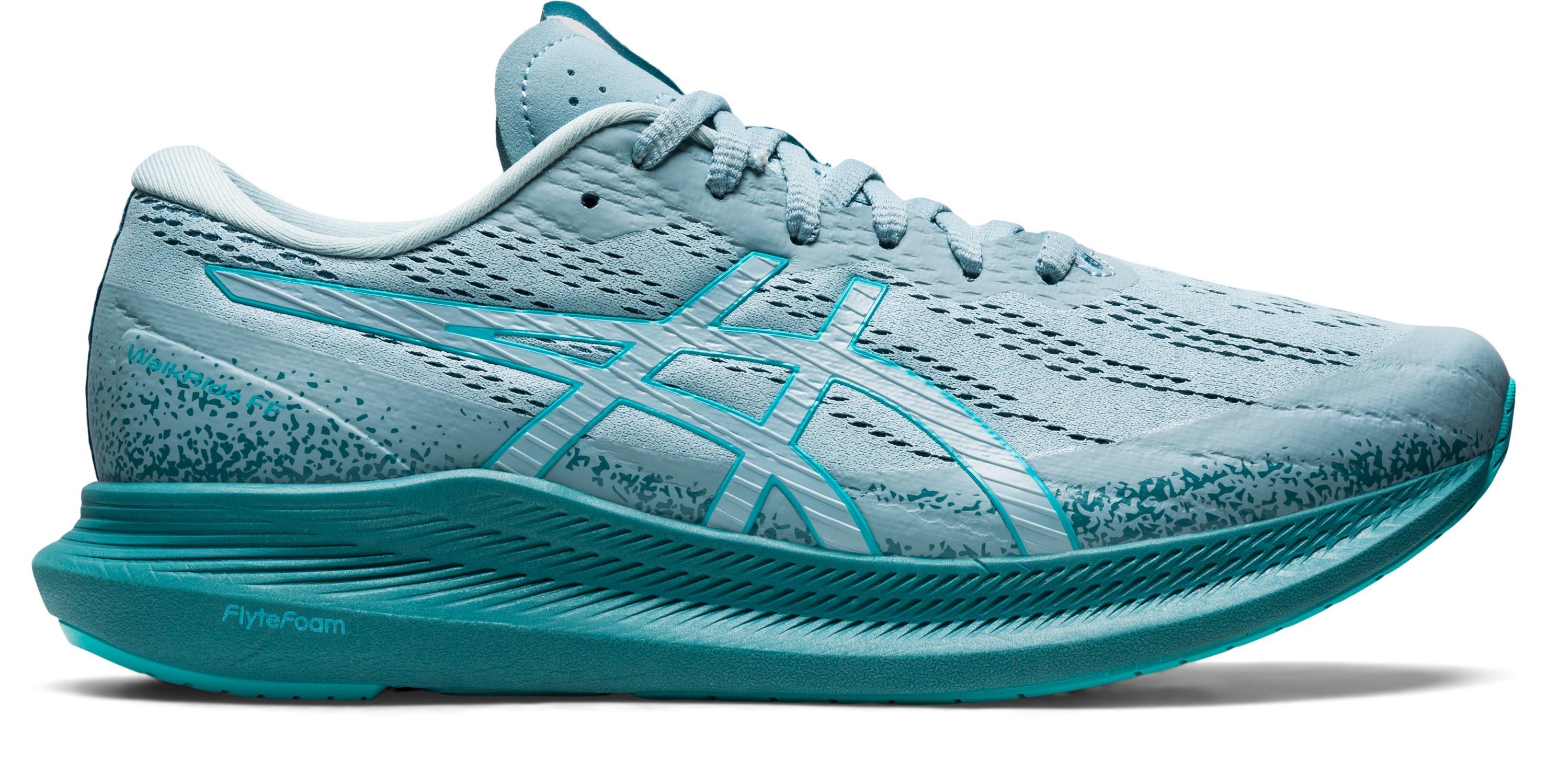
Navigating Foot Types and Gait Patterns: A Personalized Approach
One of the most profound insights from podiatry is that there is no universal “best” shoe; the ideal choice is intrinsically linked to your individual foot morphology and gait. The “wet test”—where you wet your foot and step on a paper bag to see your footprint—offers a basic self-assessment. A full footprint suggests a low arch (overpronation), requiring shoes with motion control or stability features. A footprint with a narrow connection between heel and forefoot indicates a high arch (underpronation or supination), necessitating highly cushioned, neutral shoes with greater flexibility. For a neutral arch, stability shoes with moderate support are often ideal. However, this is a starting point. Many podiatrists and specialty running stores employ gait analysis technology, using pressure plates and slow-motion video, to provide a precise diagnosis of your stride. This personalized data is invaluable. As Dr. Jacqueline Sutera, a New York City-based podiatrist and spokesperson for the APMA, has stated in various media interviews, “Shoes are like tires for your body. You wouldn’t put the wrong tires on your car and expect it to drive smoothly.” This analogy perfectly encapsulates why a generic shoe purchase often fails, and why investing in a professional fitting for podiatrist recommended walking shoes tailored to your unique biomechanics is crucial for long-term comfort and injury prevention.
The Long-Term Investment: Cost Versus Value in Footwear
It is a common misconception that high-quality, therapeutic footwear must carry an exorbitant price tag. While it is true that advanced materials, patented support technologies, and rigorous biomechanical research contribute to the cost of top-tier podiatrist recommended walking shoes, the perspective must shift from initial price to long-term value. A poorly constructed shoe may wear out unevenly within months, losing its supportive properties and potentially altering your gait in harmful ways. The resultant foot, knee, or hip pain could lead to costly medical consultations, physical therapy, custom orthotics, or even surgery. Conversely, a well-made, properly fitted shoe is a durable tool that protects your musculoskeletal system. Furthermore, the market offers excellent value. Many reputable brands frequently offer discounts on previous models when new versions are released, providing the same core technology at a significantly reduced price. The key is to prioritize the essential features—adequate heel counter, appropriate arch support, correct fit, and quality construction—over superficial styling. By viewing your walking shoes as a non-negotiable component of your health budget, you make an investment that pays dividends in mobility, comfort, and avoided medical expenses.
:max_bytes(150000):strip_icc()/tal-10-podiatrist-approved-open-toed-shoes-tout-00bd6ff1c36a49cdbbff486b0b54fb27.jpg)
Integrating Footwear into a Holistic Wellness Routine
Exceptional shoes are the cornerstone, but they are most effective as part of a broader approach to foot health. Think of your podiatrist recommended walking shoes as the foundation of a house—essential, but the structure is completed with other elements. Regular foot exercises, such as toe curls, marble pickups, and calf stretches, strengthen the intrinsic muscles of the foot and improve flexibility, making your feet more resilient. Replacing your shoes at appropriate intervals is critical; most experts, including those cited in resources like the Journal of Orthopaedic & Sports Physical Therapy, recommend replacement every 300 to 500 miles of walking, or when you notice visible compression in the midsole or uneven wear on the outsole. Pairing your shoes with moisture-wicking socks made from merino wool or synthetic blends further enhances comfort and blister prevention. Finally, listen to your body. Persistent pain is a signal, not a norm to be endured. Integrating these practices with your conscientiously chosen footwear creates a synergistic system that supports not just walking, but an active, pain-free lifestyle.

The journey to all-day comfort begins from the ground up. By applying the principles derived from podiatric science—prioritizing structural support, personalized fit, quality materials, and holistic foot care—you transform the simple act of choosing shoes into a powerful act of self-care. The right pair of podiatrist recommended walking shoes does more than just cover your feet; it empowers your stride, protects your joints, and becomes a seamless partner in your daily movement, allowing you to walk through life with confidence and ease.
