

Discover the Best Podiatrist Recommended Walking Shoes for All-Day Comfort
Your feet are the foundation of your movement, bearing the cumulative weight of a lifetime. The quest for all-day comfort isn’t merely about avoiding soreness; it’s a fundamental investment in your overall musculoskeletal health. When pain or fatigue originates from the ground up, it can cascade into issues with ankles, knees, hips, and even your back. This is where the specialized guidance of a podiatrist becomes invaluable. Unlike generic fashion advice, a podiatrist recommended walking shoe is engineered based on biomechanical principles to support, cushion, and align the foot correctly through the gait cycle. This article distills the wisdom of foot health experts into a clear guide, helping you navigate the critical features that transform a simple shoe into a tool for wellness. We will move beyond marketing claims to the objective science of foot support, bringing you professional insights and pointing you toward options that offer genuine value, often at discounted prices.
The Biomechanical Blueprint: Why Your Feet Demand Expert Care
To understand the necessity of specialized footwear, one must first appreciate the complex engineering of the human foot. It is a structure comprising 26 bones, 33 joints, and over a hundred muscles, tendons, and ligaments. According to biomechanics literature from institutions like the University of Delaware’s Department of Kinesiology and Applied Physiology, the foot must perform a delicate balancing act: it needs to be flexible enough to adapt to uneven surfaces and absorb shock (pronation), yet rigid enough to act as a stable lever to propel the body forward (supination). A disruption in this sequence—such as overpronation (excessive inward roll) or supination (insufficient roll)—can lead to a host of problems, from plantar fasciitis to shin splints and stress fractures. A podiatrist analyzes this individual gait pattern. As Dr. Jacqueline Sutera, a New York City-based podiatrist, often states in media interviews, “Shoes are the foundation of your body. If your foundation is unstable, everything above it will be unstable.” Therefore, a podiatrist recommended walking shoe isn’t a one-style-fits-all solution; it is a category of footwear designed with features that can be matched to these specific biomechanical needs, offering structured arch support, strategic cushioning, and heel counters that guide the foot into a healthier path of motion.
:max_bytes(150000):strip_icc()/I-Asked-Podiatrists-for-Their-Fall-Shoe-Recommendations-These-Are-Their-Top-8-Picks-8fbdf9d65f3a4228ae63f6e5253dc08c.jpg)
Decoding the Hallmarks of a Superior Walking Shoe
What specific elements transform an ordinary sneaker into a podiatrist-endorsed workhorse? The distinction lies in deliberate, scientifically-informed design choices. First, consider the midsole. This is the heart of cushioning and stability. Materials like EVA (ethylene-vinyl acetate) foam are common, but higher-end podiatrist recommended walking shoes often utilize advanced compounds like polyurethane, TPU (thermoplastic polyurethane) guidance lines, or proprietary gels (e.g., ASICS GEL or Brooks DNA LOFT) that offer a more durable, responsive cushioning that doesn’t break down quickly. The heel counter—the firm cup at the back of the shoe—must be rigid to lock the heel in place, preventing slippage and controlling rearfoot motion. A simple test is to try to squeeze it; it should offer substantial resistance. The arch support is non-negotiable. While many shoes have a generic bump, a true supportive shoe has a contoured, often removable, insole or a built-up midsole that contacts the arch appropriately, reducing strain on the plantar fascia. Toe box room is critical; a study cited in the Journal of Foot and Ankle Research emphasizes the need for adequate space to allow toes to splay naturally upon foot strike, which enhances stability and prevents issues like bunions and neuromas. Finally, the flex point of the shoe should align with the natural flex point of your foot (the ball), allowing for an efficient, rolling gait without causing the shoe or your foot to fight against itself.
Navigating Foot Types: Matching Your Gait to the Right Shoe
The concept of “best” is meaningless without the context of your individual feet. Podiatrists typically categorize needs into three primary archetypes, though many people fall on a spectrum. For the overpronator, whose ankles roll inward excessively, stability or motion control shoes are paramount. These feature denser foam on the inner side of the midsole (a medial post) and structured support to correct the gait. Brands like Brooks (Adrenaline GTS), ASICS (GT-2000), and New Balance (860 series) have built reputations here. For the neutral or efficient walker, a cushioned or neutral stability shoe offers ample shock absorption without heavy correction. Think HOKA Clifton, Saucony Ride, or ASICS Nimbus. The supinator or underpronator, whose feet roll outward, requires maximum cushioning and flexibility to encourage natural motion, often found in highly cushioned neutral shoes. A simple “wet test” (examining the footprint on a paper bag after stepping out of the shower) can offer a basic clue, but for definitive analysis, a podiatrist’s gait assessment is gold standard. As noted on platforms like Quora and professional podiatry blogs, self-diagnosis can lead to purchasing the wrong type of shoe, exacerbating problems instead of solving them. Therefore, identifying your pattern is the first, crucial step before seeking a podiatrist recommended walking shoe that fits your category.

Beyond the Brand: Critical Features You Must Physically Test
Marketing can create an aura around a brand, but your personal, in-store test is the ultimate arbiter. A shoe can have all the right technical specifications yet fail on your unique foot. When trying on potential podiatrist recommended walking shoes, follow this protocol. First, shop in the late afternoon or evening, as feet naturally swell throughout the day. Always wear the same type of socks you intend to walk in. There should be a thumb’s width (about half an inch) of space between your longest toe (which isn’t always the big toe) and the end of the shoe. Width is equally vital; you should be able to lightly pinch a small amount of material over the widest part of your foot. The heel must hold firmly without any lift or rub. Walk on a hard surface, not just carpet. Pay attention to any immediate pressure points, particularly around the arch or the little toe. Does the shoe bend easily at the ball of the foot? Does it feel stable when you shift weight from side to side? Renowned running and walking coach Jeff Galloway has often emphasized in his clinics that “the shoe should feel good the moment you put it on.” There should be no “break-in” period for a properly fitted, high-quality walking shoe; comfort should be immediate and compelling.
Investing in Longevity: The Cost-Per-Wear Equation
A common hesitation when confronting high-quality footwear is the upfront cost. It’s a valid concern, but one that requires a shift in perspective from mere price to value and investment. A cheaply made shoe may cost half as much, but its midsole may compress and lose supportive properties after 200-300 miles, often long before the outsole shows significant wear. A premium podiatrist recommended walking shoe, constructed with higher-grade materials, may retain its structural integrity for 500 miles or more. When amortized over its lifespan and, more importantly, over the potential medical costs of treating foot, knee, or back pain, the premium shoe often represents a far wiser investment. The savvy shopper looks for value through official brand sales, discounts from authorized retailers, previous-season colorways, and reputable online outlets. Paying full retail price is rarely necessary. The goal is to bring professional-grade support to your daily life at an accessible price point, understanding that this purchase is fundamentally an investment in your mobility and pain-free living.
The Verdict from the Experts: Consensus and Contenders
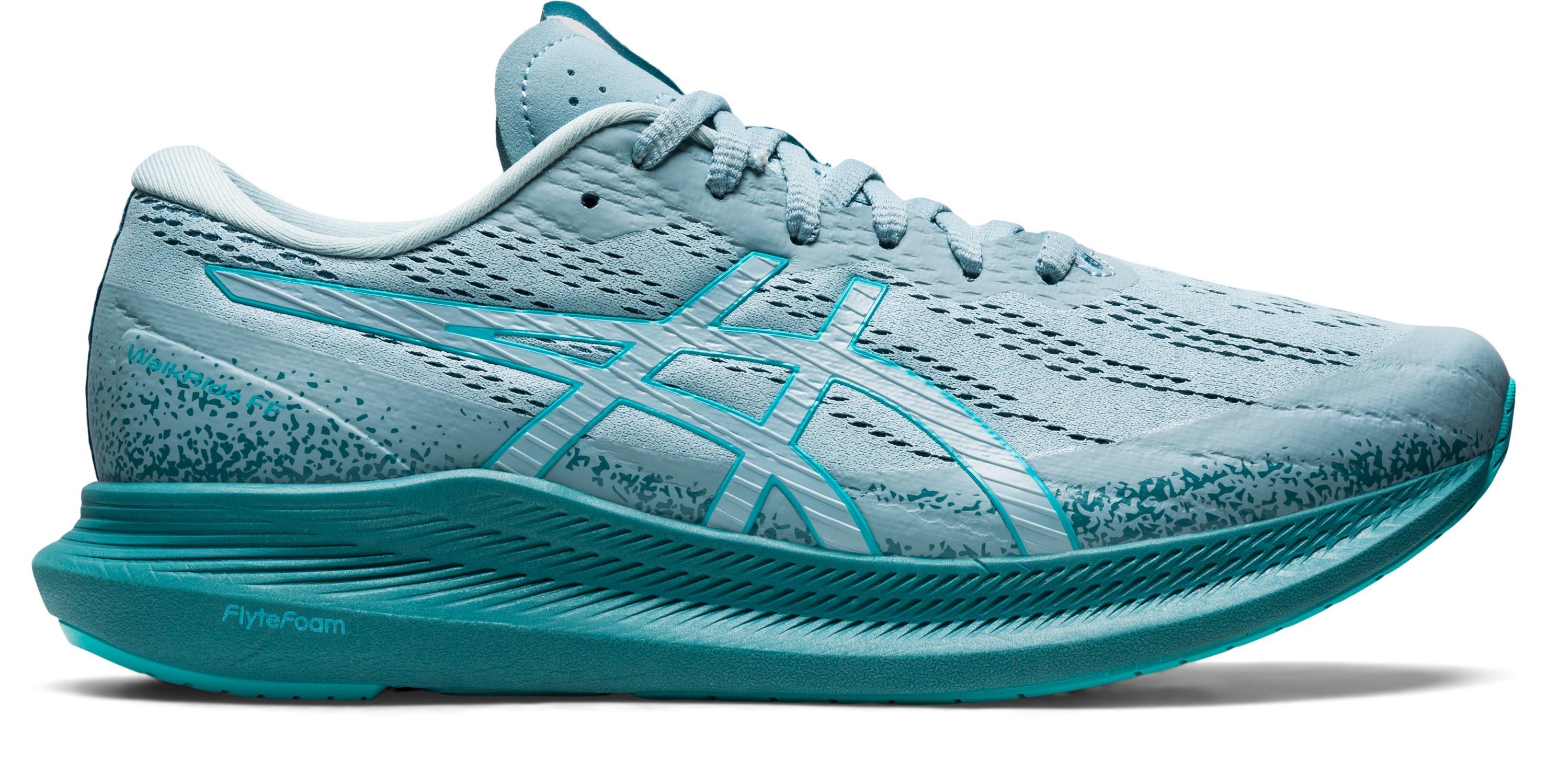
While individual needs vary, certain models consistently earn praise in podiatry circles and from trusted editorial sources like Runner’s World (which employs a rigorous shoe testing panel) and Prevention magazine. For all-day comfort and robust support, brands like Brooks, ASICS, New Balance, HOKA, and Saucony are frequently cited. The Brooks Ghost series, for example, is often highlighted for its balanced cushioning and smooth ride, suitable for a wide range of foot types. HOKA’s maximalist cushioning, seen in models like the Bondi, has become a go-to recommendation for those with joint sensitivity or who stand for long periods. It’s worth noting the wisdom shared by Dr. Miguel Cunha, founder of Gotham Footcare, in various online health forums: “The best shoe is the one that fits your foot correctly.” This underscores that a model highly recommended for one person may be wrong for another. Therefore, use expert consensus lists as a curated starting point for your search, not the final answer. Your mission is to find the specific model within these reputable lines that feels like a natural extension of your own body.
Your journey toward all-day comfort begins with acknowledging that your feet deserve specialized equipment. By focusing on biomechanical principles, understanding your own gait, and rigorously testing for fit and feel, you empower yourself to make an informed choice. The market is filled with options labeled as supportive, but true podiatrist recommended walking shoes are distinguished by their thoughtful engineering aimed at preserving the intricate mechanics of your feet. Prioritize this foundation, seek out value, and step forward into a world where comfort is a constant companion, not an occasional luxury. The right pair isn’t just about walking; it’s about walking well, for miles and years to come.
:max_bytes(150000):strip_icc()/tal-10-podiatrist-approved-open-toed-shoes-tout-00bd6ff1c36a49cdbbff486b0b54fb27.jpg)
