

Discover the Best Podiatrist Recommended Walking Shoes for All-Day Comfort
Your feet are the foundation of your daily movement, and the shoes you choose can either support or sabotage your well-being. The quest for the perfect walking shoe is not merely about fashion or fleeting trends; it’s a critical investment in your long-term musculoskeletal health. This guide cuts through the marketing noise to focus on what truly matters: objective, science-backed features that define podiatrist recommended walking shoes. We will dissect the anatomy of an ideal walking shoe, drawing from biomechanical principles, professional podiatric insights, and real-world performance to bring you a curated selection designed for unparalleled all-day comfort.
The Science of Stride: Why Podiatric Endorsement Matters
Walking is a complex symphony of biomechanical events—heel strike, foot flattening (pronation), and toe-off. A shoe that disrupts this natural rhythm can lead to a cascade of issues, from plantar fasciitis and shin splints to knee and back pain. Podiatrists, as medical specialists of the foot and ankle, evaluate footwear based on its ability to support this biomechanical chain. According to resources like the American Podiatric Medical Association (APMA), a shoe earning their Seal of Acceptance must demonstrate qualities that promote foot health. These podiatrist recommended walking shoes are not chosen for brand loyalty but for specific structural elements: a rigid heel counter to stabilize the rearfoot, adequate arch support to prevent overpronation or supination, a roomy toe box to allow natural toe splay, and strategic cushioning that absorbs shock without compromising stability. Think of it this way: just as an orthopedist would recommend specific exercises for knee rehabilitation, a podiatrist’s shoe recommendation is a prescriptive intervention for daily foot function. It’s a recommendation grounded in preventing injury before it starts, making it an essential criterion for anyone who spends significant time on their feet.
:max_bytes(150000):strip_icc()/podiatrist-recommended-walking-shoes-e1b90077185d4e6cadbf6327c4d17db7.jpg)
Architectural Pillars of a Supportive Shoe
Heel Counter and Midfoot Stability
The rear of the shoe, known as the heel counter, must be firm and cup-shaped to cradle the heel bone (calcaneus). This prevents excessive side-to-side motion, a primary cause of instability that can travel up the kinetic chain. The midfoot, or the “waist” of the shoe, should offer torsional rigidity. This means it shouldn’t twist easily when you hold the toe and heel and try to wring it out. This rigidity ensures the shoe acts as a stable platform during the mid-stance phase of your gait. Renowned running coach and biomechanist Dr. Nicholas Romanov, in his “Pose Method” theory, emphasizes the critical role of a stable base for efficient force transfer. A flimsy midfoot allows the arch to collapse excessively, leading to overpronation—a common culprit behind many common walking ailments. Therefore, when you squeeze the back and middle of a potential podiatrist recommended walking shoe, it should feel substantial and resistant to deformation, providing a secure foundation for every step you take.
The Critical Role of Toe Box Geometry
Perhaps one of the most overlooked yet vital features is the shape and volume of the toe box. The human foot is naturally widest at the ends of the toes, not at the ball of the foot. Conventional, pointed shoes force the toes into a cramped, unnatural position, leading to bunions, hammertoes, and neuromas. As noted in resources from Harvard Medical School publications on foot health, allowing the toes to splay naturally upon weight-bearing improves balance, propulsion, and overall foot mechanics. A proper toe box should be foot-shaped, allowing your toes to lie flat and spread without touching the sides or top of the shoe. There should be about a thumbnail’s width of space between your longest toe and the end of the shoe. This space is not just for comfort; it’s a physiological necessity for healthy walking. Brands that prioritize this anatomical design are frequently highlighted in podiatric circles, as they respect the foot’s natural architecture rather than trying to constrict it.
Cushioning vs. Support: Striking the Perfect Balance
A common misconception is that more cushioning equates to more comfort and protection. While cushioning is essential for dissipating impact forces, especially on hard surfaces, it must be balanced with support and responsiveness. Excessively soft, marshmallow-like soles can be unstable, causing the foot to sink and wobble, which forces the small stabilizing muscles in the foot and ankle to work overtime, leading to fatigue and potential strain. The goal is “responsive cushioning”—materials that compress upon impact to absorb shock but quickly rebound to provide energy return and a stable push-off. Technologies like EVA foam, polyurethane, and proprietary gels from major athletic brands are engineered for this dual purpose. As biomechanics literature from universities like the University of Calgary often highlights, optimal footwear manages the magnitude and rate of load on the body. Therefore, the best podiatrist recommended walking shoes are not the softest, but those that offer a harmonious blend of shock absorption and stable, guided motion from heel to toe.
Curated for Comfort: A Closer Look at Top Contenders
Based on the pillars of podiatric science—stability, anatomical fit, and balanced cushioning—several models consistently rise to the top. It’s important to remember that the “best” shoe is highly individual, depending on your foot shape, gait, and specific needs. However, the following categories and examples represent styles that frequently receive professional endorsement for their thoughtful engineering and proven track records in promoting comfort and preventing injury during prolonged walking.
For the Stability-Seeker: Shoes with Guided Motion Control
If you have low arches or tend to overpronate (where the ankle rolls inward excessively), your primary need is for a shoe that offers structured support and motion control. These shoes often feature a denser foam on the inner side of the midsole (a technique called medial posting) to gently correct the foot’s inward roll and bring it into a more neutral alignment. This isn’t about rigid correction but about guidance. A classic example comes from brands like Brooks with their Adrenaline GTS line. As one podiatrist quoted on health forums like Quora has stated, “For my patients with mild to moderate overpronation, a well-designed stability shoe can be as effective as a custom orthotic for daily wear.” These shoes provide a built-in foundation that reduces strain on the arch ligament (the plantar fascia) and the posterior tibial tendon, which is crucial for maintaining the arch. Choosing a podiatrist recommended walking shoe from the stability category can transform a painful, tiring walk into a comfortable, sustainable activity.
:max_bytes(150000):strip_icc()/shp-best-brooks-walking-shoes-tout-f67df3ab5afa4c08a24a63ae6dca3444.jpg)
For the Neutral Walker: Prioritizing Cushioning and Flexibility
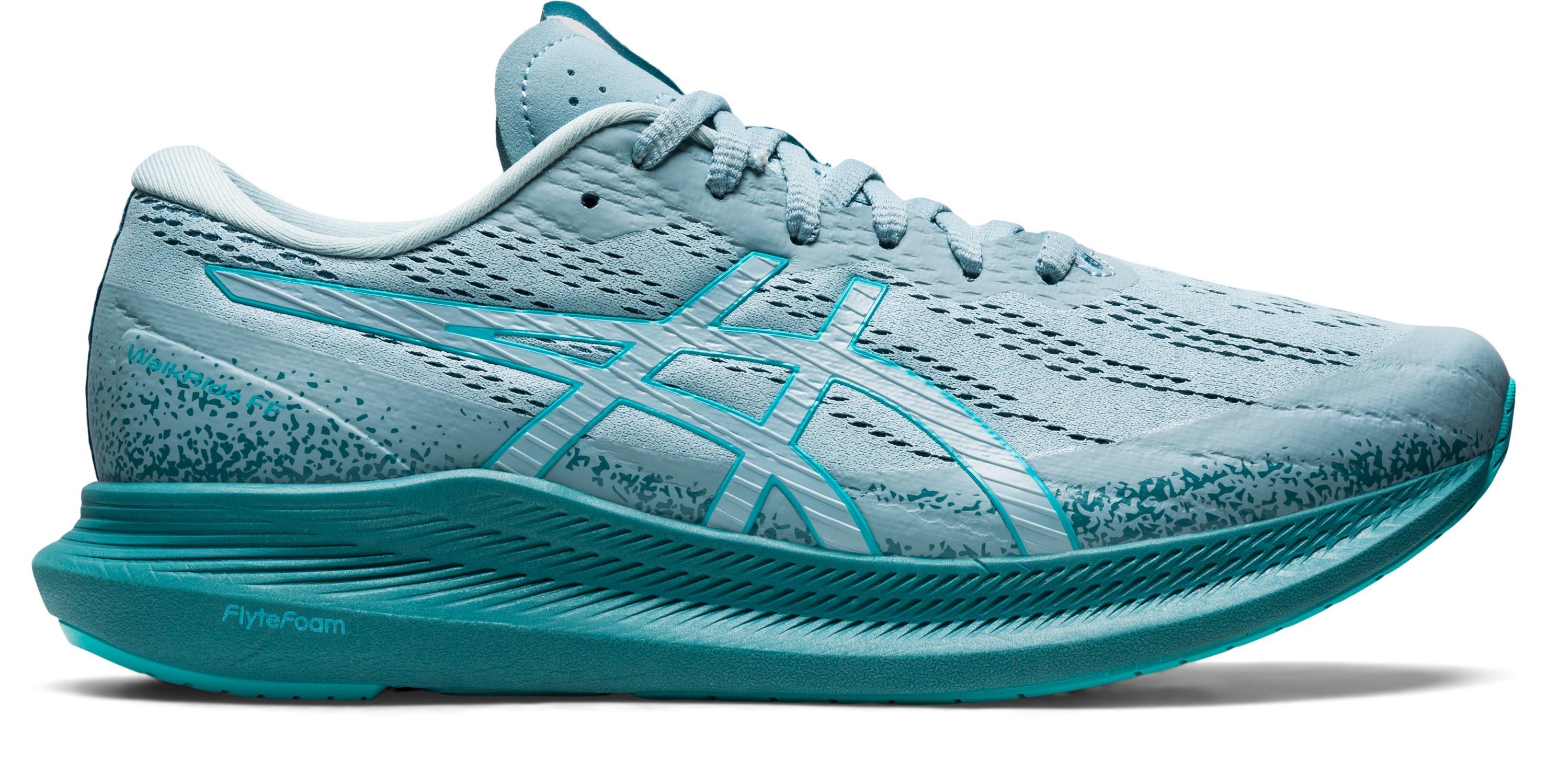
If your foot strikes and rolls in a relatively neutral pattern, your shoe priority shifts toward optimal cushioning and smooth flexibility at the forefoot. Your goal is to protect your joints from repetitive impact while allowing your foot to move through its natural gait cycle unimpeded. Shoes in this category often feature full-length cushioning systems and more flexible grooves in the forefoot. Brands like Hoka and Asics have excelled here, with models like the Hoka Bondi or Asics Gel-Nimbus providing exceptional shock absorption without the bulk. The philosophy aligns with the “wearable comfort” trend highlighted in gear reviews from sources like Wirecutter or Runner’s World, where the shoe feels protective yet disappears on the foot. For the neutral walker logging miles on city pavement or hard floors, this type of podiatrist recommended walking shoe acts as a reliable shock absorber, reducing fatigue and the risk of stress-related injuries, allowing you to focus on the journey, not your feet.
Investing in Your Foundation: Value Beyond the Price Tag
It’s tempting to view high-quality walking shoes as a significant expense. However, when framed as preventive healthcare, the value proposition becomes clear. Consider the cost of a single podiatrist visit, physical therapy sessions for foot pain, or orthotic inserts. A single pair of properly engineered shoes can often mitigate the need for these interventions. Furthermore, the investment pays dividends in daily quality of life—less fatigue, more energy, and the freedom to move without pain. To make this investment more accessible, it’s wise to look for previous-season models, which often see discounts of 30-50% as new colorways are released. The core technology and structural integrity remain identical. Signing up for brand newsletters or checking reputable online retailers during holiday sales can yield significant savings on these top-tier podiatrist recommended walking shoes. Remember, you are not buying a fashion item with a short lifespan; you are investing in a tool for health and mobility, making its cost-per-wear over its 300-500 mile lifespan remarkably low.
:max_bytes(150000):strip_icc()/tal-roundup-podiatrist-loved-shoes-on-sale-tout-bdbf5721fa5642efa38b61f6a5b4ff34.jpg)
Your search for all-day comfort ends not with a fleeting trend, but with an informed decision rooted in biomechanical science. By prioritizing the structural hallmarks of stability, anatomical fit, and intelligent cushioning—the very criteria that define podiatrist recommended walking shoes—you empower yourself to choose footwear that actively contributes to your well-being. Let your next step be taken in confidence, supported by a foundation engineered for the long walk ahead.
