

The Secret to All-Day Comfort: Podiatrist-Approved Walking Shoes for Every Step
Your feet are the foundation of your movement, and the shoes you choose can either be a source of relentless support or a catalyst for chronic discomfort. The quest for the perfect walking shoe is not merely about fashion or fleeting trends; it is a biomechanical necessity. This article delves into the science of foot health, distilling insights from podiatric medicine, biomechanics research, and consumer experience to guide you toward podiatrist recommended walking shoes that promise genuine, all-day comfort. We move beyond marketing hype to explore the objective criteria that define a truly supportive shoe, offering you the knowledge to make an informed investment in your well-being.
The Biomechanical Blueprint: Why Your Feet Demand Expert-Approved Shoes
Every step you take is a complex orchestration of bones, muscles, tendons, and ligaments. When this system is misaligned or unsupported, the repercussions travel upward, affecting ankles, knees, hips, and even the lower back. Podiatrists, as medical specialists in foot and ankle disorders, understand this kinetic chain intimately. Their recommendations are rooted in preventing and alleviating conditions like plantar fasciitis, metatarsalgia, and overpronation. A study published in the Journal of Foot and Ankle Research from the University of Sydney emphasizes that appropriate footwear is a first-line intervention for managing common musculoskeletal foot pain. The criteria for podiatrist recommended walking shoes are not arbitrary; they are built upon principles of stability, cushioning, and fit that respect the foot’s natural anatomy. For instance, a well-constructed shoe will offer a firm heel counter to control rearfoot motion, adequate arch support tailored to your foot type, and a roomy toe box to allow for natural splay upon weight-bearing. Ignoring these elements in favor of style alone is, as renowned sports medicine podiatrist Dr. Ray McClanahan often states, akin to building a house on a faulty foundation—eventually, the structure will show signs of stress and failure.
:max_bytes(150000):strip_icc()/I-Asked-Podiatrists-for-Their-Fall-Shoe-Recommendations-These-Are-Their-Top-8-Picks-8fbdf9d65f3a4228ae63f6e5253dc08c.jpg)
Decoding the Features: The Non-Negotiable Elements of a Supportive Shoe
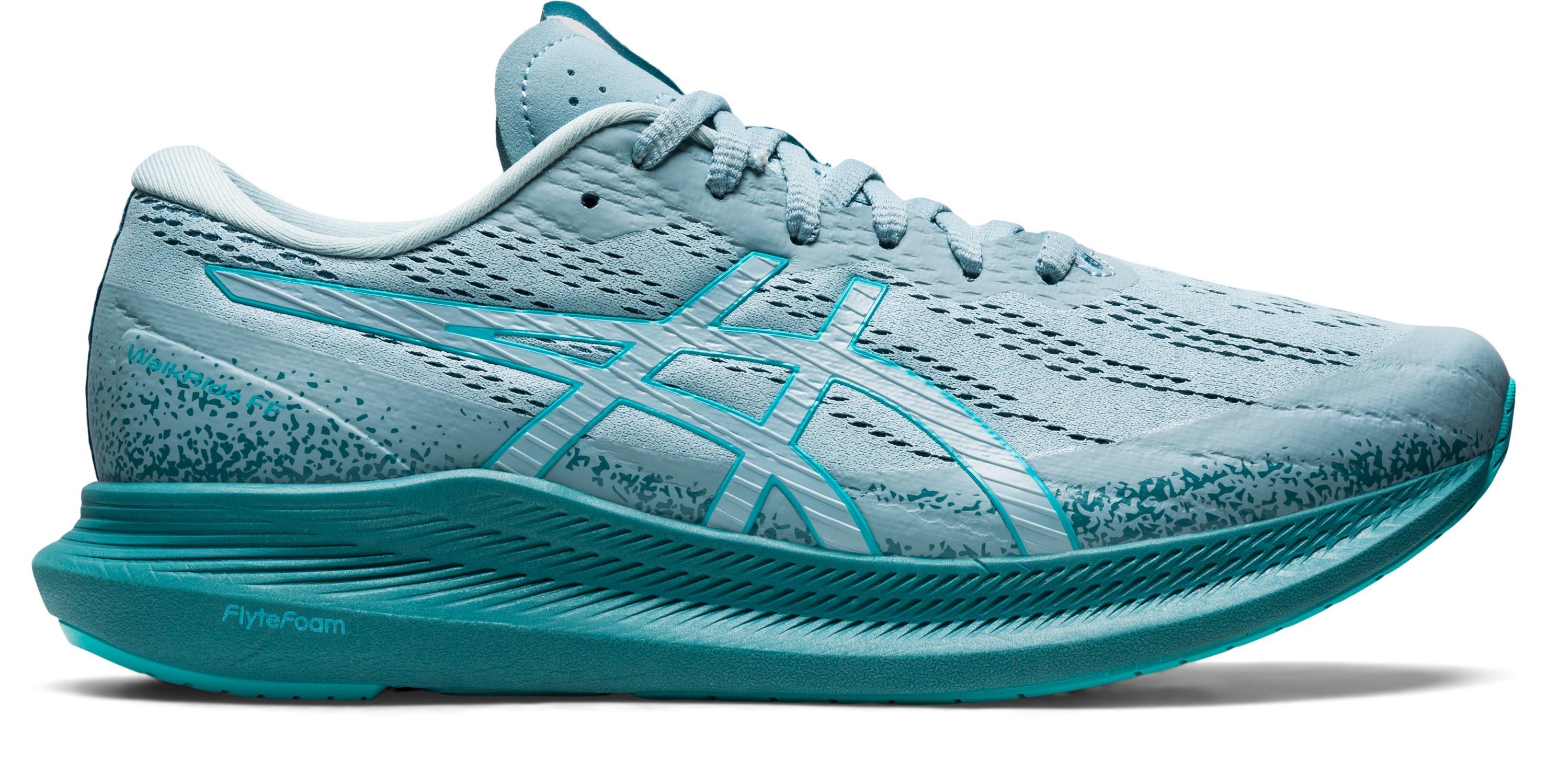
To navigate the vast market of athletic footwear, you must become fluent in the language of shoe construction. Let’s break down the critical features that transform a simple shoe into a podiatrist recommended walking shoe. First, consider the midsole. This is the heart of cushioning and stability. Materials like EVA (ethylene-vinyl acetate) foam or advanced compounds like Brooks’ DNA LOFT or ASICS’ FlyteFoam provide shock absorption without excessive bulk. The goal is to attenuate ground reaction forces—the impact traveling up your leg with each step—a concept well-documented in biomechanics literature from institutions like the University of Calgary’s Human Performance Lab. Second, examine the heel-to-toe drop. This measurement, often between 0-12mm, influences your gait cycle. A lower drop may encourage a more midfoot strike, which some experts argue can reduce strain on the knees, though it requires adaptation. Third, the outsole’s flexibility and tread pattern are crucial for grip and a natural roll-through motion. The shoe should bend at the ball of the foot, not the arch, to support the foot’s natural windlass mechanism. Finally, the upper material must be breathable and adaptive, using engineered meshes or flexible knit fabrics that secure the foot without constriction. As highlighted on authoritative platforms like the American Podiatric Medical Association’s public education site, a proper fit—where there’s a thumb’s width of space between your longest toe and the shoe’s end—is paramount. A shoe that is too tight can cause neuromas and bunions, while one that is too loose fails to provide necessary stability.
From Clinic to Pavement: How Podiatrists Evaluate and Recommend Footwear
The process a podiatrist uses to recommend footwear is methodical and personalized. It often begins with a gait analysis, observing how your foot moves from heel strike to toe-off. This can reveal patterns like overpronation (excessive inward roll) or supination (outward roll). Based on this assessment, they prescribe specific features. For an overpronator, a shoe with structured medial (inner) support or even a custom orthotic may be advised. The philosophy echoes the principles found in foundational texts like “Clinical Biomechanics of the Lower Extremities” by Dr. Ronald Valmassy, which links foot mechanics to pathology. Podiatrists also consider the individual’s lifestyle, weight, and any pre-existing conditions. A nurse who logs 15,000 steps on hard hospital floors has different needs than a weekend park walker. This is why blanket recommendations fail; true podiatrist recommended walking shoes are context-dependent. Many practitioners point to brands that consistently invest in biomechanical research, such as New Balance, ASICS, Brooks, and HOKA, as reliable starting points. On social media platforms like YouTube, certified podiatrists like Dr. Miguel Cunha of Gotham Footcare or Dr. Brad Schaeffer of Sole Podiatry frequently deconstruct popular shoe models, praising or critiquing them based on these clinical parameters. Their analyses provide a valuable bridge between professional knowledge and consumer understanding.
Beyond the Brand: Applying Podiatric Principles to Your Next Purchase
Armed with this knowledge, your shoe shopping transforms from a guessing game into a targeted mission. Do not be seduced by aesthetics alone. Instead, conduct a simple hands-on test. Press on the heel counter—it should not collapse easily. Twist the shoe—it should resist torsion in the midfoot. Bend it—it should flex cleanly at the forefoot. Check the insole; is it removable, allowing for custom orthotics if needed? Remember, the most expensive shoe is not necessarily the best for you. The ideal pair aligns with your unique biomechanics. Furthermore, consider the activity. A dedicated walking shoe differs from a running shoe; it often has a more flexible sole and a design optimized for a slower, heel-to-toe gait cycle. Resources like the “Walkable” communities on Quora or detailed shoe reviews on sites like Runner’s World often aggregate user experiences that align with podiatric advice, offering real-world data on durability and comfort over miles. The ultimate goal is to find a shoe that disappears on your foot—where you are unaware of its presence because it works in perfect harmony with your movement. This is the hallmark of a truly effective podiatrist recommended walking shoe.
:max_bytes(150000):strip_icc()/tal-roundup-podiatrist-loved-shoes-on-sale-tout-bdbf5721fa5642efa38b61f6a5b4ff34.jpg)
Investing in Longevity: The Economic and Health Sense of Quality Footwear
Viewing quality walking shoes as an investment rather than an expense is a perspective shift that pays dividends in health and finances. A poorly made shoe may wear out quickly, losing its supportive properties within a few hundred miles and leading to discomfort or injury. The cost of treating a foot condition—from physical therapy to custom orthotics to, in severe cases, surgery—far outweighs the premium for a well-constructed pair of podiatrist recommended walking shoes. Moreover, many premium brands offer technologies that extend the shoe’s functional life, such as durable rubber outsoles and midsole foams resistant to compression. To make this investment more accessible, be a savvy shopper. Sign up for brand newsletters for direct discount alerts. Explore reputable online retailers during seasonal sales events. Consider previous model years, which often see significant price reductions while offering nearly identical technology. The image of foot health as a luxury is a fallacy; it is a fundamental component of an active, pain-free life. As the ancient proverb, often cited in wellness circles, reminds us: “The journey of a thousand miles begins with a single step.” Ensure that step is taken in a shoe that protects and empowers every one of those miles that follow.
:max_bytes(150000):strip_icc()/podiatrist-recommended-walking-shoes-e1b90077185d4e6cadbf6327c4d17db7.jpg)
The path to all-day comfort is paved with intention and knowledge. It requires listening to the experts who dedicate their careers to understanding the foot’s intricate design and heeding the scientific principles that govern pain-free movement. By prioritizing the objective criteria of stability, cushioning, and fit—the very hallmarks of podiatrist recommended walking shoes—you are not just buying footwear; you are commissioning a personal mobility device. You are choosing to support your body’s foundation, ensuring that every step, from the first morning stride to the last evening stroll, is taken in confidence and ease. Let this understanding guide your choice, and feel the difference that truly supportive shoes make in the rhythm of your daily life.
