

Discover the Top Podiatrist Recommended Walking Shoes for Ultimate Comfort and Support
Your feet are your foundation. Every step you take sends a ripple of impact through your body, a force that must be managed, absorbed, and redirected. For the casual stroller, the dedicated fitness walker, or anyone who spends a significant portion of their day on their feet, the choice of footwear is not merely a fashion statement—it is a critical decision affecting joint health, posture, and overall well-being. This is where the expertise of a podiatrist, a medical professional specializing in foot, ankle, and lower extremity disorders, becomes invaluable. Podiatrist recommended walking shoes are not a marketing gimmick; they are a category built upon biomechanical principles, clinical observation, and a deep understanding of how to protect the body from the ground up. This guide delves into the science of what makes these shoes exceptional, explores top recommendations, and explains why investing in the right pair is an investment in your long-term mobility.
The Science of Support: Why Podiatrist Recommendations Matter
To understand the value of a podiatrist recommended walking shoe, one must first appreciate the complex biomechanics of walking. The gait cycle, as defined in kinesiology literature from institutions like the University of Virginia’s School of Medicine, involves a delicate interplay of heel strike, foot flattening (pronation), and push-off. When this cycle is disrupted by improper footwear, the consequences can be far-reaching. Excessive or insufficient pronation can lead to a cascade of issues: plantar fasciitis, Achilles tendinitis, shin splints, and even knee, hip, and lower back pain. A podiatrist’s recommendation is rooted in mitigating these risks. They look for shoes that offer structured support to guide the foot through a healthy motion path. This often involves a firm heel counter to stabilize the rearfoot, adequate arch support tailored to different foot types (neutral, high-arched, or flat), and a design that promotes a smooth heel-to-toe transition. As Dr. Jacqueline Sutera, a renowned New York City podiatrist, often states in media interviews, “A good walking shoe should act as a shock absorber and a stabilizer, working with your foot, not against it.” This objective, clinical perspective separates professional endorsements from casual product reviews, focusing on preventative care and therapeutic function.
:max_bytes(150000):strip_icc()/podiatrist-recommended-walking-shoes-e1b90077185d4e6cadbf6327c4d17db7.jpg)
Architectural Pillars: Deconstructing the Ideal Walking Shoe
What specific features transform an ordinary sneaker into a podiatrist recommended walking shoe? The architecture can be broken down into several non-negotiable pillars. First is the midsole, typically crafted from advanced materials like EVA (ethylene-vinyl acetate) foam, polyurethane, or proprietary compounds like Brooks’ DNA LOFT or ASICS’ GEL technology. According to material science explanations on platforms like Wikipedia, these substances are engineered for durable cushioning and energy return, dissipating impact forces before they travel up the skeletal system. The second pillar is the insole or sock liner. While many shoes come with a generic, removable insole, premium podiatrist recommended walking shoes often feature contoured, anatomically shaped insoles with built-in arch support, or are designed to accommodate custom orthotics—a frequent prescription from foot doctors. The third pillar is the outsole. Flexibility is key, but it must be strategic. A quality outsole will bend easily at the ball of the foot (the metatarsophalangeal joints) to facilitate push-off, while remaining stable through the midfoot. The tread pattern also contributes to stability and slip resistance. Finally, the upper must provide a secure, non-constrictive fit. Technologies like engineered mesh offer breathability and adaptive stretch, while strategic overlays lock the foot down without causing pressure points. This holistic design philosophy ensures every component works in concert to protect the foot.
Top Contenders: A Closer Look at Podiatrist-Approved Models
The market offers a range of exceptional shoes that consistently earn praise from foot care professionals. It’s important to note that the “best” shoe is highly individual, depending on one’s foot shape, gait, and specific needs. However, several brands and models are frequently cited for their exemplary design principles.
For the Neutral Walker: The Cushioned Guardian
Individuals with a neutral gait, whose feet pronate a normal amount, often benefit from shoes that prioritize plush cushioning and smooth transitions. A prime example is a model like the Brooks Ghost. Frequently highlighted by podiatrists in publications like “Podiatry Today” and by fitness experts on YouTube channels such as “The Run Experience,” the Ghost is celebrated for its balanced cushioning. Its DNA LOFT midsole provides a soft, protective landing without sacrificing responsiveness or stability. The segmented crash pad in the outsole works like a set of independent hinges, creating an incredibly fluid heel-to-toe roll that minimizes strain on the calves and Achilles tendon. For the walker seeking daily comfort on pavement or treadmill, this category of shoe acts as a reliable, protective guardian for the joints.
:max_bytes(150000):strip_icc()/shp-best-brooks-walking-shoes-tout-f67df3ab5afa4c08a24a63ae6dca3444.jpg)
For the Overpronator: The Structured Guide
Overpronation, where the foot rolls inward excessively, is a common concern that podiatrists address. Shoes for this need incorporate features for motion control and stability. Brands like ASICS and New Balance often excel here. The ASICS GT-2000 series, for instance, utilizes dynamic DuoMax support—a dual-density midsole system where a firmer material on the inner side of the shoe resists overpronation, gently guiding the foot back to a neutral position. This is not about rigidly immobilizing the foot, but about providing intelligent guidance throughout the gait cycle. As noted in biomechanics literature from the University of Calgary’s Human Performance Lab, such guided stability can significantly reduce the rotational forces on the tibia and knee, addressing the root cause of many overuse injuries. For the walker with flat feet or noticeable inward ankle roll, these podiatrist recommended walking shoes function as an essential, corrective guide.
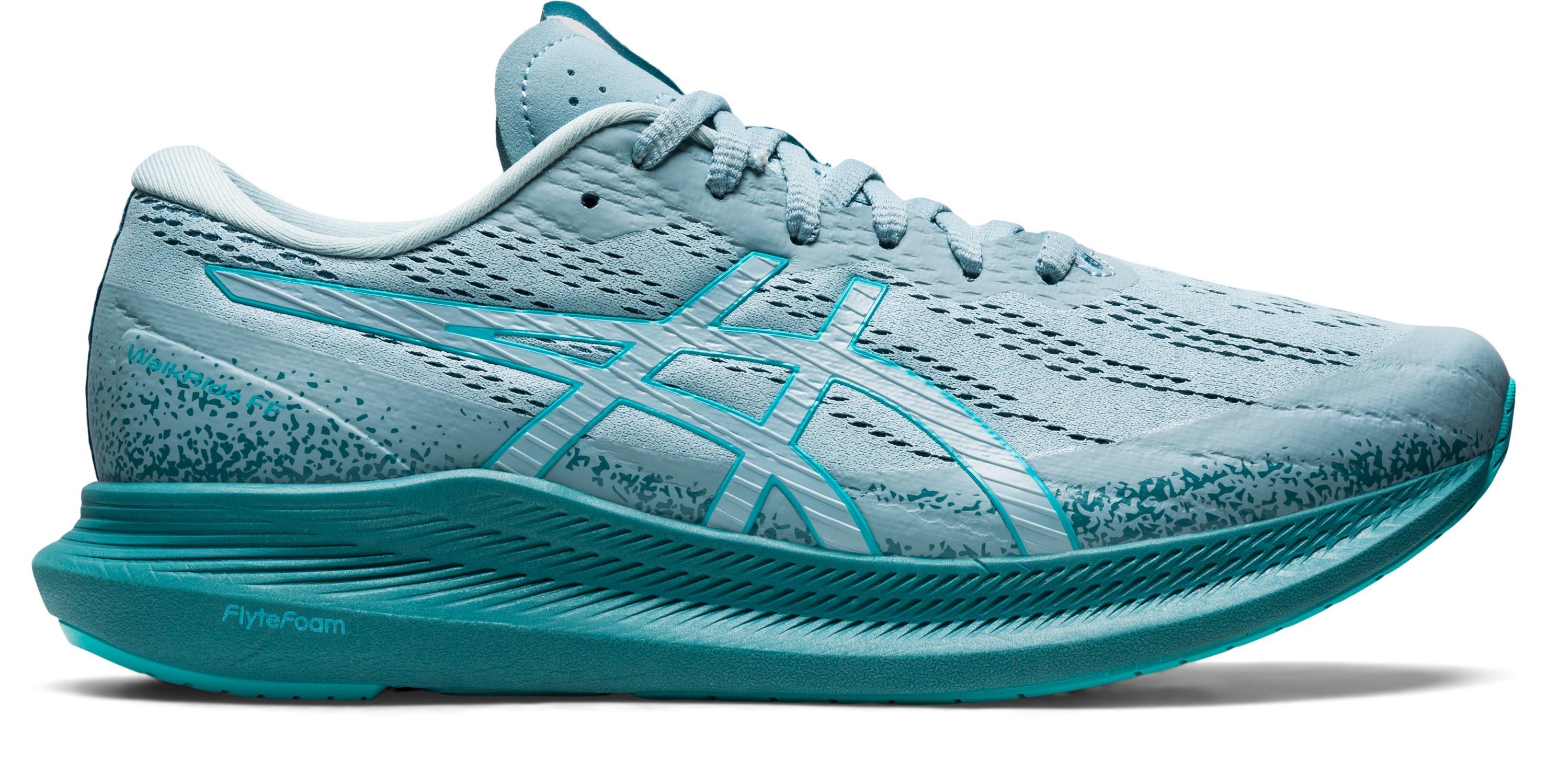
For Maximum Cushioning and Relief: The Plush Sanctuary
For those dealing with conditions like plantar fasciitis, arthritis, or who simply carry more body weight, maximum cushioning is paramount. Shoes in this category, such as the HOKA Bondi, are instantly recognizable by their thick, rockered midsoles. The rocker geometry, a concept borrowed from therapeutic footwear design, promotes a rolling motion that reduces the work required from the Achilles and calf muscles and minimizes flexion at the metatarsal heads. This can be a revelation for those with heel pain. The immense stack height of soft, resilient foam acts as a plush sanctuary for sensitive feet, absorbing a tremendous amount of shock. On platforms like Quora and in patient forums, individuals with chronic foot pain often describe switching to such maximally cushioned, podiatrist recommended walking shoes as a life-changing event, finally allowing them to walk without wincing in pain with every step.
Beyond the Shoe: A Holistic Approach to Foot Health
While the right shoe is the cornerstone, a podiatrist’s advice extends beyond the footwear itself. It encompasses a holistic view of foot health. This includes understanding the importance of sock material—moisture-wicking fabrics like merino wool or synthetic blends prevent blisters and fungal growth. It involves recognizing when a shoe has reached the end of its functional life; most cushioning materials compress and lose their protective properties after 300-500 miles of use, long before the outsole appears worn. Furthermore, complementary practices are key. Simple foot and calf stretches, rolling a frozen water bottle under the arch for plantar fasciitis, and strengthening exercises for the intrinsic foot muscles (like picking up marbles with your toes) all contribute to resilience. The shoe is your primary tool, but it works best within a framework of mindful care. As the famous runner and author Dr. Mark Cucuzzella emphasizes in his book “Run for Your Life,” the goal is to “create an environment where the foot can function as nature intended,” and proper footwear is the first and most critical step in creating that environment.

Investing in Your Foundation: Value Beyond Price
It is true that high-quality, podiatrist recommended walking shoes often come with a higher initial price tag, typically ranging from $120 to $160. However, this investment must be reframed not as a clothing expense, but as a healthcare investment. Consider the cost of a single podiatrist visit, physical therapy sessions for a foot injury, or the long-term impact of joint degeneration. A premium shoe is engineered with higher-grade, more durable materials and sophisticated design technology that directly targets biomechanical efficiency. The good news is that value can be found. Many reputable retailers offer previous-season models at significant discounts, sometimes 30-50% off, without compromising core performance technologies. Brands also frequently have sales around major holidays. The key is to prioritize the correct fit and feature set for your body. An expensive shoe that doesn’t match your gait is a poor investment, while a properly fitted, technologically appropriate shoe—even at full price—delivers unparalleled value in comfort, injury prevention, and sustained mobility. Your feet carry you through life; outfitting them with the best possible support is a profound act of self-care.
Walking is our most fundamental movement, a activity woven into the fabric of daily life. By choosing footwear endorsed by podiatric science, you are choosing to honor that movement. You are selecting a partner in health designed to cushion, guide, and protect. From the engineered midsole that absorbs shock to the structured heel that provides stability, every element of a podiatrist recommended walking shoe serves a purpose. It is an application of medical insight to everyday life, transforming a simple act into a sustainable, joyful, and pain-free practice. Listen to the experts who understand the language of feet, and take that knowledge with you on every path you walk.
