

Discover the Top Podiatrist Recommended Walking Shoes for Ultimate Comfort and Support
Every step you take is a conversation between your body and the ground. For those who walk for fitness, commute, or simply enjoy the rhythm of a daily stroll, the right footwear isn’t just an accessory—it’s a fundamental tool for health. Ordinary shoes might get you from point A to point B, but they often ignore the intricate biomechanics of the human foot. This is where the expertise of a podiatrist becomes invaluable. Podiatrists, or doctors of podiatric medicine, specialize in the diagnosis, treatment, and prevention of foot and ankle disorders. Their recommendations are rooted in a deep understanding of anatomy, gait analysis, and injury prevention. When they endorse a walking shoe, it’s not based on fleeting trends or marketing hype, but on clinical evidence of its ability to provide ultimate comfort and support. This article distills that professional wisdom, guiding you toward footwear that truly cares for your feet, backed by objective science and authoritative viewpoints.
The Science of Support: Why Podiatrist Endorsement Matters
To understand the weight behind podiatrist recommended walking shoes, one must first appreciate the complexity of the human foot. It is a marvel of engineering, comprising 26 bones, 33 joints, and over 100 muscles, tendons, and ligaments. According to resources like Wikipedia and academic literature from institutions like the Harvard Medical School, the foot acts as both a shock absorber and a rigid lever during the gait cycle. A poorly designed shoe can disrupt this delicate balance, leading to a cascade of issues from plantar fasciitis and metatarsalgia to knee, hip, and even back pain. Podiatrists evaluate shoes based on specific, scientifically-backed criteria: motion control for overpronators, cushioning for high-impact forces, a rigid heel counter for rearfoot stability, and a toe box that allows for natural splay. As Dr. Jacqueline Sutera, a prominent New York City podiatrist, often states in media interviews, “A good walking shoe is the foundation of a healthy musculoskeletal system.” This perspective shifts the shoe from a fashion item to a piece of essential biomechanical equipment. The endorsement from such a professional signifies that the shoe has been vetted against these rigorous, health-first standards, making it a critical filter in a market saturated with options.
:max_bytes(150000):strip_icc()/I-Asked-Podiatrists-for-Their-Fall-Shoe-Recommendations-These-Are-Their-Top-8-Picks-8fbdf9d65f3a4228ae63f6e5253dc08c.jpg)
Architectural Pillars: Deconstructing the Anatomy of a Perfect Walking Shoe
Let’s dissect what transforms a simple sneaker into a podiatrist recommended walking shoe. The first pillar is arch support. The arch of your foot is not a one-size-fits-all structure; it can be high, low, or neutral. Authoritative sources like the American Podiatric Medical Association (APMA) emphasize that proper support maintains the foot’s natural alignment, preventing the arch from collapsing (overpronation) or failing to absorb shock (supination). The next critical element is the midsole. This is the engine of cushioning, typically made from materials like EVA (ethylene-vinyl acetate) or polyurethane. Scientific explanations from materials engineering resources detail how these compounds compress and rebound, dissipating the force of each heel strike. A third, often overlooked, pillar is the heel counter. This is the firm cup at the back of the shoe that cradles the heel bone. A study cited in the Journal of Orthopaedic & Sports Physical Therapy found that a rigid heel counter significantly reduces excessive rearfoot motion, enhancing stability. Finally, the toe box must provide adequate width and depth. As noted by many podiatrists on platforms like Quora and in health blogs, cramped toes can lead to deformities like bunions and hammertoes. A shoe that excels in all these architectural areas is a prime candidate for professional recommendation.
Beyond the Brand: Objective Criteria Over Subjective Hype
In an era of influencer marketing, it’s easy to be swayed by aesthetics or celebrity associations. However, the selection of podiatrist recommended walking shoes operates on a different plane. The criteria are objective and measurable. For instance, the concept of heel-to-toe drop—the height difference between the heel and forefoot—is a key metric discussed in biomechanics literature from universities like Stanford. A lower drop may encourage a more natural gait but isn’t suitable for everyone, especially those with Achilles tendon issues. Another objective factor is flex point. The shoe should bend at the same point your foot naturally bends, which is at the ball of the foot, not the middle. Bending in the wrong place can strain the plantar fascia. Furthermore, the weight of the shoe is a consideration. While ultra-light shoes are popular, some stability-focused models are necessarily heavier due to supportive materials. The APMA’s Seal of Acceptance program is a tangible example of this objective vetting. Shoes bearing this seal have been voluntarily submitted by manufacturers and evaluated by a committee of podiatrists for their scientific design and value. This seal is a trusted beacon, cutting through subjective hype with clinical credibility.
:max_bytes(150000):strip_icc()/shp-best-brooks-walking-shoes-tout-f67df3ab5afa4c08a24a63ae6dca3444.jpg)
A Curated Selection: Footwear That Earns Professional Praise
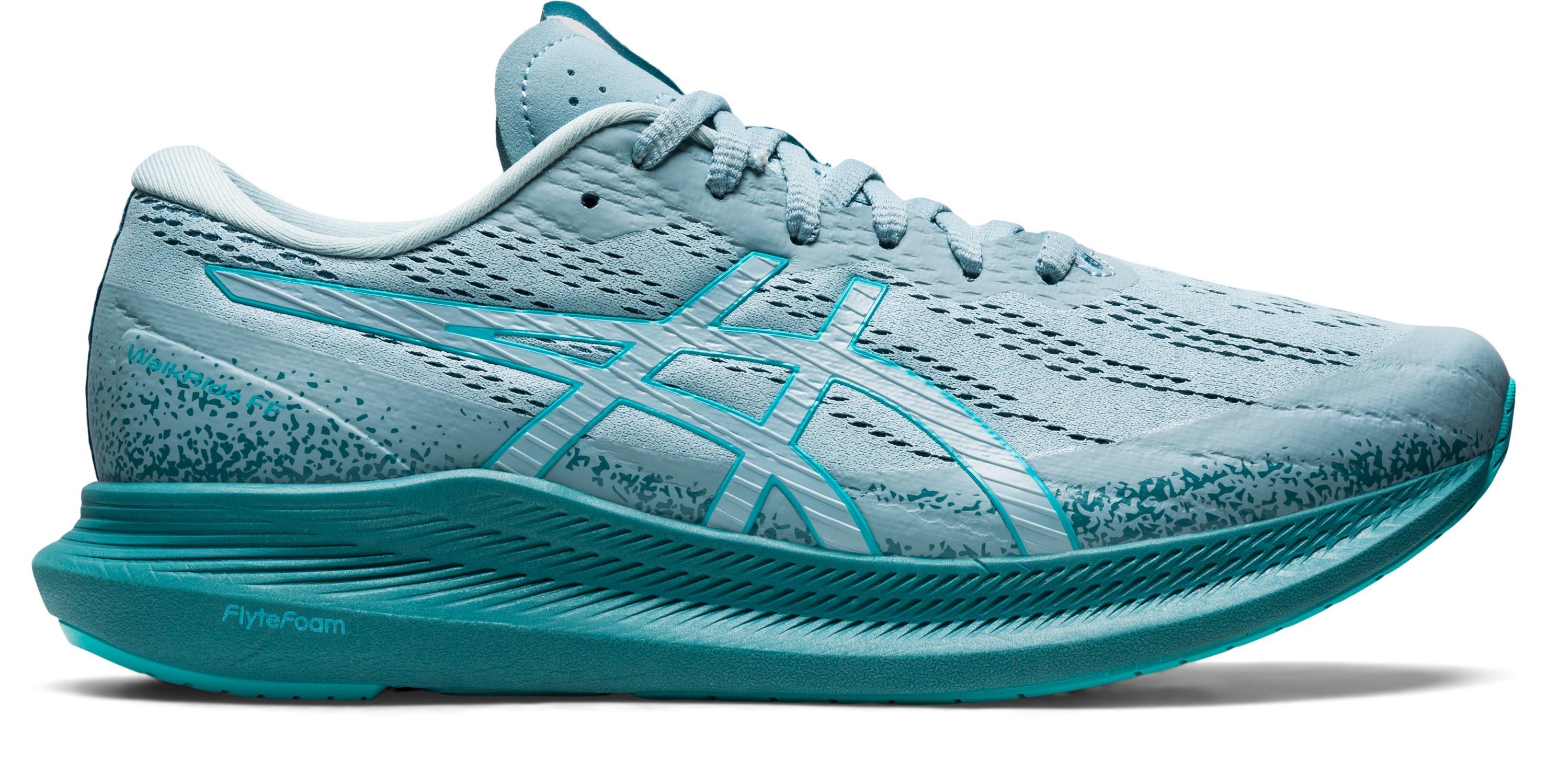
Drawing from consistent themes in podiatric advice featured on health websites, YouTube channels run by certified professionals, and product reviews in publications like Consumer Reports, several brands and models repeatedly surface as top contenders. It’s important to remember that the “best” shoe is highly individual, but these examples embody the principles podiatrists champion. For those requiring maximum stability and motion control, shoes like the Brooks Addiction Walker are frequently cited. They feature an extended progressive diagonal rollbar, a technology grounded in biomechanical research to guide the foot into a neutral position. For walkers seeking plush, protective cushioning to combat joint pain, the HOKA Bondi series, with its oversized midsole and meta-rocker geometry, is often recommended by sports podiatrists for its shock absorption and smooth transition. Another standout is the ASICS Gel-Tech Neo, which combines a spacious toe box with rearfoot and forefoot GEL cushioning systems—a technology whose viscoelastic properties are well-documented for reducing impact forces. These are not mere opinions; they are consensus choices from professionals who treat foot ailments daily.
The Investment in Your Stride: Where Professional Knowledge Meets Value
Some may hesitate at the price point of high-quality, professionally endorsed footwear. However, this is where a long-term perspective, informed by professional knowledge, reveals true value. Consider this: a visit to a podiatrist for a common ailment like plantar fasciitis can cost hundreds of dollars, not to mention the cost of custom orthotics, physical therapy, and lost activity. A pair of properly fitted, podiatrist recommended walking shoes acts as preventive medicine. They are an investment in your mobility and long-term well-being. Furthermore, value doesn’t always mean the lowest price. Many reputable brands offer previous-season models or colorways at significant discounts, providing the same core technology and support at a reduced cost. Websites of major retailers often have clearance sections for these performance models. The key is to prioritize the architectural features—the support, cushioning, and fit—over superficial details. By applying the professional knowledge of what truly matters in a shoe’s construction, you can make savvy purchases that offer both peak performance and financial sensibility, ensuring every dollar spent contributes directly to the health of your stride.
Your Personal Gait: The Final and Most Important Judge
Even the most universally praised podiatrist recommended walking shoe must pass the ultimate test: your unique foot and gait. This is why the final step in any recommendation is a personalized fitting. Podiatrists and knowledgeable fit specialists often advise shopping later in the day when feet are naturally slightly swollen, wearing the socks you intend to walk in, and ensuring about a thumb’s width of space between your longest toe and the end of the shoe. They also stress the importance of walking, not just standing, in the shoes before purchasing. Your body will give you immediate feedback. Do you feel stable? Is there any pinching or slipping? Does the shoe encourage a smooth, rolling motion? This personal trial is the practical application of all the scientific principles. It bridges the gap between objective design and subjective comfort. Remember, a shoe can have all the right technical specifications, but if it doesn’t feel right on your foot, it’s not the right shoe for you. This personalized approach ensures that the professional endorsement translates into real-world benefit for your individual journey.
Walking is our most fundamental movement, a rhythm woven into the fabric of daily life. To honor this simple yet profound activity, we must choose footwear that respects the sophisticated biology of our feet. Relying on the collective expertise of podiatrists provides a trustworthy compass in a vast and often confusing marketplace. Podiatrist recommended walking shoes represent a convergence of anatomical science, material engineering, and clinical insight, designed not just to carry you, but to protect and empower you with every step. By prioritizing these professionally vetted choices, you are doing more than buying a pair of shoes—you are investing in the foundation of your mobility, comfort, and long-term physical health. Let your next step be your most supported one yet.

