

Discover the Top Podiatrist Recommended Walking Shoes for Ultimate Comfort and Support
Walking is one of the most fundamental and beneficial forms of exercise, yet its simplicity often leads us to overlook a critical component: what we put on our feet. The wrong shoes can transform this low-impact activity into a source of chronic pain, affecting everything from your arches to your spine. This isn’t mere speculation; it’s a reality underscored by foot and ankle specialists worldwide. The quest for the perfect walking shoe isn’t about chasing fleeting fashion trends—it’s a foundational investment in your long-term musculoskeletal health. In this exploration, we delve beyond marketing claims to uncover the engineering, science, and professional endorsements behind truly supportive footwear. We’ll dissect the anatomy of a superior walking shoe, present models that consistently earn the trust of podiatrists, and explain why features like arch support and heel counters are non-negotiable for daily ambulation. By aligning your choice with podiatrist recommended walking shoes, you’re not just buying footwear; you’re adopting a proactive strategy for wellness, step by confident step.
The Foundation of Foot Health: Why Podiatrist Endorsement Matters
To understand the weight of a podiatrist’s recommendation, one must first appreciate the complex biomechanics of walking. The human foot is a marvel of engineering, comprising 26 bones, 33 joints, and over 100 muscles, tendons, and ligaments. Each step you take is a coordinated cascade of events—heel strike, foot flat, mid-stance, heel-off, and toe-off. When this gait cycle is disrupted by improper footwear, the consequences ripple upward. Podiatrists, or Doctors of Podiatric Medicine (DPM), are the medical professionals trained to diagnose and treat conditions of the foot, ankle, and related structures of the leg. Their recommendations are rooted in a deep understanding of biomechanics, pathology, and preventive care. As Dr. Miguel Cunha, founder of Gotham Footcare in New York City, often notes, “Shoes are the foundation of our body. Wearing shoes that lack adequate support can lead to a variety of foot problems such as plantar fasciitis, bunions, hammertoes, and neuromas.” This perspective is echoed in literature from authoritative institutions like the American Podiatric Medical Association (APMA), which grants its Seal of Acceptance to products that promote good foot health. Therefore, seeking out podiatrist recommended walking shoes is akin to consulting an architect before building a house on a shaky foundation. It’s a decision based on clinical evidence and a preventative approach to health, ensuring the shoe works in harmony with your body’s natural design rather than against it.
Decoding the Anatomy of a Superior Walking Shoe
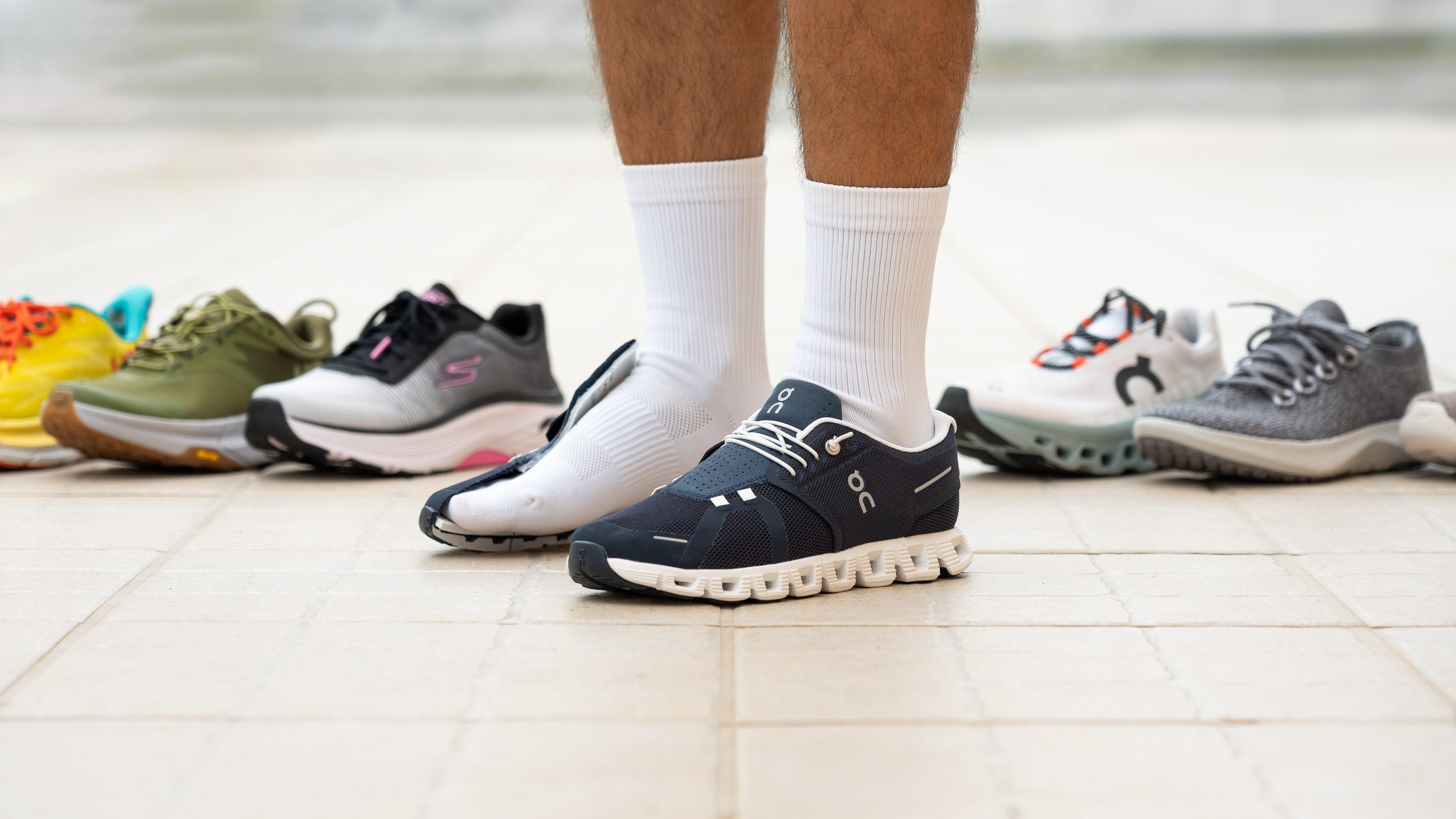
Not all athletic shoes are created equal. Running shoes, for instance, are designed for forward motion and impact absorption from the heel, while walking shoes must prioritize stability and support through a fuller roll of the foot. When evaluating podiatrist recommended walking shoes, several non-negotiable elements come to the fore. First is the heel counter: the firm cup at the back of the shoe that cradles the heel bone (calcaneus). A study published in the Journal of Foot and Ankle Research emphasizes that a rigid heel counter is crucial for controlling rearfoot motion, preventing excessive pronation (inward roll) or supination (outward roll). Second is the midsole, typically made from EVA (ethylene-vinyl acetate) or polyurethane. This layer is the primary shock absorber. However, density matters. A dual-density midsole, where the medial (inner) side is firmer, provides essential arch support and motion control, a feature frequently highlighted in shoe analyses on expert sites like Runner’s World and Verywell Fit. Third is the toe box. It must be wide and deep enough to allow your toes to splay naturally without rubbing. This aligns with the principles found in “Born to Run” by Christopher McDougall, which, while focused on minimalist running, sparked a wider conversation about natural foot function and the perils of cramped toe boxes. Finally, flexibility is key—but in the right place. A good walking shoe should bend easily at the ball of the foot (the metatarsophalangeal joints) to facilitate the toe-off phase, but remain torsionally rigid through the midfoot to maintain stability. This intricate balance of cushioning, control, and flexibility is what separates a generic sneaker from a purpose-built, health-conscious walking companion.
Top Contenders: Shoes That Consistently Earn Professional Praise
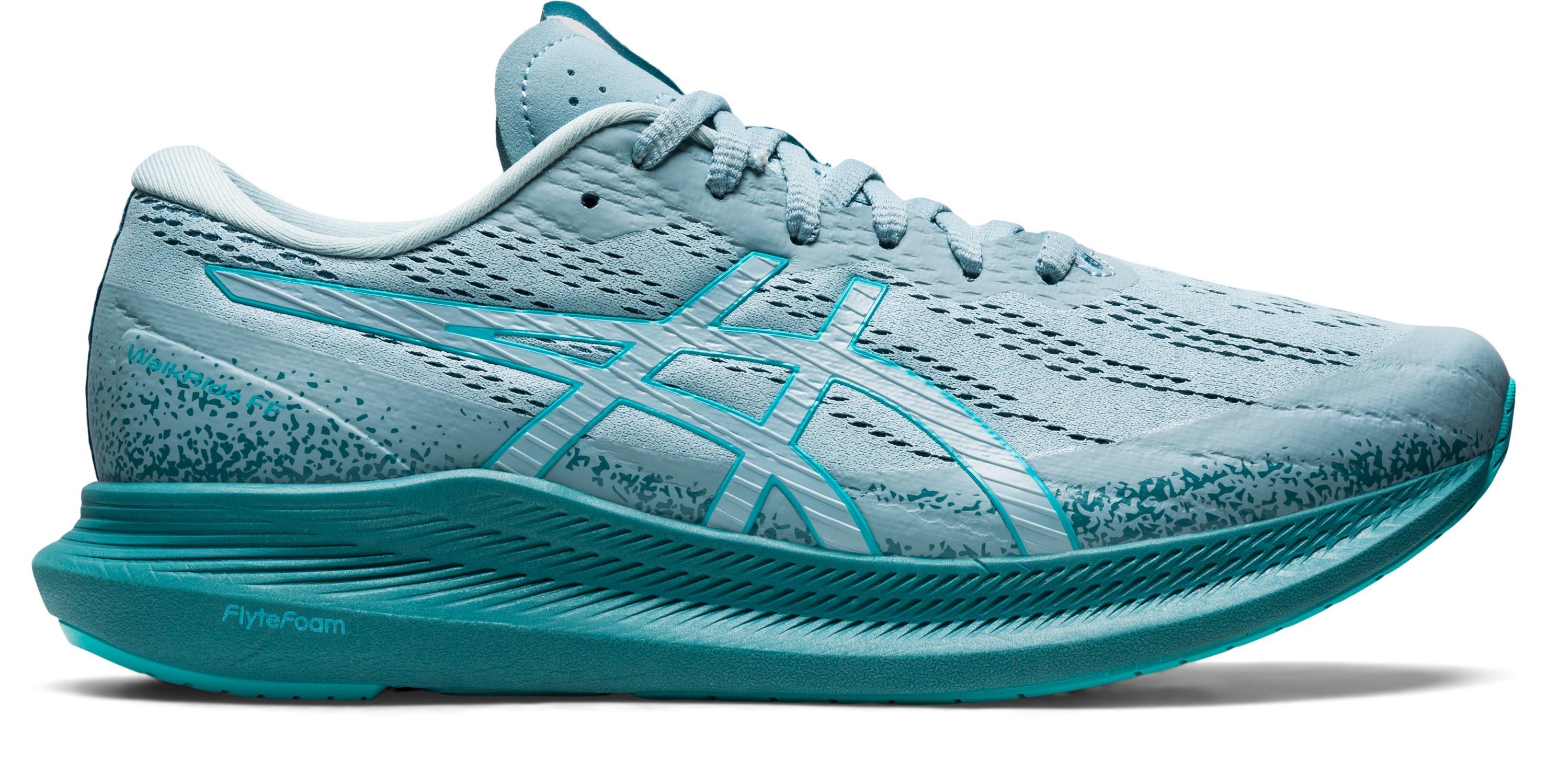
While individual foot needs vary, certain brands and models have garnered repeated acclaim from podiatrists and orthopaedic specialists for their consistent application of sound biomechanical principles. Brands like New Balance, Brooks, ASICS, and HOKA ONE ONE frequently top these lists. For instance, the Brooks Addiction Walker is a perennial favorite, often cited for its extended progressive diagonal rollbar (a proprietary support system) that offers maximum stability for overpronators. Similarly, the New Balance 928 is a classic, built with a leather upper for structure and a rollbar technology for motion control, making it a frequent recommendation for those with flat feet or arthritis. The HOKA ONE ONE Bondi series, with its meta-rocker geometry and exceptional cushioning, is praised for reducing stress on joints, a benefit highlighted by many physical therapists on platforms like YouTube. ASICS, with its heritage in motion analysis, produces models like the Gel-Kayano that provide superb guidance and impact absorption. It’s important to note that the APMA’s Seal of Acceptance list is an excellent, unbiased resource for vetted products. These podiatrist recommended walking shoes aren’t chosen for hype; they are validated through design that addresses real physiological needs. As noted on Quora by a practicing podiatrist, “I don’t get kickbacks from brands. I recommend shoes based on their last (shape), stability features, and how they manage force transfer. These models have proven track records in my clinic.”
Beyond the Shoe: The Synergy of Fit, Socks, and Gait Analysis
Purchasing a top-tier shoe is only half the battle; perfecting the fit completes the mission. A universal truth among foot care professionals is that the best shoe in the world is ineffective if it doesn’t fit your unique foot. This means shopping in the afternoon when feet are naturally slightly swollen, measuring both feet (as they often differ in size), and ensuring about a thumbnail’s width of space between your longest toe and the end of the shoe. The role of socks is also underrated. Moisture-wicking materials like merino wool or synthetic blends prevent blisters and keep feet dry, enhancing the shoe’s comfort and performance. For those with specific issues, such as diabetic neuropathy or severe overpronation, a custom orthotic from a podiatrist may be the final piece of the puzzle. These medical-grade inserts work synergistically with a supportive shoe to correct alignment and redistribute pressure. Furthermore, consider a professional gait analysis. Many specialty running stores offer this service, using treadmills and cameras to observe your walking pattern. This objective data can be invaluable, guiding you toward the specific category of podiatrist recommended walking shoes—neutral, stability, or motion control—that your body truly requires. It’s a holistic approach: the shoe is the tool, but proper fitting and support turn that tool into a personalized health asset.
Investing in Your Stride: Where Value Meets Vitality
It’s tempting to view high-quality walking shoes as a significant expense, but this perspective shifts when framed as a long-term investment in preventative healthcare. Consider the cost of treating a single case of plantar fasciitis: co-pays for doctor visits, physical therapy sessions, orthotics, and potential lost productivity due to pain. Suddenly, the price premium for a properly engineered shoe diminishes. The good news is that value doesn’t always mean full retail price. To bring professional-grade comfort to your doorstep without straining your budget, be a savvy shopper. Look for previous-season models, which often see substantial discounts as new colorways are released. The core technology and support structures typically remain unchanged. Sign up for newsletters from reputable brands and retailers to get alerts on sales and exclusive coupon codes. Outlet stores and certified online retailers can also offer significant savings. Remember, the goal is to acquire podiatrist recommended walking shoes that deliver on their promise of support and durability. A well-constructed pair from a reputable brand, even purchased at a discount, will almost always outlast and outperform multiple pairs of cheap, unsupportive alternatives. You are not just buying a product; you are funding your mobility, comfort, and active lifestyle for the miles ahead.

The journey to finding the ideal walking shoe culminates not in a mere purchase, but in a transformation of your daily experience. Each step taken in a shoe that aligns with podiatric wisdom is a step away from discomfort and toward sustainable vitality. The convergence of robust heel counters, intelligent midsole design, and a respectful toe box creates an environment where your feet can function as nature intended. By prioritizing models that carry the endorsement of foot health experts and the APMA Seal, you leverage clinical insight for your personal benefit. Let this be your new standard: footwear that serves as a reliable partner in health, not a hidden source of ailment. Embrace the confidence that comes from knowing your foundation is solid. Your feet, and indeed your entire body, will thank you for the miles to come, proving that the right podiatrist recommended walking shoes are far more than an accessory—they are essential equipment for the lifelong walk of well-being.
:max_bytes(150000):strip_icc()/podiatrist-recommended-walking-shoes-e1b90077185d4e6cadbf6327c4d17db7.jpg)
