

Discover the Best Podiatrist Recommended Walking Shoes for All-Day Comfort
Your feet are your foundation, and the shoes you choose can either support that foundation or undermine it entirely. For anyone who spends significant time on their feet—whether navigating city streets, exploring nature trails, or managing the demands of a busy workday—the quest for true comfort is paramount. This isn’t merely about avoiding blisters or finding a soft insole; it’s about aligning with the biomechanical principles that govern healthy movement. Ordinary footwear often falls short, prioritizing fleeting trends over sustained support, which can lead to a cascade of discomfort from your soles to your spine. The solution lies not in generic advice but in specialized guidance: podiatrist recommended walking shoes. These are footwear options vetted by medical professionals who specialize in foot health, designed to provide the precise blend of cushioning, stability, and anatomical alignment needed for enduring comfort. This article delves into the science behind these recommendations, explores the critical features that define the best options, and guides you toward choices that bring professional-grade support and value to your daily stride.
The Science of Stride: Why Podiatrist Endorsement Matters
To understand the value of a podiatrist recommended walking shoe, one must first appreciate the complex engineering of the human foot. Each foot contains 26 bones, 33 joints, and over 100 muscles, tendons, and ligaments, all working in concert to provide balance, propulsion, and shock absorption. According to biomechanics literature from institutions like the University of California’s Department of Orthopaedic Surgery, improper footwear can disrupt this delicate system, leading to overpronation (excessive inward roll) or supination (outward roll), which in turn places undue stress on the ankles, knees, hips, and lower back. A podiatrist, or Doctor of Podiatric Medicine (DPM), is trained to diagnose and treat conditions of the foot, ankle, and related structures of the leg. Their recommendations are rooted in preventing and alleviating such issues. As noted on authoritative medical websites like the American Podiatric Medical Association (APMA), shoes bearing their Seal of Acceptance have been evaluated by a committee of podiatrists and found to promote good foot health. Therefore, when a podiatrist recommends a shoe, it is not a subjective style preference but an evidence-based endorsement of its structural integrity. It signifies that the shoe offers adequate heel counter stiffness to control motion, sufficient forefoot flexibility to allow for a natural toe-off, and an appropriate heel-to-toe drop to minimize strain on the Achilles tendon. This scientific grounding transforms a simple purchase into an investment in your musculoskeletal well-being.

Arch Support: The Non-Negotiable Pillar of Comfort
Perhaps the most frequently cited feature by foot specialists is proper arch support. The arch of your foot acts as a natural shock absorber, dissipating the force of each step. However, without external support in footwear, this arch can flatten over time (a condition known as fallen arches or overpronation), leading to plantar fasciitis, a painful inflammation of the band of tissue connecting your heel to your toes. The value of arch support is echoed across platforms from Quora discussions featuring podiatrists to YouTube channels like “Foot & Ankle Center,” where certified DPMs demonstrate the difference supportive shoes make. A true podiatrist recommended walking shoe will have a well-contoured footbed that matches your arch type—whether neutral, low, or high. This isn’t a one-size-fits-all cushion; it’s a strategic structure that maintains the foot’s natural alignment. For instance, brands often praised by podiatrists, such as Brooks or ASICS, incorporate proprietary technologies like GuideRails or Dynamic DuoMax Support that don’t just cushion the arch but actively guide the foot’s motion to prevent excessive inward rolling. This level of support ensures that the body’s weight is distributed evenly across the foot, preventing hotspots of pressure that cause fatigue. When you try on such a shoe, you should feel a firm yet comfortable lift along the inner side of your midfoot, a sensation that the shoe is working with your anatomy, not against it. This foundational feature is why many podiatrists steer patients away from flat, unsupportive fashion sneakers and toward engineered solutions designed for sustained wear.
Material and Construction: Where Durability Meets Breathability
The longevity and environment of your shoe are dictated by its materials. A podiatrist looks beyond the upper’s aesthetics to assess its functional properties. High-quality podiatrist recommended walking shoes often utilize engineered mesh uppers. This material, as explained in product design literature from sources like Footwear News, provides a critical balance: it is lightweight and exceptionally breathable, allowing heat and moisture to escape, which reduces the risk of fungal infections and blisters, yet it is woven with strategic synthetic overlays to provide structure and lockdown for the midfoot. The importance of a secure fit cannot be overstated; a foot sliding within a shoe creates friction, the primary cause of blister formation. Furthermore, the midsole material is a key differentiator. While generic shoes may use basic foam that compresses quickly, leading to a loss of cushioning, podiatrist-favored brands invest in advanced compounds like Brooks’ DNA LOFT or HOKA’s Profly+. These materials are not only soft for comfort but are also resilient, meaning they return to their original shape after each compression, providing consistent cushioning mile after mile. The outsole, too, receives scrutiny. Durable carbon rubber in high-wear areas (like the heel) paired with lighter blown rubber in the forefoot offers a combination of longevity and flexibility. This meticulous construction ensures the shoe remains a reliable partner for hundreds of miles, protecting your investment and, more importantly, your feet.
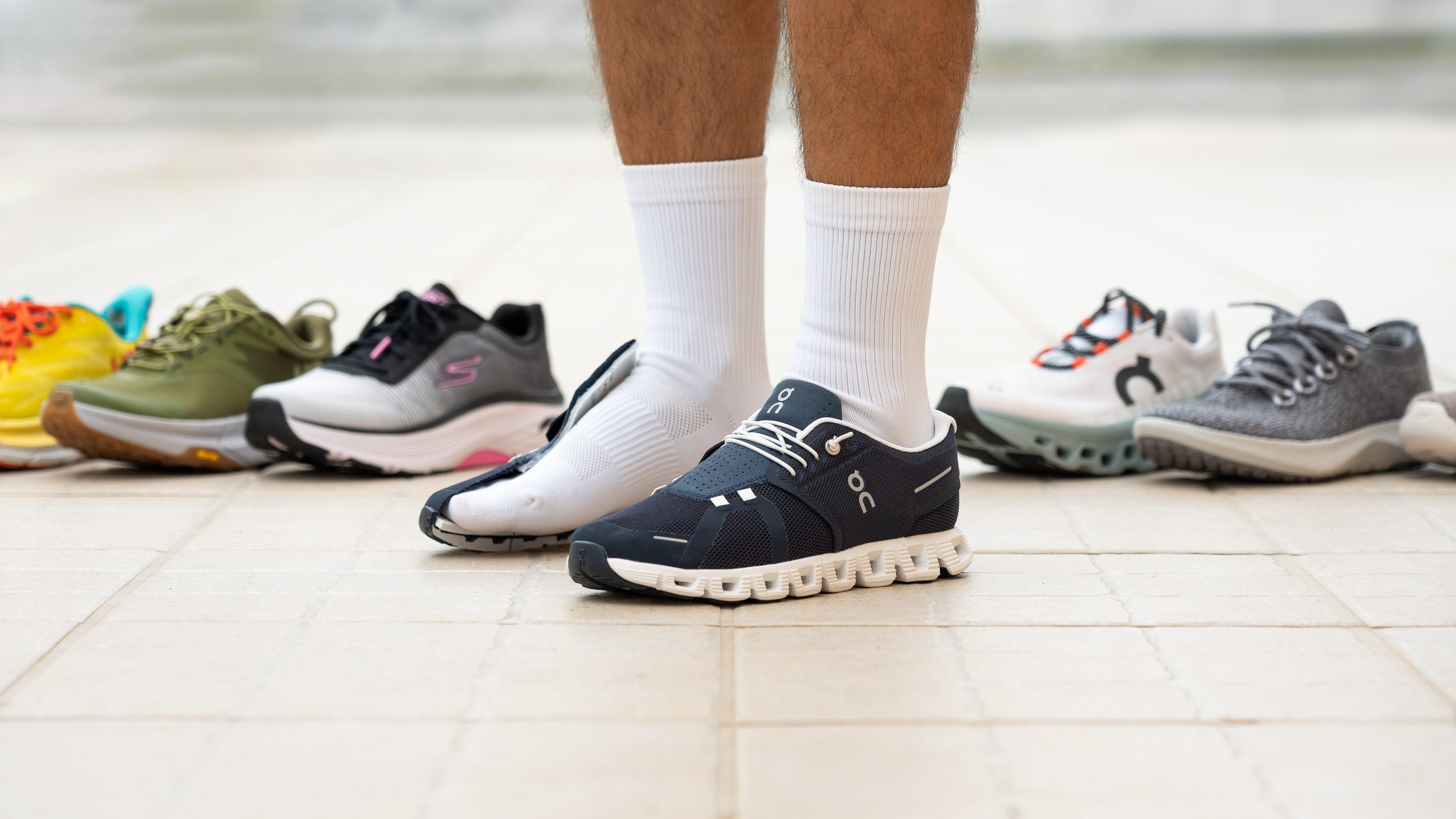
Navigating the Market: Key Features to Prioritize
With an understanding of the “why,” the next step is mastering the “what to look for.” The market is flooded with options labeled as walking shoes, but only a subset meets the rigorous criteria aligned with podiatric wisdom. First, prioritize a roomy toe box. As highlighted by Dr. Jacqueline Sutera, a prominent New York City podiatrist often quoted in health magazines, cramped toes can lead to deformities like bunions and hammertoes. Your toes should be able to wiggle freely without touching the front or sides of the shoe. Second, seek a stable heel counter. Pinch the back of the shoe; it should be firm and resist collapsing. This cup-like structure stabilizes the heel, preventing side-to-side motion that can contribute to ankle sprains and Achilles tendinitis. Third, examine the shoe’s flexibility. It should bend easily at the ball of the foot (where your toes meet the metatarsals) but remain rigid through the arch. This mimics the natural foot motion during the gait cycle. Finally, do not underestimate the importance of a proper fit. Your feet swell throughout the day, so it’s best to shop for shoes in the afternoon or evening. There should be about a thumb’s width of space between your longest toe and the end of the shoe. These are not mere shopping tips; they are clinical guidelines repurposed for consumer empowerment, helping you identify those true podiatrist recommended walking shoes amidst a sea of imitators.
The Value Proposition: Professional Knowledge Meets Accessible Pricing
There exists a common misconception that shoes endorsed by healthcare professionals must carry a prohibitively high price tag. While it is true that advanced engineering and quality materials command value, this does not equate to inaccessibility. The key is understanding where the value lies and how to access it strategically. The professional knowledge embedded in a podiatrist recommended walking shoe—the biomechanical research, the clinical testing, the premium materials—translates directly into cost-per-wear savings. A $150 shoe that lasts for 500 miles of comfortable walking and prevents a $300 podiatrist visit for plantar fasciitis is a net gain. Furthermore, the market offers numerous avenues for discounted prices without sacrificing quality. Consider previous model years: when a brand like New Balance or Saucony releases an updated version of a popular model (e.g., the New Balance 990v6), the v5 often sees significant price reductions while retaining its core podiatrist-approved features. Major holiday sales events, outlet stores, and reputable online retailers frequently offer discounts on these performance models. As the saying goes, attributed to business philosopher Jim Rohn, “Take care of your body. It’s the only place you have to live.” Investing in footwear that cares for your foundation is a fundamental act of self-care, and savvy shopping makes this investment both wise and economical.
:max_bytes(150000):strip_icc()/tal-roundup-podiatrist-loved-shoes-on-sale-tout-bdbf5721fa5642efa38b61f6a5b4ff34.jpg)
Stepping Forward with Confidence
The journey to all-day comfort begins with a single, well-supported step. By prioritizing the principles of podiatric science—rigorous arch support, intelligent material construction, and an anatomical fit—you move beyond guesswork and into the realm of informed choice. Podiatrist recommended walking shoes are more than products; they are tools for sustained vitality, enabling you to move through your world with reduced pain and increased endurance. They embody a synthesis of professional knowledge and practical design, proving that health-conscious features can be found at accessible price points with mindful shopping. Let your next pair of shoes be a decision made not from a place of fleeting fashion, but from a foundation of understanding and self-care. Your feet, and the entire body they support, will thank you with every comfortable mile.
:max_bytes(150000):strip_icc()/shp-best-brooks-walking-shoes-tout-f67df3ab5afa4c08a24a63ae6dca3444.jpg)
