

Discover the Best Podiatrist Recommended Walking Shoes for All-Day Comfort
Imagine ending a long day on your feet without the familiar ache in your heels, the tightness in your arches, or the nagging pain in your joints. This isn’t a distant dream but a tangible reality achievable by making one critical change: your footwear. The quest for all-day comfort begins not with willpower, but with the foundation you provide for your body with every step. This article delves into the science, expert opinions, and tangible benefits of choosing podiatrist recommended walking shoes, moving beyond marketing hype to provide a clear, evidence-based guide. We will explore the anatomical principles behind proper support, dissect the key features that define a superior walking shoe, and examine recommendations backed by medical professionals. Our journey is not about following fleeting trends; it’s about understanding how the right shoes function as essential tools for health, mobility, and sustained vitality, ultimately bringing professional knowledge and accessible options to your doorstep.
The Foundation of Foot Health: Why Podiatrist Endorsement Matters
To comprehend the value of a podiatrist recommended walking shoe, one must first understand the complex biomechanics of walking. The human foot is a marvel of engineering, comprising 26 bones, 33 joints, and over 100 muscles, tendons, and ligaments. Each step involves a precise sequence of heel strike, foot flat, mid-stance, heel-off, and toe-off, known as the gait cycle. When this cycle is disrupted by improper footwear, the consequences ripple upward, affecting ankles, knees, hips, and even the lower back. Podiatrists, or doctors of podiatric medicine (DPM), are medical specialists trained in diagnosing and treating conditions of the foot, ankle, and related structures of the leg. Their recommendations are rooted in a deep understanding of this biomechanics. As stated by the American Podiatric Medical Association (APMA), shoes bearing their Seal of Acceptance have been evaluated by a committee of podiatrists and found to promote good foot health. This endorsement is a scientific benchmark, not a casual sponsorship. It signifies that the shoe provides adequate stability, cushioning, and motion control tailored to the needs of the average walker. Choosing such footwear is a proactive investment in preventing common ailments like plantar fasciitis, metatarsalgia, and Achilles tendinitis. In essence, these shoes are designed to work in harmony with your body’s natural mechanics, rather than forcing your feet to conform to a flawed, albeit fashionable, design.
:max_bytes(150000):strip_icc()/favorite-walking-shoes-round-up-november-2024-458c3fc0c6844adca7c0a34ebc5cfb9b.jpg)
Deconstructing Comfort: The Non-Negotiable Features of a Superior Walking Shoe
What specific elements transform an ordinary sneaker into a podiatrist-approved powerhouse for all-day wear? The answer lies in a synergy of design features, each serving a distinct physiological purpose. First, consider arch support. The arch acts as a natural shock absorber. Shoes with contoured, firm arch support help maintain this structure, preventing overpronation (excessive inward roll) or supination (outward roll), which are primary culprits of pain. Second, heel counter rigidity. A firm heel cup stabilizes the rearfoot, ensuring your heel is cradled and aligned, reducing strain on the Achilles tendon and preventing blisters. Third, adequate toe box space. The front of the shoe should be wide and deep enough to allow your toes to splay naturally upon stepping down. This prevents neuromas and bunions, conditions often exacerbated by cramped, pointed footwear. Fourth, strategic cushioning. While a plush feel is appealing, effective cushioning is about targeted energy return and impact dispersion. Materials like EVA foam, polyurethane, or proprietary gels (like ASICS’ GEL technology) are often used in the heel and forefoot to mitigate the force of each step, which can be 1.5 times your body weight. Finally, a flexible yet stable sole. The shoe should bend easily at the ball of the foot (where your foot naturally flexes) but resist twisting in the midfoot, providing a stable platform. These features, collectively validated by podiatric science, form the blueprint for any genuine podiatrist recommended walking shoe.
Evidence and Authority: Voices from Medicine and Beyond
The case for specialized footwear is bolstered by a chorus of expert voices from diverse fields. In literature, one might recall the meticulous care Sherlock Holmes gave to his boots, understanding that his deductive prowess relied on his ability to traverse London’s streets without distraction—a metaphor for the foundational importance of reliable gear. More concretely, institutions like the Harvard Medical School publications frequently highlight the link between proper footwear and the prevention of musculoskeletal pain. On platforms like YouTube, certified podiatrists like Dr. Brad Schaeffer or the “Foot & Ankle Center” channel dissect shoe reviews from a medical perspective, offering transparent assessments. On Quora and other Q&A platforms, countless testimonials from individuals suffering from chronic foot pain detail how switching to professionally recommended shoes was transformative. A notable perspective comes from renowned author and long-distance walker Rebecca Solnit, who in her book “Wanderlust: A History of Walking,” implicitly argues that the freedom to explore and think is intimately connected to the physical freedom of comfortable, unimpeded movement. These viewpoints converge on a single truth: your shoes are not merely accessories; they are the interface between your body and the world. Choosing a podiatrist recommended walking shoe is an act of aligning with this accumulated wisdom, prioritizing long-term function over short-term form.
A Curated Pathway: Navigating Your Options for Lasting Comfort
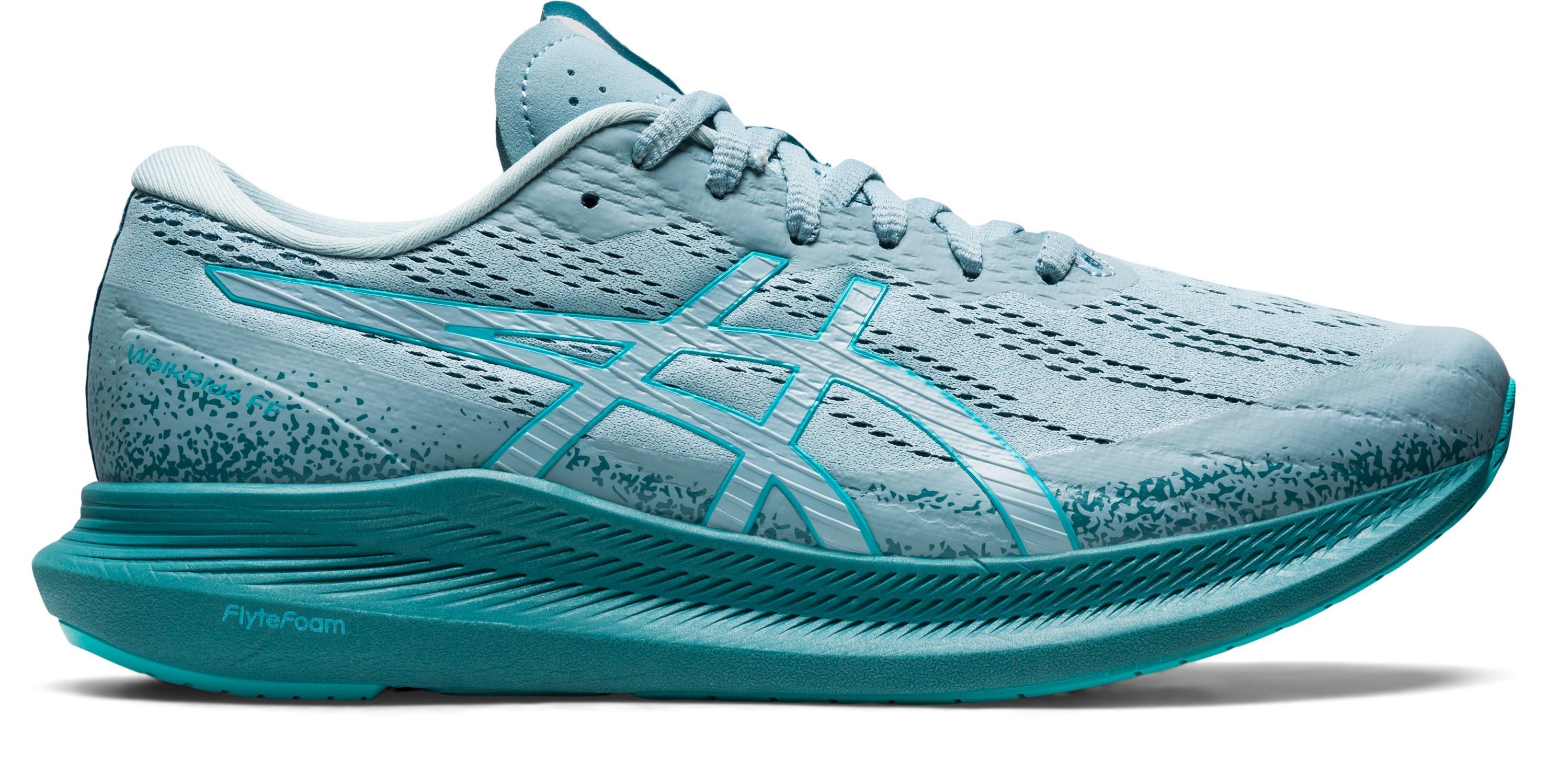
With the principles established, the practical question remains: how does one select the right shoe? The process is personal and should be guided by your unique foot shape, gait, and any pre-existing conditions. However, several brands consistently earn podiatrists’ trust due to their commitment to biomechanical research. Brands like Brooks, known for their DNA LOFT and GuideRails support technologies, often feature prominently on lists of podiatrist recommended walking shoes. Similarly, ASICS, with its focus on impact guidance and GEL cushioning systems, is a frequent favorite. New Balance offers extensive width sizing, crucial for achieving a truly custom fit. The key is to look for models specifically designed for walking, not just running repurposed, as the gait mechanics differ. When trying shoes, go later in the day when feet are naturally more swollen, wear the socks you intend to walk in, and ensure about a thumb’s width of space between your longest toe and the end of the shoe. Remember, the most expensive shoe is not necessarily the best; the best shoe is the one that disappears on your foot, allowing you to move without conscious thought or discomfort. This curated selection process empowers you to make an informed choice, transforming an overwhelming market into a navigable pathway toward comfort.
:max_bytes(150000):strip_icc()/shp-best-brooks-walking-shoes-tout-f67df3ab5afa4c08a24a63ae6dca3444.jpg)
Investing in Your Stride: Where Knowledge Meets Value
Understanding the “why” and “how” leads us to the final, crucial aspect: value. High-quality, medically-sound footwear is an investment, but it need not be a prohibitive one. The market now offers exceptional access to these specialized shoes at discounted prices through seasonal sales, outlet stores, and reputable online retailers. The true value calculation extends far beyond the price tag. Consider the cost of ignoring foot health: expenses for orthotics, physical therapy, pain medication, and lost productivity due to discomfort. A pair of properly fitted, supportive podiatrist recommended walking shoes acts as preventive medicine. Brands frequently update models, making previous versions—which still contain the core supportive technologies—available at significant discounts. The goal here is to bridge the gap between professional-grade knowledge and everyday affordability. By being a discerning shopper, you can acquire footwear that offers premium support and durability without the premium price, ensuring that the pursuit of all-day comfort is accessible and sustainable. This is the culmination of our exploration: equipping you with the insight to make choices that honor your body’s design and your budget’s reality.
:max_bytes(150000):strip_icc()/tal-roundup-podiatrist-loved-shoes-on-sale-tout-bdbf5721fa5642efa38b61f6a5b4ff34.jpg)
The journey to effortless, pain-free movement starts from the ground up. It is a decision to listen to the science of your stride and the wisdom of specialists who dedicate their lives to understanding it. Podiatrist recommended walking shoes represent more than a product category; they are a testament to the principle that foundational support enables everything else. By prioritizing anatomical alignment, strategic cushioning, and stable construction, you are not just buying shoes—you are investing in the quality of every step you take, the vitality of your daily adventures, and the long-term health of your entire musculoskeletal system. Let this knowledge guide your next choice, and feel the profound difference that comes from walking in harmony with your body’s innate design.
