

Discover the Best Podiatrist Recommended Walking Shoes for All-Day Comfort
Your feet are your foundation, and the shoes you choose for walking can mean the difference between a day filled with vibrant energy and one hampered by discomfort. For anyone who spends significant time on their feet—whether navigating city streets, exploring nature trails, or managing the demands of a busy workday—the quest for the perfect walking shoe is paramount. This isn’t merely about fashion or fleeting trends; it’s a critical investment in your long-term musculoskeletal health. The guidance of podiatrists, medical specialists dedicated to foot and ankle care, becomes an invaluable compass in this search. This article delves into the science of foot mechanics, distills the principles behind podiatrist recommended walking shoes, and guides you toward models that promise genuine, lasting comfort.
The Science of Stride: Why Your Feet Demand Expert Care
Walking is a complex, repetitive motion involving a sophisticated interplay of bones, muscles, tendons, and ligaments. Each step consists of two primary phases: the stance phase, where your foot bears weight, and the swing phase. During the stance phase, your foot must pronate (roll inward) to absorb shock and then supinate (roll outward) to become a rigid lever for propulsion. Disruptions in this gait cycle, such as overpronation or excessive supination, can lead to a cascade of issues not just in the feet, but in the ankles, knees, hips, and lower back. As Dr. Jacqueline Sutera, a New York City-based podiatrist and spokesperson for the American Podiatric Medical Association (APMA), often emphasizes, “The feet are the body’s shock absorbers. When they are not properly supported, the impact travels up the kinetic chain.” This biomechanical reality is why the recommendations of foot specialists are not mere opinions but are grounded in clinical observation and anatomical science. A podiatrist recommended walking shoe is engineered to support the foot’s natural alignment, mitigate harmful gait patterns, and distribute pressure evenly, thereby preventing common ailments like plantar fasciitis, metatarsalgia, and Achilles tendinitis.

Anatomy of a Supportive Shoe: Key Features Podiatrists Look For
When a podiatrist evaluates a walking shoe, they assess specific structural components that contribute to stability, cushioning, and fit. These features are non-negotiable for therapeutic and preventive foot care. First and foremost is arch support. Contrary to popular belief, a high arch does not necessarily require a high, rigid support, and a flat foot doesn’t always need maximum control. The ideal support matches the individual’s arch type and degree of pronation. This is often achieved through a combination of a well-contoured footbed and a supportive midsole material like EVA (ethylene-vinyl acetate) or polyurethane. Secondly, a firm heel counter is crucial. This is the rigid cup at the back of the shoe that cradles the heel, preventing excessive side-to-side motion that can strain the Achilles tendon and lead to instability. Third, adequate toe box room is essential. As noted by the Cleveland Clinic’s orthopaedic resources, a shoe that constricts the forefoot can cause or exacerbate conditions like bunions, hammertoes, and neuromas. The toe box should be deep and wide enough to allow your toes to splay naturally with each step. Finally, the right flex point—where the shoe bends—must align with the natural flex point of your foot (the ball of the foot). A shoe that bends in the wrong place, like the arch, can destabilize the foot and undermine support. These are the foundational pillars upon which all genuine podiatrist recommended walking shoes are built.
Navigating the Market: Categories of Walking Shoes for Different Needs
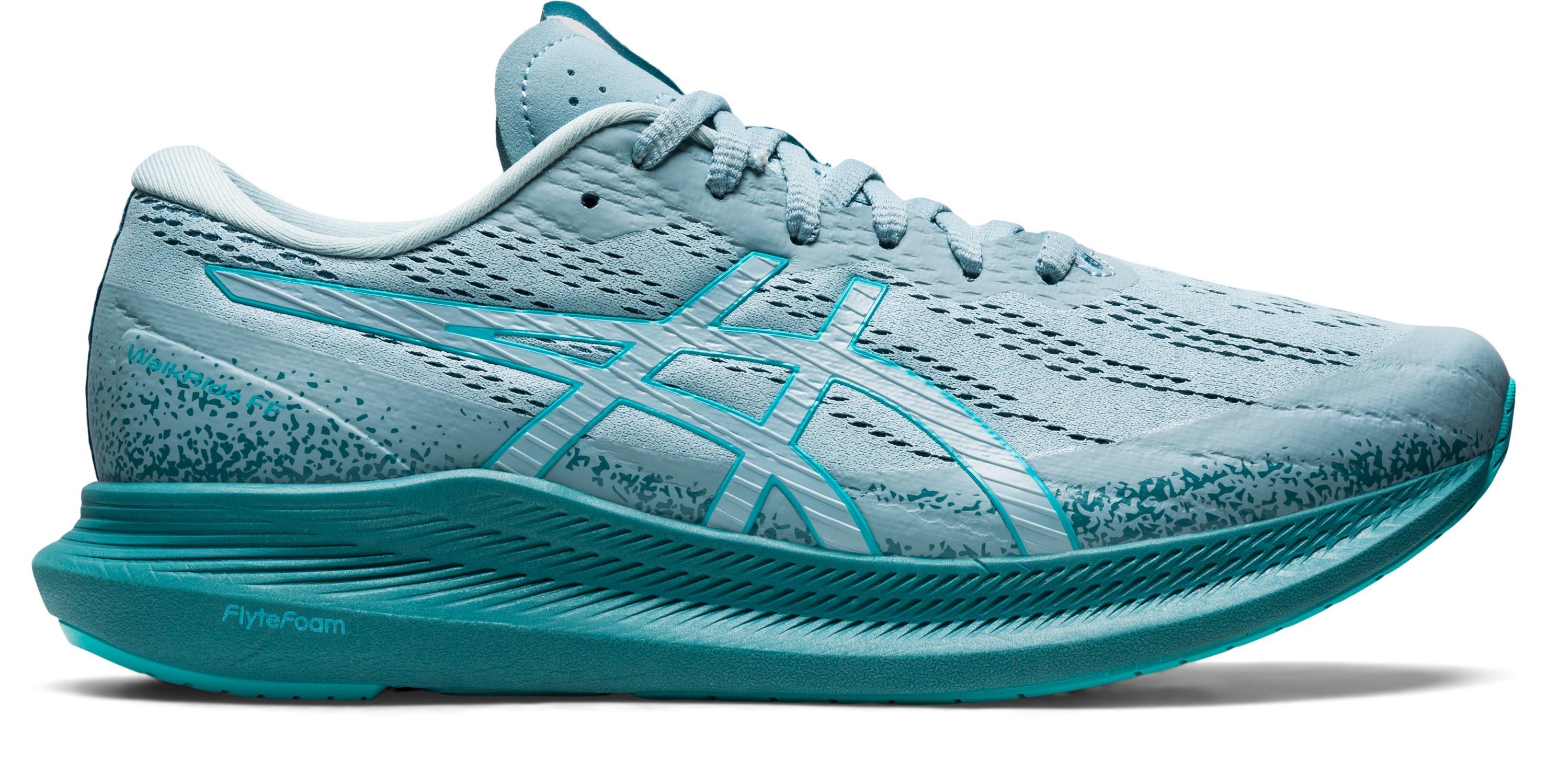
The world of walking shoes is not monolithic. Different designs cater to varying foot types, gait patterns, and activity levels. Understanding these categories helps you align your specific needs with the right product. Stability shoes are designed for individuals who overpronate. They feature denser medial (inner-side) postings in the midsole to gently guide the foot back to a neutral position. Brands like ASICS and Brooks have built their reputations on sophisticated stability technologies. Neutral cushioning shoes are ideal for those with a neutral gait or high arches (supinators). They prioritize shock absorption throughout the midsole without corrective posting, allowing for a more natural foot motion. HOKA ONE ONE, for instance, is renowned for its maximal cushioning that provides plush comfort without sacrificing stability. Then there are motion control shoes, which are the most rigid and supportive, intended for severe overpronators or individuals with significant biomechanical issues. These often incorporate extended heel counters and full-length support plates. It’s worth noting that many podiatrists caution against overly rigid shoes for the average walker, as they can prevent the foot from strengthening naturally. The key is to find a podiatrist recommended walking shoe within the category that matches your biomechanical profile, a determination best made through a professional gait analysis.
Beyond the Brand: The Critical Importance of Professional Fitting
Even the most technologically advanced shoe is ineffective if it doesn’t fit correctly. Podiatrists universally stress that a proper fitting is as important as the shoe’s specifications. This process should happen in the late afternoon or evening, as feet naturally swell throughout the day. You should have about a thumb’s width (roughly 3/8 to 1/2 inch) of space between your longest toe and the end of the shoe. Width is equally critical; you should be able to lightly pinch a small amount of upper material on the sides. The heel should fit snugly without slipping. As running legend and biomechanics expert Dr. Mark Cucuzzella often states in his public lectures,
“Your shoe is a tool, not a cure. It should protect you from the ground while allowing your foot to function as nature intended. The best shoe is the one you forget you’re wearing.”
This philosophy underscores that the ultimate goal of a podiatrist recommended walking shoe is to facilitate healthy, natural movement, not to constrain it unnecessarily. A specialist at a reputable running or walking store can provide a fitting that considers length, width, volume, and gait, ensuring the tool you choose is perfectly suited to your body’s mechanics.
Investing in Your Foundation: Where Value Meets Health
It’s a common misconception that high-quality, therapeutic footwear must carry an exorbitant price tag. While it’s true that shoes with advanced biomechanical engineering and premium materials often command a higher initial cost, their value is measured in health outcomes and longevity. A well-constructed podiatrist recommended walking shoe from a reputable brand is designed to retain its supportive properties for 300 to 500 miles of walking. When amortized over this lifespan and weighed against the potential cost of treating foot pain—from orthotics to physical therapy—the investment is prudent. Furthermore, the market offers avenues for savings. Many reputable retailers offer previous-season models at significant discounts, and these shoes contain the same core technologies as the latest versions. Subscription to brand newsletters, checking certified retailer clearance sections, and shopping during major holiday sales can yield premium footwear at accessible prices. Remember, the goal is not to find the cheapest shoe, but to secure the best value—a shoe that delivers proven support, durability, and comfort, thereby safeguarding your most valuable asset: your ability to move through life pain-free.
:max_bytes(150000):strip_icc()/podiatrist-recommended-walking-shoes-e1b90077185d4e6cadbf6327c4d17db7.jpg)
Your journey toward all-day comfort begins with a single, informed step. By prioritizing the principles of podiatric science—seeking proper arch support, a secure heel counter, ample toe room, and a professional fit—you transcend mere consumer choice and engage in an act of proactive self-care. The right pair of podiatrist recommended walking shoes is more than footwear; it is a partnership with your body’s engineering, a daily commitment to sustaining the foundation that carries you forward. Let this knowledge guide you to a pair that doesn’t just fit your feet, but supports your entire journey.

