

Discover the Best Podiatrist Recommended Walking Shoes for All-Day Comfort
Your feet are your foundation, and the shoes you choose can either support that foundation or undermine it with every step. For anyone who spends significant time on their feet—whether navigating a busy workday, exploring new cities, or simply managing daily errands—the quest for truly comfortable footwear is paramount. This isn’t merely about avoiding blisters; it’s about long-term musculoskeletal health, energy conservation, and overall well-being. The most reliable guide in this quest is not a fashion magazine or a trending social media ad, but the professional advice of podiatrists. These foot health specialists understand the intricate biomechanics of walking and the common pathologies that arise from improper support. Therefore, investing in podiatrist recommended walking shoes is not a purchase; it’s a proactive investment in your physical health. This article will dissect the science behind these recommendations, translate professional criteria into actionable buying advice, and guide you toward choices that merge clinical insight with real-world comfort, all while keeping an eye on value.
The Science of the Stride: Why Podiatrist Endorsement Matters
To understand why a podiatrist’s recommendation carries weight, we must first appreciate the complexity of the human gait. Walking is a repeated cycle of heel strike, foot flat, mid-stance, heel-off, and toe-off. Each phase places unique stresses on the bones, ligaments, and tendons of the foot and ankle. Podiatrists, through years of study and clinical practice, diagnose issues that arise when this cycle is disrupted—conditions like plantar fasciitis, metatarsalgia, bunions, and tendonitis. Their shoe recommendations are born from this diagnostic lens. A 2019 review in the Journal of Foot and Ankle Research emphasized that footwear is a first-line intervention for many common foot ailments. The criteria are specific: adequate heel counter stiffness to control rearfoot motion, sufficient forefoot width to allow natural splay, appropriate arch support to prevent overpronation or supination, and strategic cushioning to attenuate shock. Unlike generic “comfort” shoes, podiatrist recommended walking shoes are engineered to address these biomechanical needs. They often feature technologies from brands that collaborate with biomechanics labs, incorporating materials and designs that have been objectively tested for pressure distribution and motion control. When a podiatrist suggests a particular model, it is because its design parameters align with the physiological requirements for healthy ambulation, offering a preventative barrier against pain and injury.
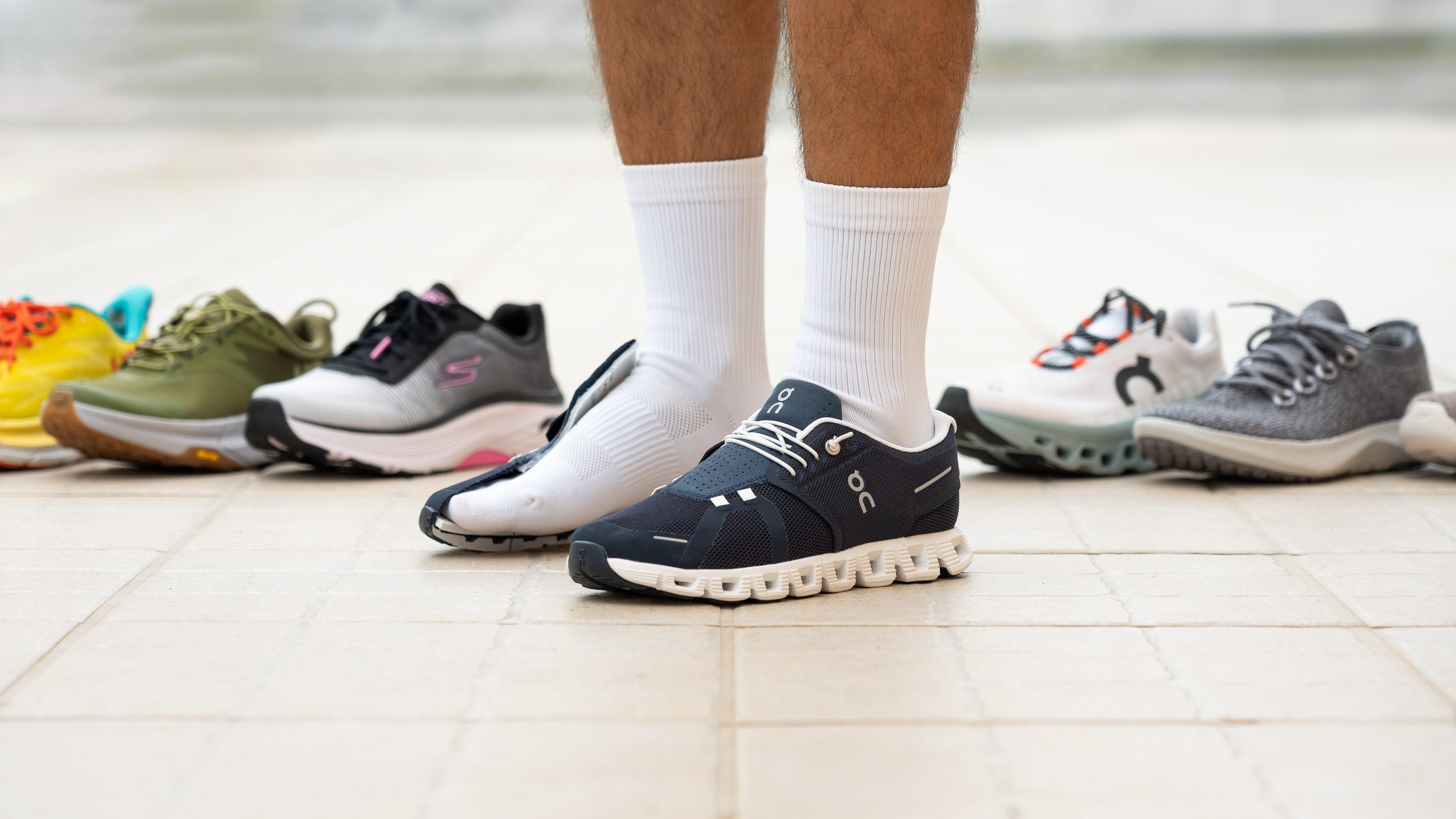
Decoding the Features: Anatomy of an Ideal Walking Shoe
Let’s move from theory to tangible components. What specific elements transform a regular shoe into a podiatrist-approved powerhouse for all-day wear? First, consider the heel counter. This is the firm cup at the back of the shoe that cradles your heel. A robust, well-padded heel counter is non-negotiable. It stabilizes the calcaneus (heel bone), preventing excessive side-to-side motion that can strain the plantar fascia and Achilles tendon. Next is the midsole, the heart of the shoe’s technology. This is where materials like EVA (ethylene-vinyl acetate), polyurethane, or proprietary gels like ASICS’ GEL or Brooks’ DNA LOFT come into play. The midsole must balance cushioning and stability. Too soft, and your foot sinks uncontrollably; too firm, and shock travels up your legs. Podiatrists often look for shoes that offer “progressive” or “guided” stability—support that adapts through the gait cycle. The arch support is equally critical. It should match your foot type (neutral, low-arch, or high-arch) to maintain the foot’s natural alignment from heel to toe. Furthermore, the toe box must be deep and wide enough to allow your toes to lie flat and splay naturally upon weight-bearing, a point famously stressed by Harvard Medical School’s health publications to prevent digital deformities. Finally, the outsole needs flexible grooves at the forefoot to facilitate a natural toe-off, coupled with durable rubber for traction. A true podiatrist recommended walking shoe integrates these features seamlessly, where no single component overpowers another, creating a harmonious system for your feet.
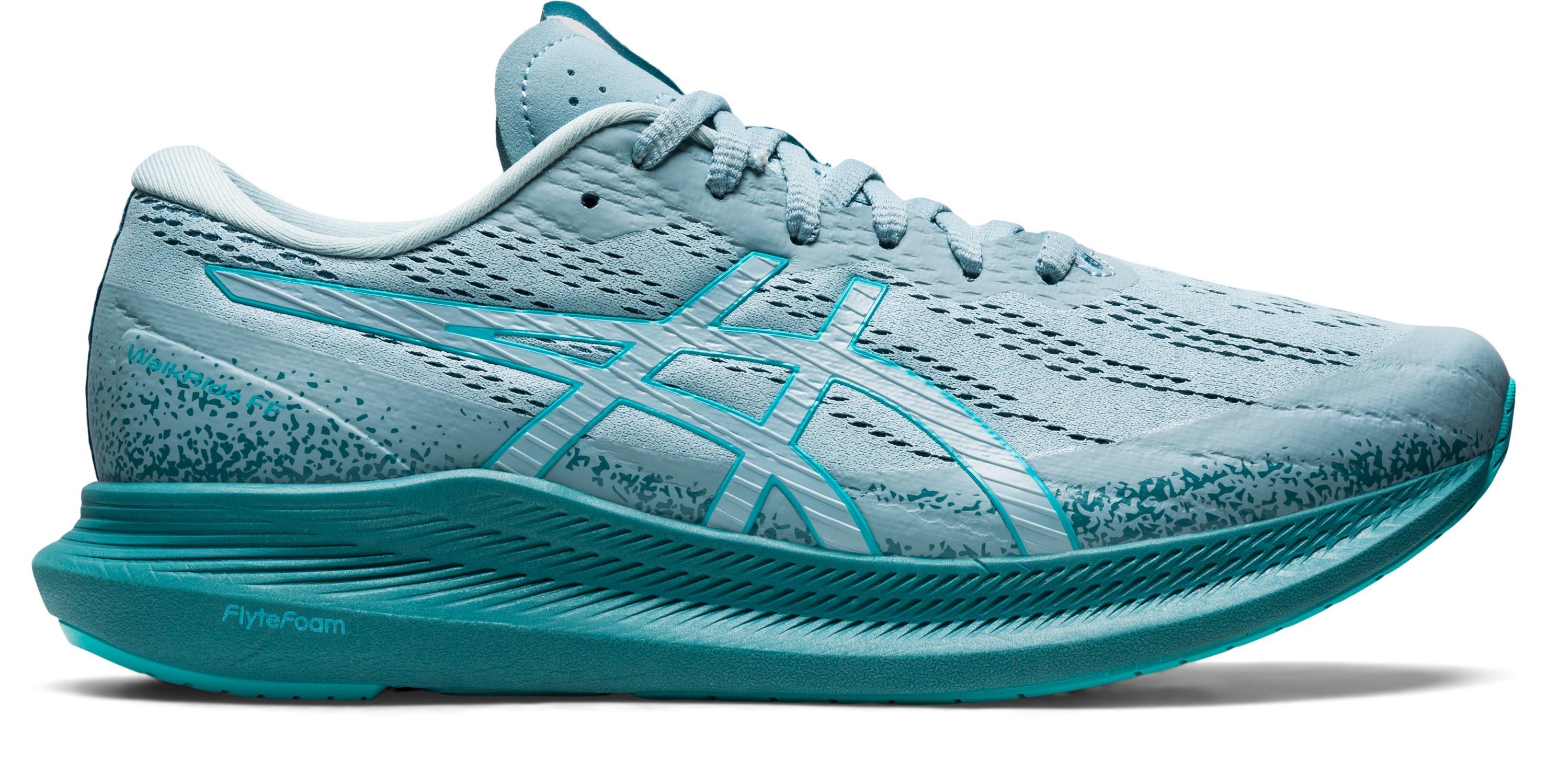
Beyond the Brand: The Podiatrist’s Selection Process
You might wonder how podiatrists arrive at their specific recommendations. The process is more nuanced than simply picking a top-selling model. Many practitioners draw from a combination of peer-reviewed literature, continuing education seminars, and direct feedback from thousands of patients. For instance, a podiatrist might recommend a shoe with a specific rocker sole design for a patient with arthritis, as studies have shown it can reduce forefoot pressure and pain during push-off. They also evaluate shoes based on their “last”—the foot-shaped form around which the shoe is built. A straight-last shoe is often recommended for overpronators, while a curved last suits those with rigid, high-arched feet. Celebrity podiatrist Dr. Emily Splichal, a frequent contributor to wellness media, often highlights the importance of “sensory feedback” from the ground, advocating for shoes that protect without completely isolating the foot. On platforms like Quora and professional forums, podiatrists frequently debate the merits of maximalist cushioning versus minimalist designs, indicating there’s no one-size-fits-all answer. Their ultimate goal is to match the shoe’s functional characteristics to the individual’s foot structure, gait pattern, and lifestyle demands. This personalized approach is what separates a clinical recommendation from a generic list. When you seek out podiatrist recommended walking shoes, you are tapping into this curated, patient-tested knowledge base, significantly increasing your odds of finding a perfect, health-conscious fit.
Real-World Testing: Where Professional Knowledge Meets User Experience
Professional criteria are essential, but the proof is in the walking. The best podiatrist recommended walking shoes consistently receive glowing testimonials from users in demanding professions—nurses, teachers, retail workers, and avid travelers. The common thread in their experiences is the elimination of end-of-day fatigue and specific pains. A nurse on a 12-hour shift might report that a recommended model with exceptional arch support and a wide toe box prevented the usual burning sensation in her forefoot. A traveler might praise the shock absorption of a particular shoe for making cobblestone streets feel manageable. These anecdotes align perfectly with the scientific principles podiatrists advocate. Websites like Wirecutter or Verywell Fit often incorporate podiatrist interviews into their rigorous testing protocols, blending expert opinion with long-term wear tests across various terrains and conditions. This synergy between clinical insight and real-world validation is powerful. It means the shoes are not just theoretically sound but practically effective. They move from being a medical device to a trusted, everyday companion that supports your adventures and responsibilities without drawing negative attention to your feet.
:max_bytes(150000):strip_icc()/I-Asked-Podiatrists-for-Their-Fall-Shoe-Recommendations-These-Are-Their-Top-8-Picks-8fbdf9d65f3a4228ae63f6e5253dc08c.jpg)
Smart Investment: Finding Value Without Compromising Health
A legitimate concern is that high-quality, biomechanically sound footwear often comes with a premium price tag. However, viewing these shoes as a long-term investment in health can reshape this perspective. A single pair of well-made, properly fitted podiatrist recommended walking shoes that prevents one bout of plantar fasciitis can save you hundreds in co-pays, physical therapy, orthotics, and lost productivity. The key is to shop strategically. First, prioritize fit over fashion or even brand loyalty. Many reputable brands offer previous-season models or colorways at significant discounts, and the core technology remains identical. Second, watch for sales from authorized retailers, especially during seasonal transitions. Third, consider the cost-per-wear. A $150 shoe worn nearly every day for a year breaks down to about 41 cents per day—a minuscule price for foundational comfort. Some direct-to-consumer brands also offer exceptional value by cutting out middlemen, passing the savings onto you while maintaining high standards of materials and construction. Remember, the most expensive shoe is the one that causes injury, forcing you to buy another pair anyway. By aligning your purchase with podiatrist-endorsed principles, you are making a fiscally and physically smart decision that pays dividends in comfort and mobility every single day.
:max_bytes(150000):strip_icc()/tal-roundup-podiatrist-loved-shoes-on-sale-tout-bdbf5721fa5642efa38b61f6a5b4ff34.jpg)
Your journey toward all-day comfort begins with a single, informed step. By prioritizing the science-backed, patient-proven criteria that define podiatrist recommended walking shoes, you move beyond guesswork and marketing hype. You choose footwear that actively partners with your body’s mechanics, preventing discomfort before it starts. This approach transforms walking from a potential source of strain into a sustained, joyful, and healthy activity. Let the combined wisdom of foot health specialists and the experiences of countless walkers guide you to shoes that don’t just feel good in the store, but support you reliably from morning until night, mile after mile.
