

Discover the Best Podiatrist Recommended Walking Shoes for All-Day Comfort
Your feet are the foundation of your movement, and the shoes you choose can either support or sabotage your daily comfort and long-term health. For anyone who spends significant time on their feet—whether navigating city streets, exploring nature trails, or managing the demands of a busy workday—the quest for the perfect walking shoe is paramount. This isn’t merely about fashion or fleeting trends; it’s a physiological necessity. The wrong footwear can lead to a cascade of issues, from immediate blisters and plantar fasciitis to chronic knee, hip, and back pain. Conversely, the right pair acts as a mobile sanctuary for your feet, absorbing impact, providing stability, and promoting a natural, healthy gait. This guide is dedicated to uncovering the science and selection behind truly effective podiatrist recommended walking shoes, moving beyond marketing hype to deliver objective, evidence-based insights that empower your next purchase.
The Science of Support: Why Podiatrist Endorsement Matters
To understand the value of a podiatrist recommended walking shoe, one must first appreciate the complex biomechanics of the human foot. Each foot contains 26 bones, 33 joints, and over 100 muscles, tendons, and ligaments, all working in concert to provide balance, propulsion, and shock absorption. A podiatrist, as a Doctor of Podiatric Medicine (DPM), specializes in the diagnosis, treatment, and prevention of disorders affecting this intricate system. Their recommendations are grounded in a deep understanding of gait analysis, foot morphology, and pathology. For instance, the American Podiatric Medical Association (APMA) grants its Seal of Acceptance to products that promote good foot health, a certification based on scientific review. When a podiatrist recommends a shoe, they are evaluating critical features like arch support, heel counter rigidity, toe box dimensions, and midsole compression resistance. These elements directly influence the foot’s alignment from the ground up, a concept known as the kinetic chain. As noted in biomechanics literature from institutions like the University of Virginia’s Motion Analysis Laboratory, improper alignment can cause excessive pronation or supination, leading to inefficient movement and injury. Therefore, a shoe bearing the podiatrist recommended distinction is not a casual suggestion; it is a prescription for biomechanical efficiency, designed to interface seamlessly with the foot’s natural structure and function, thereby preventing the debilitating pain that plagues countless individuals.
:max_bytes(150000):strip_icc()/podiatrist-recommended-walking-shoes-e1b90077185d4e6cadbf6327c4d17db7.jpg)
Deconstructing the Ideal Walking Shoe: Five Non-Negotiable Features
Navigating the sea of athletic footwear can be overwhelming. To cut through the noise, focus on these five pillars of design, each validated by podiatric science and expert consensus. First, Arch Support and Contour. The arch is the foot’s natural shock absorber. A shoe must complement your specific arch type—neutral, low, or high. Brands like Brooks and ASICS often utilize data from podiatric studies to create varied last shapes that cater to these differences. Second, the Heel Counter. This is the firm cup at the back of the shoe. A study cited in the Journal of Foot and Ankle Research emphasizes its role in controlling rearfoot motion. A sturdy, well-padded heel counter minimizes slippage and stabilizes the calcaneus (heel bone), preventing conditions like Achilles tendinitis. Third, the Midsole Cushioning and Material. This is the engine of comfort. Technologies like EVA foam, polyurethane, and proprietary gels (e.g., GEL in ASICS) are engineered to dissipate vertical impact forces. The goal isn’t just softness; it’s resilient cushioning that maintains its properties over miles. Fourth, a Roomy and Anatomical Toe Box. The toes need space to splay naturally upon foot strike. A cramped toe box can lead to neuromas, bunions, and hammertoes. Finally, Flexibility at the Forefoot. The shoe should bend easily at the ball of the foot, where your foot naturally flexes during the push-off phase of the gait cycle. A shoe that is too stiff forces the foot and lower leg muscles to work harder, leading to fatigue. When these five features converge in a single model, you have the blueprint for a true podiatrist recommended walking shoe.
:max_bytes(150000):strip_icc()/shp-best-brooks-walking-shoes-tout-f67df3ab5afa4c08a24a63ae6dca3444.jpg)
Beyond the Brand: Evidence from the Field and Clinic
Recommendations gain credibility when they are echoed across multiple authoritative platforms. On Quora and professional podiatry forums, practitioners consistently highlight brands like New Balance, HOKA, and Saucony for their commitment to biomechanical research. For example, Dr. Jacqueline Sutera, a prominent New York City podiatrist, has publicly endorsed specific models for their combination of cushioning and stability, often citing their benefits for patients with plantar fasciitis. Similarly, literature from the Spaulding National Running Center at Harvard Medical School often references the importance of individualized shoe selection based on gait, a principle central to podiatric practice. Even in popular culture, the shift towards functional footwear is evident. The book Born to Run by Christopher McDougall, while focused on running, sparked a widespread conversation about natural foot health and the role of footwear, influencing many to seek more supportive options. Furthermore, certified physical therapists and biomechanists on YouTube channels like “The Gait Guys” deconstruct shoe design, providing visual evidence of how a proper podiatrist recommended walking shoe alters gait for the better. These converging viewpoints from clinical practice, academic research, and informed public discourse create a compelling, multi-faceted argument for prioritizing medically-informed footwear choices over purely aesthetic ones.
Investing in Your Foundation: The Long-Term Value Proposition
Some may balk at the price tag of high-quality walking shoes, often ranging from $120 to $180. However, this is a profound case of “pay now or pay later.” Consider the alternative costs: co-pays for podiatrist visits, physical therapy sessions, orthotic devices, pain medications, and lost productivity due to discomfort. A single pair of properly fitted, podiatrist recommended walking shoes is a preventive health investment. They are engineered with durable materials—high-abrasion rubber outsoles, reinforced stitching, and moisture-wicking liners—that extend their functional lifespan far beyond that of a discount store shoe. The technology inside is the result of millions of dollars in research and development aimed at replicating and supporting natural human movement. As the famous quote attributed to Leonardo da Vinci goes, “The human foot is a masterpiece of engineering and a work of art.” Protecting this masterpiece requires appropriate tools. Moreover, many reputable brands offer substantial discounts during seasonal sales, through loyalty programs, or on certified refurbished models. The key is to view this purchase not as a discretionary expense but as a non-negotiable component of your wellness regimen, akin to a quality mattress or ergonomic office chair. The return on investment is measured in pain-free steps, enhanced energy, and the preservation of your mobility for years to come.
:max_bytes(150000):strip_icc()/tal-roundup-podiatrist-loved-shoes-on-sale-tout-bdbf5721fa5642efa38b61f6a5b4ff34.jpg)
Your Personal Fitting: A Step-by-Step Guide
Knowledge is power, but application is key. Here is your actionable guide to finding your perfect pair. First, get professionally measured. Foot size and shape change over time, especially width. Do this later in the day when feet are naturally slightly swollen. Second, bring the socks you intend to wear. Third, prioritize fit over size number. The ideal fit leaves a thumb’s width of space between your longest toe and the end of the shoe, with no pinching or pressure on the sides. The heel should be snug but not tight. Fourth, test them properly. Walk on a hard surface in the store, not just carpet. Pay attention to any immediate hot spots or slippage. Many specialty running stores employ staff trained in basic gait analysis—utilize their expertise. Fifth, consider your specific needs. Do you have a history of ankle rolls? Prioritize stability. Do you walk primarily on concrete? Maximize cushioning. Are you recovering from an injury? Consult your podiatrist for a model that complements your treatment. Remember, the most advanced podiatrist recommended walking shoe in the world is ineffective if it doesn’t fit your unique foot. This process is an investment of time that pays infinite dividends in comfort.
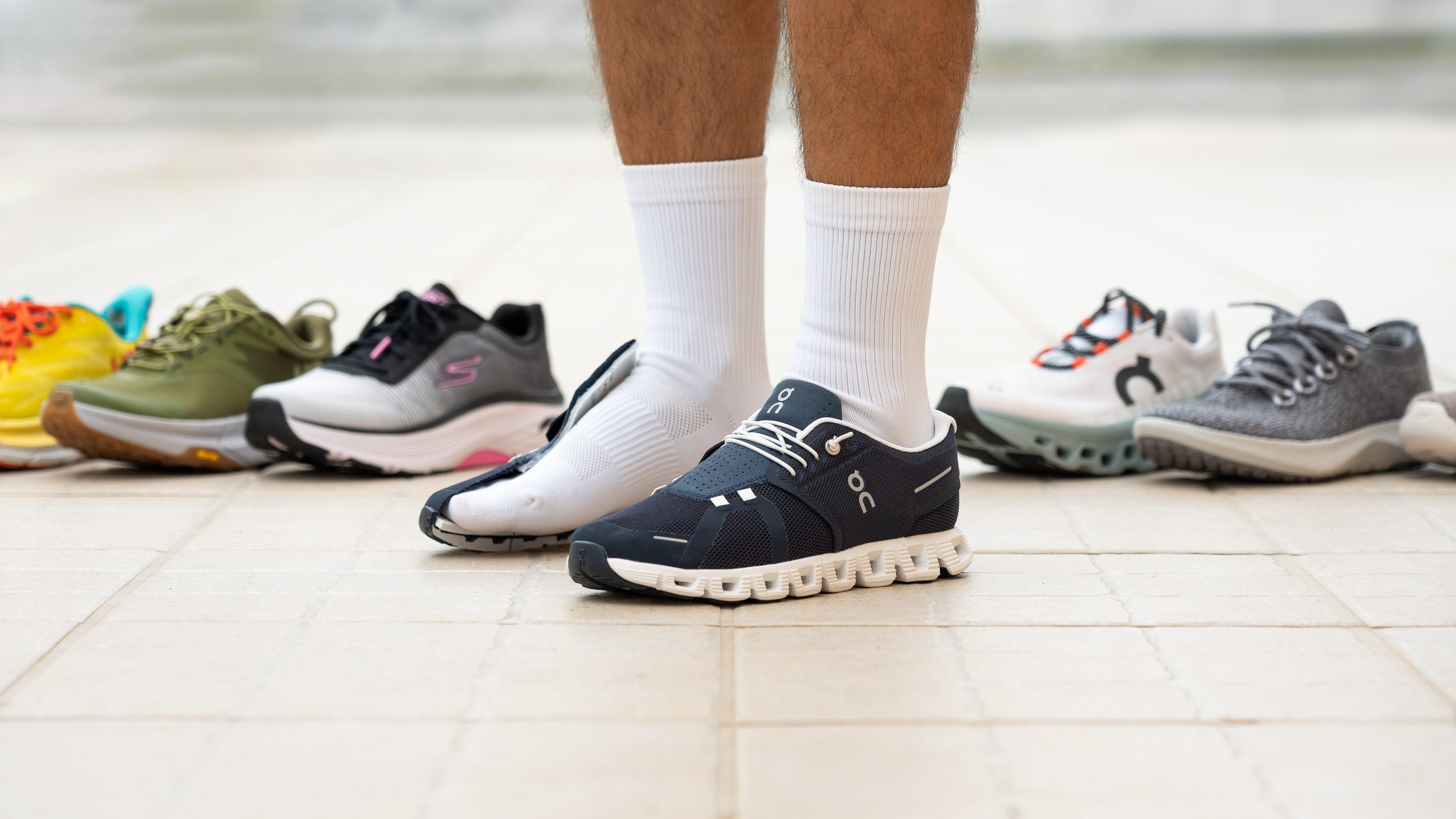
The journey to all-day comfort begins from the ground up. By choosing footwear validated by podiatric science—shoes that offer structured arch support, resilient cushioning, and anatomical design—you are doing more than buying a product; you are adopting a philosophy of proactive self-care. The evidence from clinics, research labs, and the lived experience of countless walkers is unequivocal: what you put on your feet fundamentally shapes how you move through the world. Let your next step be your most informed one, in a pair of shoes worthy of the foundation they support.
