Discover the Best Podiatrist Recommended Walking Shoes for All-Day Comfort
Your feet are your foundation, carrying you through thousands of steps each day. Yet, so often, they are an afterthought, crammed into footwear chosen for style over substance, leading to a cascade of discomfort that can ripple up through your entire body. The quest for all-day comfort isn’t merely about avoiding sore feet at the end of a shift or a long day of travel; it’s a fundamental investment in your mobility and overall well-being. This is where the expertise of podiatry becomes invaluable. Moving beyond marketing claims and fleeting trends, podiatrist recommended walking shoes are engineered based on biomechanical principles to provide support, cushioning, and stability where your feet need it most. This guide delves into the science of walking, deciphers the hallmarks of truly supportive footwear, and presents a curated selection of shoes that align with professional podiatric advice, empowering you to step forward in confidence and comfort.
The Biomechanics of Walking: Why Your Shoe Choice Matters
Walking is a complex, coordinated series of movements known as the gait cycle. It involves a delicate interplay between bones, muscles, ligaments, and tendons. A typical step consists of two main phases: the stance phase, where your foot is in contact with the ground, and the swing phase, where it is not. During the stance phase, your foot must perform three critical functions: it first acts as a mobile adapter to conform to uneven surfaces, then as a rigid lever to propel you forward, and it must also absorb shock—forces that can equal 1.5 times your body weight with each step. When footwear disrupts this natural biomechanics, problems arise. Shoes that are too flat lack arch support, potentially leading to overpronation (excessive inward rolling of the foot) and strain on the plantar fascia, the thick band of tissue running along the bottom of your foot. Conversely, shoes that are overly rigid or have an incorrect heel-to-toe drop can alter your natural stride, placing stress on your ankles, knees, hips, and even your lower back. As Dr. Jacqueline Sutera, a New York City-based podiatrist and spokesperson for the American Podiatric Medical Association (APMA), often emphasizes, “Shoes are the foundation of your body. If your foundation is unstable or unbalanced, it will affect everything above it.” Therefore, selecting a shoe designed to complement, not combat, your natural gait is not a luxury; it’s a physiological necessity for sustained, pain-free movement.

Decoding the Hallmarks of Podiatrist Approved Footwear
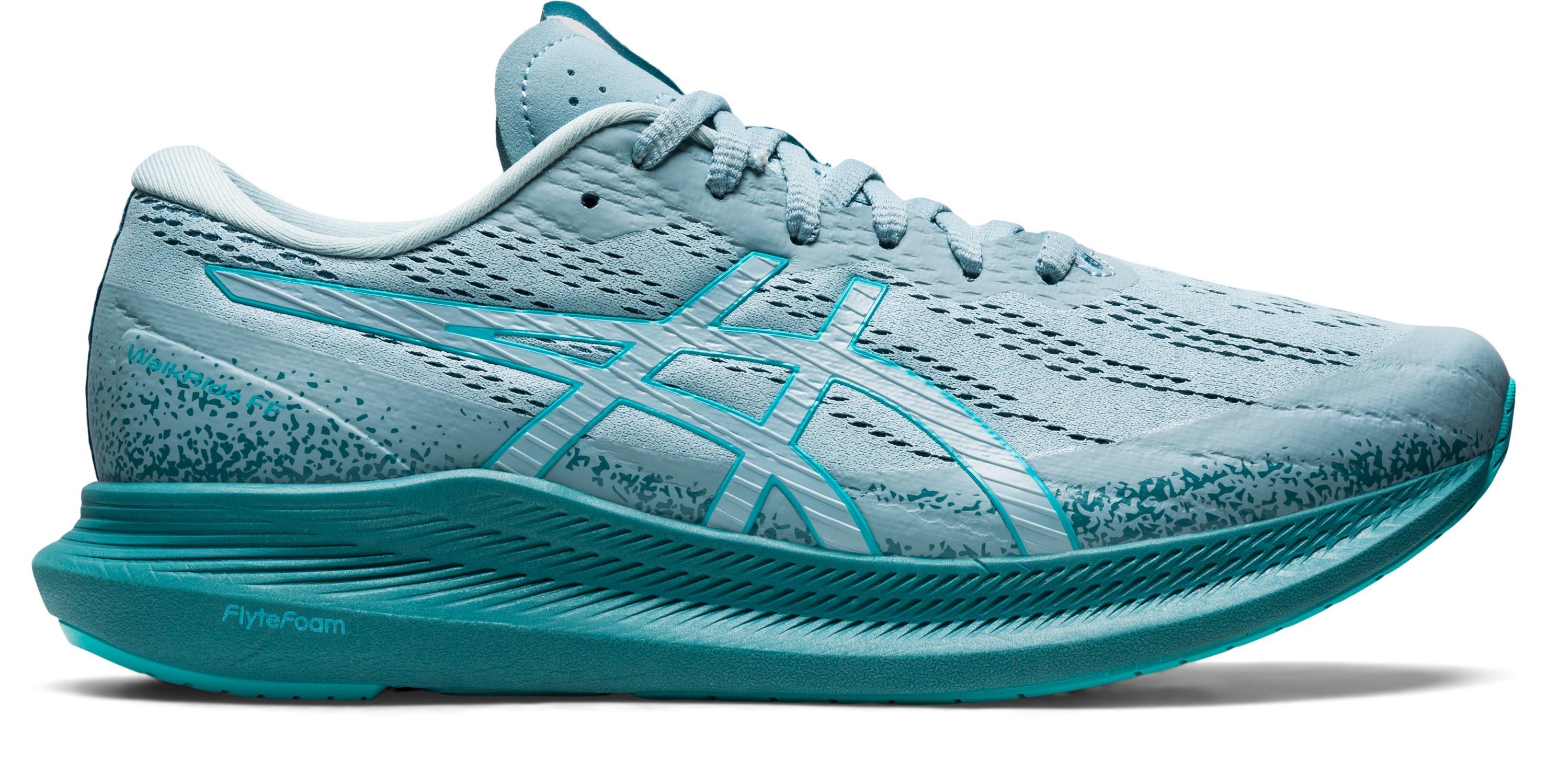
So, what specific features transform an ordinary sneaker into a pair of podiatrist recommended walking shoes? The criteria are both specific and scientifically grounded. First and foremost is arch support. The arch of your foot acts as a natural shock absorber. Proper support maintains this structure, distributing pressure evenly. This is often achieved through a combination of a well-contoured footbed and a firm midsole material like polyurethane or dense EVA. Second is heel counter rigidity. The heel counter is the back part of the shoe that cups your heel. A firm, supportive heel counter stabilizes the rearfoot, preventing excessive side-to-side motion that can lead to ankle instability and Achilles tendon strain. You can test this by trying to squeeze the back of the shoe; it should resist collapsing. Third is adequate toe box space. Your toes should not feel cramped. There should be about a thumb’s width of space between your longest toe and the end of the shoe, allowing your toes to splay naturally during push-off. This space is crucial for balance and can prevent conditions like bunions and hammertoes. Fourth is appropriate cushioning. Cushioning is not about softness alone; it’s about responsive resilience. Materials like gel, specialized foam compounds (e.g., ASICS FlyteFoam, Brooks DNA LOFT) are engineered to attenuate impact forces without being so mushy that they destabilize the foot. Finally, a flexible forefoot is key. The shoe should bend easily at the ball of the foot, where your foot naturally flexes during toe-off, but remain stable through the midfoot. This combination allows for a natural, efficient stride. Many models that earn the APMA’s Seal of Acceptance excel in these areas, providing a reliable benchmark for consumers seeking podiatrist recommended walking shoes.
:max_bytes(150000):strip_icc()/podiatrist-recommended-walking-shoes-e1b90077185d4e6cadbf6327c4d17db7.jpg)
Beyond the Basics: Materials, Weight, and Breathability
While structural features are paramount, the materials used in construction play a significant supporting role in long-term comfort and foot health. Breathable uppers, often made from engineered mesh, allow for air circulation, reducing heat buildup and moisture that can lead to blisters and fungal infections. The importance of moisture-wicking linings cannot be overstated for those who walk for extended periods or in warmer climates. Furthermore, the overall weight of the shoe impacts energy expenditure. Lighter shoes reduce the metabolic cost of walking, a concept supported by research in sports science literature from institutions like the University of Colorado Boulder. Each extra gram on your feet requires more energy to swing through the gait cycle, contributing to premature fatigue. Therefore, the best podiatrist recommended walking shoes often strike a delicate balance: they are substantial enough to provide robust support and durability, yet engineered to be as lightweight as possible without compromising their core stabilizing functions. This holistic approach to design—considering not just shape but also substance—is what separates professional-grade walking shoes from their casual counterparts.
A Closer Look at Recommended Styles and Technologies
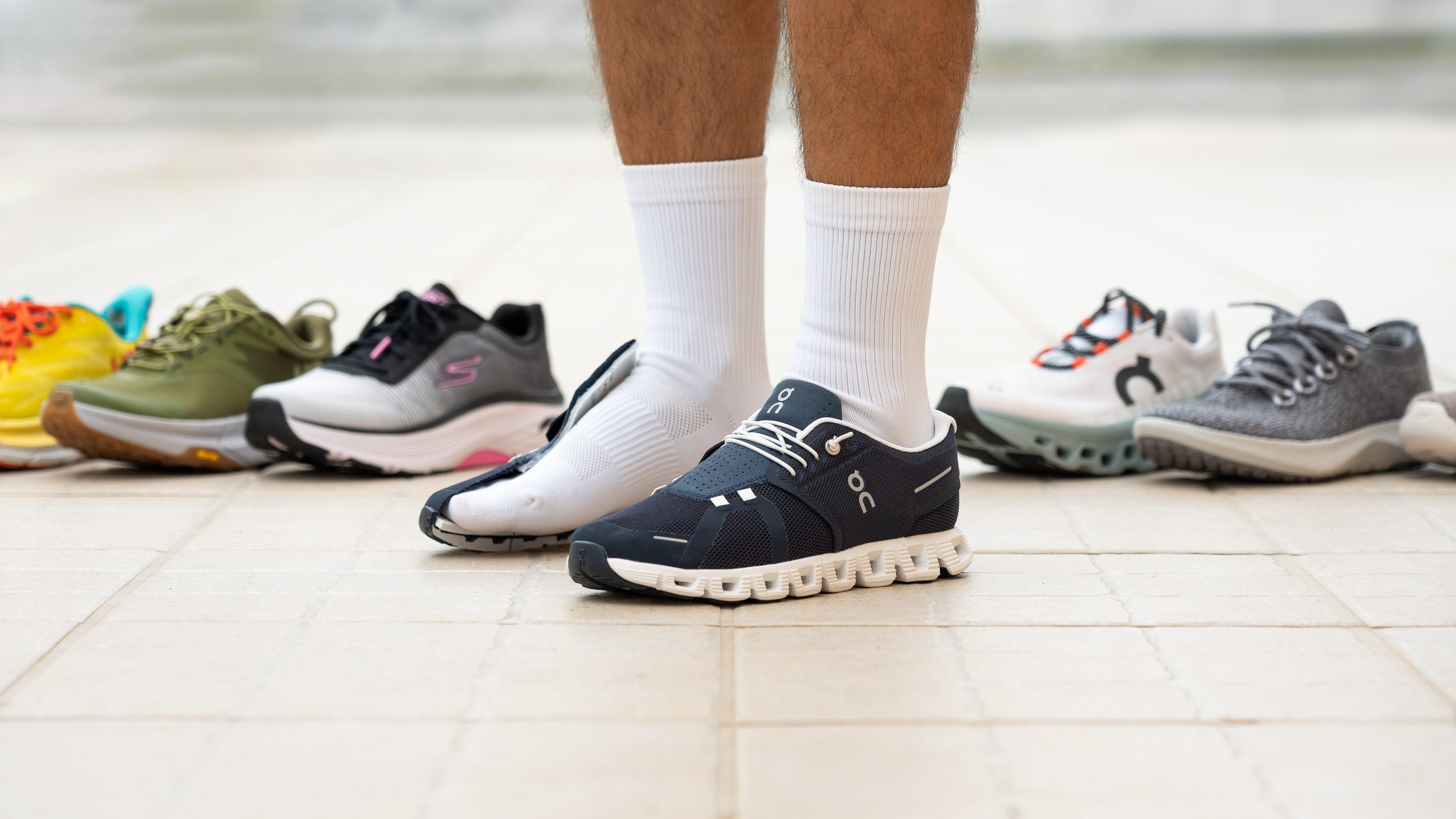
The market offers a variety of shoes that meet podiatric standards, each utilizing proprietary technologies to achieve comfort and support. For instance, brands like Brooks and ASICS have long been favorites in clinical settings. The Brooks Addiction Walker, a frequent recommendation, features an extended progressive diagonal rollbar that guides the foot into a more neutral position, ideal for those who overpronate. Its full-grain leather upper provides structured support and durability. On the other end of the spectrum, HOKA ONE ONE has gained immense popularity for its maximalist cushioning. Models like the HOKA Bondi feature a thick, meta-rocker midsole geometry. This design, as explained by podiatrists on platforms like YouTube’s “Doc On The Run,” does more than just cushion; it promotes a smoother gait transition from heel-strike to toe-off, which can be particularly beneficial for individuals with joint arthritis or those recovering from foot injuries. New Balance, another staple, often incorporates stability technologies like a TPU post in the midfoot within models such as the New Balance 928. These diverse approaches underscore a key point: there is no single “best” shoe for everyone. The optimal pair of podiatrist recommended walking shoes depends on your individual foot shape, gait pattern, and specific needs, which is why consultation with a professional or trying on multiple styles is so crucial.
Integrating Professional Knowledge with Smart Shopping
Armed with an understanding of what to look for, the next step is applying this knowledge practically. It is highly advisable to shop for shoes in the afternoon or evening, as feet naturally swell throughout the day. Always try on both shoes with the type of socks you intend to wear. Walk around the store on hard surfaces, not just carpet, to get a true feel. Pay attention to any immediate points of pressure or slippage—shoes should feel comfortable from the first step, not require a lengthy “break-in” period that could cause damage. When it comes to cost, investing in quality footwear is an investment in prevention. As the famous quote attributed to philosopher Socrates goes, “When the feet are comfortable, the mind is free.” While premium podiatrist recommended walking shoes can carry a higher initial price tag, their value is realized over time through durability, injury prevention, and enhanced daily comfort. However, savvy shoppers can find significant value. Many reputable brands offer previous-season models at discounted prices on their official websites or through authorized retailers, often with discounts of 30% or more. Subscription to brand newsletters, checking certified outlet sites, and shopping during major sales holidays are effective strategies to acquire top-tier podiatric footwear without straining your budget, bringing professional-grade support within reach.
Stepping Into a More Comfortable Future
The journey to all-day comfort begins from the ground up. Disregarding the importance of proper footwear is an oversight with tangible consequences, while embracing the principles of podiatric science opens the door to greater vitality and freedom of movement. The shoes you choose are not just accessories; they are essential tools that influence your biomechanical health every single day. By prioritizing features like structured arch support, a secure heel counter, and responsive cushioning—the very hallmarks of podiatrist recommended walking shoes—you make a proactive choice for your physical well-being. Let this knowledge guide your next purchase. Seek out the technologies and brands that align with these evidence-based standards, and don’t hesitate to use the available resources, from the APMA Seal to professional fittings. Your feet, and indeed your entire body, will thank you with every comfortable, supported, and pain-free step you take into the future.