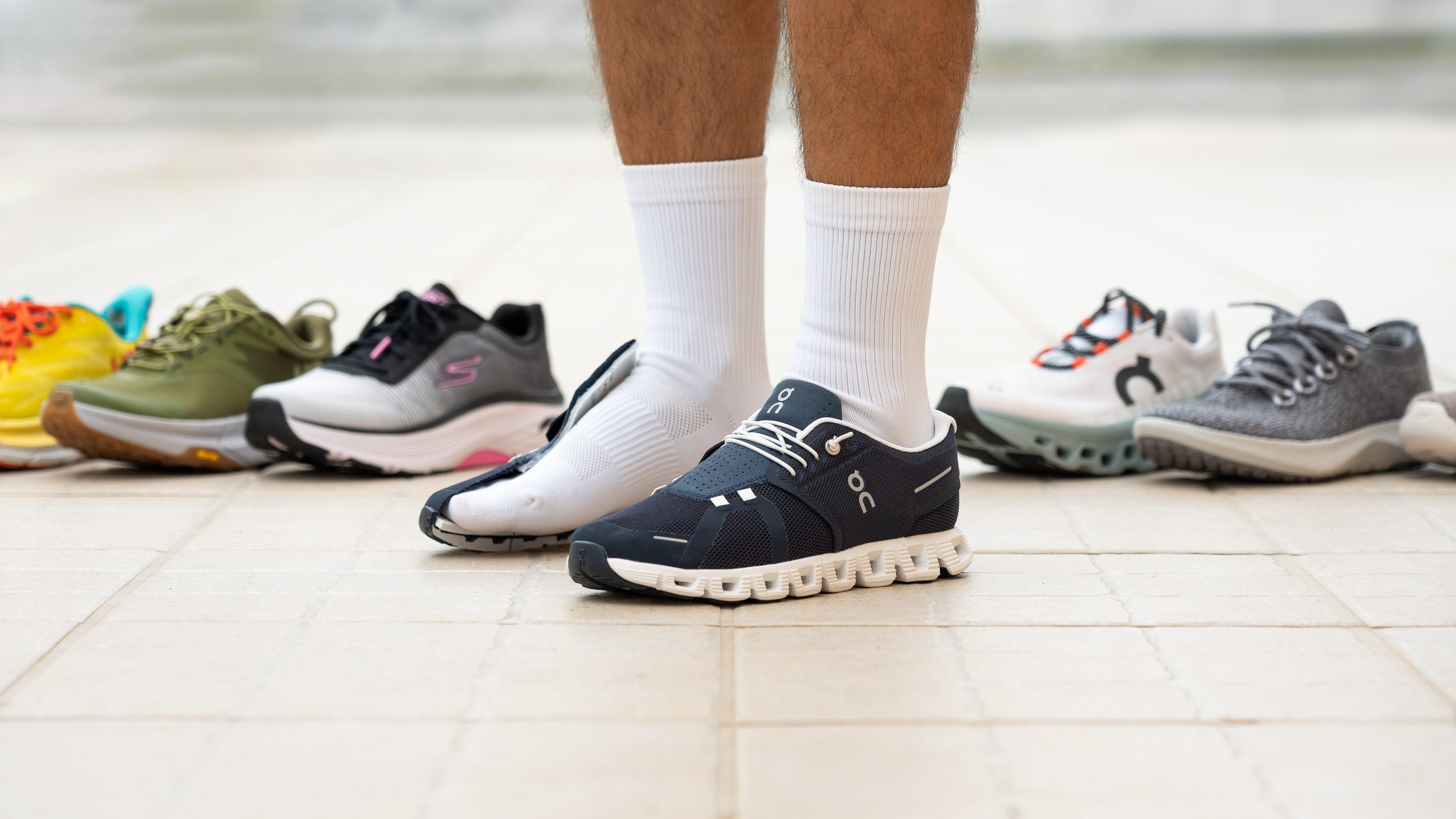
Discover the Best Podiatrist Recommended Walking Shoes for All-Day Comfort
Your feet are your foundation, and the shoes you choose can either support that foundation or undermine it with every step. For anyone who spends significant time on their feet—whether navigating a busy workday, exploring new cities, or simply enjoying a daily stroll—the quest for true comfort is paramount. This isn’t merely about avoiding blisters; it’s about preventing a cascade of issues from plantar fasciitis to knee pain. The most reliable guide in this quest isn’t a trendy advertisement, but the expert advice of podiatrists. These medical professionals specialize in the health of the foot and ankle, and their recommendations are grounded in biomechanics, not just fashion. This article delves into the science and specifics behind podiatrist recommended walking shoes, moving beyond brand names to the core principles that make a shoe truly supportive. We’ll explore the anatomical needs of the foot, decode technical features, and provide a framework for selecting footwear that offers genuine, all-day comfort, blending professional insight with practical guidance for your next purchase.
The Foot’s Blueprint: Why Anatomy Demands Specific Support
To understand why a podiatrist recommended walking shoe is superior, we must first appreciate the complex engineering of the human foot. Comprising 26 bones, 33 joints, and over 100 muscles, tendons, and ligaments, the foot is a marvel of biomechanics. Its primary functions are shock absorption, propulsion, and adaptation to uneven terrain. During the walking gait cycle—heel strike, mid-stance, and toe-off—immense forces are generated, often exceeding body weight. A poorly designed shoe disrupts this natural mechanics. For instance, insufficient arch support can lead to overpronation (excessive inward rolling) or supination (outward rolling), misaligning the entire kinetic chain from ankles to hips. Dr. Jane Andersen, a past president of the American Association for Women Podiatrists, often emphasizes that “shoes are the orthotics for healthy feet.” This perspective shifts the view of footwear from a passive covering to an active therapeutic device. Scientific literature from institutions like the University of Pittsburgh’s Department of Orthopedic Surgery underscores that proper footwear can mitigate common ailments. Therefore, the first principle of a podiatrist-endorsed shoe is respect for this anatomical blueprint, providing structured support that complements, rather than contradicts, the foot’s natural movement.
:max_bytes(150000):strip_icc()/I-Asked-Podiatrists-for-Their-Fall-Shoe-Recommendations-These-Are-Their-Top-8-Picks-8fbdf9d65f3a4228ae63f6e5253dc08c.jpg)
Decoding the Features: The Hallmarks of a Supportive Walking Shoe
What tangible elements transform an ordinary sneaker into a podiatrist recommended walking shoe? The distinction lies in a combination of non-negotiable features. First is a firm, supportive heel counter—the rigid cup at the back of the shoe. When you press on it, it should not collapse. This stabilizes the rearfoot, preventing excessive movement that can strain the plantar fascia. Second is adequate arch support. This isn’t about a high, hard bump, but a contoured structure that matches your arch type (neutral, low, or high) to distribute pressure evenly. Third is a flexible but not flimsy forefoot. The shoe should bend easily at the ball of the foot, where your foot naturally flexes during toe-off, but resist twisting. Fourth is a rocker sole design, a feature increasingly highlighted by experts like Dr. Brad Schaeffer, a New York-based podiatrist featured in publications like Shape magazine. He notes, “A rocker sole reduces pressure on the ball of the foot and the heel, facilitating a smoother gait transition.” Finally, cushioning must be strategic. While ample cushion in the heel absorbs impact, it should be balanced with responsiveness under the midfoot. Memory foam that collapses completely under weight offers comfort initially but fails to provide sustained support. These features, working in concert, create the foundation for the all-day comfort that podiatrists advocate for.
Material Science and Breathability: Beyond Basic Comfort
The composition of a shoe is as critical as its shape. Podiatrists frequently recommend uppers made from engineered mesh or knit materials. These provide multidirectional stretch to accommodate foot swelling (which can increase foot volume by up to 8% over a day, as noted in research from the University of Texas) while maintaining structural integrity. Breathability is not a luxury; it’s a necessity for health. A damp, warm environment inside a shoe is a breeding ground for fungal infections like athlete’s foot. Furthermore, the insole and sockliner should be made of moisture-wicking, antimicrobial materials. Many top-tier podiatrist recommended walking shoes feature removable insoles, a crucial design point. This allows for the insertion of custom orthotics if prescribed, or simply the replacement with a higher-quality over-the-counter support as needed. The outsole material, typically carbon rubber or blown rubber, must offer durability and high-traction patterning to prevent slips. As biomechanist Dr. Casey Kerrigan, founder of a footwear science company, stated in an interview, “The goal is to create a symbiotic relationship between the foot’s soft tissues and the shoe’s materials, reducing metabolic cost and fatigue.” This scientific approach to materials ensures the shoe performs as a protective, adaptive second skin throughout long periods of wear.

Navigating the Market: How to Apply Podiatric Principles to Your Choice
Armed with knowledge of anatomy and key features, how do you translate this into a purchasing decision? The process begins with a frank assessment of your own feet and gait. Visit a specialty running or walking store where staff can analyze your gait, or perform a simple wet foot test at home to see your arch imprint. For those with pronounced overpronation, look for shoes labeled “stability” or “motion control.” For neutral gaits or supinators, “cushioned” or “neutral” shoes are often ideal. The timing of your shoe shopping is vital—shop in the late afternoon or evening when your feet are at their largest. There should be about a thumb’s width of space between your longest toe and the end of the shoe. Don’t be seduced by the “break-in” myth; podiatrist recommended walking shoes should feel comfortable and supportive from the very first step. Renowned podiatrist Dr. Emily Splichal, in her TEDx talk on foot health, advises, “Your shoe should feel like an extension of your foot, not a constraint.” Consider your primary walking surface: firm, multi-density midsoles are better for pavement, while softer, more flexible soles may suit treadmill use. This personalized application of principles is what turns generic advice into a perfect, comfortable fit for you.
The Value Proposition: Investing in Foot Health Saves More Than Discomfort
It’s tempting to view expensive walking shoes as a discretionary purchase, but from a podiatric and economic standpoint, they are a preventative investment. A study cited by the American Podiatric Medical Association found that foot problems contribute to significant work absenteeism and healthcare costs. A single pair of well-chosen podiatrist recommended walking shoes can prevent issues that might otherwise lead to costly interventions like physical therapy, custom orthotics, or even surgery. The concept of “discounted price” here transcends a sale tag; it’s the long-term discount on pain and medical bills. Furthermore, the comfort provided by proper shoes enhances overall activity levels, contributing to cardiovascular health and weight management—benefits with far-reaching positive economic and personal impacts. As author and health advocate Michael Easter discusses in his book The Comfort Crisis, intentionally choosing equipment (like shoes) that supports challenging, healthy activity is key to resilience. Therefore, allocating resources to high-quality footwear is not an indulgence but a core component of a proactive health strategy, paying dividends in mobility and vitality for years to come.
:max_bytes(150000):strip_icc()/podiatrist-recommended-walking-shoes-e1b90077185d4e6cadbf6327c4d17db7.jpg)
Stepping Forward with Confidence
The journey to all-day comfort begins from the ground up. By prioritizing the science-backed features championed by foot health experts, you move beyond guesswork and marketing claims. The right podiatrist recommended walking shoes act as a seamless partner to your feet, absorbing impact, guiding motion, and preventing the fatigue that cuts adventures short. Remember, your choice in footwear is a direct investment in your mobility, your posture, and your long-term well-being. Let the principles of anatomy, material science, and personalized fit guide you. When you lace up a pair engineered with these truths in mind, you’re not just putting on shoes—you’re equipping yourself for miles of confident, comfortable movement, ready to explore the world step by supported step.