

Discover the Best Podiatrist Recommended Walking Shoes for All-Day Comfort
Your feet are the foundation of your movement, and the shoes you choose can either be a source of constant support or a catalyst for chronic discomfort. For anyone who spends significant time on their feet—whether navigating city streets, exploring nature trails, or managing the demands of a busy workday—the quest for the perfect walking shoe is paramount. This isn’t merely about fashion or fleeting trends; it’s a physiological necessity. The right footwear acts as a critical interface between your body and the ground, influencing everything from your gait and posture to the long-term health of your joints. When we specifically seek out podiatrist recommended walking shoes, we are tapping into a wealth of clinical expertise aimed at preventing injury and promoting biomechanical efficiency. This guide delves into the science of what makes these shoes exceptional, drawing from podiatric principles, biomechanical research, and the collective wisdom of foot health experts to help you make an informed choice that brings genuine, all-day comfort.

The Podiatric Blueprint: What Defines a Truly Supportive Shoe?
To understand why podiatrist recommended walking shoes stand apart, we must first dissect the core principles of podiatric science. Podiatry, as defined by authoritative medical literature from institutions like the American Podiatric Medical Association (APMA), is the branch of medicine devoted to the study, diagnosis, and treatment of disorders of the foot, ankle, and lower extremity. Podiatrists don’t just treat problems; they advocate for prevention, and footwear is their primary preventative tool. A shoe earning their recommendation typically embodies several non-negotiable characteristics. First is structural integrity. The heel counter—the firm cup at the back of the shoe—must be rigid to control rearfoot motion and prevent excessive pronation (inward rolling) or supination (outward rolling), which are common precursors to conditions like plantar fasciitis and Achilles tendinitis. Second is adequate toe box volume. As noted by Dr. Jacqueline Sutera, a prominent New York City podiatrist, a spacious toe box allows toes to splay naturally upon impact, reducing pressure on nerves (like the Morton’s neuroma) and preventing deformities such as bunions and hammertoes. Third is appropriate cushioning and resilience. The midsole material, often composed of advanced compounds like EVA (ethylene-vinyl acetate) or polyurethane, must absorb shock without being so soft that it destabilizes the foot. This balance is crucial; as biomechanics research from the University of Calgary’s Human Performance Laboratory indicates, excessive cushioning can paradoxically increase muscle activation as the body works harder to stabilize itself, leading to fatigue. Therefore, a podiatrist recommended walking shoe is a masterclass in balanced engineering, offering stability without rigidity, cushioning without mushiness, and flexibility in the right planes of motion.
Beyond the Hype: Decoding Midsole Technology and Gait Cycle Alignment
The most significant advancements in walking shoes occur beneath the surface, in the midsole and the design philosophy that aligns with the human gait cycle. The gait cycle, a complex series of events from heel strike to toe-off, dictates how force is distributed through the foot. A shoe that disrupts this natural cycle can create a cascade of compensatory movements affecting the knees, hips, and lower back. This is where proprietary technologies from leading brands come into play. For instance, ASICS’s GEL cushioning system, frequently highlighted in podiatric reviews, is designed to attenuate shock during the initial heel strike phase—the moment of highest impact. Similarly, Brooks’s GuideRails holistic support system moves beyond just supporting the arch to focusing on keeping the knee in its natural path of motion, a concept supported by literature from the Spaulding National Running Center at Harvard Medical School. When evaluating a podiatrist recommended walking shoe, it’s essential to consider how its technology addresses specific phases of your gait. Do you have a neutral stride, or do you overpronate? The answer determines whether you need a shoe with added medial (inner-side) support. Renowned running coach and biomechanist Jay Dicharry, in his book “Anatomy for Runners,” emphasizes that footwear should complement, not correct, unless a clinically significant biomechanical fault exists. Therefore, the best shoes often come in categories: neutral, stability, and motion control. A podiatrist’s recommendation helps you navigate this spectrum, ensuring the shoe’s internal architecture matches your unique biomechanical fingerprint, thereby transforming each step from a potential stressor into an act of efficient propulsion.
:max_bytes(150000):strip_icc()/I-Asked-Podiatrists-for-Their-Fall-Shoe-Recommendations-These-Are-Their-Top-8-Picks-8fbdf9d65f3a4228ae63f6e5253dc08c.jpg)
Material Matters: How Upper Construction and Outsole Design Impact Longevity and Comfort
While midsole technology captures headlines, the enduring comfort and durability of a walking shoe are equally dependent on the materials used in its upper and outsole. The upper must perform a delicate dance: it needs to be breathable to manage moisture and prevent fungal infections, yet structured enough to provide a secure, lockdown fit. Modern engineering textiles like engineered mesh offer targeted zones of flexibility and support, adapting to the foot’s shape during movement. Furthermore, seamless interiors are a hallmark of many podiatrist recommended walking shoes, as they minimize friction points and the risk of blisters—a common concern highlighted in community Q&A forums like those on Quora. The outsole, typically made from carbon rubber or blown rubber, is your connection to the ground. Its tread pattern and rubber compound determine traction and wear rate. A durable, high-abrasion rubber in the heel—where most walkers strike—extends the shoe’s functional life. Dr. Brad Schaeffer, a podiatrist featured in numerous media outlets, often points out that a worn-out outsole compromises the shoe’s entire geometry, even if the upper looks new, leading to improper alignment. Therefore, investing in a shoe with a robust outsole is an investment in the shoe’s longitudinal performance. It’s not just about how comfortable the shoe feels on day one, but how it maintains its supportive properties over 300, 400, or 500 miles. This holistic view of material science—from moisture-wicking liners to flex-groove patterns on the outsole that facilitate a natural toe-off—is what separates a generic sneaker from a purpose-built tool for all-day walking.
The Personal Fit Imperative: Why Your Foot’s Unique Topography is the Final Arbiter
Even the most scientifically acclaimed shoe is a failure if it doesn’t fit your specific foot. Podiatric advice consistently stresses that fit is paramount and highly individual. This goes beyond simple length and width. It involves understanding your foot’s volume (the total space your foot occupies), arch height, and even the shape of your heel. A common mistake is choosing a shoe based on your perceived “size” alone. Your feet swell throughout the day, so the ideal fitting should be done in the afternoon or evening. There should be about a thumb’s width (roughly 3/8 to 1/2 inch) of space between your longest toe (which isn’t always the big toe) and the end of the shoe. The width should allow your feet to feel secure without any pinching or slippage at the heel. As the ancient Greek philosopher Socrates purportedly said, “Know thyself.” In the context of footwear, this means knowing your feet. Have you had a bunionectomy? Do you have a high instep? These anatomical details dictate whether you need a shoe with a removable insole for custom orthotics, a stretchable upper panel, or a specific lacing technique to alleviate pressure. Many specialty running and walking stores offer gait analysis, which can provide invaluable visual feedback. Ultimately, a podiatrist recommended walking shoe provides the optimal platform, but it is the precise, personalized fit that activates its full potential, creating a symbiotic relationship between your anatomy and the shoe’s design.
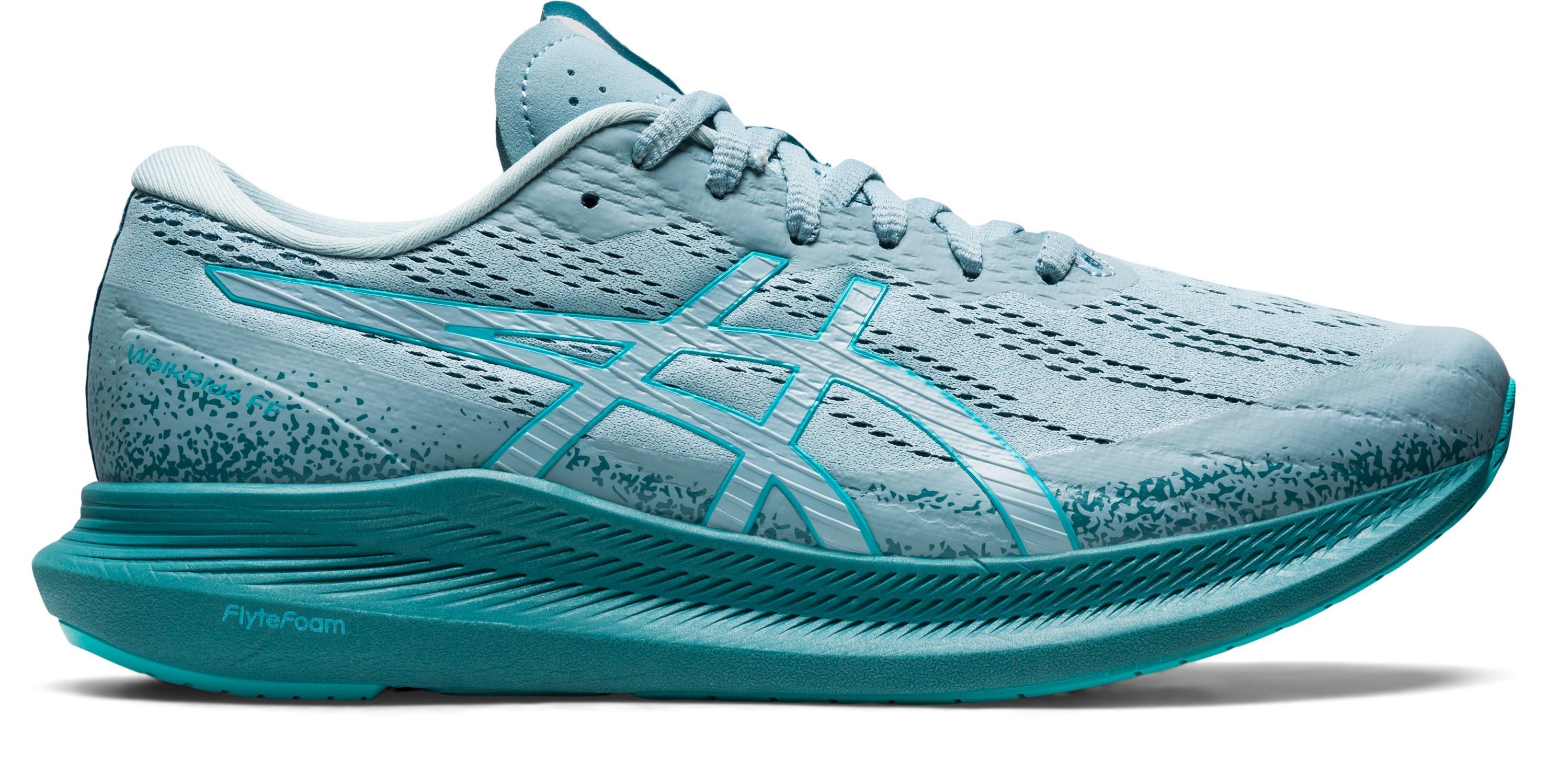
Investing in Foundation: The Tangible Returns of Podiatrist-Approved Footwear
Choosing a podiatrist recommended walking shoe is an investment in your foundational health, with returns measured in energy, absence of pain, and long-term mobility. Consider the economic principle of preventative maintenance: spending resources upfront to avoid far greater costs down the line. A high-quality walking shoe, while sometimes carrying a higher initial price tag, is a form of preventative maintenance for your body. It helps avoid the physical “costs” of plantar fasciitis treatments, orthotic interventions, and physical therapy sessions. Furthermore, the psychological and productivity benefits are substantial. When your feet are not a source of distraction, your energy is directed toward your activities and goals. The comfort provided by proper footwear can enhance mood and reduce overall fatigue, a concept echoed in wellness philosophies from sources as varied as the Mayo Clinic’s health blogs to the pragmatic advice found on popular YouTube channels dedicated to minimalist travel and long-term comfort. In today’s market, this investment doesn’t have to be prohibitive. Many reputable retailers offer previous-season models, certified refurbished options, or periodic sales that bring premium, podiatrist-endorsed technology within reach. The key is to recognize the purchase not as a discretionary expense for apparel, but as a non-negotiable allocation for your physical well-being. Your feet carry you through every journey; providing them with the best possible environment is the most direct form of self-care, paying dividends with every comfortable step you take.
:max_bytes(150000):strip_icc()/tal-roundup-podiatrist-loved-shoes-on-sale-tout-bdbf5721fa5642efa38b61f6a5b4ff34.jpg)
The journey to finding the perfect walking shoe culminates in a simple, profound realization: comfort is not a luxury, but a biomechanical requirement for sustained health and vitality. By prioritizing shoes built on podiatric principles—with their unwavering focus on structural support, gait alignment, quality materials, and precise fit—you actively participate in preserving the intricate mechanics of your movement. Let this understanding guide your choice, transforming your daily walk from a mundane task into a testament to thoughtful, evidence-based self-preservation.
