

Discover the Best Podiatrist Recommended Walking Shoes for All-Day Comfort
Your feet are your foundation, and the shoes you choose can either support that foundation or undermine it with every step. For anyone who spends significant time on their feet—whether navigating city streets, exploring nature trails, or managing the daily marathon of work and errands—the quest for truly comfortable footwear is paramount. This isn’t merely about avoiding a blister; it’s about long-term musculoskeletal health, energy conservation, and overall well-being. The most reliable guide in this quest is not a flashy advertisement or fleeting fashion trend, but the professional advice of podiatrists. These foot and ankle specialists understand the intricate biomechanics of walking and the common pathologies that arise from improper support. Therefore, the pursuit of the best podiatrist recommended walking shoes becomes a critical investment in your physical health. This article delves into the science of what makes these shoes exceptional, explores key features through the lens of podiatric medicine, and guides you toward informed choices that promise genuine, all-day comfort.
The Podiatric Perspective: Why Expert Recommendation Matters
Podiatry, as defined by authoritative sources like the American Podiatric Medical Association, is the branch of medicine devoted to the study, diagnosis, and medical and surgical treatment of disorders of the foot, ankle, and lower extremity. A podiatrist’s recommendation carries weight because it is rooted in a deep understanding of gait analysis, pressure distribution, and anatomical alignment. When a podiatrist suggests a specific type of shoe, they are considering factors far beyond superficial cushioning. They evaluate how the shoe interacts with the subtalar joint, supports the medial longitudinal arch, and allows for proper toe-off during the gait cycle. For instance, a common condition like plantar fasciitis—an inflammation of the band of tissue connecting the heel to the toes—can be exacerbated by shoes with poor arch support and inflexible soles. A podiatrist recommended walking shoe will often feature a well-contoured footbed and strategic rigidity to mitigate such issues. The viewpoint here is objective and scientific: proper footwear is a form of preventative medicine. As noted in literature from institutions like the University of Pittsburgh School of Medicine’s Department of Orthopedic Surgery, inappropriate footwear is a leading modifiable factor in the development of foot pain and degenerative changes. Thus, seeking out podiatrist recommended walking shoes is not a passive act of shopping but an active step toward sustaining mobility and comfort.
:max_bytes(150000):strip_icc()/shp-best-brooks-walking-shoes-tout-f67df3ab5afa4c08a24a63ae6dca3444.jpg)
Deconstructing Comfort: The Five Pillars of a Superior Walking Shoe
To understand what sets apart a top-tier walking shoe, we must deconstruct the abstract concept of “comfort” into its tangible, engineered components. Based on consensus from podiatric forums, biomechanics research, and reviews from trusted sources like Runner’s World and the American Council on Exercise, five non-negotiable pillars emerge.
1. Arch Support and Midfoot Control
The arch of your foot is a marvel of natural engineering, acting as a shock absorber and a rigid lever for propulsion. However, many individuals have arches that are either too high (pes cavus) or that collapse excessively (pes planus, or flat feet). A shoe with indifferent, flat arch support does nothing to correct or accommodate these variations, leading to strain. A true podiatrist recommended walking shoe will offer varying levels of arch support, often through a removable insole that can be replaced with custom orthotics. The midfoot area of the shoe should be snug, not tight, to prevent the foot from sliding sideways with each step, a feature podiatrists emphasize for controlling overpronation or supination. This control is crucial for maintaining proper alignment from the foot up through the knee and hip, a principle consistently highlighted in biomechanics literature from universities specializing in sports medicine.
2. Heel Counter and Stability
The heel counter is the firm cup at the back of the shoe that cradles your calcaneus (heel bone). Its importance cannot be overstated. A firm, well-padded heel counter stabilizes the foot upon initial contact with the ground, preventing excessive heel movement that can lead to conditions like Achilles tendinitis or heel spurs. When you try on a shoe, you should not be able to easily collapse the back of it with your thumb. This structural integrity ensures that the foot is guided correctly through the gait cycle. As noted by numerous podiatrists in online Q&A platforms like Quora and health blogs, a stable heel is the cornerstone of a stable gait, especially for those who log many miles on hard, unforgiving surfaces.
:max_bytes(150000):strip_icc()/tal-roundup-podiatrist-loved-shoes-on-sale-tout-bdbf5721fa5642efa38b61f6a5b4ff34.jpg)
3. Toe Box Geometry and Flexibility
The front of the shoe, the toe box, must serve two potentially conflicting purposes: providing ample space and allowing natural movement. A cramped, narrow toe box can lead to a host of problems, including bunions, hammertoes, and neuromas. Podiatrists universally advocate for a toe box that is wide and deep enough to let your toes splay naturally upon weight-bearing, without rubbing against the upper material. Furthermore, the shoe must flex at the point where your foot naturally bends—at the ball of the foot, not in the middle of the arch. This flexibility is vital for an efficient and comfortable push-off phase. Brands often highlighted by foot care professionals master this balance, offering engineered flex grooves that work in harmony with the foot’s anatomy.
4. Cushioning vs. Responsiveness: The Material Science
Cushioning is often the first feature consumers seek, but more is not always better. Ultra-soft, marshmallow-like midsoles can feel luxurious initially but may lack the necessary responsiveness and stability for all-day wear, causing the small stabilizing muscles in your feet and legs to work harder. Podiatrist-recommended brands typically use advanced polymer foams (like EVA, polyurethane, or proprietary blends such as Brooks’ DNA LOFT or ASICS’ FlyteFoam) that provide a balance: they attenuate impact forces effectively but also offer a degree of energy return. This scientific approach to material selection ensures that comfort is sustained over miles, not just minutes. The goal, as explained in materials science contexts related to athletic footwear, is to reduce peak impact forces on the joints while maintaining proprioceptive connection to the ground.
5. Breathability and Durability of the Upper
The upper part of the shoe must be a durable, breathable sheath. Materials like engineered mesh allow for critical airflow, reducing moisture buildup that can lead to skin maceration and fungal infections. Simultaneously, strategic overlays of synthetic leather or thermoplastic polyurethane (TPU) provide structure and durability without adding unnecessary weight or compromising ventilation. A podiatrist will point out that a healthy foot environment is a dry and temperature-regulated one. Therefore, the construction of the upper is not a mere aesthetic choice but a functional one that contributes directly to foot health and comfort during prolonged wear.
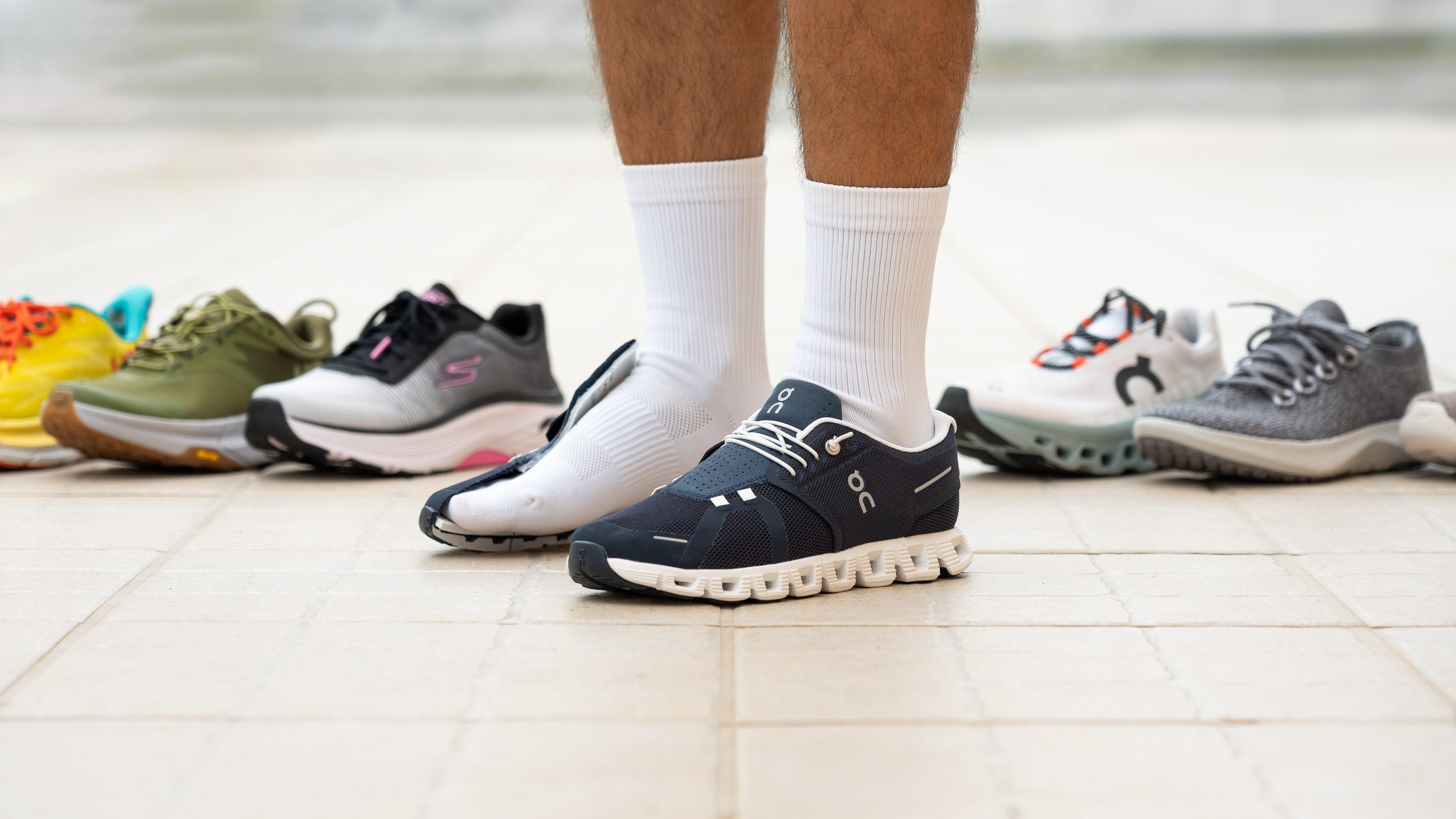
Beyond the Shoe: The Synergy of Fit, Socks, and Gait
Even the most expertly designed shoe fails if it is not fitted correctly. A core tenet of podiatric advice is to get fitted in the late afternoon or evening, when your feet are at their largest due to natural swelling. There should be about a thumb’s width of space between your longest toe (which is not always the big toe) and the end of the shoe. Furthermore, the right sock is a silent partner in comfort. Moisture-wicking fabrics like merino wool or synthetic blends are preferred over cotton, which retains sweat. Finally, consider your own gait. While a podiatrist can provide a formal analysis, being mindful of wear patterns on your old shoes can offer clues. Excessive wear on the inside heel suggests overpronation, while wear on the outer edge may indicate supination. This self-knowledge allows you to select from the spectrum of podiatrist recommended walking shoes more effectively, choosing models designed for motion control, stability, or neutral support as needed.
Investing in Your Stride: Where Value Meets Expertise
It is a common misconception that high-quality, therapeutic footwear must carry an exorbitant price tag. While the advanced technology and research in podiatrist recommended walking shoes do command a premium over disposable fashion footwear, value is measured in cost-per-mile of comfort and injury prevention. The good news is that many reputable retailers and the brands themselves frequently offer discounts on previous models, seasonal sales, and special promotions. Investing in a properly fitted, professional-grade pair of walking shoes often proves more economical in the long run than cycling through cheaper, less supportive options that lead to discomfort and potential medical expenses. The true value lies in the liberation of pain-free movement and the confidence that comes with every supported step.
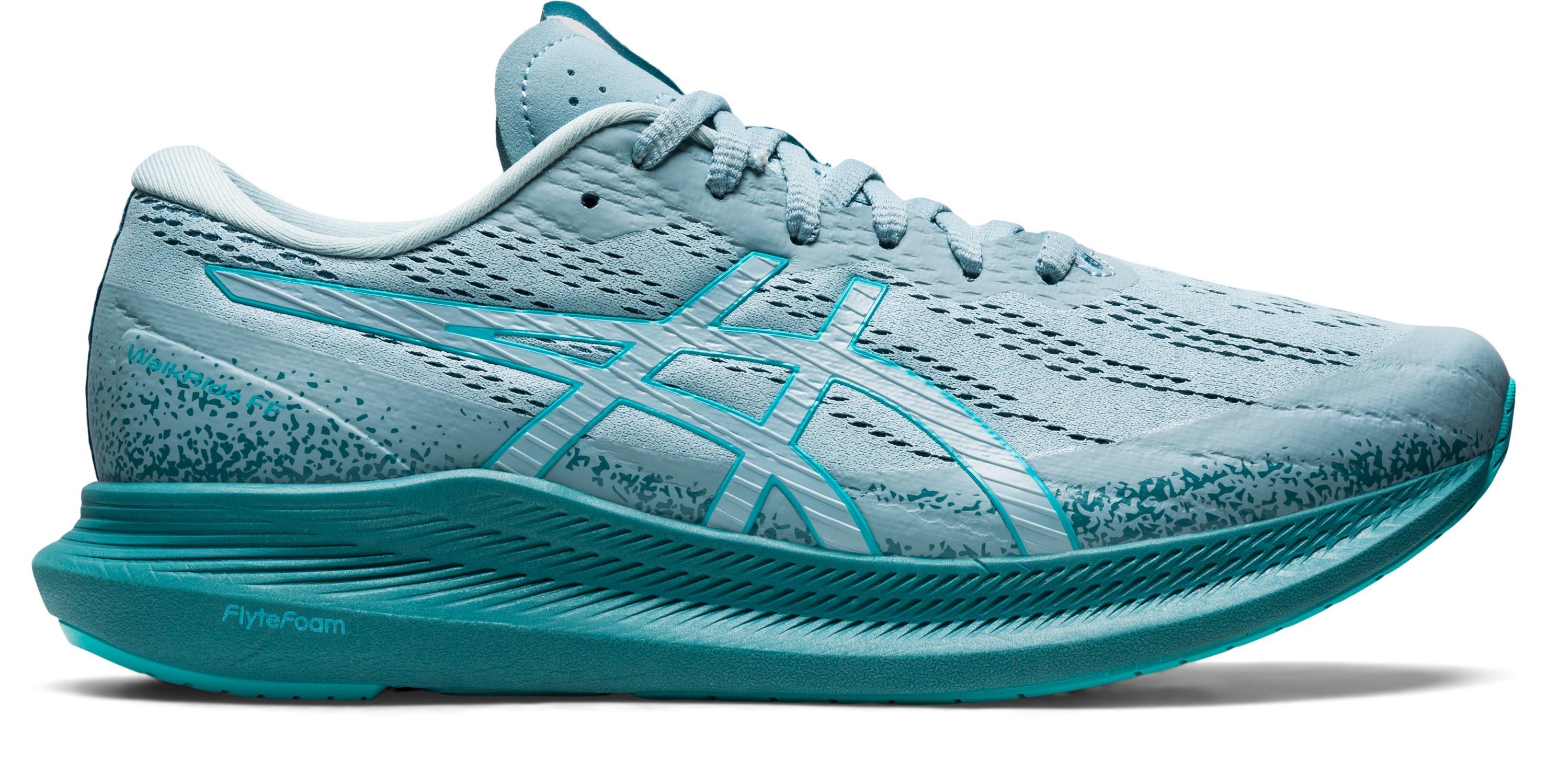
Your journey toward all-day comfort begins with acknowledging that your feet deserve expert care. By prioritizing the principles endorsed by podiatric science—superior arch support, unwavering stability, anatomical toe boxes, balanced cushioning, and breathable construction—you transform walking from a potential source of fatigue into a sustained pleasure. The market offers a range of excellent podiatrist recommended walking shoes designed to meet these rigorous standards. Your task is to apply this knowledge, seek proper fitting, and make an informed choice. When you do, you’re not just buying a shoe; you’re investing in the foundation of your daily movement, ensuring that each step is taken in confidence and ease.
