

Discover the Best Podiatrist Recommended Walking Shoes for All-Day Comfort
Your feet are the foundation of your movement, and the shoes you choose can either support or sabotage your daily stride. For anyone who spends significant time on their feet—whether navigating city streets, exploring nature trails, or managing the demands of a busy workday—the quest for true comfort is paramount. This isn’t merely about aesthetics or fleeting trends; it’s a physiological necessity. The right footwear acts as a critical interface between your body and the ground, influencing everything from your gait and posture to joint health and energy levels. When discomfort sets in, it doesn’t stay confined to your feet; it radiates upward, affecting your knees, hips, and back, turning a simple walk into a taxing ordeal. This guide cuts through the marketing noise to focus on a category defined by professional endorsement: podiatrist recommended walking shoes. These are not just comfortable shoes; they are engineered solutions validated by foot health specialists to promote proper biomechanics, prevent injury, and deliver sustained comfort from morning until night. We will delve into the scientific principles behind their design, the specific features that warrant professional recommendation, and how you can identify and select the ideal pair to transform your walking experience.
The Science of Support: Why Your Feet Demand Expert-Approved Footwear
To understand the value of a podiatrist recommended walking shoe, one must first appreciate the complex biomechanics of the human foot. Each foot contains 26 bones, 33 joints, and over 100 muscles, tendons, and ligaments, all working in concert to provide balance, propulsion, and shock absorption. With every step, forces equivalent to 1.5 times your body weight travel through this intricate structure. According to biomechanics literature from institutions like the University of Calgary’s Human Performance Lab, improper footwear can disrupt the natural gait cycle, leading to overpronation (excessive inward rolling) or supination (outward rolling). These deviations, over time, are primary contributors to common ailments such as plantar fasciitis, metatarsalgia, and Achilles tendinitis. A podiatrist, as a doctor of podiatric medicine, analyzes these mechanics. Their recommendation, therefore, is not a casual preference but a prescription based on mitigating pathological stress. As noted on authoritative health platforms like WebMD, shoes endorsed by these specialists typically address three core scientific principles: motion control to guide the foot’s natural movement, cushioning to dissipate impact forces, and structural stability to support the foot’s arches. This triad forms the bedrock of all-day comfort, preventing the micro-traumas that accumulate during prolonged standing or walking.
:max_bytes(150000):strip_icc()/favorite-walking-shoes-round-up-november-2024-458c3fc0c6844adca7c0a34ebc5cfb9b.jpg)
Decoding the Features: The Hallmarks of a Podiatrist-Recommended Shoe
What specific elements transform an ordinary sneaker into a podiatrist recommended walking shoe? The distinction lies in deliberate, functional design choices. First, examine the midsole. This is the heart of the shoe’s technology, often made from advanced materials like EVA (ethylene-vinyl acetate) foam, polyurethane, or proprietary compounds like ASICS GEL or Brooks DNA LOFT. Research cited in podiatric journals indicates that a well-engineered midsole provides a balance of responsive cushioning and durable support, maintaining its integrity over hundreds of miles. Second, the heel counter must be firm. A sturdy, cupped heel counter stabilizes the rearfoot, preventing excessive heel movement that can strain the plantar fascia. Third, look for a rocker sole. This design, with a subtly curved profile, facilitates a smoother heel-to-toe transition, reducing the work required by the calf muscles and Achilles tendon—a feature frequently highlighted by sports medicine specialists on platforms like Quora and YouTube. Fourth, adequate toe box room is non-negotiable. As per the American Podiatric Medical Association, a spacious toe box allows toes to splay naturally upon foot strike, enhancing stability and preventing issues like bunions and neuromas. Finally, the outsole should offer flexible grooves for natural foot bending alongside durable rubber for traction. These are not arbitrary features; each is a direct response to common podiatric diagnoses, making the shoe a tool for both treatment and prevention.
Beyond the Brand: How to Assess a Shoe Like a Podiatrist Would
You don’t need a medical degree to apply a podiatrist’s lens when shoe shopping. Start with the “flex test.” Bend the shoe at the ball of the foot; it should flex easily where your own foot bends, not in the middle of the arch. A stiff shoe impedes natural motion, while one that folds in the arch offers no support. Next, perform the “twist test.” Gently twist the shoe; a quality podiatrist recommended walking shoe will offer resistance, indicating torsional stability that protects your foot from twisting motions. Then, check the “heel squeeze test.” Compress the heel counter; it should be rigid and not collapse under moderate pressure. Dr. Jacqueline Sutera, a renowned New York City podiatrist, often emphasizes this in media interviews, stating that a stable heel is the cornerstone of preventing overuse injuries. Furthermore, examine the insole. Is it removable, allowing for custom orthotics if needed? Is it contoured with arch support? Remember, the most expensive shoe is not necessarily the best for you. The goal is to find a shoe that matches your individual foot type—whether neutral, flat, or high-arched. Resources from university podiatry programs, such as those from the University of Pittsburgh, provide self-assessment guides to help determine your foot morphology, empowering you to make an informed choice aligned with professional standards.
:max_bytes(150000):strip_icc()/tal-roundup-podiatrist-loved-shoes-on-sale-tout-bdbf5721fa5642efa38b61f6a5b4ff34.jpg)
Investing in Your Foundation: The Long-Term Value of Professional Guidance
Some may balk at the price point of high-quality, professionally endorsed footwear. However, this is an investment in long-term health and mobility, with a cost-benefit analysis that heavily favors the initial outlay. Consider the alternative: the cumulative cost of doctor’s visits, physical therapy, orthotics, pain relievers, and lost productivity due to foot pain. A study referenced in the Journal of Foot and Ankle Research found that appropriate footwear can significantly reduce pain and improve function in individuals with lower extremity disorders. The right shoe is a daily, proactive intervention. Moreover, the market for podiatrist recommended walking shoes is more accessible than ever. Many reputable brands frequently offer discounts on previous models, seasonal sales, and special promotions through their official websites and authorized retailers. The key is to prioritize the essential features over superficial style updates. A shoe from last season that possesses a robust heel counter, proper arch support, and a quality midsole will serve you infinitely better than a trendy, flimsy shoe at full price. As the famous runner and author Dr. Mark Cucuzzella advocates, “Your shoes should be tools that allow your feet to function as nature intended.” This perspective shifts the purchase from a fashion decision to a health-conscious one, where value is measured in miles of pain-free movement and years of musculoskeletal preservation.
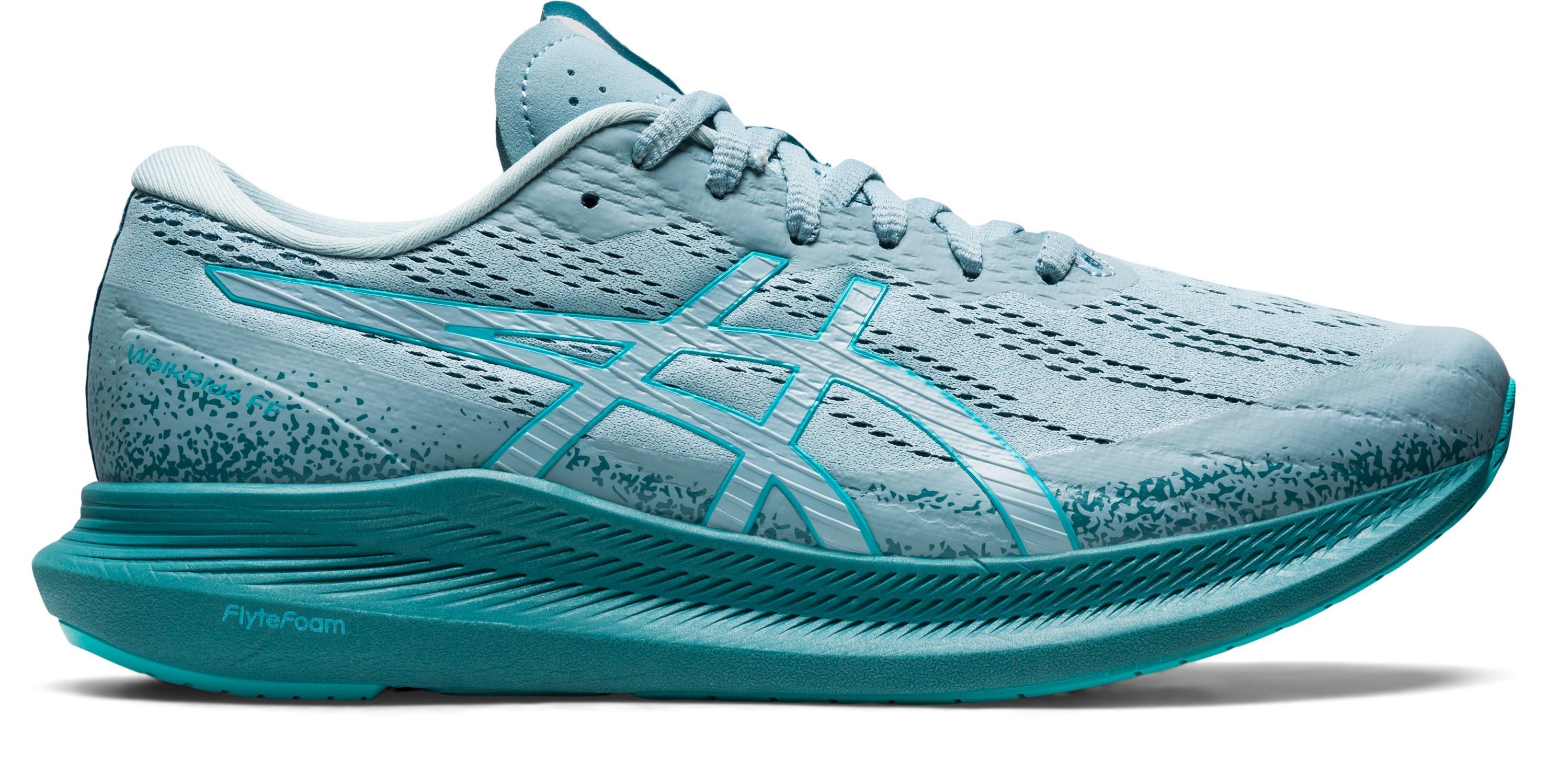
A Step in the Right Direction: Integrating Your New Shoes into Daily Life
Finding the perfect pair of podiatrist recommended walking shoes is only the first step; integrating them correctly is the next. Avoid the temptation to wear them for an entire 12-hour shift on the first day. Like any new tool for your body, a break-in period is wise. Start by wearing them for a few hours indoors, gradually increasing the duration over a week. This allows your feet and the shoe materials to adapt to each other. Pay attention to how your body feels—not just your feet, but your calves, knees, and lower back. A proper shoe should alleviate existing discomfort, not create new pressure points. Pair your shoes with moisture-wicking socks to manage perspiration and reduce blister risk. Furthermore, be mindful of the shoe’s lifespan. Even the best-engineered shoes lose their supportive and cushioning properties. The general consensus among podiatrists, often shared on health forums and in clinic literature, is to replace walking shoes every 300 to 500 miles. If you walk five miles a day, that translates to replacement every two to three months. It’s a small, regular investment to maintain the protective benefits. Remember, these shoes are designed to be workhorses. Use them for their intended purpose—walking and daily wear—and reserve other footwear for specific, shorter-duration activities.
Your journey toward all-day comfort begins with a single, informed step. By prioritizing the engineering and professional validation behind podiatrist recommended walking shoes, you move beyond guesswork and into a realm of scientifically-backed support. This choice is an active commitment to the health of your foundation, silencing the distractions of discomfort and allowing you to move through your world with resilience and ease. The path to pain-free walking is clearly marked by the principles of biomechanics, quality construction, and professional insight—principles now within your reach to apply.
:max_bytes(150000):strip_icc()/podiatrist-recommended-walking-shoes-e1b90077185d4e6cadbf6327c4d17db7.jpg)
