

Discover the Best Podiatrist Recommended Walking Shoes for All-Day Comfort
Your feet are your foundation, carrying you through thousands of steps each day. Yet, so often, they are an afterthought, crammed into shoes chosen for style over substance, leading to a cascade of discomfort that can ripple up through your entire body. The quest for a shoe that genuinely supports, cushions, and aligns your stride is not merely about avoiding sore feet; it’s a fundamental investment in your mobility and long-term well-being. This is where the expertise of podiatry becomes invaluable. Moving beyond marketing claims, we delve into the science of foot health, guided by the principles that inform podiatrist recommended walking shoes. This article is your comprehensive guide to understanding why these specific recommendations matter, what scientific and biomechanical features to look for, and how to select a pair that delivers unparalleled all-day comfort, blending professional insight with practical value.
The Science of the Stride: Why Podiatrist Insights Are Non-Negotiable
Podiatry, as defined by authoritative sources like the American Podiatric Medical Association, is the branch of medicine devoted to the study, diagnosis, and medical and surgical treatment of disorders of the foot, ankle, and lower extremity. A podiatrist’s recommendation, therefore, is rooted in a deep understanding of biomechanics—the study of the structure and function of biological systems by means of the methods of mechanics. When a podiatrist suggests a walking shoe, they are evaluating how that shoe interacts with the complex orchestration of 26 bones, 33 joints, and over 100 muscles, tendons, and ligaments in each foot. The goal is to find a shoe that facilitates a natural, efficient gait cycle while providing necessary support and protection. Consider the words of Dr. Jacqueline Sutera, a renowned New York City podiatrist, who often emphasizes in media interviews that “shoes are the foundation of your body.” She argues that improper footwear can lead to issues far beyond blisters, including plantar fasciitis, metatarsalgia, knee pain, and even hip and back problems. This perspective is echoed in literature from institutions like the University of Pittsburgh Medical Center, which links foot mechanics to overall postural alignment. Therefore, seeking out podiatrist recommended walking shoes is not a trend but a preventative health measure. It’s an acknowledgment that the right shoe can act as a therapeutic device, mitigating stress and distributing impact forces that would otherwise be absorbed by your joints.
:max_bytes(150000):strip_icc()/podiatrist-recommended-walking-shoes-e1b90077185d4e6cadbf6327c4d17db7.jpg)
Decoding the Anatomy of an Ideal Walking Shoe
What specific elements transform an ordinary sneaker into a podiatrist-endorsed marvel of engineering? The answer lies in a combination of key features that work in harmony. First and foremost is arch support. The arch of your foot is a critical shock absorber. Shoes with inadequate or misaligned arch support can lead to the collapse of the medial longitudinal arch, a condition known as overpronation, which is a common culprit behind many foot ailments. A proper podiatrist recommended walking shoe will offer support that matches your arch type—neutral, low, or high—to maintain optimal foot posture. Next is heel counter rigidity. The heel counter is the firm cup at the back of the shoe that stabilizes the calcaneus (heel bone). A sturdy, well-padded heel counter prevents excessive heel movement, reducing slippage and providing essential stability that controls rearfoot motion. Third is toe box geometry. As noted in resources like Wikipedia’s entry on footwear, the toe box should be deep and wide enough to allow your toes to splay naturally upon foot strike, without constriction. This prevents conditions like bunions and hammertoes. Finally, the midsole material is paramount. Advanced compounds like Brooks’ DNA LOFT, ASICS’ GEL, or New Balance’s Fresh Foam are engineered to provide a balance of cushioning and responsiveness. They dissipate the ground reaction forces generated with each step, which, according to biomechanics literature, can reach 1.5 times your body weight during walking. A shoe that masters these elements isn’t just comfortable; it’s a biomechanical ally.
Beyond the Brand: The Hallmarks of Trustworthy Recommendations
In an era of influencer marketing, discerning genuine podiatric advice requires a critical eye. Trustworthy recommendations often share common hallmarks. They prioritize function over fleeting fashion, focus on specific models rather than vague brand endorsements, and explain the “why” behind the choice. For instance, a podiatrist might recommend the Brooks Addiction Walker not simply because it’s popular, but because its extended progressive diagonal rollbar is a proven technology to manage overpronation, a detail supported by studies on motion control. Similarly, recommendations found on authoritative medical websites like WebMD or the Mayo Clinic’s patient advice pages often highlight features like removable insoles (to accommodate custom orthotics) and firm soles with a rocker design to facilitate a smooth heel-to-toe transition. Quora threads featuring verified podiatrists often reveal a consensus on the importance of shoe fitting later in the day when feet are naturally more swollen, ensuring a proper fit at all times. Furthermore, viewpoints from platforms like YouTube, where certified professionals like Dr. Brad Schaeffer of “Foot & Ankle Center” break down shoe reviews, provide visual, evidence-based analysis. These sources move beyond subjective “comfort” claims to objective analysis of last shape, material density, and gait laboratory findings. When you encounter a list of podiatrist recommended walking shoes, check if it references these concrete, technical rationales. The most reliable advice seamlessly blends clinical expertise with practical, everyday wearability, ensuring the shoe performs from the first step of your morning to the last step of your evening.
:max_bytes(150000):strip_icc()/shp-best-brooks-walking-shoes-tout-f67df3ab5afa4c08a24a63ae6dca3444.jpg)
Your Personal Blueprint: Matching Shoe Technology to Your Foot Type
Understanding general principles is crucial, but application is personal. The single most important step before purchasing any shoe, especially a podiatrist recommended walking shoe, is to understand your own foot morphology and gait pattern. This process begins with the “wet test.” Wet the bottom of your foot and step onto a piece of cardboard or paper. The resulting imprint will reveal your arch type: a full imprint indicates a low arch (likely overpronator), a imprint with a narrow band connecting heel and forefoot indicates a neutral arch, and a very thin band or no connection indicates a high arch (likely underpronator or supinator). This simple test, advocated by countless running and walking clinics associated with universities, provides immediate, actionable data. For the low-arched, overpronating foot, stability or motion control shoes with firm medial (inner) posts are essential. Brands like Brooks (Adrenaline GTS), ASICS (GT-2000), and New Balance (1540) excel here. For the neutral arch, a balanced cushioning shoe with moderate support, such as the Hoka Clifton or the Saucony Ride, is often ideal. For the high-arched supinator, maximum cushioning and flexibility to aid natural shock absorption are key, found in models like the Brooks Glycerin or the New Balance 1080. Remember, your foot type is your blueprint. Ignoring it is like building a house on an unstable foundation; eventually, the structure—your body—will show signs of stress. Investing time in this self-assessment ensures the advanced technology in your shoes works for you, not against you.
The Longevity Equation: Where Quality Meets Value
A common misconception is that premium podiatrist recommended walking shoes are an extravagant expense. In reality, they represent a critical equation of longevity and value. Consider the engineering: high-quality rubber outsoles with strategic carbon placement for durability, seamless interior linings to minimize friction, and midsoles made from compounds designed to retain their resiliency for 450-500 miles of use. Compare this to a cheaply made shoe whose cushioning may compact and lose integrity within a few months. The cost per mile of the quality shoe is often significantly lower. Furthermore, the preventative healthcare savings are substantial. The American Podiatric Medical Association frequently highlights that investing in proper footwear can avert costly treatments for conditions like plantar fasciitis or stress fractures. To bring this professional knowledge directly to your wallet, it’s wise to shop strategically. Look for previous-season models, which often see significant discounts as new colorways are released, yet retain the identical core technology. Subscribe to newsletters from major retailers and manufacturer outlets for flash sales. Consider the words of financial author and speaker Dave Ramsey, who, while discussing value, might say, “It’s unwise to pay too much, but it’s worse to pay too little.” When you pay too little for shoes, you risk getting an item that cannot do the thing it was bought to do. The great danger is when you pay just enough to get a product that appears to work but fails under pressure. The prudent investment in a properly vetted, high-quality walking shoe is an investment in uninterrupted, pain-free mobility—a return that far exceeds its initial price tag.
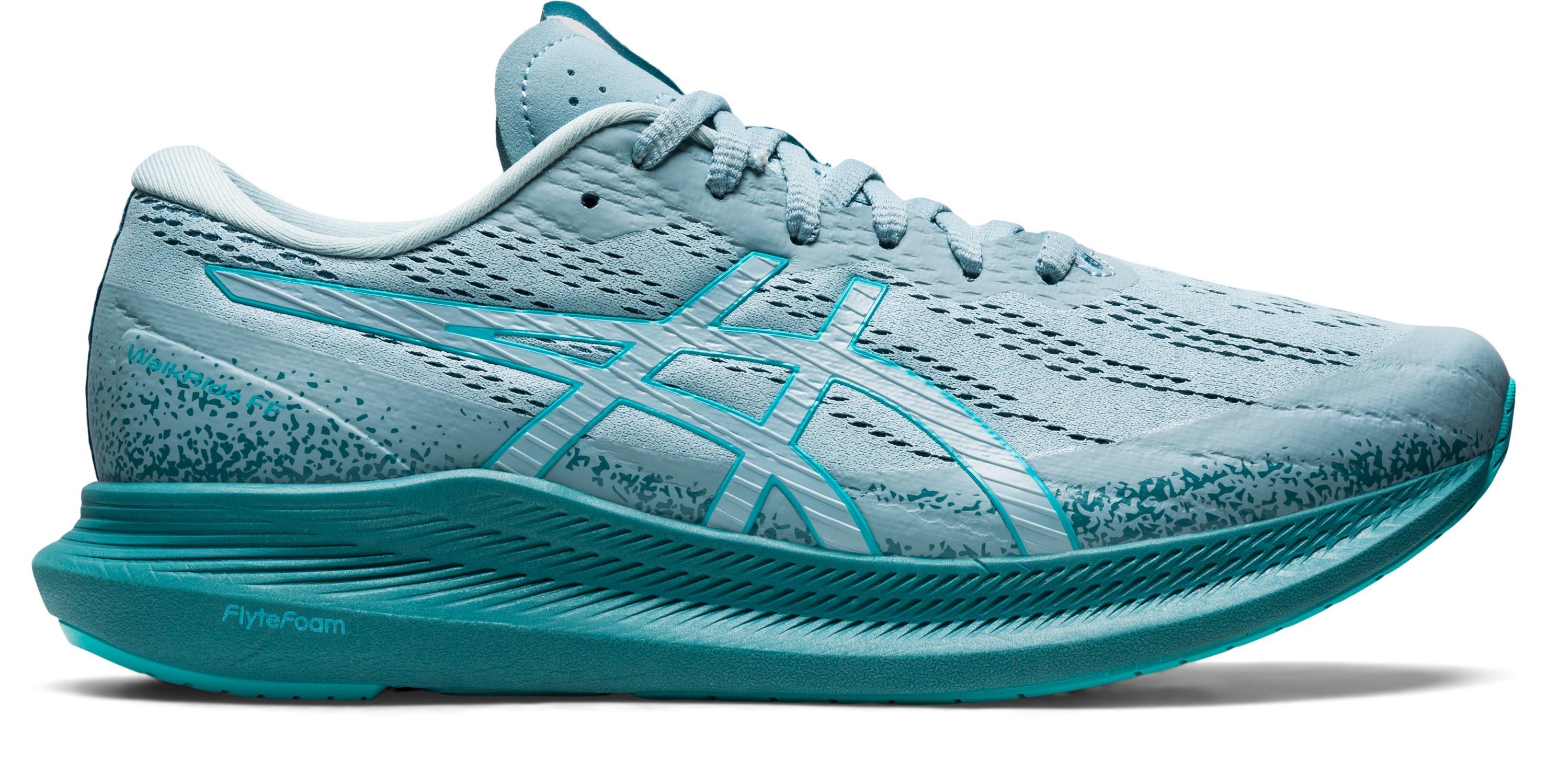
Stepping Forward with Confidence
The journey to finding the perfect walking shoe is a fusion of science, self-awareness, and smart consumerism. It begins with respecting the complexity of your own foundation and seeking guidance grounded in podiatric science, not just aesthetics. By prioritizing features like structured arch support, a secure heel counter, a generous toe box, and advanced midsole materials, you align your choice with the principles that define truly beneficial footwear. Remember, the most expensive shoe is not automatically the best, nor is the most highly rated shoe necessarily right for your unique foot structure. Your mission is to cross-reference the hallmarks of trustworthy recommendations with the personal blueprint of your arch type and gait. When you find that synergy—when a shoe feels like a natural, supportive extension of your body from the moment you put it on—you’ve found more than just footwear. You’ve secured a partner for your daily journey, a tool that empowers every step, protects your joints, and enhances your overall quality of life. Let this knowledge guide you to a pair of podiatrist recommended walking shoes that don’t just promise comfort, but deliver it relentlessly, mile after mile, day after day.
:max_bytes(150000):strip_icc()/tal-10-podiatrist-approved-open-toed-shoes-tout-00bd6ff1c36a49cdbbff486b0b54fb27.jpg)
