

Discover the Best Podiatrist Recommended Walking Shoes for All-Day Comfort
Your feet are your foundation, and the shoes you choose for walking can mean the difference between a day filled with vibrant energy and one hampered by discomfort. For anyone who spends significant time on their feet—whether navigating city streets, exploring nature trails, or simply managing daily errands—the quest for the perfect walking shoe is paramount. This isn’t merely about fashion or fleeting trends; it’s a critical investment in your musculoskeletal health and overall well-being. The market is saturated with options, each claiming superiority, but the most reliable guidance comes from a specialized field of medicine: podiatry. Podiatrist recommended walking shoes are not a marketing gimmick; they are footwear engineered according to principles of biomechanics, designed to support, cushion, and align the foot in a way that promotes natural, pain-free movement. This article delves into the science behind these recommendations, explores the non-negotiable features of an ideal walking shoe, and guides you toward making an informed choice that brings professional-grade support and value to your step.
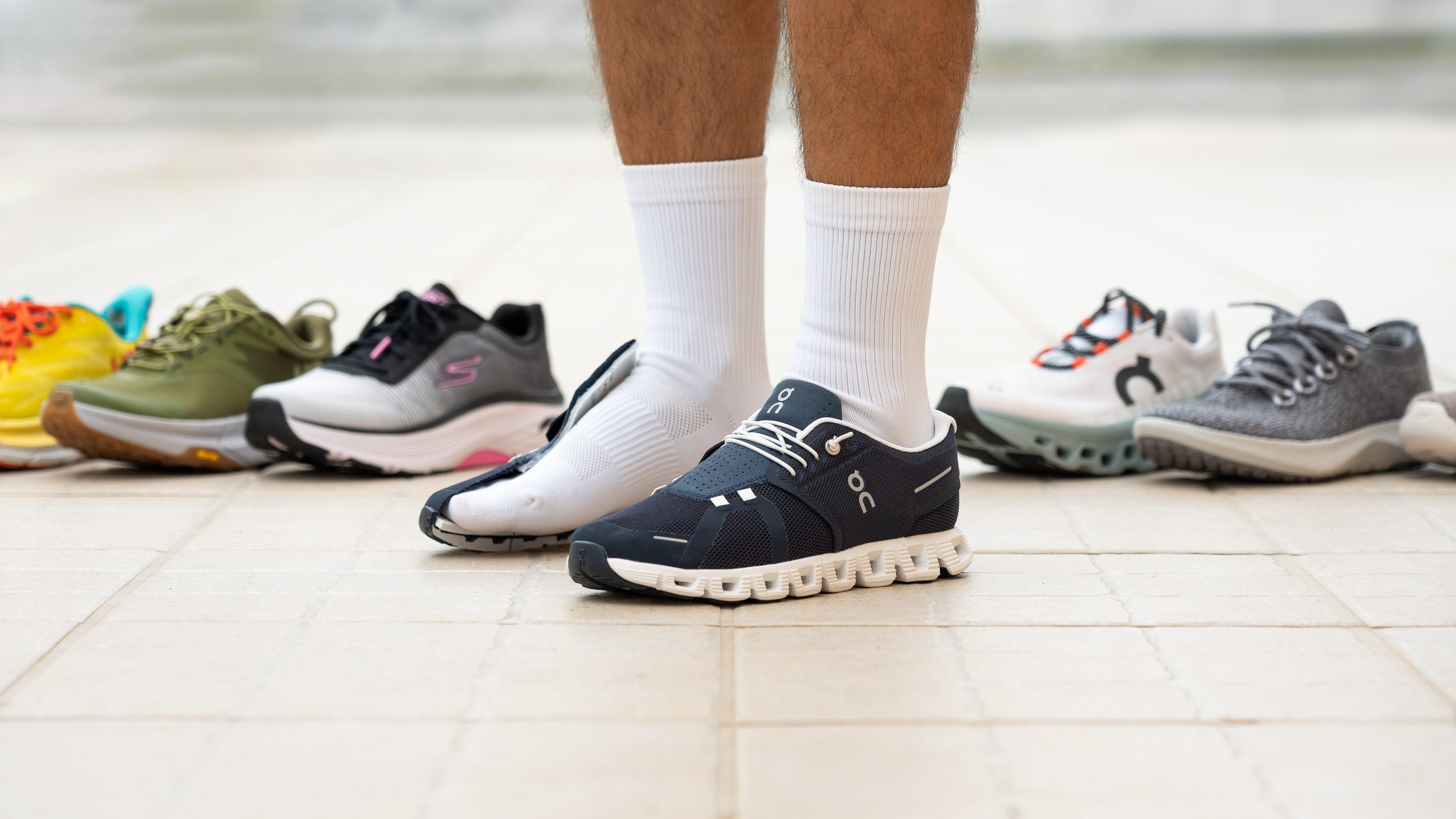
The Science of the Stride: Why Podiatry Expertise Matters
To understand the value of a podiatrist recommended walking shoe, one must first appreciate the complexity of the human foot. It is a marvel of engineering, comprising 26 bones, 33 joints, and over 100 muscles, tendons, and ligaments. Each step you take is a controlled collision of forces, with your foot absorbing up to three times your body weight. Podiatrists, doctors specializing in the diagnosis and treatment of foot, ankle, and lower extremity disorders, study these forces—a field known as biomechanics. Their recommendations are rooted in preventing or alleviating conditions like plantar fasciitis, metatarsalgia, bunions, and tendonitis. As Dr. Jacqueline Sutera, a renowned New York City podiatrist, often states in media interviews, “Shoes are the foundation of your body. If your foundation is unstable or unsupportive, it can cause a chain reaction of misalignment all the way up to your back and neck.” This perspective is echoed in literature from authoritative institutions like the American Podiatric Medical Association (APMA), which grants its Seal of Acceptance to products that promote good foot health. Therefore, a shoe bearing the implicit or explicit endorsement of podiatric science is one designed with an intimate understanding of gait cycles, pressure distribution, and anatomical support, aiming to create harmony between your foot and the ground.
Arch Support: The Cornerstone of Stability
Perhaps the most critical feature scrutinized by podiatrists is arch support. The arch of your foot acts as a natural shock absorber. However, in many individuals, this arch can be too high (pes cavus), too low (flat feet, or pes planus), or collapse inward excessively (overpronation). A lack of proper support can lead to immense strain on the plantar fascia ligament, resulting in the debilitating heel pain characteristic of plantar fasciitis. A true podiatrist recommended walking shoe will offer structured, contoured arch support that matches your specific foot type. This isn’t about a generic, slightly raised bump in the insole; it’s about engineered medial posts or firm midsole materials that prevent the foot from rolling inward too far. Resources like Wikipedia’s entries on “Foot” and “Gait analysis” detail the biomechanical models that inform this design. The goal is to maintain the foot in a neutral position throughout the gait cycle, from heel strike to toe-off, thereby distributing weight evenly and reducing stress on any single structure. For the wearer, this translates to a feeling of being “held” and stabilized with each step, preventing the fatigue and ache that comes from your muscles overworking to compensate for poor alignment.
Cushioning vs. Stability: Striking the Perfect Balance
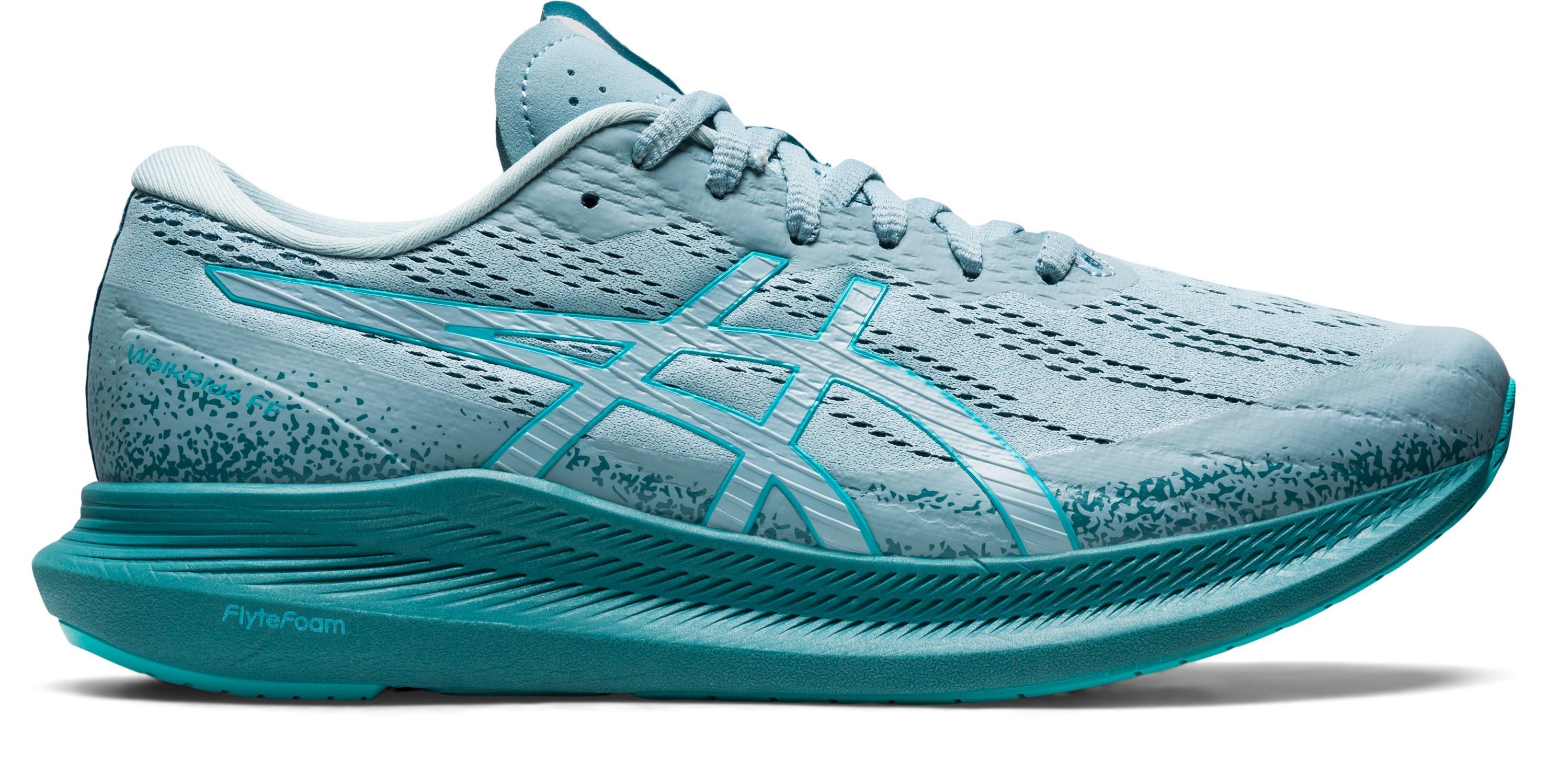
A common misconception is that the softest shoe is the most comfortable. While plush cushioning feels inviting initially, excessive softness without underlying structure can be detrimental. It allows the foot to sink and roll unpredictably, offering little resistance to overpronation. Conversely, a shoe that is too rigid can inhibit the foot’s natural flex and cause joint stiffness. The genius of a well-designed walking shoe lies in its layered approach. Modern podiatrist recommended walking shoes often utilize dual-density midsoles. A softer, responsive foam like EVA or proprietary compounds (e.g., Brooks’ DNA LOFT, ASICS’ FlyteFoam) provides impact attenuation at the heel and forefoot. Simultaneously, a firmer, more resilient material is strategically placed along the inner edge (medial side) to control pronation. This technology isn’t speculative; it’s the result of decades of research by sports medicine institutes and footwear labs. Think of it as a high-performance suspension system for your body: it must absorb bumps but also keep the vehicle stable and on course. When you try on such a shoe, you should feel a gentle “bounce” or energy return that propels you forward, coupled with a definitive sense of guidance that prevents your ankle from wobbling.
Deconstructing the Ideal Walking Shoe: A Feature-by-Feature Guide
Moving from principle to practice, let’s examine the tangible elements that define a top-tier walking shoe. These are the criteria podiatrists and orthopaedic specialists consistently highlight when advising patients.
Heel Counter and Achilles Notch
A firm, molded heel counter—the back part of the shoe that cups your heel—is non-negotiable. It locks the heel in place, preventing side-to-side slippage that can lead to blisters and instability. A quality heel counter should be firm to the touch yet padded for comfort. Complementing this is a well-designed Achilles notch or pillow, a curved cut-out at the top of the heel collar that protects the sensitive Achilles tendon from irritation. This attention to detail prevents the “breaking in” period from being a painful ordeal and ensures long-term wearability.

Toe Box and Flexibility
The toe box must be roomy enough to allow your toes to splay naturally upon foot strike. Constriction here can exacerbate bunions, hammertoes, and neuromas. There should be about a thumb’s width of space between your longest toe and the end of the shoe. Furthermore, the shoe should flex easily at the ball of the foot—where your foot naturally bends—but remain torsionally rigid. You can test this by holding the heel and twisting the forefoot; it should resist twisting. This combination allows for a efficient roll-through motion while maintaining overall structural integrity.
Breathable Upper and Secure Fit
A breathable mesh upper is essential for managing moisture and temperature, reducing the risk of fungal infections and keeping feet comfortable over long periods. The lacing system should allow for micro-adjustments to achieve a secure, customized fit without creating pressure points across the instep. Some advanced podiatrist recommended walking shoes even feature seamless interiors to minimize friction and hot spots, a boon for those with sensitive skin or diabetes.
“The right shoe is a preventative tool. It’s about aligning the foot to work as nature intended, thereby avoiding the cascade of problems that stem from poor biomechanics. Don’t choose a shoe because it’s cute; choose it because it’s correct.” – A sentiment frequently expressed by podiatrists in health forums and Q&A platforms, reflecting a core professional principle.
Bringing Professional Knowledge and Value to Your Doorstep
Armed with this knowledge, you are now a discerning consumer. But knowledge must be paired with accessibility. The world of specialty footwear can seem premium, but value is found not just in price, but in cost-per-mile of comfort and injury prevention. Many reputable brands that consistently earn podiatrist accolades—such as Brooks, ASICS, New Balance, HOKA, and Saucony—offer previous-season models or colorways at significant discounts. The core technologies (the cushioning systems, stability frames, and lasts) often remain unchanged. Subscribing to brand newsletters, checking authorized retailer sale sections, and shopping during traditional retail holidays are savvy strategies. Furthermore, investing in a quality pair of podiatrist recommended walking shoes may offset future expenses on pain relievers, orthotics, or medical treatments for foot ailments. Consider it a proactive investment in your mobility. When you try shoes on, do so in the afternoon when feet are naturally slightly swollen. Wear the socks you intend to walk in, and take the time to walk around the store or your home on different surfaces. The right shoe will feel supportive and inviting from the first step, with no “break-in” pain required.
:max_bytes(150000):strip_icc()/favorite-walking-shoes-round-up-november-2024-458c3fc0c6844adca7c0a34ebc5cfb9b.jpg)
Your journey toward all-day comfort begins with a single, well-supported step. By prioritizing the biomechanical principles endorsed by podiatric science, you move beyond mere footwear and into the realm of functional health equipment. The perfect walking shoe is out there—one that offers a symphony of cushioning, stability, and fit, allowing you to walk further, feel better, and embrace the world beneath your feet with confidence and ease. Let your search be guided by science, and your stride will be rewarded with enduring comfort.
