

Top Walking Shoes for Women Podiatrists Swear By for All-Day Comfort
When your feet hurt, everything hurts. This isn’t just a saying; it’s a physiological reality that impacts your posture, your joints, and your overall well-being. For women who are on their feet for hours—whether navigating city streets, managing a busy household, or clocking miles for fitness—the quest for truly comfortable shoes can feel endless. We sift through marketing claims, fleeting trends, and confusing jargon, often ending up with footwear that looks promising but leaves us with aching arches or blistered heels by day’s end. The solution, however, doesn’t lie in the most advertised brand or the most expensive pair. It resides in the informed, science-backed recommendations of foot health specialists: podiatrists. This article cuts through the noise to present the definitive guide to podiatrist recommended walking shoes, the ones these experts consistently endorse for their patients seeking all-day relief and support. We will delve into the biomechanical principles that make these shoes exceptional, explore specific models that have earned professional praise, and provide you with the knowledge to make an investment in your foot health that pays dividends in comfort every single step of the way.
The Foundation of Foot Health: Why Podiatrist-Recommended Shoes Are Non-Negotiable
To understand the critical importance of podiatrist recommended walking shoes, we must first appreciate the complex engineering of the human foot. Each foot contains 26 bones, 33 joints, and over 100 muscles, tendons, and ligaments, all working in concert to provide balance, propulsion, and shock absorption. Podiatrists, doctors of podiatric medicine (DPM), are the authoritative experts in this biomechanical system. Their recommendations are not based on fashion or brand loyalty but on clinical evidence of how shoe design interacts with foot structure and gait cycle. A study from the University of Pittsburgh’s Department of Orthopedic Surgery emphasizes that improper footwear is a leading modifiable factor in the development of common ailments like plantar fasciitis, metatarsalgia, and bunions. When a podiatrist recommends a shoe, they are evaluating key features: arch support that matches the foot’s natural contour to prevent overpronation or supination; a heel counter that is rigid enough to stabilize the rearfoot; adequate toe box room to allow natural splay and prevent neuromas; and appropriate cushioning that absorbs impact without destabilizing the foot. These are not mere comfort features; they are preventive medical interventions. As Dr. Jacqueline Sutera, a renowned New York City podiatrist, often states in media interviews, “Shoes are the foundation of your body. You wouldn’t build a house on a shaky foundation, so why would you support your body with unstable shoes?” This perspective shifts the conversation from mere accessory to essential equipment for daily life, making the choice of podiatrist recommended walking shoes a fundamental act of self-care.
:max_bytes(150000):strip_icc()/favorite-walking-shoes-round-up-november-2024-458c3fc0c6844adca7c0a34ebc5cfb9b.jpg)
Decoding the Features: The Anatomy of a Perfect Walking Shoe
Arch Support and Motion Control: The Inner Framework
The arch of your foot is its natural shock absorber. When it collapses excessively inward (overpronation) or doesn’t collapse enough (supination), it creates a chain reaction of misalignment from the ankles to the knees and hips. A true podiatrist recommended walking shoe addresses this directly. Brands like Brooks and ASICS invest heavily in biomechanical research, developing proprietary technologies. For instance, Brooks’ “GuideRails” support system, as explained on their official site, doesn’t just prop up the arch; it focuses on holistic knee protection by guiding the body back into its natural alignment when the arch falters. This is a prime example of podiatric principles translated into design. The support must be firm yet contoured. A common misconception, noted in discussions on platforms like Quora and professional podiatry forums, is that soft equals supportive. In reality, an overly soft arch support will compress completely under body weight, offering no structural benefit. The material must have enough density to maintain its shape and provide a stable platform throughout the entire gait cycle, from heel strike to toe-off. This precise engineering is what separates generic sneakers from clinically endorsed footwear, making the search for genuine podiatrist recommended walking shoes worth the effort.
The Heel Counter and Toe Box: Stability and Freedom
Two seemingly simple components—the back and the front of the shoe—hold immense importance. A firm heel counter, the structured part that cups your heel, is non-negotiable for stability. If you can easily squeeze the back of the shoe flat, it’s too soft. A study cited in the Journal of Foot and Ankle Research links a rigid heel counter to reduced incidence of Achilles tendonitis and improved control for those with flexible flat feet. It prevents the heel from sliding or rolling, ensuring a secure, stable base. On the opposite end, the toe box must provide ample horizontal and vertical volume. The trend of narrow, pointed shoes is anathema to foot health, often cited by podiatrists as a direct cause of bunions (hallux valgus) and hammertoes. The foot naturally widens and the toes splay slightly when bearing weight during walking. A podiatrist recommended walking shoe respects this physiology. As highlighted in literature from the American Podiatric Medical Association (APMA), which grants its Seal of Acceptance to products that promote good foot health, adequate toe room prevents compression of the nerves and joints, allowing for natural propulsion. This combination of a locked-in heel and a free forefoot creates a “secure but not constrictive” environment that is the hallmark of professional-grade footwear.
Spotlight on Champions: Podiatrist-Approved Models for Every Need
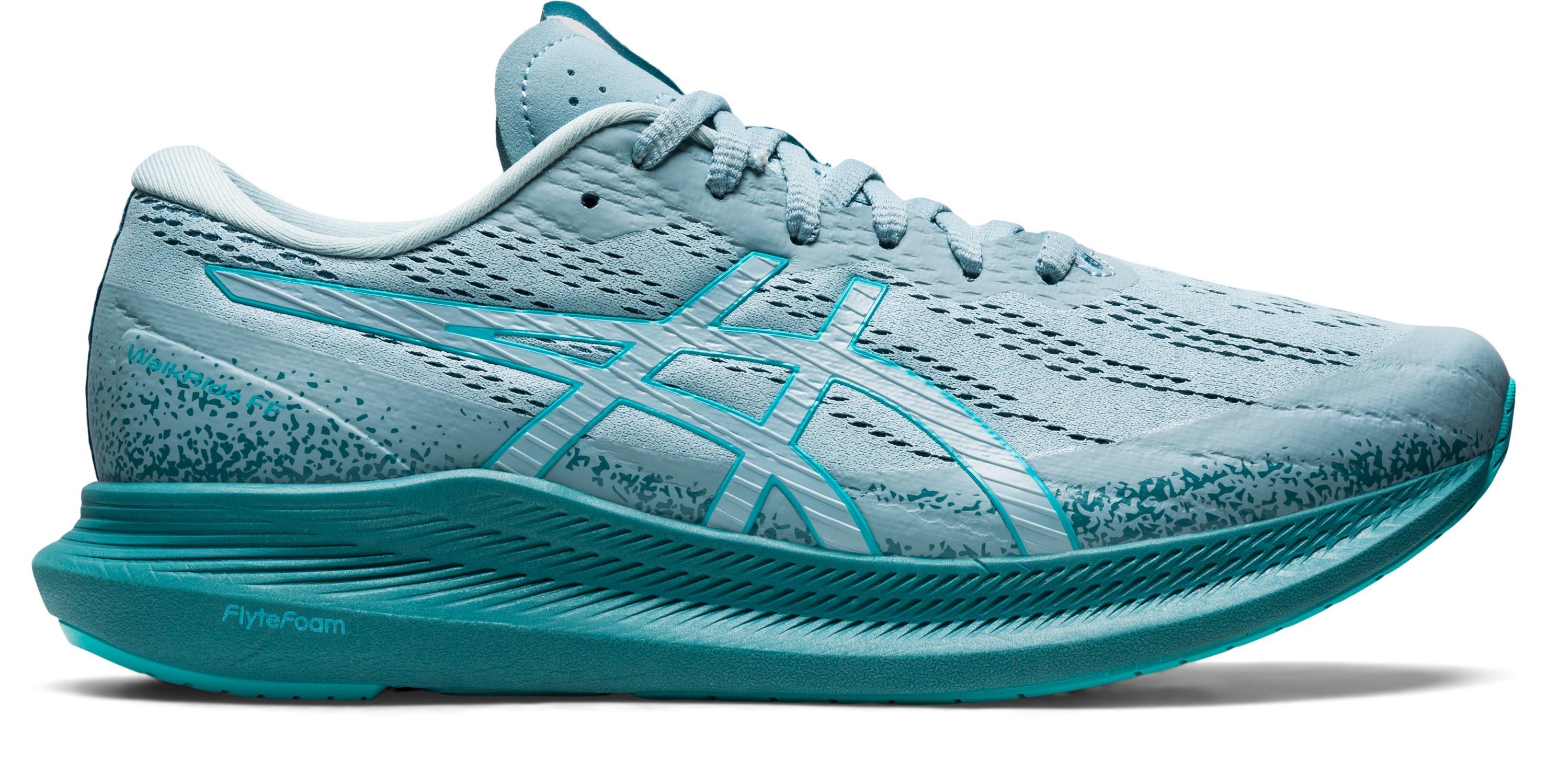
With the foundational knowledge of why these shoes work, let’s examine which specific models consistently earn the trust of podiatrists and their patients. It’s crucial to remember that the “best” shoe is the one that fits your individual foot shape and gait pattern. However, the following categories and models serve as an excellent starting point for your search, representing the gold standard in podiatrist recommended walking shoes.
For the All-Day Walker: Maximum Cushioning and Reliability
If your day involves prolonged standing or walking on hard surfaces, maximum cushioning is your ally. The HOKA Bondi series is frequently the first name mentioned by podiatrists in publications like Shape and Travel + Leisure. Its signature meta-rocker geometry and super-soft yet stable midsole do more than just cushion; they promote a smooth, rolling gait that reduces strain on the calves and Achilles. Similarly, the Brooks Ghost series, a perennial favorite, is celebrated for its balanced “just-right” feel—not too soft, not too firm. It features DNA LOFT cushioning that adapts to your stride, providing a plush landing and a responsive toe-off. These shoes are engineered for the marathon of daily life, not just a literal marathon. Their design philosophy aligns with the views of sports medicine specialists who advocate for shoes that mitigate repetitive stress impact, a key factor in preventing stress fractures and joint wear over time. Investing in this category of podiatrist recommended walking shoes is an investment in long-term mobility.
For the Stability-Seeker: Combating Overpronation with Precision
For individuals whose arches tend to collapse inward, a stability shoe is not a luxury but a necessity. The ASICS GT-2000 series is a cornerstone in this category, often receiving the APMA Seal of Acceptance. Its Dynamic DuoMax Support System is a dual-density midsole that provides a firmer post on the inner side of the shoe to gently correct excessive inward rolling. Another titan is the Brooks Adrenaline GTS line. Its GuideRails technology, as mentioned earlier, exemplifies the modern approach to stability: instead of just propping up the arch, it focuses on guiding the knee, the joint most vulnerable to misalignment from overpronation. These shoes are meticulously crafted tools. As noted by Dr. Brad Schaeffer, a podiatrist featured in various health media, “A good stability shoe for an overpronator can feel like a custom orthotic built into a sneaker.” They provide the external support needed to allow the foot’s intrinsic muscles to function more effectively, reducing fatigue and pain. Choosing the right podiatrist recommended walking shoes from this category can be transformative for those who have resigned themselves to constant arch or knee ache.
:max_bytes(150000):strip_icc()/shp-best-brooks-walking-shoes-tout-f67df3ab5afa4c08a24a63ae6dca3444.jpg)
Beyond the Shoe: Integrating Professional Knowledge for Holistic Foot Care
While selecting the right podiatrist recommended walking shoes is paramount, it is one component of a holistic foot health strategy. Professional knowledge extends to understanding wear patterns, knowing when to replace your shoes, and complementing them with other interventions. Podiatrists advise that even the best walking shoes lose a significant portion of their cushioning and support after 300-500 miles of use. The midsole foam compresses and the stabilizing structures break down, long before the outsole looks worn. Monitoring your shoes’ age and listening to your body—a return of old aches can be a signal—is crucial. Furthermore, for individuals with specific conditions like severe plantar fasciitis or rigid flat feet, a podiatrist may recommend custom orthotics. These medical-grade inserts are designed from a mold or scan of your foot and work synergistically with a quality, roomy walking shoe. The shoe provides the protective shell and basic architecture, while the orthotic delivers hyper-personalized correction and cushioning. This combination is often the ultimate solution for complex biomechanical issues. Resources from authoritative institutions like the Mayo Clinic’s patient education materials reinforce that footwear and orthotics are first-line conservative treatments for many common foot ailments, underscoring the profound value of applying this professional knowledge.
Smart Shopping: Finding Value in Quality Footwear
We understand that investing in high-quality, podiatrist recommended walking shoes represents a financial consideration. The good news is that value and quality are not mutually exclusive. First, view this purchase not as a discretionary expense but as a vital investment in your health, potentially saving you from costly pain management treatments or orthotics down the line. Second, be a savvy shopper. Many reputable brands offer previous-generation models at significant discounts when a new version is released. The core technologies—the GuideRails, the DNA LOFT, the DuoMax support—often remain largely unchanged. Websites of major retailers frequently have sales sections where these proven performers can be found. Additionally, the end of a season is an excellent time to look for deals. Signing up for brand newsletters can provide early access to promotions. Remember, the goal is to acquire the biomechanically sound shoe you need, not necessarily the very latest model. This approach allows you to access professional-grade foot support without straining your budget, making the benefits of podiatrist recommended walking shoes accessible and sustainable.
:max_bytes(150000):strip_icc()/tal-roundup-podiatrist-loved-shoes-on-sale-tout-bdbf5721fa5642efa38b61f6a5b4ff34.jpg)
The journey to pain-free walking is not a mystery to be solved through trial and error. It is a path clearly illuminated by the science of podiatry and embodied in the design of specific, expertly crafted footwear. From the essential, non-negotiable features of arch support and a secure heel counter to the champion models from HOKA, Brooks, and ASICS that have earned the trust of foot health professionals, the evidence is compelling. These podiatrist recommended walking shoes are more than products; they are applications of biomechanical research designed to protect, support, and enhance your natural movement. By integrating this professional knowledge with smart shopping strategies, you empower yourself to make a choice that supports every step of your day. Your feet are your foundation. Give them the respect and expert-level support they deserve, and they will carry you forward in comfort, mile after mile, day after day.
