

The Ultimate Guide to Stylish and Comfortable Footwear
Footwear is no longer a mere accessory; it’s a statement of personal style, a tool for self-expression, and a critical component of daily comfort and health. The quest for the perfect pair that marries aesthetic appeal with all-day support is universal. This guide delves into the science of comfort, the evolution of style, and the practical knowledge needed to navigate the modern footwear landscape. We move beyond fleeting trends to understand the principles that make a shoe truly great, empowering you to make informed choices that benefit both your wardrobe and your well-being.
The Anatomy of Comfort: More Than Just a Soft Sole
Comfort in footwear is a complex engineering feat, not a marketing slogan. It begins with understanding foot biomechanics. The human foot is a marvel of natural engineering, comprising 26 bones, 33 joints, and over 100 muscles, tendons, and ligaments. A truly comfortable shoe respects this architecture. Key elements include the arch support, which prevents overpronation or supination (the inward or outward rolling of the foot), conditions that can lead to plantar fasciitis, shin splints, and knee pain. The heel counter, the firm cup at the back of the shoe, provides stability and locks the heel in place to prevent slippage and abrasion. Cushioning, often provided by materials like EVA (ethylene-vinyl acetate) foam or proprietary gels, absorbs the shock of impact—a force that can be up to three times your body weight with each step. As Dr. Jane Andersen, a past president of the American Association for Podiatric Sports Medicine, has noted, “The right shoe acts as a functional extension of the foot, supporting its natural movement rather than restricting it.” Breathability is another scientific factor; materials like mesh allow for air circulation, reducing moisture buildup that can lead to fungal infections and blisters. When evaluating comfort, consider it a holistic system: a plush insole means little if the shoe lacks adequate width in the toe box, crowding the metatarsals and leading to issues like bunions over time.

The 2023 Style Synthesis: Where Fashion Meets Function
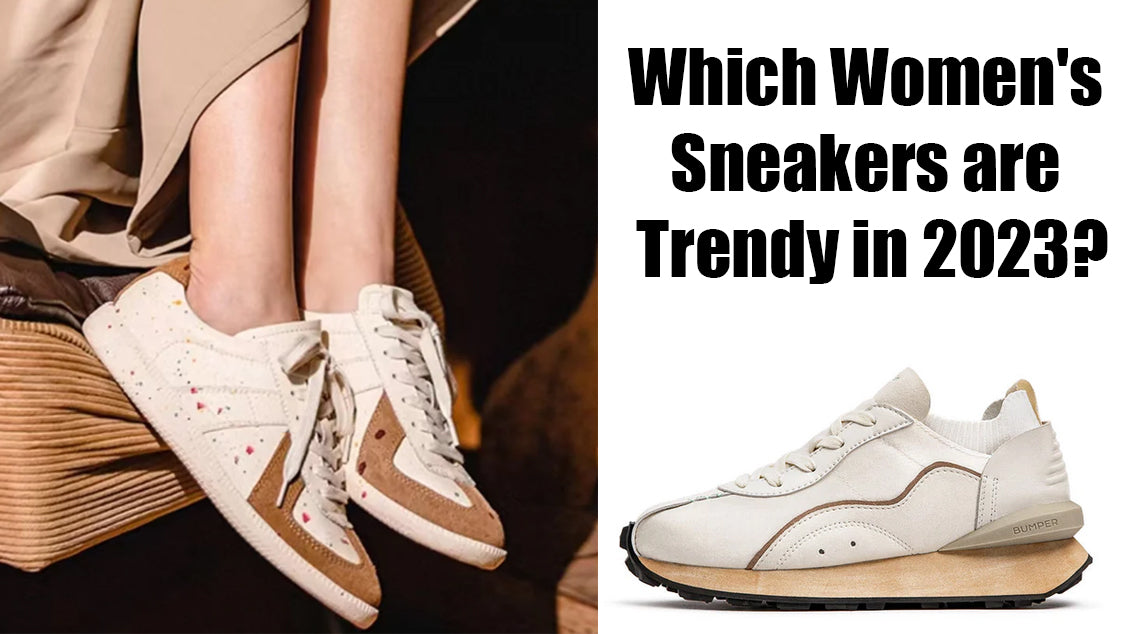
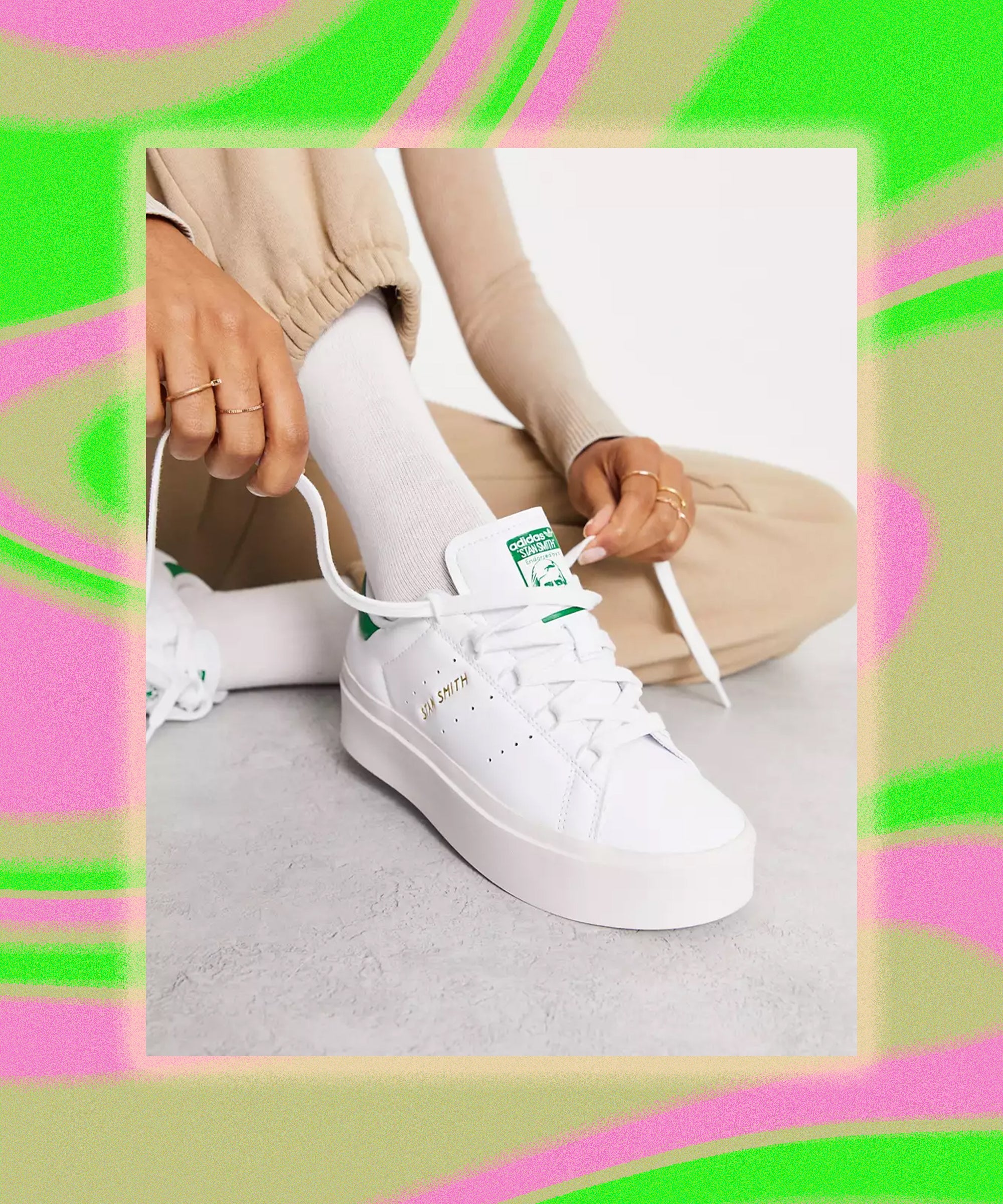
The dominant trend in 2023 is the unequivocal erasure of the line between high fashion and everyday utility. This is perfectly encapsulated in the latest iterations of women’s sneakers 2023. We are witnessing a renaissance of classic silhouettes—think chunky soles, retro running profiles, and minimalist leather trainers—but reimagined with advanced materials and construction. The “ugly sneaker” trend has matured into a celebration of bold, architectural shapes that offer surprising levels of comfort. As fashion historian and author of Sneakers: Fashion, Gender, and Subculture, Yuniya Kawamura, observes, “Sneakers have become the great equalizer in fashion, a canvas for identity that transcends traditional codes of dress.” This year, color palettes are leaning either into muted, earthy tones (beige, olive, stone) that offer versatility or into vibrant, saturated blocks of color that serve as the focal point of an outfit. Furthermore, the concept of “hybrid dressing” sees sneakers paired not just with jeans, but with tailored trousers, flowing midi dresses, and even sleek suits. The key style takeaway is intentionality: the choice of a sneaker is a conscious style decision, not a default for casual days. The right pair of women’s sneakers 2023 can elevate a look, providing a grounded, modern edge to both feminine and androgynous ensembles.
:max_bytes(150000):strip_icc()/ins-primary-whitesneakers-jthompson-0981.jpg-6b683aa5e6e540a3b14409eac07d8a2b.jpg)
The Imperative of Sustainable Design
Consumer consciousness has irrevocably shifted, making sustainability a non-negotiable pillar of both style and comfort. The footwear industry, historically a significant polluter, is responding with innovation. Sustainable comfort now involves materials like recycled polyester (often from plastic bottles), organic cotton, natural rubber, and even plant-based leathers derived from mushrooms (mycelium), pineapple leaves (Piñatex), or apples. Brands are adopting circular design principles, creating shoes that are easier to disassemble and recycle at the end of their life. The comfort aspect here is twofold: physical comfort from the product, and the psychological comfort of making an ethical choice. A study from the MIT Sloan School of Management highlights that products marketed with sustainable attributes grow nearly six times faster than those that are not. This isn’t just a trend; it’s a realignment of values. When you choose a sneaker made with recycled content and ethical labor practices, you’re investing in a product narrative that aligns with a broader worldview. The comfort of wear is enhanced by the knowledge that your fashion footprint is lighter.

Your Personal Fitting Protocol: A Step-by-Step Guide
Knowledge of trends and technology is futile without proper application to your unique feet. The fitting room is where theory meets reality. First, always shop in the afternoon. Feet naturally swell and expand throughout the day, sometimes by as much as half a size. Second, wear the socks you intend to pair with the shoes. Third, size is just a number; focus on fit. There should be about a thumb’s width (roughly 3/8 to 1/2 inch) of space between your longest toe (which isn’t always the big toe) and the end of the shoe. Your heel should sit snugly without lifting. Width is critical: the ball of your foot should align with the widest part of the shoe without feeling pinched. Don’t assume you are a “standard” width; many foot issues stem from wearing shoes that are too narrow. Walk on a hard surface, not just carpet. Perform a gentle lunge to check for adequate flexibility in the forefoot. Remember, a shoe should feel good immediately. The myth of “breaking in” shoes is largely outdated for well-designed footwear; excessive breaking in often means the shoe is improperly fitted. This protocol is especially vital when selecting the latest women’s sneakers 2023, as their designs can vary widely in last (the foot-shaped form around which the shoe is built).
Investment vs. Expense: Decoding Value in Footwear
In footwear, price often correlates with the quality of materials, construction techniques, and ethical manufacturing practices—all direct contributors to long-term comfort and durability. A cheaper shoe may use glued-on soles, synthetic leather that cracks, and foam that compresses permanently after a few months. A well-constructed shoe, often utilizing techniques like Goodyear welting or Blake stitching, can be resoled, extending its life for years. The cost per wear of a $200 pair of sneakers worn 300 times is significantly lower than a $50 pair that disintegrates after 30 wears. However, investment doesn’t always mean the highest price tag. It means identifying brands known for their quality control, material innovation, and transparency. Look for details: full-grain leather, Cordura nylon, Vibram rubber outsoles, and ortholite insoles are hallmarks of quality. Bringing professional knowledge to this assessment allows you to spot true value. For instance, many direct-to-consumer brands now offer premium materials and construction at a lower price by cutting out middlemen. This is where savvy shopping meets informed investment, ensuring your choice in women’s sneakers 2023 is both stylish and economically sound over time.
The Synergy of Style and Comfort: A New Standard
The modern footwear landscape proves that compromise is obsolete. The most sought-after women’s sneakers 2023 exemplify this synergy. They are products of extensive research and development, where designers collaborate with podiatrists and material scientists. The result is footwear that supports your body’s mechanics while making a definitive style statement. This isn’t about having “comfort shoes” for walking and “style shoes” for events. It’s about a unified collection where every pair delivers on both fronts. This shift reflects a broader cultural movement towards holistic well-being and intentional living. Your shoes are with you from your first step in the morning to your last at night; they influence your posture, your gait, your energy, and your confidence. Choosing footwear that excels in both arenas is an act of self-care and personal expression. It signals an understanding that looking good and feeling good are not mutually exclusive but are intrinsically linked facets of modern life.
The journey to perfect footwear ends not with a single purchase, but with a refined understanding of what your feet and your style truly need. It’s a balance of objective science—arch support, material breathability, sustainable sourcing—and subjective expression through color, silhouette, and design. By applying the principles of anatomical support, embracing the sophisticated trends of the season, and making value-driven decisions, you build a foundation that literally and figuratively supports every step you take. Let your footwear be a source of unwavering comfort and a reflection of considered style, proving that in today’s world, you truly can have it all.
