

Discover the Best Podiatrist Recommended Walking Shoes for All-Day Comfort
Your feet are your foundation, and the shoes you choose can either support or sabotage your daily movement. For anyone who spends significant time on their feet—whether navigating city streets, exploring nature trails, or managing the demands of a busy workday—the quest for true comfort is paramount. This isn’t merely about avoiding blisters; it’s about investing in long-term foot health, proper biomechanics, and sustained energy. Ordinary sneakers often fall short, lacking the specific engineering needed to handle the repetitive impact of walking. This is where the expertise of foot care professionals becomes invaluable. Podiatrist recommended walking shoes are not a marketing gimmick; they are footwear vetted by doctors of podiatric medicine for their ability to promote alignment, cushion impact, and prevent common ailments like plantar fasciitis, bunions, and metatarsalgia. This guide delves into the science of what makes these shoes exceptional, drawing from medical literature, expert testimonials, and biomechanical principles to help you make an informed choice that brings professional-grade support and, where possible, discounted value directly to your doorstep.
The Science of Support: Why Podiatrist Endorsement Matters
To understand the value of a podiatrist recommended walking shoe, one must first appreciate the complex biomechanics of the human foot. With 26 bones, 33 joints, and over a hundred muscles, tendons, and ligaments, the foot is a marvel of engineering designed for propulsion and shock absorption. During a typical walking gait cycle, the foot undergoes pronation (rolling inward) and supination (rolling outward) to distribute force. However, excessive or improper motion can lead to a cascade of issues, affecting not just the feet but also the knees, hips, and lower back. Podiatrists, as medically trained specialists in foot and ankle disorders, evaluate shoes based on their ability to control this motion and provide stability. According to resources like the American Podiatric Medical Association (APMA), which grants a Seal of Acceptance to products that promote good foot health, key criteria include a firm heel counter to control rearfoot motion, adequate arch support to maintain the foot’s natural alignment, and a flexible yet supportive sole that encourages a natural gait. A study published in the Journal of Foot and Ankle Research often cites the importance of midsole geometry in reducing plantar pressures. Therefore, when a podiatrist recommends a shoe, it signifies that the design has been scrutinized for its therapeutic potential, moving beyond fashion to function that actively protects your musculoskeletal health.
:max_bytes(150000):strip_icc()/shp-best-brooks-walking-shoes-tout-f67df3ab5afa4c08a24a63ae6dca3444.jpg)
Architectural Pillars: Deconstructing the Perfect Walking Shoe
What specific features transform a good shoe into a podiatrist recommended walking shoe? The answer lies in a combination of deliberate architectural elements. First, the heel counter—the rigid cup at the back of the shoe—must be sturdy. This component is crucial for stabilizing the calcaneus (heel bone), preventing excessive side-to-side motion that can strain the plantar fascia. Second, the arch support is non-negotiable. Whether you have high, low, or neutral arches, proper support prevents the arch from collapsing, a primary contributor to overpronation and conditions like posterior tibial tendon dysfunction. Third, the toe box must be wide and deep enough to allow toes to splay naturally upon foot strike, reducing the risk of neuromas and hallux valgus (bunions). Fourth, the midsole material, typically composed of advanced foams like EVA (ethylene-vinyl acetate) or polyurethane, must offer a balance of cushioning and responsiveness. As noted by biomechanists on platforms like Quora and in university sports science literature, the goal is to attenuate shock without creating an unstable, overly soft platform. Finally, the rocker sole design, featured in many therapeutic brands, facilitates a smooth heel-to-toe transition, reducing strain on the Achilles tendon and forefoot. These are not arbitrary features; they are the result of decades of orthopedic research and clinical feedback, integrated into designs that podiatrists trust to complement their patient care plans.
Beyond the Brand: Voices of Authority and Evidence
The recommendation of a medical professional carries weight because it is rooted in observed patient outcomes. Prominent podiatrists, such as Dr. Jacqueline Sutera based in New York City, frequently share their expertise in media outlets and on social platforms. She has emphasized, in interviews and on her verified social channels, the importance of shoes with a slight heel-to-toe drop and rigid shanks for all-day wear. Similarly, Dr. Brad Schaeffer, a noted foot surgeon, often discusses on platforms like YouTube how proper footwear can be a first-line defense against surgery for common conditions. Their collective insights, echoed by institutions like the Mayo Clinic’s patient education materials, converge on several principles: motion control for overpronators, ample cushioning for high-impact surfaces, and seamless interiors to prevent friction. Furthermore, authoritative consumer websites like Runner’s World and Verywell Health conduct rigorous wear-testing, often consulting with podiatric advisory boards, to curate their recommendations. This multi-source validation—from clinical practice to peer-reviewed literature and trusted editorial reviews—forms a robust evidence base. It tells us that the best podiatrist recommended walking shoes are those consistently praised across these diverse yet credible channels for delivering measurable improvements in comfort and injury reduction.
From Clinic to Pavement: Top Categories and Their Champions
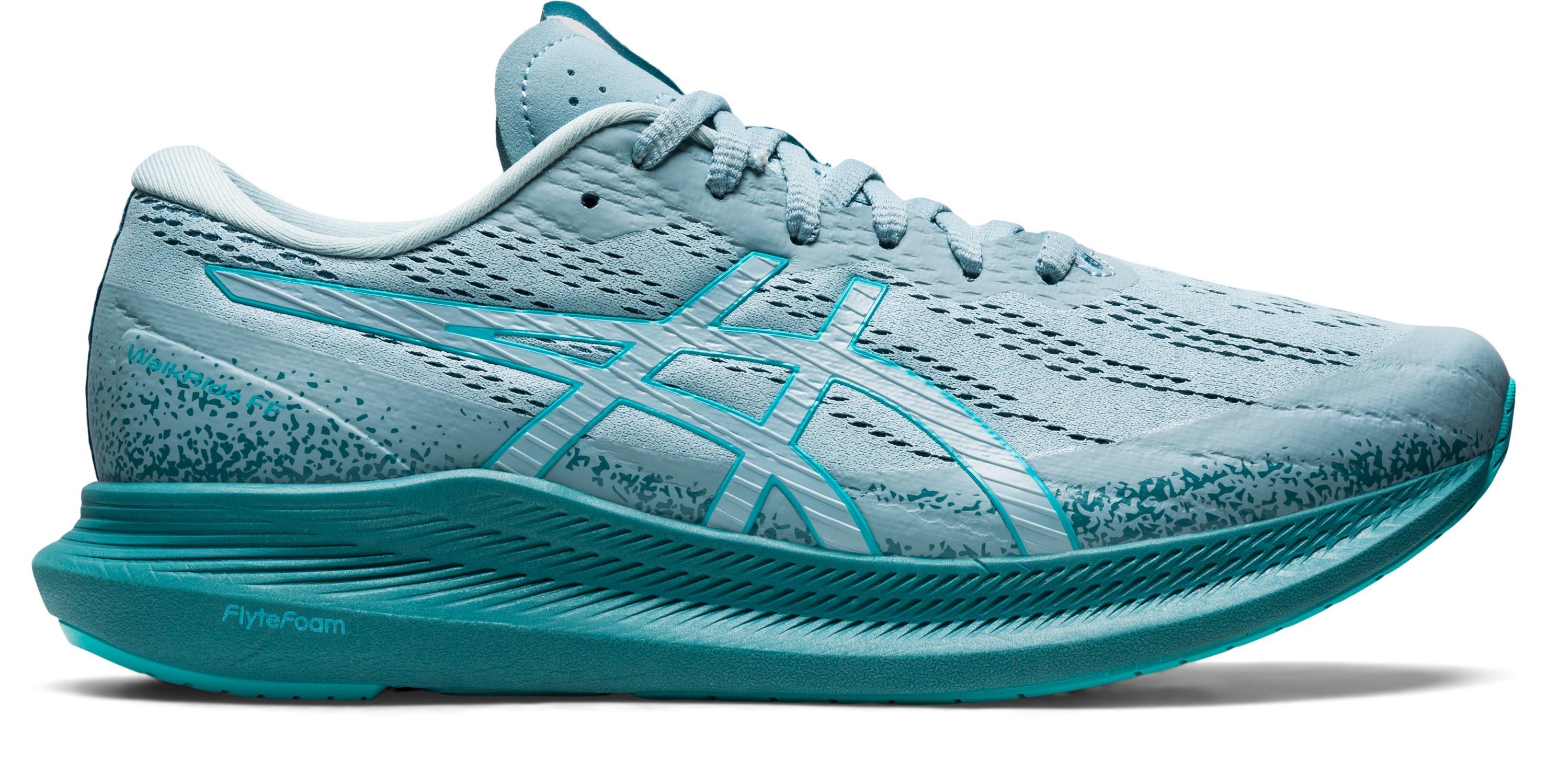
Navigating the market for podiatrist recommended walking shoes reveals several standout categories, each catering to specific biomechanical needs. For individuals requiring maximum stability and motion control, brands like Brooks (particularly the Addiction Walker or Adrenaline GTS series) and New Balance (the 1540 or 928 models) are frequently endorsed. These shoes often feature extended medial posts—denser foam on the inner side of the midsole—to gently correct overpronation. For those seeking premium cushioning to combat joint pain or walk on hard surfaces, HOKA ONE ONE has gained significant podiatric favor for its meta-rocker geometry and profuse, resilient foams like CMEVA. The Bondi or Clifton series are common prescriptions for comfort. In the realm of everyday versatility, brands like ASICS (with its GEL technology providing exceptional shock absorption) and Saucony (known for its FORMFIT and durable outsoles) offer excellent all-rounders that blend support with flexibility. It’s worth noting that many of these brands hold the APMA Seal, a tangible mark of professional approval. The common thread among all these podiatrist recommended walking shoes is a commitment to structural integrity over fleeting trends, using materials and designs proven in clinical and real-world settings to enhance the walking experience from the ground up.
Investing in Your Stride: Where Value Meets Expertise
Quality footwear engineered to medical standards is an investment in your well-being, but that doesn’t mean you must always pay full retail price. Strategic shopping can bring these essential tools within reach. First, consider previous model years. Shoe technology evolves incrementally, and last season’s top-tier podiatrist recommended walking shoe often retains 90% of its performance benefits at a significantly reduced price. Major online retailers and the brands’ own outlet sites frequently discount these models. Second, subscribe to newsletters from specialty running and walking stores; they often have sales for members or offer discounts on colorways that are being phased out. Third, be mindful of fit timing—shopping later in the day when feet are naturally slightly swollen ensures you buy a size that accommodates your foot at its largest. The value proposition here is profound: preventing a single visit to the podiatrist for a preventable overuse injury can save hundreds of dollars in copays, orthotics, and physical therapy. Therefore, spending wisely on the right shoes is ultimately a cost-saving measure. It’s about procuring professional-grade biomechanical support at a consumer-friendly price point, ensuring that the path to all-day comfort is both accessible and economically sensible.
:max_bytes(150000):strip_icc()/tal-10-podiatrist-approved-open-toed-shoes-tout-00bd6ff1c36a49cdbbff486b0b54fb27.jpg)
Your Personal Fitting: Beyond the Size Number
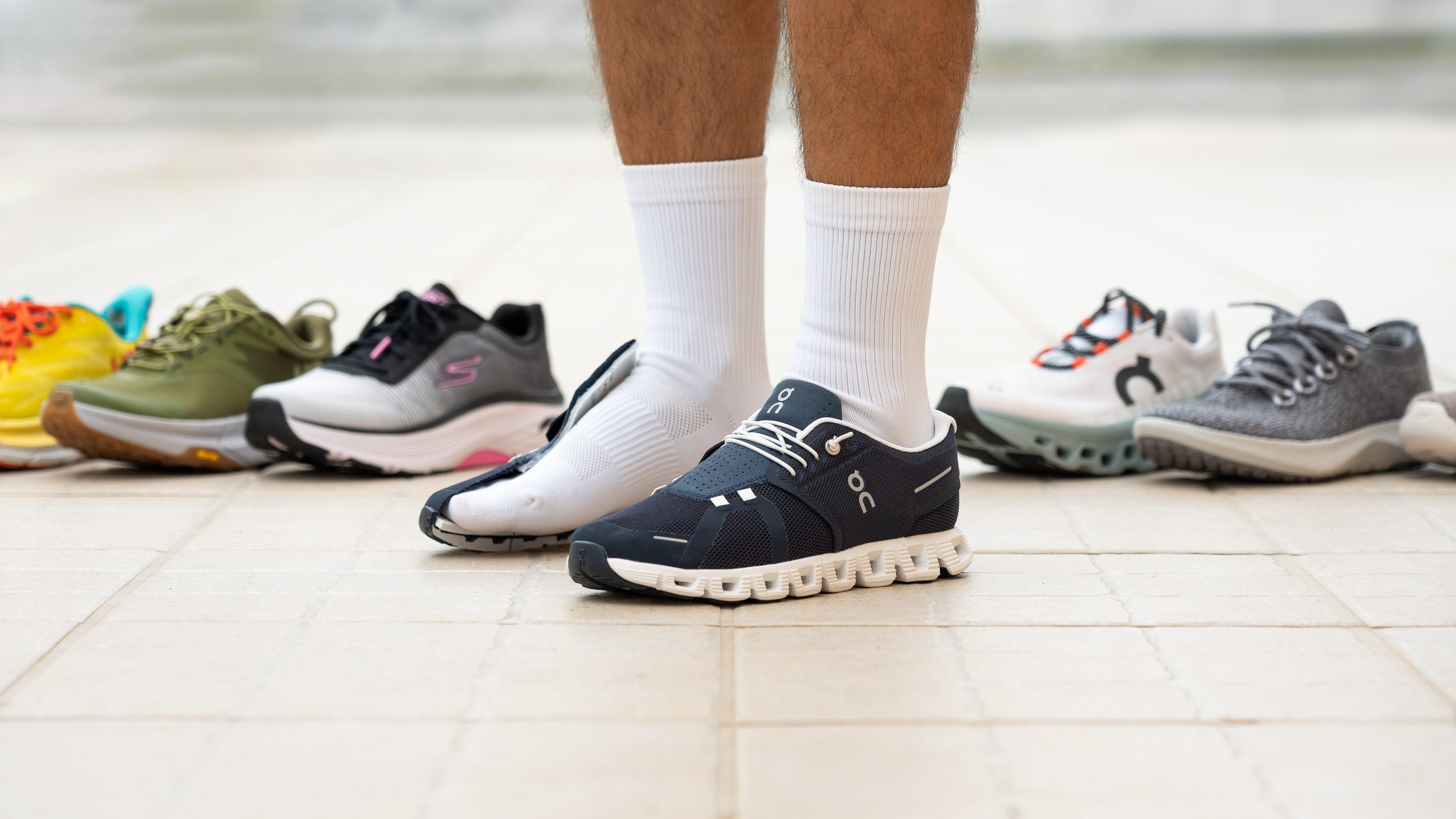
The final, and perhaps most critical, step is the personal fitting. Even the most highly acclaimed shoe will fail if it doesn’t match your unique foot morphology and gait pattern. This process goes far beyond simply checking a length measurement. A proper fit assessment should involve tracing the shape of your foot, measuring both length and width while you are standing and bearing weight, and analyzing your arch type through a wet test or pressure plate scan. Many specialty stores offer this service. When trying on shoes, wear the same type of socks you intend to walk in and ensure there is about a thumb’s width of space (roughly 3/8″ to 1/2″) between your longest toe and the end of the shoe. The widest part of your foot should align comfortably with the widest part of the shoe. Walk around the store on hard flooring, not just carpet, and pay attention to any points of pinch or slip. Remember that your feet are not perfectly symmetrical; always fit to your larger foot. This meticulous approach transforms a generic recommendation into a personalized prescription. It ensures the sophisticated engineering of your chosen podiatrist recommended walking shoes works in harmony with your individual biomechanics, unlocking the promised all-day comfort and protection.
Choosing the right footwear is a decisive act of self-care with reverberating effects on your mobility, posture, and vitality. The journey to all-day comfort is paved with knowledge—understanding the science of support, heeding the voices of medical authority, recognizing the key features that define excellence, and knowing how to find value without compromising on quality. Podiatrist recommended walking shoes represent a convergence of clinical insight and innovative design, offering more than just a place for your feet; they provide a stable, cushioned, and aligned platform for your entire body. By applying these principles and prioritizing a precise fit, you empower yourself to walk further, stand longer, and move through your days with greater ease and resilience. Let your next step be your most supported one.
