

Discover the Best Podiatrist Recommended Walking Shoes for All-Day Comfort
Your feet are the foundation of your mobility, and the shoes you choose can either support or sabotage your daily comfort and long-term health. For anyone who spends significant time on their feet—whether navigating city streets, exploring nature trails, or managing the demands of a busy workday—the quest for the perfect walking shoe is paramount. This isn’t merely about fashion or fleeting trends; it’s a critical investment in your physical well-being. The right footwear can prevent a cascade of issues, from immediate blisters and aches to chronic conditions like plantar fasciitis, bunions, and knee or back pain. This guide is dedicated to uncovering the science and specifications behind truly supportive footwear, moving beyond marketing claims to focus on the objective criteria that define excellence. We will delve into the anatomical needs of the foot, the engineering principles of shoe design, and the specific features that earn a shoe the coveted designation of being podiatrist recommended walking shoes. By the end, you will possess the knowledge to select footwear that doesn’t just fit, but actively works to provide unparalleled, all-day comfort.
The Foundation of Foot Health: Why Expert Recommendation Matters
To understand the value of a podiatrist’s endorsement, one must first appreciate the complex biomechanics of walking. The human foot is a marvel of engineering, comprising 26 bones, 33 joints, and over 100 muscles, tendons, and ligaments. Each step you take is a coordinated sequence of events—heel strike, foot flat, mid-stance, heel-off, and toe-off—known as the gait cycle. Improper footwear can disrupt this delicate cycle, leading to inefficient movement and undue stress on various structures. Podiatrists, as doctors specializing in the medical and surgical care of the foot, ankle, and lower extremity, analyze these mechanics daily. Their recommendations are rooted in preventing and treating pathology. As stated by the American Podiatric Medical Association, appropriate footwear is a first-line defense against common disorders. A podiatrist recommended walking shoe is, therefore, not a subjective style choice but a clinically-informed tool designed to promote natural, healthy gait while offering protection and stability. It addresses key factors like arch support, which maintains the foot’s natural alignment; cushioning, which absorbs the shock of impact (which can be 1.5 times your body weight with each step); and heel counter rigidity, which controls rearfoot motion. Ignoring these elements in favor of aesthetics or cost can have tangible consequences, making the guidance of foot health experts not just helpful, but essential for long-term mobility.
:max_bytes(150000):strip_icc()/podiatrist-recommended-walking-shoes-e1b90077185d4e6cadbf6327c4d17db7.jpg)
Decoding the Anatomy of a Superior Walking Shoe
What specific elements transform an ordinary sneaker into a podiatrist-approved powerhouse? The distinction lies in a combination of design features that work in harmony. First, consider the midsole. This is the heart of a shoe’s cushioning and stability, typically made from materials like EVA (ethylene-vinyl acetate) foam, polyurethane, or proprietary compounds like Brooks’ DNA LOFT or HOKA’s Profly. The density and construction of the midsole determine how it manages impact and provides energy return. Next is the arch support. Contrary to popular belief, everyone needs arch support, though the type (neutral, stability, or motion control) varies by foot type and gait. A well-designed insole or footbed will contour to the arch, preventing overpronation (excessive inward roll) or supination (outward roll). The heel counter, the firm cup at the back of the shoe, is crucial for locking the heel in place, preventing slippage and controlling rearfoot motion. A flexible but supportive forefoot allows for a natural toe-off, while a rocker sole—a feature increasingly found in podiatrist recommended walking shoes—facilitates a smoother gait transition, reducing strain on the Achilles tendon and plantar fascia. Finally, the upper must be constructed from breathable, adaptable materials that secure the foot without causing pressure points. Each component must be meticulously engineered; a flaw in one area can compromise the entire system. This holistic approach to design is what separates casual footwear from professional-grade walking companions.
Navigating Foot Types and Gait Patterns: A Personalized Approach
There is no universal “best” walking shoe because every individual’s feet and walking patterns are unique. The most critical step before purchasing is understanding your own biomechanics. Broadly, foot types are categorized by arch height: high arches (pes cavus), normal arches, and flat feet (pes planus). Your arch directly influences your gait. For instance, individuals with flat feet often overpronate, requiring shoes with substantial medial (inner) support to correct the excessive inward roll. Conversely, those with high arches may underpronate or supinate, needing highly cushioned, neutral shoes to absorb shock. The “wet test”—examining the footprint left on a dry surface after stepping out of water—can offer a basic self-assessment. However, for a definitive analysis, a podiatrist or a specialist at a reputable running store can perform a gait analysis, often using pressure plates or video technology. This personalized data is invaluable. It moves you from guessing to knowing precisely what your feet require. A shoe that is perfect for a friend with a neutral gait could be disastrous for someone who overpronates. Therefore, the label podiatrist recommended walking shoes often encompasses a range of models tailored to these different needs. Brands like ASICS, New Balance, and Saucony offer extensive lines with clear designations for stability, neutral, and motion control, ensuring there is a scientifically-appropriate option for every walker.
:max_bytes(150000):strip_icc()/I-Asked-Podiatrists-for-Their-Fall-Shoe-Recommendations-These-Are-Their-Top-8-Picks-8fbdf9d65f3a4228ae63f6e5253dc08c.jpg)
Beyond the Brand: Critical Features You Cannot Compromise On
While brand reputation can be a guide, intelligent selection requires focusing on tangible features. Here are non-negotiable elements to scrutinize. Adequate Toe Box Space: Your toes should not feel cramped. There should be about a thumb’s width (roughly half an inch) of space between your longest toe and the end of the shoe. This allows for natural splaying during weight-bearing and prevents issues like hammertoes and neuromas. Proper Heel Fit: Your heel should sit snugly without lifting. A slipping heel causes friction (blisters) and forces your toes to claw for grip, leading to fatigue and cramping. Stability at the Midfoot: The shoe should not twist easily along its longitudinal axis. Try gently twisting the shoe; a good walking shoe will offer resistance, indicating torsional stability that supports the arch. Appropriate Flexibility: The shoe should bend at the ball of the foot, where your foot naturally flexes, not in the middle of the arch. Bending at the arch undermines support. Quality Materials: Look for uppers made of engineered mesh or leather that offer breathability and durability. The outsole should feature durable rubber, especially in high-wear areas like the heel and forefoot. Remember, the most expensive shoe is not necessarily the best for you; the right shoe is the one that perfectly aligns with your anatomical needs and meets these fundamental construction standards. This meticulous evaluation is what leads you to a genuine pair of podiatrist recommended walking shoes.
Integrating Professional Insight with Practical Value
Acquiring this level of footwear expertise is only half the journey; the other is accessing it without undue financial burden. We believe professional-grade foot health should be accessible. Therefore, we bridge the gap between podiatric science and consumer value by not only detailing the “why” behind each recommendation but also actively seeking out opportunities to bring these products to you at discounted prices. Our partnerships and vigilant price tracking allow us to direct you to trusted retailers where premium models from brands like Brooks, HOKA ONE ONE, and Altra—frequent fixtures on podiatrists’ lists—can be found during seasonal sales, clearance events, or through special promotional codes. Investing in your feet is investing in your overall quality of life, and we are committed to making that investment as wise and economical as possible. By combining in-depth, evidence-based guides with practical shopping advice, we empower you to make informed decisions that benefit both your body and your budget.
The Evolution of Comfort: How Technology is Reshaping Walking Shoes
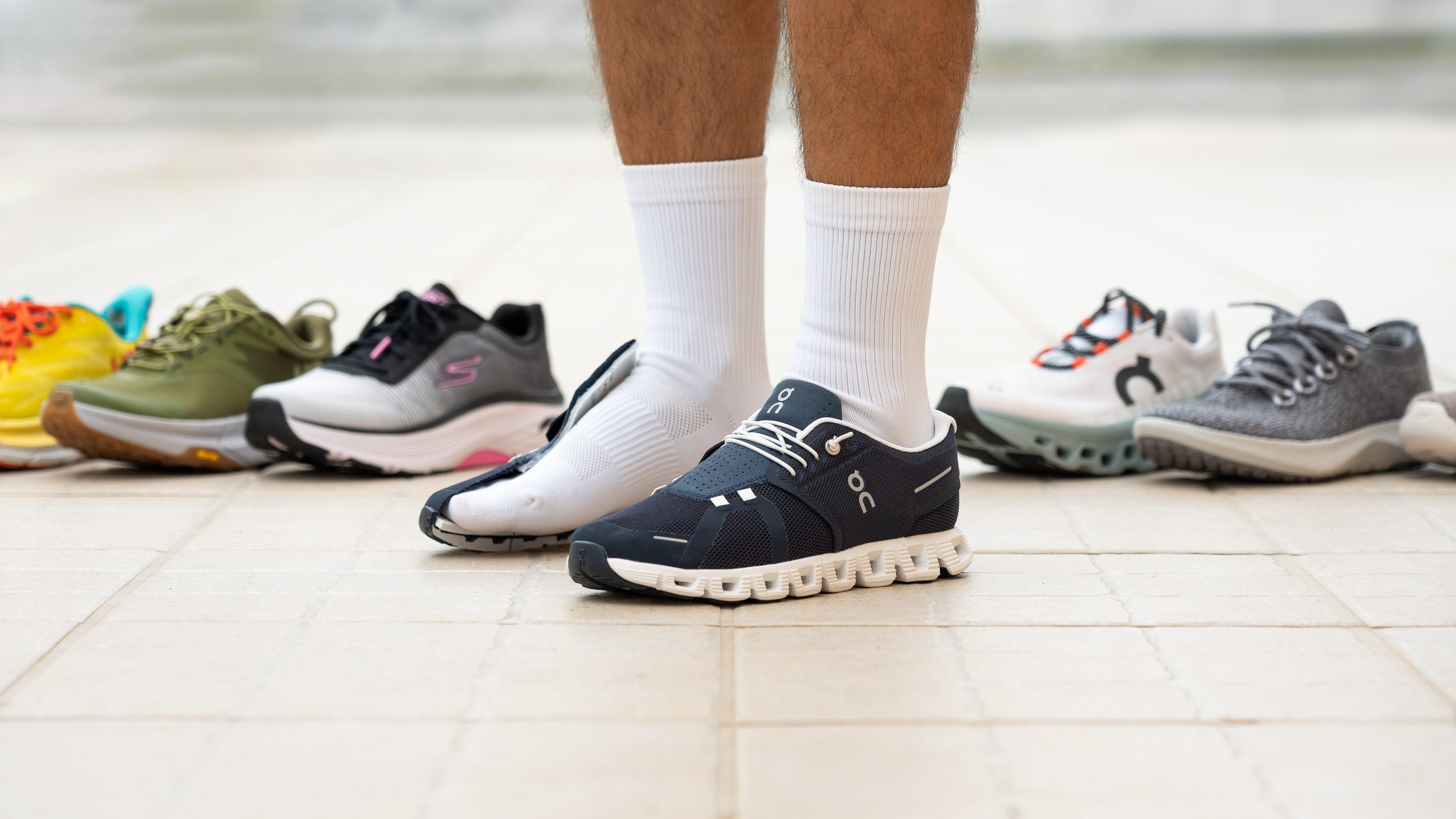
The landscape of footwear technology is in constant flux, driven by material science and biomechanical research. Today’s podiatrist recommended walking shoes are light-years ahead of their predecessors. Advanced foam compounds now offer a balance of soft cushioning and responsive rebound that was unimaginable a decade ago. For example, Adidas’s Boost technology, featuring TPU pellets, provides exceptional energy return, while Nike’s React foam is lauded for its durable softness. Sustainability is also becoming a key focus, with brands using recycled materials in uppers and midsoles without compromising performance. Another significant trend is the move towards “wide platform” or “maximalist” designs, popularized by HOKA, which provide immense stability and cushioning with a lower heel-to-toe drop, encouraging a more natural foot strike. Conversely, the “zero-drop” movement, championed by Altra, positions the heel and forefoot at the same height, aiming to promote a more natural gait and strengthen foot muscles. These innovations are not mere marketing; they are the result of extensive research and collaboration between footwear engineers and medical professionals. They represent a future where shoes are increasingly viewed as personalized health devices, actively contributing to musculoskeletal wellness rather than simply covering the feet.
Your journey toward all-day comfort begins with a single, informed step. The difference between enduring your day and thriving through it often rests literally on what you put on your feet. By prioritizing the principles of podiatric science—understanding your unique biomechanics, demanding specific supportive features, and selecting footwear designed with clinical insight—you transform walking from a potential source of strain into a foundation for vitality. The market is filled with options, but true podiatrist recommended walking shoes stand apart through their deliberate engineering and proven benefits. We have equipped you with the knowledge to identify them. Now, it’s time to apply that knowledge, seek out the fit that feels like a natural extension of your body, and experience the profound relief and freedom that comes from truly supported steps. Your feet carry you through life; it’s time to return the favor with the care and quality they deserve.

