

Discover the Best Podiatrist Recommended Walking Shoes for All-Day Comfort
Your feet are your foundation, and the shoes you choose can either support a lifetime of movement or lead to a cascade of discomfort and injury. For anyone who spends significant time on their feet—whether navigating city streets, exploring nature trails, or managing the demands of a busy workday—the quest for the perfect walking shoe is paramount. This isn’t about fleeting fashion trends; it’s about investing in long-term foot health and overall well-being. The most reliable guidance in this pursuit comes not from marketing campaigns, but from the professionals who dedicate their careers to understanding the intricate biomechanics of the human foot: podiatrists. By focusing on podiatrist recommended walking shoes, you align your choices with clinical expertise designed to prevent common ailments like plantar fasciitis, bunions, and metatarsalgia, while ensuring all-day comfort that feels tailored to your stride.

The Science of Support: Why Podiatrist Endorsement Matters
To understand the value of a podiatrist recommended walking shoe, one must first appreciate the complex engineering of the foot. According to resources like Wikipedia and academic literature from institutions like the Harvard Medical School, the human foot contains 26 bones, 33 joints, and over 100 muscles, tendons, and ligaments. This structure forms a dynamic, weight-bearing marvel that absorbs shock, adapts to terrain, and propels us forward. A podiatrist, or Doctor of Podiatric Medicine (DPM), is a specialist trained in diagnosing and treating conditions of the foot, ankle, and related structures of the leg. Their recommendations are rooted in biomechanics—the study of mechanical laws relating to the movement of living organisms. When a podiatrist suggests a shoe, they are evaluating its ability to maintain proper alignment from heel strike to toe-off. Key features they scrutinize include arch support that matches the foot’s contour (whether neutral, high-arched, or flat), a heel counter that is rigid enough to stabilize the rearfoot, adequate cushioning to dissipate ground reaction forces, and a flexible forefoot that allows for natural toe movement. Ignoring these elements can lead to compensatory movements that strain not just the feet, but also the knees, hips, and lower back. Therefore, selecting a shoe vetted by this expertise is a proactive step in preventive care, transforming an everyday item into a tool for holistic health.
Decoding the Features: What to Look For in Your Next Pair
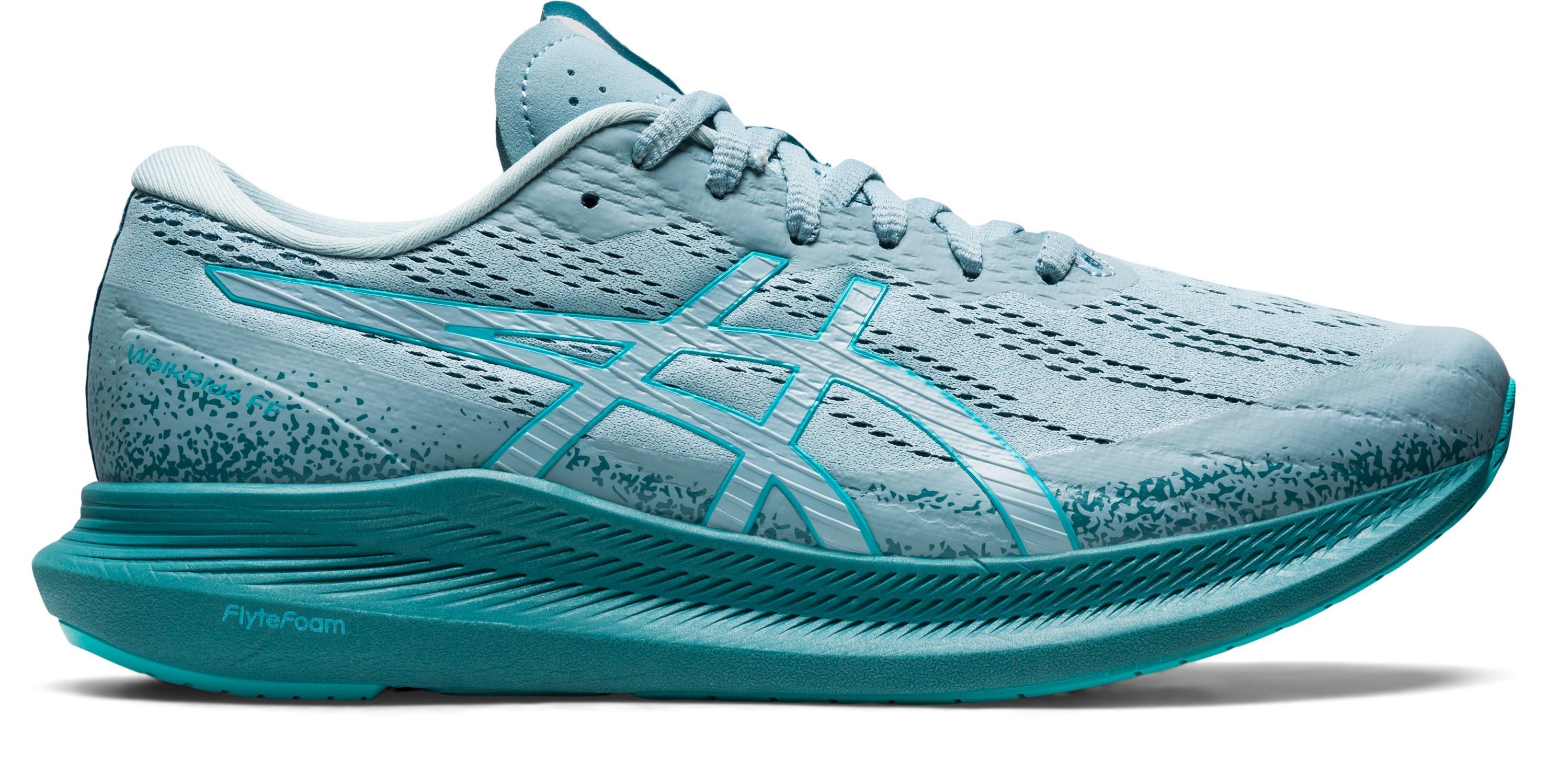
Navigating the sea of athletic and casual footwear can be overwhelming. Let’s break down the non-negotiable features that define the best podiatrist recommended walking shoes, turning subjective preference into an objective checklist. First, consider the midsole. This is the heart of a shoe’s cushioning and stability. Materials like EVA (ethylene-vinyl acetate) foam or advanced compounds like Brooks’ DNA LOFT or ASICS’ GEL technology are often highlighted for their dual ability to provide soft landings and responsive rebound. Dr. Jacqueline Sutera, a renowned New York City podiatrist, frequently emphasizes the importance of a “rocker sole” in interviews and on platforms like YouTube. This design, with a slightly curved profile, helps roll the foot forward, reducing strain on the Achilles tendon and plantar fascia. Second, examine the toe box. It should be wide and deep enough to allow your toes to splay naturally without rubbing against the sides or top of the shoe. This simple feature is a frontline defense against blisters, corns, and the development of bunions. Third, assess the heel-to-toe drop. This measurement, often between 0-12 millimeters, affects how your body weight is distributed. A lower drop may encourage a more midfoot strike, while a higher drop can relieve tension on the calf and Achilles. There is no universal “best” drop; it depends on your gait and anatomy, which is why consulting a podiatrist’s general guidelines is so valuable. Finally, do not overlook breathability and weight. A mesh upper promotes air circulation, keeping feet cool and dry, while a lightweight construction reduces fatigue over long distances. Each of these elements works in concert to create a harmonious environment for your feet.
Beyond the Hype: Evidence-Based Recommendations from Trusted Voices
In an era of influencer marketing, it’s crucial to distinguish between paid promotion and professional endorsement. The credibility of a podiatrist recommended walking shoe is often backed by clinical observation and patient outcomes. For instance, the Vionic brand is frequently cited by podiatrists for its built-in orthotic support, designed in collaboration with foot care professionals. On platforms like Quora and in Q&A sections of health websites, podiatrists consistently name brands like Brooks, New Balance, ASICS, and HOKA as frequent contenders for their patients’ needs due to their consistent focus on biomechanical research. Literature from authoritative sources, such as the American Podiatric Medical Association (APMA), often provides seals of acceptance to products that meet specific standards for promoting foot health. Furthermore, insights from well-known figures in sports medicine lend weight to these choices. Celebrity trainer Harley Pasternak, who works with Hollywood stars, has publicly discussed the importance of proper footwear for overall fitness, often aligning with podiatric principles. Even in popular culture, the message is clear: in the book “Born to Run” by Christopher McDougall, while controversial in its barefoot arguments, it undeniably sparked a global conversation about foot health and shoe design, pushing major brands to re-evaluate and innovate their offerings. These converging viewpoints from clinical, academic, and public spheres create a compelling, evidence-based argument for prioritizing podiatrist-vetted footwear.
“The right shoe is not a luxury; it’s a necessity for musculoskeletal health. We see patients every day whose knee or back pain originates from an unsupportive foundation. A shoe with proper arch support and cushioning is a simple, yet profoundly effective, intervention.” — Dr. Megan Leahy, DPM, as cited in a feature for The Huffington Post.
Matching Shoe to Stride: A Guide for Different Needs
Not all walks are created equal, and neither are all feet. The concept of a universal “best” shoe is a myth. A truly effective podiatrist recommended walking shoe must be matched to your individual foot type and activity pattern. For the individual with flat feet (overpronation), the primary need is motion control and stability. Shoes with a firmer midsole and structured medial (inner) post are essential to prevent the ankle from rolling inward excessively. Brands like Brooks with their Adrenaline GTS line or New Balance’s 1540 series are often in this category. Conversely, those with high arches (underpronation or supination) require maximum cushioning and flexibility to aid in shock absorption, as their feet are less effective at distributing impact. HOKA’s Bondi or Clifton models, known for their plush midsoles, are frequently recommended here. For the neutral walker with a balanced gait, a shoe with moderate cushioning and support, such as the ASICS GT-2000, offers a versatile solution. Beyond arch type, consider your walking environment. Are you primarily on paved surfaces? Cushioning is king. Venturing onto uneven trails? Look for shoes with a grippier outsole and perhaps a rock plate for protection. Also, factor in any specific conditions. If you manage plantar fasciitis, a shoe with excellent arch support and a firm heel counter is non-negotiable. For bunions, a stretchable or wide toe box is critical to avoid pressure. This personalized approach ensures the shoe works for you, not against you.
:max_bytes(150000):strip_icc()/tal-10-podiatrist-approved-open-toed-shoes-tout-00bd6ff1c36a49cdbbff486b0b54fb27.jpg)
Investing in Comfort, Investing in Yourself
The journey to finding the perfect walking shoe culminates in a simple yet profound realization: this is an investment in your mobility and quality of life. While the initial cost of a high-quality pair of podiatrist recommended walking shoes may be higher than discount alternatives, the long-term value is incomparable. Consider the cost of treating a single foot injury—doctor visits, physical therapy, orthotics, and lost productivity. A premium shoe acts as preventive medicine. Fortunately, accessing this expertise doesn’t always require a premium price tag. Many reputable brands offer previous-season models at significant discounts on their official websites or through authorized retailers. Websites like Zappos often have sales sections featuring top-tier brands. Signing up for newsletters from companies like Brooks or New Balance can alert you to exclusive promotions. Furthermore, some podiatry clinics have partnerships with local shoe stores, offering patients discounted packages that include professional gait analysis and fitted footwear. The goal is to bring this essential professional knowledge and accessible pricing directly to you, empowering you to make an informed choice that supports every step you take. Your feet carry you through life’s adventures and daily routines; they deserve the best possible foundation. By choosing shoes backed by podiatric science, you’re not just buying footwear—you’re championing your own enduring comfort and health.
:max_bytes(150000):strip_icc()/tal-roundup-podiatrist-loved-shoes-on-sale-tout-bdbf5721fa5642efa38b61f6a5b4ff34.jpg)
