

Discover the Best Podiatrist Recommended Walking Shoes for All-Day Comfort
Your feet are the foundation of your movement, and the shoes you choose can either be a source of relentless support or a catalyst for chronic discomfort. For anyone who spends a significant portion of their day on their feet—whether navigating city streets, managing a busy household, or exploring nature trails—the quest for the perfect walking shoe is paramount. This isn’t merely about fashion or fleeting trends; it’s a physiological necessity. The wrong footwear can lead to a cascade of issues, from plantar fasciitis and bunions to knee and back pain. This guide cuts through the marketing noise to focus on a singular, authoritative standard: podiatrist recommended walking shoes. We will delve into the scientific principles behind foot health, unpack the specific features that earn a shoe this professional endorsement, and provide you with a curated selection of models that blend cutting-edge biomechanics with real-world comfort. Our goal is to equip you with the knowledge to make an informed investment in your mobility and well-being, bringing professional podiatric insights directly to you, often at surprisingly accessible price points.
:max_bytes(150000):strip_icc()/tal-roundup-podiatrist-loved-shoes-on-sale-tout-bdbf5721fa5642efa38b61f6a5b4ff34.jpg)
The Science of Stride: Why Podiatric Endorsement Matters
To understand the value of a podiatrist recommended walking shoe, one must first appreciate the complex biomechanics of the human foot. Each step is a symphony of bones, muscles, ligaments, and tendons working in concert. According to literature from authoritative institutions like the American Podiatric Medical Association (APMA), the foot undergoes a precise cycle of motion: heel strike, midstance, and toe-off. A shoe that disrupts this natural gait pattern can cause compensatory movements, leading to strain far beyond the feet. Podiatrists, as doctors specializing in the foot, ankle, and related structures of the leg, evaluate footwear based on its ability to support this cycle and maintain anatomical alignment. They look for features that mitigate common pathologies. For instance, excessive pronation (inward rolling of the foot) is a frequent concern addressed by motion control or stability features. Conversely, insufficient pronation (supination) requires ample cushioning to absorb shock. The APMA grants its Seal of Acceptance to products that promote good foot health, a coveted mark for any podiatrist recommended walking shoe. This scientific grounding transforms a shoe from a simple covering into a therapeutic device, engineered to prevent injury and promote efficient, pain-free movement throughout your day.
Arch Support: The Non-Negotiable Foundation
Perhaps no feature is more critical in a walking shoe than proper arch support. The arch of your foot acts as a natural shock absorber, distributing the force of your body weight as you move. When this arch is unsupported—either because it’s too high, too low, or has collapsed (a condition known as flat feet)—the entire kinetic chain suffers. The plantar fascia, a thick band of tissue running along the bottom of the foot, becomes overstretched and inflamed, leading to the sharp, stabbing heel pain of plantar fasciitis. A true podiatrist recommended walking shoe will have a well-contoured, firm yet compliant arch support that matches your specific foot type. This isn’t about a generic, one-size-fits-all bump in the insole. Brands like ASICS and Brooks invest heavily in biomechanical research to create lasts (the foot-shaped form around which a shoe is built) that cater to different arch profiles. As noted by Dr. Jacqueline Sutera, a prominent New York City podiatrist, in various media interviews, “Shoes should bend at the toe, not in the middle. A shoe that twists easily in your hands often lacks the necessary arch and midfoot support.” This professional insight underscores that robust arch support is the cornerstone of stability, preventing the foot from collapsing inward and protecting the joints upstream—ankles, knees, and hips.
Cushioning vs. Stability: Striking the Perfect Balance
The debate between plush cushioning and firm stability is central to selecting the right walking shoe. The ideal choice is not one over the other, but the correct balance for your individual gait. Cushioning, often provided by advanced foams like Adidas’s Boost, Nike’s React, or ASICS’s FlyteFoam, is designed to attenuate ground reaction forces—the impact that travels up your leg with each step. This is crucial for walkers on hard surfaces like concrete. However, as biomechanics literature from universities like the University of Calgary’s Human Performance Lab suggests, excessive, overly soft cushioning can sometimes destabilize the foot, requiring more muscular effort to maintain balance. This is where stability elements come in. Features like medial posts (denser foam on the inner side of the midsole), heel counters (the firm cup surrounding the heel), and wider bases work to control the foot’s motion, guiding it into a more neutral path. A podiatrist recommended walking shoe expertly marries these concepts. For example, the Brooks Addiction Walker series uses a extended progressive diagonal rollbar to guide the foot, while still employing generous cushioning. The goal is to create a stable platform that doesn’t feel rigid, and a cushioned ride that doesn’t feel mushy—a harmonious blend that protects joints without sacrificing a natural feel.
Deconstructing the Ideal Walking Shoe: A Feature-by-Feature Guide
Moving from principle to practice, let’s examine the tangible components that define a top-tier walking shoe. This is your checklist when evaluating any pair, especially those bearing the podiatrist recommended walking shoe designation.
1. The Heel Counter: Your Rearfoot Anchor
A firm, well-molded heel counter is non-negotiable. This is the rigid structure that cups your heel, preventing it from sliding side-to-side or rolling inward (pronation) or outward (supination). A stable heel ensures that the initial heel strike—the moment of highest impact—is properly aligned. A weak or flimsy heel counter allows for excessive movement, which can strain the Achilles tendon and contribute to conditions like posterior tibial tendon dysfunction. When trying on shoes, perform this simple test: press on the back of the heel. It should resist deformation. A secure heel lock sets the stage for a stable stride from the ground up.
2. The Toe Box: Room for Natural Splay
The front of the shoe, known as the toe box, must provide adequate width and depth. During the toe-off phase of gait, your toes naturally flex and splay to propel you forward. A cramped, narrow, or shallow toe box constricts this motion, leading to a host of problems including bunions, hammertoes, and neuromas. Podiatrists consistently advocate for a “thumb’s width” of space between your longest toe and the end of the shoe. Furthermore, the shape should follow the natural contour of the foot, allowing the toes to lie flat. Brands like Altra have built their philosophy around “FootShape” toe boxes, which are anatomically designed. This focus on natural geometry is a hallmark of thoughtful, podiatrist recommended walking shoe design, prioritizing long-term foot health over a sleek, tapered silhouette.
:max_bytes(150000):strip_icc()/I-Asked-Podiatrists-for-Their-Fall-Shoe-Recommendations-These-Are-Their-Top-8-Picks-8fbdf9d65f3a4228ae63f6e5253dc08c.jpg)
3. Midsole Geometry and Rocker Soles
Beyond the material, the shape of the midsole plays a pivotal role. Many modern podiatrist recommended walking shoes incorporate a rocker sole design. This engineered curvature, often subtle, facilitates a smoother gait cycle by promoting an easier roll from heel to toe. It reduces the work required by the calf muscles and Achilles tendon and can significantly decrease pressure on the forefoot and metatarsals. This technology is frequently recommended for individuals with arthritis, plantar fasciitis, or diabetes, as it minimizes shear forces and peak pressures. HOKA ONE ONE is renowned for its meta-rocker geometry, which is a key reason many podiatrists suggest their models for all-day comfort. This design innovation demonstrates how shoe engineering can actively assist and enhance natural movement rather than just passively protecting the foot.
4. Breathable, Seamless Uppers
The materials enclosing your foot must balance structure with breathability. Modern engineered mesh uppers provide targeted support where needed while allowing heat and moisture to escape, maintaining a cool, dry environment that discourages blisters and fungal infections. Equally important is the minimization of internal seams. Rough or prominent stitching can create friction points, leading to painful hot spots and blisters over extended wear. A high-quality walking shoe will have a smooth, contoured interior lining. As highlighted in reviews from authoritative sources like the American Academy of Podiatric Sports Medicine, attention to these details is what separates adequate footwear from exceptional, health-conscious footwear.

Curated Comfort: Top Podiatrist-Recommended Models for Every Walker
Armed with this knowledge, you can now navigate the market with confidence. Here are several models consistently praised by podiatrists and biomechanics experts, known for delivering exceptional all-day comfort. Remember, the best shoe is the one that fits your foot perfectly, so professional fitting is always advised.
For the Walker Needing Maximum Stability and Support: The Brooks Addiction Walker 2 is a classic for a reason. It features the brand’s patented Extended Progressive Diagonal Rollbar, a robust stability system that gently corrects overpronation. The full-grain leather upper offers durable structure, while the cushioned midsole provides reliable shock absorption. It’s a workhorse shoe often recommended for those with flat feet or significant pronation.
For the Walker Seeking Plush, Protective Cushioning: The HOKA ONE ONE Bondi 8 represents the pinnacle of soft, protective cushioning. Its oversized midsole of compression-molded EVA foam delivers a cloud-like feel that is ideal for hard surfaces. The meta-rocker geometry encourages a smooth gait, and the wide platform enhances stability despite the high cushioning. It’s a frequent recommendation for those with joint pain or who simply prioritize a supremely soft ride.
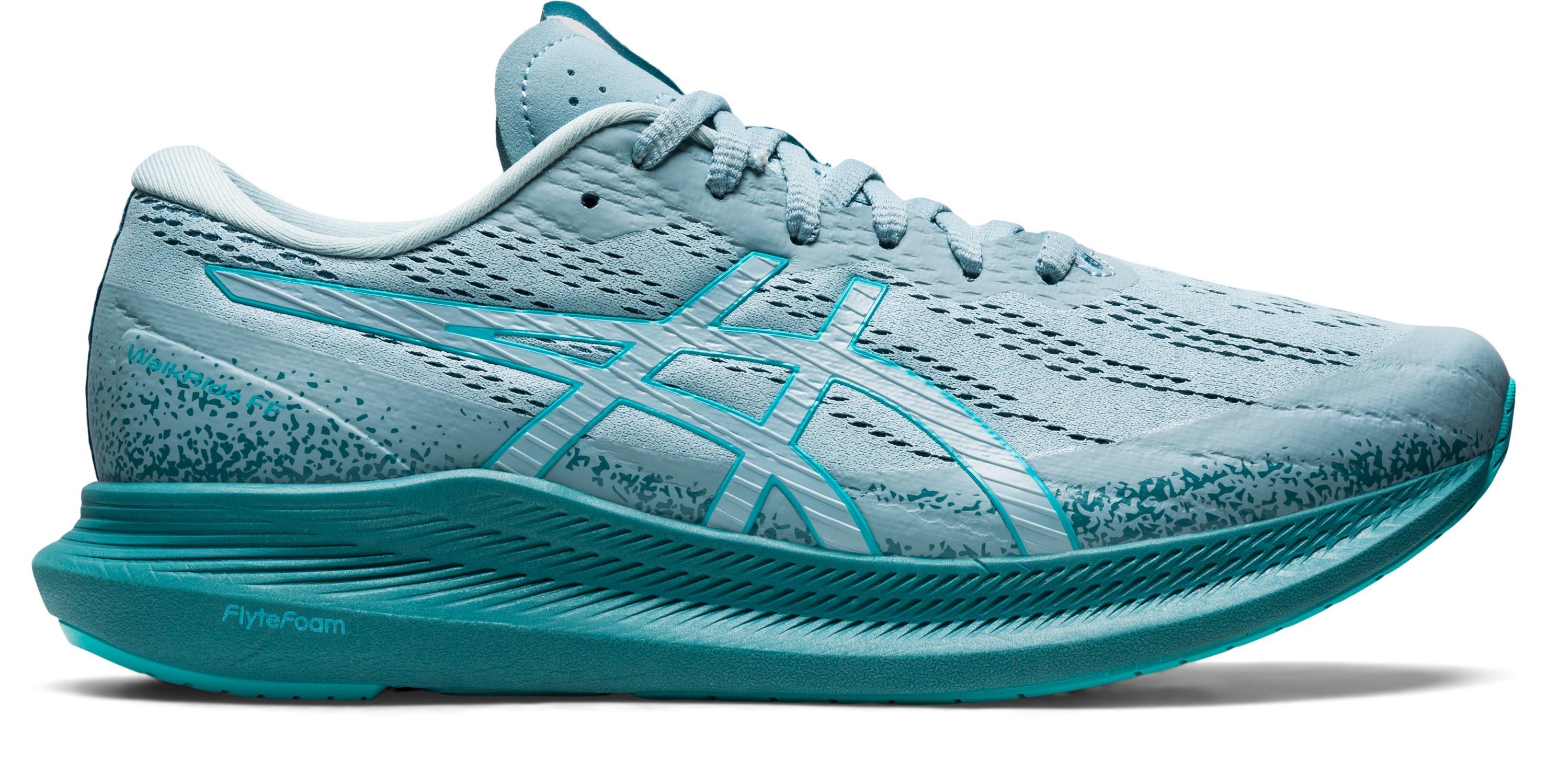
For the Walker Desiring a Natural, Flexible Feel: The ASICS Gel-Kayano 30 (or its walking-specific cousins like the Gel-WalkRide) showcases ASICS’s expertise in blending technologies. The PureGEL cushioning system in the heel is exceptionally soft yet responsive, while the FF BLAST PLUS ECO foam provides lightweight bounce. The Guidance Trusstic system and external heel counter work together to offer subtle stability without rigidity, making it a versatile choice for neutral to mild overpronators who want a responsive, energetic feel.
For the Walker with a Wider Foot or Need for Extra Depth: Brands like New Balance and Altra excel here. The New Balance 928v3, for instance, is built on a last specifically designed for stability and comes in multiple widths. Its ROLLBAR stability post technology is podiatrist-approved for motion control. Altra’s Paradigm or Provision models offer their signature FootShape toe box and balanced cushioning, promoting a natural foot position from heel strike to toe-off.
Investing in a pair of genuine podiatrist recommended walking shoes is an investment in your long-term mobility and quality of life. It is a decision that prioritizes the intricate science of your body over transient style. By focusing on the pillars of arch support, balanced cushioning and stability, a secure heel, an anatomical toe box, and intelligent midsole design, you empower yourself to walk farther, stand longer, and explore more—all in unwavering comfort. Your journey begins not with a step, but with the informed choice of what supports that step.
