

Discover the Best Podiatrist Recommended Walking Shoes for All-Day Comfort
Your feet are your foundation. For anyone who spends a significant portion of their day on their feet, whether walking for fitness, commuting, or working, the choice of footwear transcends mere fashion. It becomes a critical decision impacting comfort, joint health, and overall well-being. The market is flooded with options, each claiming superiority, but the most reliable guidance often comes from those who specialize in foot health: podiatrists. This article delves into the science and specifications behind truly supportive footwear, moving beyond marketing claims to identify what makes a walking shoe worthy of a podiatrist’s endorsement. We will explore the anatomical needs of the foot during ambulation, decode technical features, and provide clear, actionable criteria for selecting shoes that offer genuine, lasting comfort. The goal is to empower you with knowledge, so your next pair of podiatrist recommended walking shoes is an investment in pain-free mobility.
The Foot’s Blueprint: Why Anatomy Demands Specific Support
To understand what makes a walking shoe exceptional, one must first appreciate the mechanical marvel that is the human foot. Comprising 26 bones, 33 joints, and over a hundred muscles, tendons, and ligaments, the foot is a complex structure designed for both stability and propulsion. During the walking gait cycle—which includes heel strike, midstance, and toe-off—the foot pronates (rolls inward) and supinates (rolls outward) to absorb shock and adapt to surfaces. However, excessive or insufficient motion in these phases can lead to a cascade of issues, from plantar fasciitis and shin splints to knee, hip, and even lower back pain. A study from the University of Rochester Medical Center’s Department of Orthopedics emphasizes that improper footwear is a primary modifiable factor in the development of overuse injuries. This is where the principle of podiatrist recommended walking shoes becomes paramount. Podiatrists, like Dr. Jacqueline Sutera, a New York-based doctor of podiatric medicine, frequently note that a good walking shoe must provide three key functions: cushioning to attenuate ground reaction forces, stability to control excessive pronation, and a flexible yet supportive structure that allows for natural foot movement. Shoes lacking in these areas force the foot’s intrinsic muscles and connective tissues to overcompensate, leading to fatigue and strain. Therefore, the foundation of all-day comfort is not softness alone, but intelligent support that aligns with and augments the foot’s natural biomechanics.
Decoding the Features: From Heel Counter to Toe Box
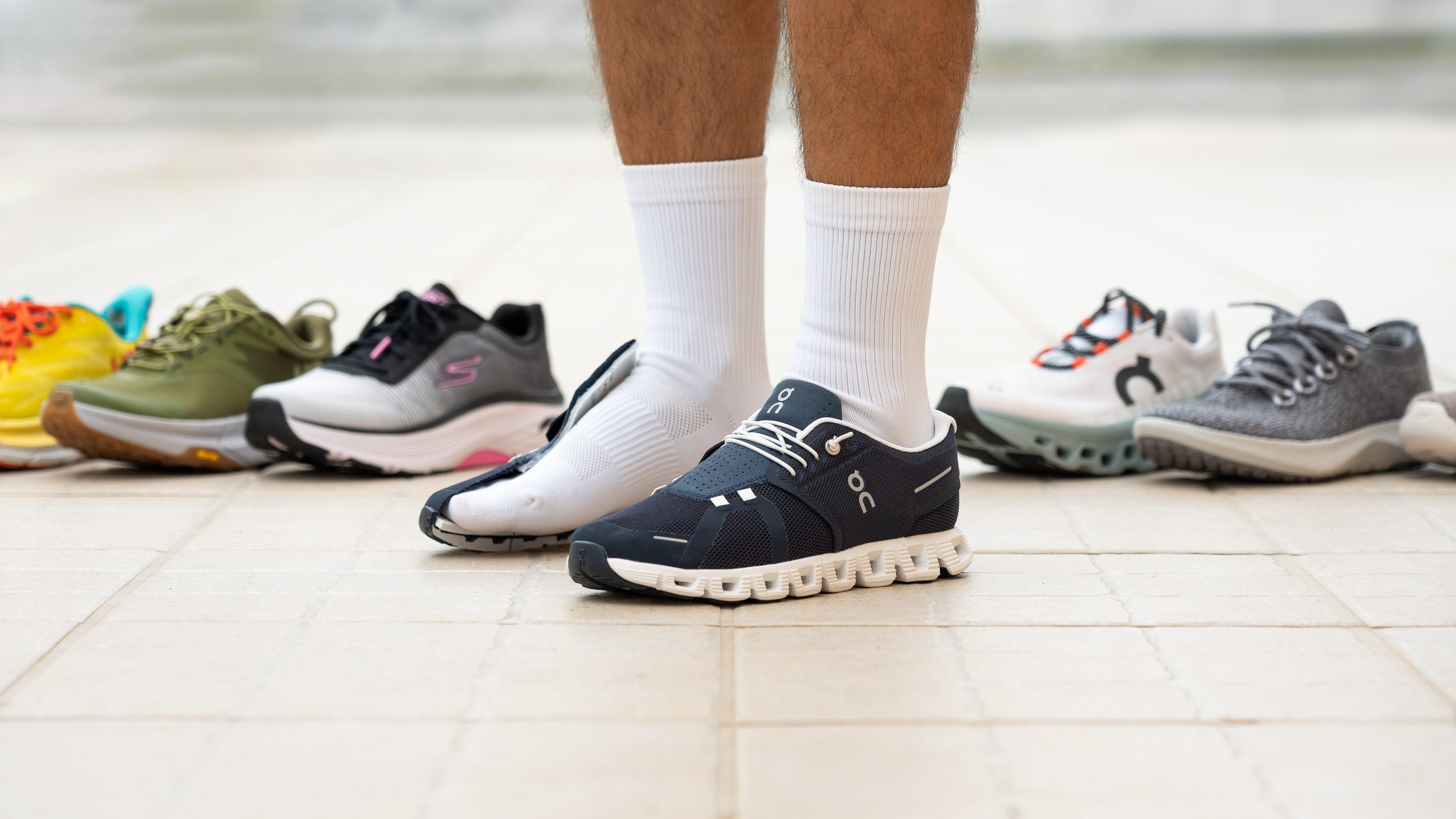
When evaluating a potential pair of podiatrist recommended walking shoes, specific design elements are non-negotiable. Let’s dissect these critical components. First, the heel counter: this is the firm cup at the back of the shoe that cradles the heel bone (calcaneus). A rigid, well-structured heel counter is essential for stabilizing the rearfoot, preventing excessive side-to-side motion that can strain the Achilles tendon and plantar fascia. Next, consider the midsole. This is the heart of the shoe’s cushioning and stability technology. Materials like ethylene-vinyl acetate (EVA), polyurethane (PU), and proprietary compounds like Brooks’ DNA LOFT or ASICS’ GEL offer varying degrees of resilience and durability. The midsole often incorporates a medial post—a denser section of material on the inner side—to provide additional support for those who overpronate. The rocker sole is another feature frequently highlighted by foot specialists. As explained on platforms like Quora by biomechanics experts, a rocker sole facilitates a smoother roll-through from heel to toe, reducing strain on the metatarsals and calf muscles, which is particularly beneficial for long-distance walkers. Finally, the toe box must be adequately wide and deep to allow the toes to splay naturally upon weight-bearing. A cramped toe box can lead to neuromas, bunions, and hammertoes. As the American Podiatric Medical Association (APMA) states, shoes bearing their Seal of Acceptance have been evaluated by a committee of podiatrists and found to promote good foot health. Looking for this seal or features validated by such institutions is a prudent strategy.
The Material World: Breathability, Durability, and Sustainability
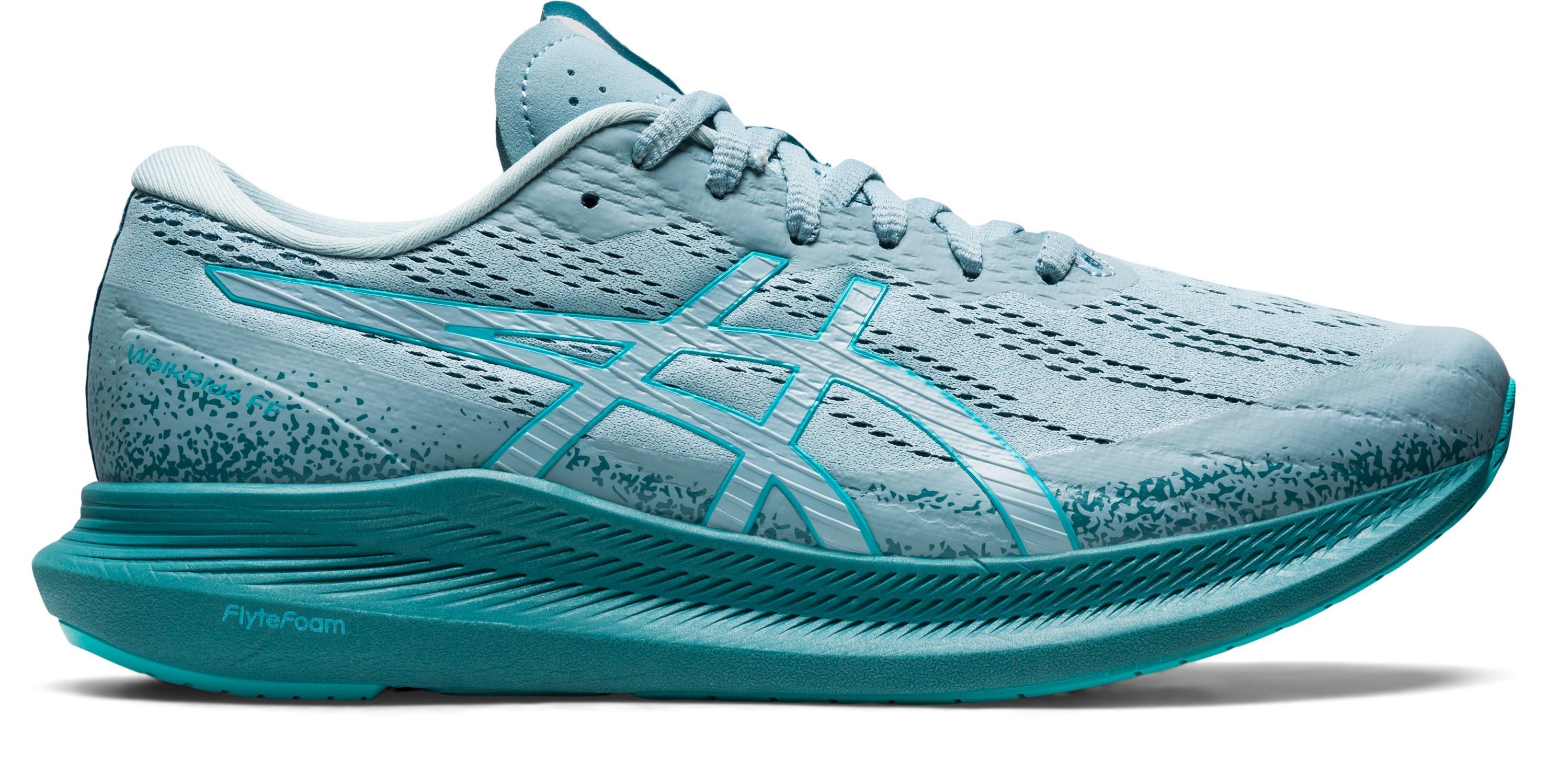
Beyond structure, the materials composing the upper of a walking shoe play a vital role in all-day comfort. Breathability is crucial; a foot encased in non-porous material will generate heat and moisture, creating an environment ripe for blisters and fungal infections. Modern mesh fabrics, often engineered with zones of varying density for targeted support and ventilation, are the standard for high-quality walking shoes. Durability is another key consideration. While a soft, flexible upper might feel comfortable initially, it may lack the structural integrity to maintain its shape and support over hundreds of miles. Reinforcements in high-wear areas, such as the eyestay and toe bumper, are signs of a well-constructed shoe. Furthermore, the conversation around footwear is increasingly including sustainability. Brands are now utilizing recycled polyester, bio-based foams, and water-based adhesives. From a practical standpoint, a durable and well-made shoe is inherently more sustainable, as it won’t need to be replaced as frequently. When searching for podiatrist recommended walking shoes, consider the lifecycle of the product. A statement from Allbirds, a company known for its eco-conscious approach, aligns with this: “We believe in making better things in a better way, without compromising on performance or comfort.” This holistic view—where material science meets ethical manufacturing and long-term wearability—defines the next generation of premium walking footwear. It’s not just about how the shoe feels today, but how it performs and holds up over the next six months of consistent use.
Beyond the Shoe: The Synergy of Socks, Insoles, and Gait
Even the perfect walking shoe does not operate in a vacuum. Its performance is synergistically enhanced or undermined by accompanying gear and individual physiology. High-quality socks are the first point of contact; moisture-wicking fabrics like merino wool or synthetic blends prevent friction, while seamless toe closures eliminate potential irritation points. For some, the stock insole that comes with a shoe may be insufficient. This is where custom or over-the-counter orthotic inserts come into play. Podiatrists often prescribe or recommend specific insoles to address biomechanical irregularities, providing arch support, heel cushioning, or metatarsal padding that is tailored to an individual’s needs. Inserting a quality orthotic into a supportive shoe can be transformative. Furthermore, your unique gait pattern is the final variable. While this article provides general guidelines, a professional gait analysis, often available at specialty running or walking stores, can provide personalized insights. It can reveal subtle imbalances that specific shoe types can help correct. As noted by Harvard Medical School publications on healthy walking, paying attention to your body’s feedback is essential. Discomfort is a signal, not something to be ignored until it becomes pain. Therefore, the quest for all-day comfort is a system: a well-chosen podiatrist recommended walking shoes acts as the cornerstone, but it is optimized by the right socks, potential orthotic support, and an understanding of your own movement patterns.

Investing in Your Foundation: Value Over Price
It is a common misconception that the most comfortable or supportive shoes must carry an exorbitant price tag. While research, development, and high-quality materials do command a cost, value is measured in cost-per-wear and, more importantly, in the prevention of medical expenses related to foot problems. A $150 pair of shoes that lasts for 500 miles of comfortable walking and prevents a single visit to a podiatrist or physical therapist offers immense value. The key is informed purchasing. Look for previous season’s models, which often see significant discounts as new colorways are released, yet retain the same core technologies. Sign up for newsletters from reputable brands and retailers to receive alerts on sales. Outlet stores and certified online retailers can also offer genuine products at reduced prices. Remember, the objective is not to find the cheapest shoe, but to find the right shoe at the best possible price. As the adage goes, “Take care of your feet, and they will take care of you.” Investing in a properly fitted, biomechanically sound pair of podiatrist recommended walking shoes is an investment in your long-term mobility and quality of life. It is a proactive step towards ensuring that every step you take is supported, comfortable, and sustainable.
:max_bytes(150000):strip_icc()/favorite-walking-shoes-round-up-november-2024-458c3fc0c6844adca7c0a34ebc5cfb9b.jpg)
Choosing the right walking shoe is a deliberate act of self-care. It requires moving past aesthetic appeal and superficial comfort to engage with the engineering and podiatric science that defines truly supportive footwear. By prioritizing a secure heel counter, a supportive yet responsive midsole, a roomy toe box, and breathable materials, you align your choice with the principles endorsed by foot health professionals. Remember to consider the entire system—socks, potential insoles, and your unique gait—to maximize comfort. Ultimately, the best walking shoe is the one that disappears on your foot, allowing you to move through your day with confidence and without distraction. Let this knowledge guide you to a pair that doesn’t just carry you, but cares for you with every step.
