

Discover the Best Podiatrist Recommended Walking Shoes for All-Day Comfort
Your feet are the foundation of your movement, and the shoes you choose can either be a source of constant support or a catalyst for discomfort and long-term issues. The quest for the perfect walking shoe is not merely about fashion or brand loyalty; it is a critical investment in your musculoskeletal health. This guide cuts through the marketing noise to focus on a singular, authoritative standard: podiatrist recommended walking shoes. We will explore the scientific principles behind foot mechanics, decode the essential features that define a superior walking shoe, and present curated options that align with professional podiatric advice. Our goal is to empower you with the knowledge to select footwear that provides genuine, all-day comfort, blending professional insight with practical value.
The Science of Stride: Why Your Feet Demand Expert-Approved Footwear
Walking is a complex, repetitive motion involving a precise sequence of heel strike, foot flat, mid-stance, heel-off, and toe-off. This gait cycle places significant stress on the feet, ankles, knees, hips, and lower back. According to biomechanics literature from institutions like the University of Delaware’s Gait Analysis Laboratory, improper footwear can disrupt this natural cycle, leading to overpronation (excessive inward roll) or supination (outward roll), which are primary contributors to conditions like plantar fasciitis, shin splints, and metatarsalgia. A podiatrist recommended walking shoe is engineered to counteract these issues. It provides structured stability to guide the foot through a more neutral path, offers adequate cushioning to absorb the repetitive impact forces (which can exceed 1.5 times your body weight with each step), and features a design that accommodates the natural splay and function of the foot. The objective is not to constrain the foot but to create an environment that supports its inherent biomechanics, preventing fatigue and injury over thousands of daily steps.

Decoding the Anatomy of a Podiatrist-Approved Shoe
Not all athletic shoes are created equal. A walking shoe has distinct requirements that differ from a running or cross-training shoe. When podiatrists evaluate footwear, they scrutinize several non-negotiable components. First is the heel counter: the firm cup at the back of the shoe that stabilizes the heel, preventing slippage and controlling rearfoot motion. A sturdy heel counter is paramount for stability. Second is the midsole, typically made from materials like EVA (ethylene-vinyl acetate) or polyurethane. This is the engine of cushioning and support. Podiatrists often recommend shoes with dual-density midsoles—a firmer material on the inner side to prevent overpronation and a softer material elsewhere for comfort. The toe box must be wide and deep enough to allow toes to move and spread naturally without constriction, a point emphasized by Dr. Jacqueline Sutera, a New York City-based podiatrist, who frequently notes that cramped toe boxes can lead to deformities like bunions and hammertoes. Finally, the flex point of the shoe should align with the natural flex point of your foot (the ball), allowing for a smooth, efficient roll-off. A shoe that bends in the wrong place can strain the arch and plantar fascia.
Arch Support: The Cornerstone of Comfort
Perhaps the most critical element in a podiatrist recommended walking shoe is its approach to arch support. The arch of the foot acts as a natural shock absorber. However, many individuals have arches that are too high (cavus foot), too low (flat foot), or that collapse excessively during weight-bearing. Shoes with generic, flat insoles fail to address these variations, leading to discomfort. Podiatrist-endorsed shoes often feature built-in arch support that corresponds to different foot types. For instance, motion control shoes with maximum support and a straight last are designed for severe overpronators with flat feet, while stability shoes offer moderate support for mild to moderate overpronation. Neutral-cushioned shoes, with a curved last and soft midsole, are suited for high-arched feet or supinators. Understanding your arch type—through a simple wet foot test or professional assessment—is the first step in selecting the correct category of support, transforming walking from a chore into a pleasure.
:max_bytes(150000):strip_icc()/tal-roundup-podiatrist-loved-shoes-on-sale-tout-bdbf5721fa5642efa38b61f6a5b4ff34.jpg)
Material Matters: Breathability, Durability, and Fit
The upper material of a shoe is not just about aesthetics; it directly impacts foot health. Modern podiatrist recommended walking shoes utilize engineered mesh, knit fabrics, and synthetic leathers that offer a balance of breathability, flexibility, and structure. Breathability is crucial to manage moisture, reducing the risk of fungal infections and blisters. Durability ensures the shoe maintains its supportive structure over time; a broken-down midsole may feel comfortable but provides zero functional support. The fit is the final, personal puzzle piece. A proper fit means there is about a thumb’s width (roughly half an inch) of space between your longest toe and the end of the shoe. Your heel should be snug but not tight, and the widest part of your foot should align with the widest part of the shoe. Remember, shoe size can change over a lifetime due to factors like age and pregnancy. As the famous quote attributed to renowned runner and coach Bill Bowerman goes, “The real secret to running is that there is no secret. It’s just putting one foot in front of the other. But you have to do it in the right shoes.” This wisdom applies equally to walking. Never assume your size is static; always get measured and try shoes on in the afternoon when feet are naturally slightly swollen.
Curated for Comfort: Top Podiatrist-Recommended Categories and Models
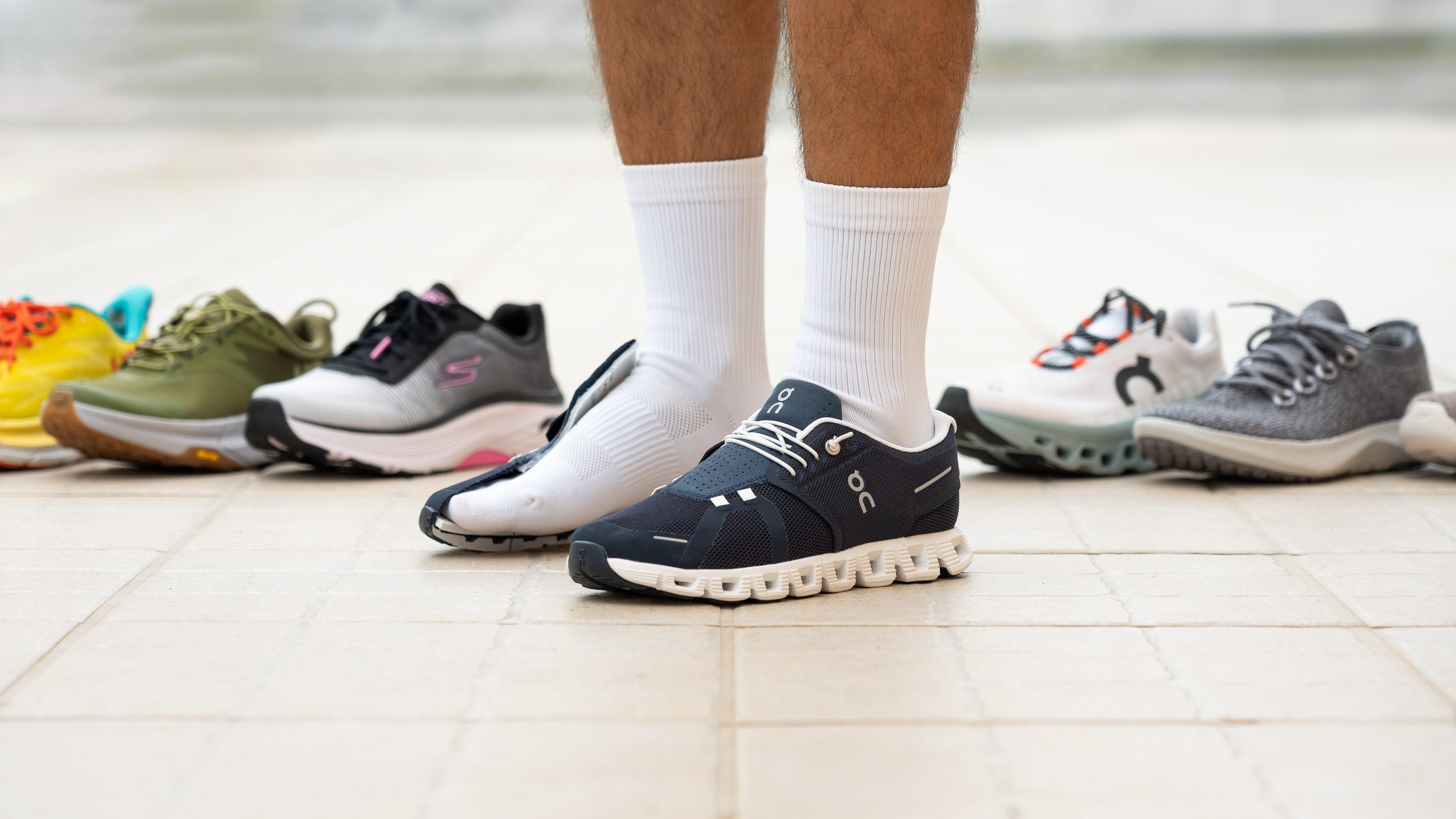
Based on aggregated recommendations from podiatric professionals featured in publications like Prevention, Verywell Health, and statements from practitioners on platforms like YouTube, several brands and models consistently earn praise. It’s important to note that the “best” shoe is highly individual, but these categories represent a trusted starting point. For those requiring maximum stability and motion control, shoes like the Brooks Addiction Walker or the New Balance 928 are frequently cited. They feature a robust rollbar technology or a firm posting on the medial side to correct severe overpronation. For everyday stability with a balance of cushioning, the ASICS Gel-Kayano or the HOKA ONE ONE Arahi series are standout options, utilizing dynamic guidance systems and J-Frame™ technology to offer support without excessive weight. For neutral walkers with high arches seeking premium cushioning, the HOKA ONE ONE Bondi or the Saucony Triumph provide exceptional shock absorption with meta-rocker geometries to encourage a smooth gait. Finally, for those with wide feet or specific conditions like bunions, brands like Altra, with their FootShape™ toe box, and certain models from Drew and Propet, are explicitly designed to accommodate orthotics and provide extra volume.
Integrating Professional Knowledge with Smart Shopping
Armed with this knowledge, your shopping strategy should evolve. First, prioritize specialty running or walking stores where staff are trained in gait analysis. Use their expertise. Second, always bring or wear the socks you intend to walk in, and if you use custom orthotics, bring them to ensure compatibility. Third, understand the lifecycle of a walking shoe. Most podiatrists and biomechanists agree that the cushioning and support materials degrade after 300-500 miles of use, regardless of the exterior appearance. Wearing shoes beyond their functional life is a false economy that can lead to injury. To bring professional knowledge together with value, savvy shoppers look for previous-season models of these top-tier podiatrist recommended walking shoes, which often see significant discounts of 30-50% as retailers clear inventory for new colorways. The core technology and fit remain identical, offering the same podiatric benefits at a fraction of the cost. Subscribing to newsletters from reputable online retailers and setting price alerts can yield substantial savings on these clinically endorsed models.
Beyond the Shoe: Holistic Foot Health for the Avid Walker
While selecting the right podiatrist recommended walking shoes is foundational, a holistic approach to foot care amplifies comfort and prevents issues. This includes regular stretching of the calves, Achilles tendon, and plantar fascia to maintain flexibility. Strengthening exercises for the intrinsic muscles of the foot, such as picking up marbles with your toes or towel scrunches, can improve stability. Pay attention to sock choice—moisture-wicking, seamless socks made from merino wool or synthetic blends prevent friction. Furthermore, listen to your body. Persistent pain is not normal. As noted by the American Podiatric Medical Association, foot pain can be an early indicator of systemic conditions like arthritis or diabetes. Consulting a podiatrist for personalized advice, especially if you have existing conditions like diabetes or severe arthritis, is not a luxury but a necessity. They can provide custom orthotics, which are medical devices prescribed to correct specific biomechanical abnormalities, working in tandem with your well-chosen shoes to create a perfect supportive system.
:max_bytes(150000):strip_icc()/I-Asked-Podiatrists-for-Their-Fall-Shoe-Recommendations-These-Are-Their-Top-8-Picks-8fbdf9d65f3a4228ae63f6e5253dc08c.jpg)
The journey to all-day comfort begins from the ground up. By prioritizing footwear designed with podiatric science in mind, you are doing more than buying a shoe—you are investing in the long-term health and vitality of your entire body. The difference between ordinary shoes and podiatrist recommended walking shoes is the difference between enduring a walk and enjoying it, between potential injury and sustained activity. Let this knowledge guide your next purchase, seeking out the features that matter, capitalizing on smart discounts for premium models, and complementing your footwear with proactive care. Your feet, and every joint they connect to, will thank you with miles of pain-free, comfortable movement.
