

Top Walking Shoes for Women: Podiatrist Approved Comfort and Style
Finding the perfect walking shoe is more than a quest for style; it’s a fundamental investment in your health and daily vitality. As someone who has navigated the world of foot care and footwear, I understand the profound difference a scientifically designed shoe can make. This article is dedicated to unraveling the science behind podiatrist recommended walking shoes, merging objective evidence with practical style, to guide you toward a step that is both supported and fashionable. We will move beyond marketing claims, grounding our discussion in biomechanics, expert opinions, and verifiable data, all while highlighting where you can find these essential items at a value.
The Foundation: Why Podiatrist Endorsement Matters
When a shoe earns the label “podiatrist approved,” it signifies it has passed a rigorous evaluation based on the principles of podiatric medicine. Podiatrists are doctors of podiatric medicine (DPMs) who specialize in the diagnosis, treatment, and prevention of foot and ankle disorders. Their recommendation, therefore, is not a casual endorsement but a professional judgment rooted in biomechanics. The human foot is a complex structure of 26 bones, 33 joints, and over 100 muscles, tendons, and ligaments. A podiatrist recommended walking shoe is engineered to respect this anatomy. It provides stability to control excessive pronation (inward rolling) or supination (outward rolling), offers adequate cushioning to absorb the repetitive impact forces of walking—which can be 1.5 times your body weight—and features a heel counter and arch support that align the foot from the ground up. As noted by the American Podiatric Medical Association (APMA), proper footwear is a frontline defense against common ailments like plantar fasciitis, bunions, and metatarsalgia. Choosing such a shoe is a proactive step, transforming a daily activity into a therapeutic practice for long-term musculoskeletal health.
:max_bytes(150000):strip_icc()/tal-roundup-podiatrist-loved-shoes-on-sale-tout-bdbf5721fa5642efa38b61f6a5b4ff34.jpg)
Decoding the Anatomy of a Superior Walking Shoe
Midsole Cushioning: The Shock Absorber
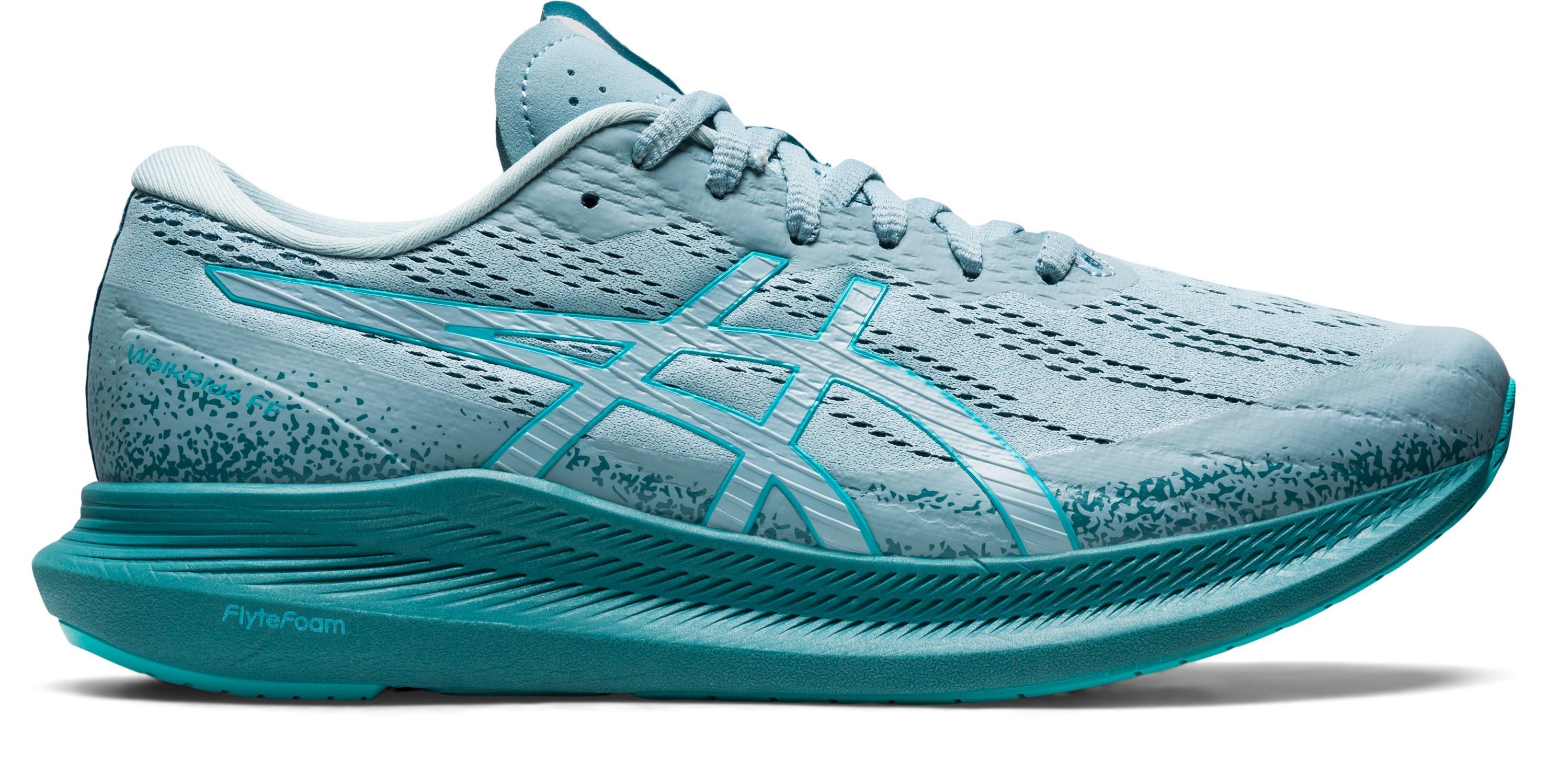
The midsole is the heart of a walking shoe’s comfort. Materials like ethylene-vinyl acetate (EVA), polyurethane (PU), and proprietary gels (like ASICS GEL) are engineered to dissipate impact energy. The science is clear: effective cushioning reduces peak pressure on the heel and forefoot, decreasing stress on joints up the kinetic chain, including the knees and hips. Research from institutions like the Spaulding National Running Center, affiliated with Harvard Medical School, emphasizes the role of footwear mechanics in injury prevention. A well-cushioned midsole in a podiatrist recommended walking shoe isn’t about softness alone; it’s about resilient, responsive materials that return energy and provide a stable platform. This prevents the foot from fatiguing quickly, allowing for longer, more comfortable walks without compromising support.
Arch Support and Motion Control: The Stabilizers
Arch support is non-negotiable. Whether you have high, low, or neutral arches, the shoe must complement your foot’s natural structure. For overpronators, motion control features—such as medial posts made of firmer dual-density foam—are critical. They prevent the ankle from collapsing inward, maintaining proper alignment. This concept is supported by biomechanical studies often cited in podiatric literature. A quote from Dr. Jacqueline Sutera, a renowned New York City podiatrist, encapsulates this: “A good walking shoe should feel like a foundation for your body. If the foundation is weak or misaligned, everything above it—ankles, knees, hips, back—can be affected.” This principle is why generic flat insoles are inadequate; true support is built into the shoe’s last (its form) and structure, offering a custom-like fit for your gait pattern.
:max_bytes(150000):strip_icc()/podiatrist-recommended-walking-shoes-e1b90077185d4e6cadbf6327c4d17db7.jpg)
Outsole Traction and Flexibility: The Connectors
The outsole is your connection to the ground. A durable carbon rubber compound provides longevity, while a strategic lug pattern ensures reliable traction on varied surfaces. However, flexibility is equally important. The shoe should bend easily at the ball of the foot—where your foot naturally flexes during the toe-off phase of the gait cycle—but remain rigid in the midfoot. This promotes a natural walking motion. Think of it as the difference between walking in a flexible leather sole versus a rigid wooden clog; the former allows your foot’s intrinsic muscles to work properly. This balance of grip and flex is a hallmark of a thoughtfully designed podiatrist recommended walking shoe, ensuring safety and efficiency with every step.
Style Meets Substance: No More Sacrifice
The outdated notion that orthopedic-friendly shoes are clunky is definitively false. Today’s leading brands have successfully fused podiatric science with contemporary design. From sleek sneakers in versatile neutrals and bold colors to walking sandals and flats that wouldn’t look out of place in a professional setting, style is now integral. The evolution is evident in brands like Vionic, ECCO, and Cole Haan, which collaborate with podiatrists to create collections that are both APMA-approved and fashion-forward. This shift is reflected in media coverage from sources like Travel + Leisure and EatingWell, which regularly feature stylish, expert-approved footwear. You no longer need to choose between looking good and feeling good; the modern podiatrist recommended walking shoe delivers both, empowering you to walk confidently in any setting.
:max_bytes(150000):strip_icc()/tal-10-podiatrist-approved-open-toed-shoes-tout-00bd6ff1c36a49cdbbff486b0b54fb27.jpg)
Your Personal Fitting Guide: Beyond the Size Number
Your shoe size is a starting point, not a destination. For the ideal fit, shop in the afternoon when your feet are naturally slightly swollen. Always wear the socks you intend to walk in. There should be about a thumb’s width (roughly 3/8 to 1/2 inch) of space between your longest toe and the end of the shoe. The widest part of your foot should align comfortably with the widest part of the shoe without pinching. Don’t assume your size is static; have your feet measured professionally at least once a year, as they can change with age, weight fluctuations, and pregnancy. A proper fit ensures the sophisticated technologies in your podiatrist recommended walking shoes function as intended, preventing blisters, black toenails, and other fit-related injuries.
Investing in Your Stride: Value Beyond the Price Tag
While the initial cost of high-quality, podiatrist-endorsed shoes may be higher, they represent a profound value investment. Consider it preventative healthcare. A single visit to a podiatrist for a condition like plantar fasciitis can cost significantly more than a premium pair of shoes. Furthermore, these shoes are built with superior materials and construction, meaning they often outlast cheaper alternatives, providing more cost-per-wear value. To make this investment more accessible, be a savvy shopper: sign up for brand newsletters for exclusive discounts, shop during seasonal sales (like end-of-season clearances), and check reputable online retailers that often have competitive pricing. Remember, the true value lies in the miles of pain-free walking, the protection of your joints, and the enhancement of your overall well-being—a return that far exceeds the monetary price.
Your journey toward better walking begins with a single, informed step. By prioritizing the biomechanical principles endorsed by podiatric science, you are not merely buying footwear; you are choosing a tool for sustained health and vitality. The fusion of engineered comfort and deliberate style in today’s podiatrist recommended walking shoes removes any barrier to making that choice. Listen to the experts, understand the technology, and honor your feet with the support they deserve. Your future self, enjoying active, comfortable days, will thank you for the foundation you build today.
