

Discover the Top Podiatrist Recommended Walking Shoes for Ultimate Comfort and Support
When it comes to walking, the right footwear isn’t just about style—it’s a fundamental component of your health and mobility. The wrong shoes can lead to a cascade of problems, from blisters and calluses to more serious issues like plantar fasciitis, knee pain, and back misalignment. This is where the expertise of a podiatrist becomes invaluable. Podiatrists, or doctors of podiatric medicine, specialize in the diagnosis, treatment, and prevention of foot and ankle disorders. Their recommendations are grounded in biomechanics, anatomy, and years of clinical experience. In this exploration, we delve into the world of podiatrist recommended walking shoes, uncovering the science behind their design and highlighting specific models that consistently earn professional praise. Our goal is to bridge the gap between professional knowledge and your needs, offering insights that empower you to make informed choices, often at discounted prices, for your long-term well-being.
The Science of Support: Why Podiatrist Endorsement Matters
To understand the value of a podiatrist recommended walking shoe, one must first appreciate the biomechanical complexity of the human foot. Each foot contains 26 bones, 33 joints, and over 100 muscles, tendons, and ligaments. During a simple step, forces equivalent to 1.5 times your body weight travel through your feet. A podiatrist evaluates how an individual’s foot interacts with the ground—their gait cycle, which includes the heel strike, midstance, and toe-off phases. Conditions like overpronation (excessive inward rolling) or supination (outward rolling) can disrupt this cycle, leading to injury. As stated by the American Podiatric Medical Association (APMA), proper footwear is a first-line defense. Shoes bearing the APMA Seal of Acceptance have been reviewed by a committee of podiatrists and found to promote good foot health. This seal is a trusted benchmark, but it’s only the starting point. The core features podiatrists seek include substantial arch support to maintain the foot’s natural alignment, a firm heel counter to stabilize the rearfoot, adequate cushioning to absorb shock, and a flexible yet supportive sole at the ball of the foot. These elements work in concert to create a stable platform, reducing strain not just on the feet, but on the entire kinetic chain—ankles, knees, hips, and spine. Therefore, choosing a shoe vetted by these professionals is an investment in holistic musculoskeletal health.
:max_bytes(150000):strip_icc()/tal-roundup-podiatrist-loved-shoes-on-sale-tout-bdbf5721fa5642efa38b61f6a5b4ff34.jpg)
Arch Support: The Non-Negotiable Foundation
Perhaps the most frequently cited feature by foot specialists is proper arch support. The arch of your foot acts as a natural shock absorber. When it collapses excessively (flat feet) or is too rigid (high arches), this mechanism fails. A well-designed podiatrist recommended walking shoe incorporates a contoured footbed or midsole that matches the arch’s curvature, providing sustentaculum—a supporting structure. This prevents the plantar fascia, the thick band of tissue running along the bottom of the foot, from overstretching. Dr. Jacqueline Sutera, a renowned New York City podiatrist, often emphasizes in media interviews that “without proper arch support, you’re asking for plantar fasciitis.” This condition, characterized by stabbing heel pain, is one of the most common complaints she treats. The support isn’t about a hard, unyielding wedge; it’s about engineered precision. Brands like Vionic and Orthofeet build their reputation on biomechanically designed orthotic footbeds that are often removable, allowing for custom orthotics if needed. The science is clear: consistent, appropriate arch support redistributes pressure, improves alignment, and can significantly reduce fatigue and pain, making it the cornerstone of any serious walking shoe.
The Heel Counter and Motion Control: Your Stability Engineers
While cushioning often steals the spotlight, stability features are the unsung heroes in podiatric care. The heel counter—the firm cup at the back of the shoe—is critical. A sturdy, well-padded heel counter cradles the calcaneus (heel bone), minimizing excessive movement that can lead to Achilles tendonitis or heel spurs. Paired with this is the concept of motion control, particularly vital for overpronators. Motion control shoes feature denser medial (inner) post materials and structured designs to gently guide the foot back to a neutral position during the gait cycle. Think of it as gentle guidance rather than rigid restriction. This technology isn’t mere marketing; it’s applied biomechanics. Literature from university sports medicine departments, such as the University of Calgary’s Human Performance Lab, details how controlling rearfoot eversion (pronation) reduces internal rotation forces on the tibia and femur, thereby lowering the risk of knee injuries like patellofemoral pain syndrome. When you slip on a pair of podiatrist recommended walking shoes from brands like Brooks (Addiction Walker) or New Balance (928v3), you’re benefiting from decades of research into these stability mechanisms, engineered to keep your stride efficient and safe over countless miles.
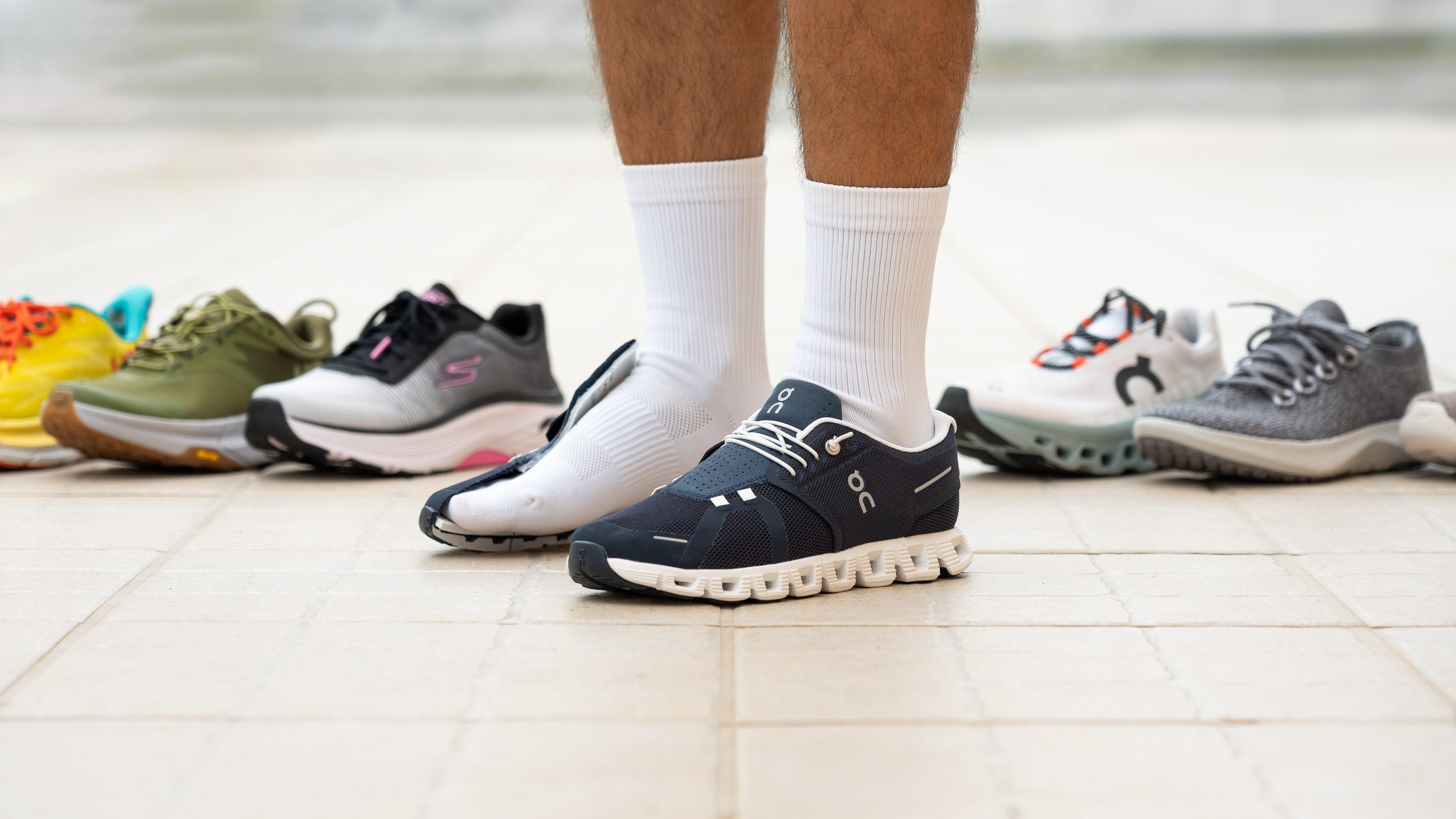
Top Contenders: Podiatrist-Approved Models Unveiled
Moving from theory to practice, several shoe models have become staples in podiatry clinics worldwide. These are not fleeting trends but proven performers that address the key requirements we’ve outlined. It’s important to remember that individual fit is paramount—what works for one person may not for another. However, these models provide an excellent starting point for your search. We’ll examine a range, from everyday walkers to those designed for specific conditions, and we’ll also point you toward finding them at discounted prices, because premium foot health shouldn’t always command a premium price.
For the Everyday Walker: The All-Round Champions
For individuals without severe biomechanical issues who seek daily comfort and prevention, certain models are consistently praised. The Hoka One One Bondi 8 is a frequent favorite. Its maximalist cushioning, featuring a thick, resilient midsole of compression-molded EVA foam, provides exceptional shock absorption, a boon for those with arthritic joints or who walk on hard surfaces. Podiatrist Dr. Brad Schaeffer, quoted in various footwear reviews, notes that Hoka’s meta-rocker geometry promotes a smoother gait transition, reducing strain on the calf and Achilles. Another standout is the Brooks Ghost 15. While known as a running shoe, its DNA-transitioned midsole and segmented crash pad offer a plush, adaptable ride that many podiatrists recommend for walkers seeking a blend of softness and responsiveness. Its engineered mesh upper provides a secure, accommodating fit. These shoes exemplify how advanced materials and design philosophies from the running world are being adapted to create superior podiatrist recommended walking shoes for everyday use.
For Specific Conditions: Targeted Solutions
When dealing with diagnosed conditions like plantar fasciitis, diabetes, or severe overpronation, footwear becomes part of the therapeutic protocol. The New Balance 990v5 is a classic in this category. Its ENCAP midsole technology combines a soft EVA core with a durable polyurethane rim, offering both cushioning and unparalleled stability. Its wide range of widths (from 2A to 6E) ensures a precise fit, crucial for diabetic patients who require extra volume to avoid pressure points. For those with plantar fasciitis, Vionic styles with their embedded orthotic are often the first recommendation. As celebrity trainer and wellness expert Harley Pasternak has mentioned on his social platforms, the immediate arch support in Vionic shoes can provide noticeable relief from heel pain from the first wear. Similarly, Orthofeet designs shoes with extra-depth, non-binding uppers and ergonomic soles specifically for sensitive feet, bunions, and hammertoes. These are more than shoes; they are wearable therapy, meticulously crafted to address precise anatomical challenges.
:max_bytes(150000):strip_icc()/tal-10-podiatrist-approved-open-toed-shoes-tout-00bd6ff1c36a49cdbbff486b0b54fb27.jpg)
Beyond the Shoe: Integrating Knowledge and Value
Purchasing the right shoe is only half the journey. Proper fit is non-negotiable. Always get fitted in the afternoon when your feet are naturally slightly swollen. Ensure there’s a thumb’s width of space between your longest toe and the end of the shoe. The shoe should feel secure at the heel and midfoot without any pinching or slipping. Now, let’s talk value. Premium podiatrist recommended walking shoes can be an investment, but savvy shopping can yield significant savings. Consider purchasing previous model years; the core technology often remains largely unchanged, but prices drop when a new version is released. Websites of major retailers often have “sale” or “outlet” sections dedicated to these older models. Sign up for newsletters from brands like Brooks, Saucony, and New Balance to receive notifications of seasonal sales and exclusive discounts. Furthermore, check with your health insurance provider; some plans offer allowances or discounts for orthopedic footwear with a doctor’s prescription. Combining professional knowledge with these shopping strategies empowers you to prioritize your foot health without straining your budget.
A Final Step Towards Lifelong Mobility
Your feet are your foundation. They carry you through every journey, every day. Ignoring their needs in favor of fashion or false economy is a shortcut to discomfort and limitation. The guidance of a podiatrist, distilled into the design of a podiatrist recommended walking shoe, offers a path to sustained comfort, support, and vitality. It’s a choice that echoes upward, influencing the health of your joints and the freedom of your movement. By understanding the science behind arch support and stability, recognizing the top-performing models for various needs, and knowing how to find them at accessible prices, you take an active, informed role in your own well-being. Don’t just walk—stride forward with confidence, supported by footwear engineered to match the brilliance of human biomechanics.
:max_bytes(150000):strip_icc()/podiatrist-recommended-walking-shoes-e1b90077185d4e6cadbf6327c4d17db7.jpg)
