

Discover the Top Podiatrist Recommended Walking Shoes for Ultimate Comfort and Support
Walking is one of the most fundamental and beneficial forms of exercise, accessible to nearly everyone. Yet, the simplicity of this activity belies the complexity of the biomechanics involved. Every step you take sends a force through your feet that can be up to 1.5 times your body weight. Without proper footwear, this repetitive impact can lead to a cascade of issues, from plantar fasciitis and bunions to knee and back pain. This is where the expertise of a podiatrist becomes invaluable. Podiatrists, or doctors of podiatric medicine, specialize in the diagnosis, treatment, and prevention of foot and ankle disorders. Their recommendations for footwear are not based on fleeting trends but on a deep understanding of anatomy, gait analysis, and pathology. Choosing a pair of podiatrist recommended walking shoes is an investment in your long-term mobility and comfort, acting as a foundational tool for a healthy, active life. This article will guide you through the essential features of such shoes, highlight top models, and explain the science behind why they work, empowering you to make an informed choice for your feet.
The Science of Support: Why Your Feet Demand Expert-Approved Footwear
To understand the necessity of specialized walking shoes, we must first delve into the architecture of the human foot. It is a marvel of engineering, comprising 26 bones, 33 joints, and over 100 muscles, tendons, and ligaments. This complex structure forms three primary arches: the medial longitudinal arch, the lateral longitudinal arch, and the transverse arch. These arches function as natural shock absorbers and rigid levers for propulsion. However, factors like genetics, age, weight, and activity level can cause these arches to collapse or become strained, leading to conditions like overpronation (excessive inward roll) or supination (outward roll). As Dr. Jacqueline Sutera, a renowned New York City podiatrist and spokesperson for the American Podiatric Medical Association (APMA), often states, “Shoes are the foundation of your body. If your foundation is unstable, everything above it—ankles, knees, hips, back—can be affected.” This perspective is echoed in academic literature from institutions like the University of Pittsburgh’s Department of Orthopedic Surgery, which emphasizes the role of proper footwear in managing and preventing lower extremity musculoskeletal disorders. A true podiatrist recommended walking shoe is designed to complement and support this natural anatomy. It provides structured arch support to maintain the foot’s alignment, a firm heel counter to stabilize the rearfoot, and appropriate cushioning to dissipate impact forces. This isn’t merely about comfort; it’s about creating a biomechanically sound environment for every step you take.
:max_bytes(150000):strip_icc()/favorite-walking-shoes-round-up-november-2024-458c3fc0c6844adca7c0a34ebc5cfb9b.jpg)
Decoding the Features: The Hallmarks of a Podiatrist-Approved Shoe
Not all athletic shoes are created equal. A shoe designed for running, with its emphasis on forward motion and high-impact cushioning, may not provide the stability needed for the more varied foot-strike patterns of walking. When podiatrists evaluate footwear, they look for specific, non-negotiable features that contribute to foot health. First and foremost is arch support. This is not a generic, spongy bump in the midsole. Effective arch support is contoured to match the shape of the arch, providing a firm yet comfortable platform that prevents the arch from collapsing. This is crucial for managing plantar fasciitis, a painful inflammation of the band of tissue connecting the heel to the toes. Secondly, a rigid heel counter is essential. Squeeze the back of the shoe; it should not easily collapse. A firm heel counter cups the calcaneus (heel bone), controlling excessive motion and providing stability, which is a common recommendation found on medical resource sites like WebMD and Healthline for those with heel pain. Third, look for a rocker sole. This design, where the sole is slightly curved upward at the toe and heel, facilitates a smoother gait cycle by reducing the work required from the Achilles tendon and plantar fascia. It promotes a natural rolling motion from heel strike to toe-off. Finally, consider toe box room. Your toes should not feel cramped. A spacious, foot-shaped toe box allows the toes to splay naturally upon weight-bearing, which can help prevent or alleviate issues like bunions and hammertoes. As highlighted in resources like Wikipedia’s entry on “Footwear,” and corroborated by countless podiatric YouTube channels, these features collectively transform a simple shoe into a therapeutic device.
Top Contenders: Walking Shoes That Earn Professional Praise
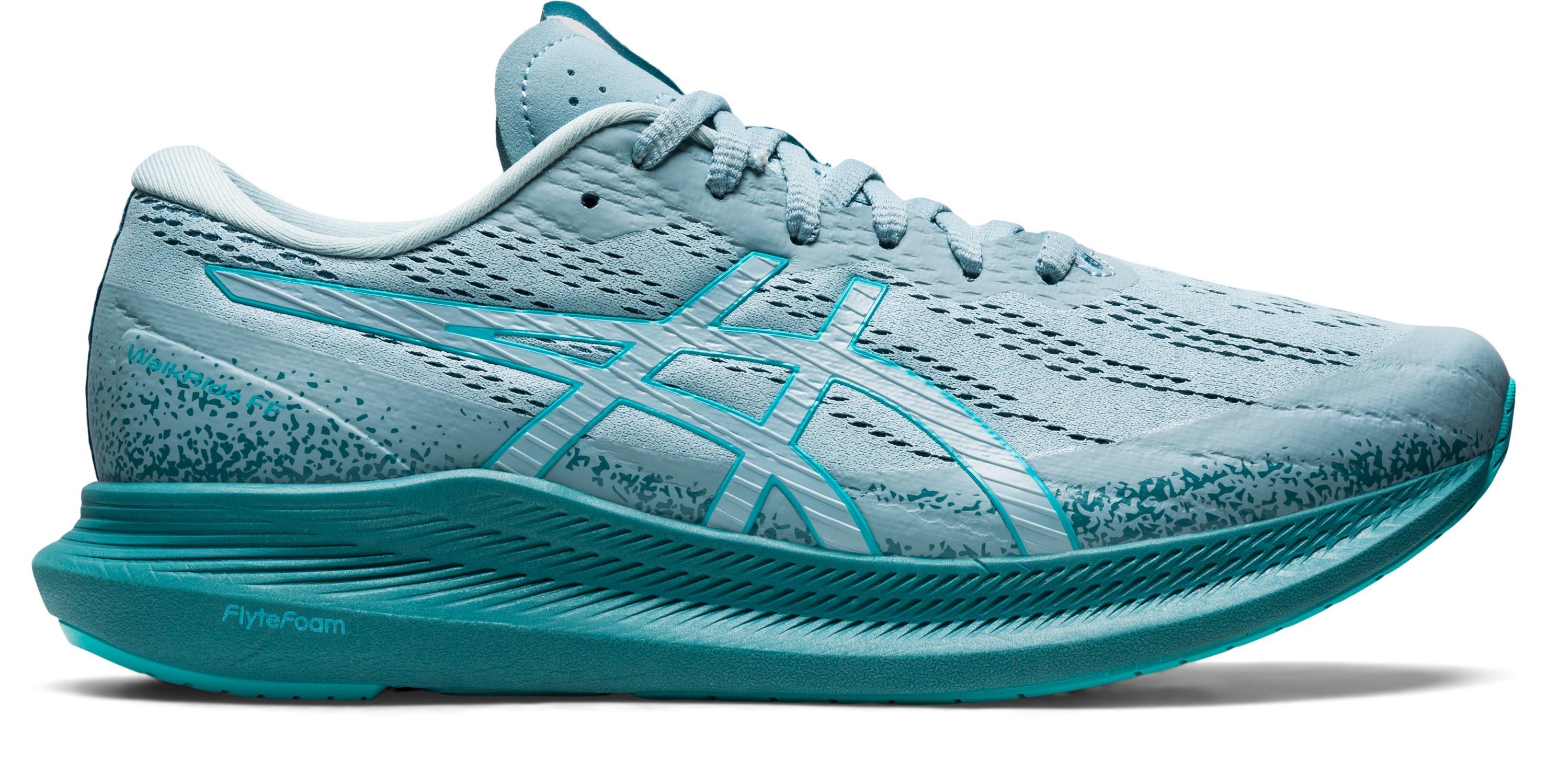
The market offers several standout models that consistently receive endorsements from foot care professionals for their blend of comfort, support, and durability. One perennial favorite is the Brooks Addiction Walker. This shoe is often cited as a gold standard for those requiring maximum stability and motion control. Its extended diagonal rollbar works in tandem with a full-grain leather upper to guide the foot and minimize overpronation. Another excellent choice is the ASICS Gel-Tech Neo 4. ASICS’ Gel cushioning system, positioned in both the forefoot and rearfoot, provides exceptional shock absorption, a feature particularly beneficial for walkers on hard surfaces like concrete. The shoe also incorporates Guidance Line technology to promote an efficient gait. For those seeking a blend of modern style and podiatric function, the HOKA ONE ONE Bondi series is revolutionary. Known for its maximalist cushioning, the Bondi features a meta-rocker geometry that encourages a smooth transition and reduces strain on joints. Its wide platform offers inherent stability. These models exemplify what it means to be a podiatrist recommended walking shoe, integrating advanced materials and biomechanical research to protect the wearer. It’s worth noting that many of these brands have specific models that have earned the APMA’s Seal of Acceptance, a credible indicator of their foot-health benefits.
:max_bytes(150000):strip_icc()/shp-best-brooks-walking-shoes-tout-f67df3ab5afa4c08a24a63ae6dca3444.jpg)
Beyond the Shoe: The Integral Role of Professional Gait Analysis
Purchasing a highly-rated shoe is a great start, but the most personalized and effective recommendation comes from a one-on-one consultation. A podiatrist or a certified pedorthist can perform a comprehensive gait analysis. This process often involves walking on a treadmill while being recorded by cameras that capture movement from multiple angles. The specialist will analyze your foot strike, arch dynamics, and the alignment of your legs. They might also use pressure plate technology to see exactly how force is distributed across your feet. This data is irreplaceable. You might discover you have a subtle leg length discrepancy or a specific tendon weakness that requires a particular type of support. As noted in educational materials from the University of Washington’s Department of Rehabilitation Medicine, gait analysis is the cornerstone of prescribing orthotics and appropriate footwear. The insights gained allow a professional to say, “You need a shoe with a medial post and a firm midsole,” rather than a generic “this brand is good.” This service transforms the search for podiatrist recommended walking shoes from a guessing game into a precise, science-based solution. Many specialty running and walking stores also offer basic gait analysis, which can be an excellent resource for finding a good match before a clinical consultation.
Investment and Value: Where Quality Meets Affordability
It’s true that high-quality, medically endorsed footwear often comes with a higher price tag, typically ranging from $120 to $180. However, this cost must be reframed as an investment rather than an expense. Consider the alternative: the cost of doctor’s visits, physical therapy sessions, custom orthotics, and lost productivity due to foot pain can quickly dwarf the price of a premium pair of shoes. Furthermore, the durability of these shoes means they often last longer than cheaply made alternatives, providing better value over time. To make this investment more accessible, savvy shoppers should look for last season’s models, which are frequently discounted by 30-50% as new versions are released. The core technologies—the cushioning systems, stability features, and lasts—often remain largely unchanged. Signing up for newsletters from brands like Brooks, ASICS, and New Balance or retailers like Zappos and Road Runner Sports can alert you to flash sales and clearance events. Remember, the goal is to acquire the tool your feet need. As the famous quote attributed to Vogue editor-in-chief Diana Vreeland goes,
“You don’t have to be rich to dress well. You just have to know how to shop.”
This wisdom applies perfectly to footwear. With research and timing, you can secure a pair of top-tier podiatrist recommended walking shoes without straining your budget. The payoff is a foundation of comfort that supports every aspect of your daily life.
Your Path Forward: Stepping into Sustained Well-being
The journey to happy, healthy feet begins with a single, well-supported step. Ignoring foot health is a shortcut to a myriad of problems that extend far beyond the feet themselves. By prioritizing footwear that carries the implicit or explicit endorsement of foot care specialists, you are actively participating in preventive healthcare. You are choosing shoes that respect the intricate biology of your feet, that mitigate the relentless forces of gravity and impact, and that enable you to move through your world with ease and confidence. The models and principles discussed here provide a robust framework for your selection process. Listen to the professionals who dedicate their careers to understanding the foot, seek out the technologies proven to aid biomechanical function, and view your purchase as a long-term investment in your physical autonomy. Ultimately, the right pair of podiatrist recommended walking shoes is more than an accessory; it is a partnership with your body, a daily commitment to walking comfortably, supportedly, and without pain, for miles to come.

