

Discover the Top Podiatrist Recommended Walking Shoes for Ultimate Comfort and Support
Your feet are the foundation of your movement, and the shoes you choose can either be a source of daily relief or chronic discomfort. This isn’t just about fashion or casual preference; it’s about biomechanics, health, and long-term well-being. As we navigate our daily routines, from city sidewalks to park trails, the importance of proper footwear becomes paramount. This guide cuts through the marketing noise to focus on what truly matters: podiatrist recommended walking shoes. These are not merely comfortable sneakers; they are engineered solutions, often backed by clinical insights, designed to align with the intricate structure of the human foot. We will explore the scientific principles behind their design, the tangible benefits they offer, and how selecting the right pair is an investment in your mobility and overall health, potentially saving you from future medical interventions and associated costs.
The Science of Stride: Why Podiatrist Endorsement Matters
To understand the value of a podiatrist recommended walking shoe, one must first appreciate the complexity of the walking gait cycle. Podiatry, as defined by authoritative sources like the American Podiatric Medical Association (APMA), is the branch of medicine devoted to the study, diagnosis, and medical and surgical treatment of disorders of the foot, ankle, and lower extremity. A podiatrist’s recommendation, therefore, stems from a deep understanding of biomechanics—the application of mechanical laws to living structures, especially the locomotor systems of the human body. When you walk, your foot undergoes a precise sequence of heel strike, midstance, and toe-off. Improper footwear can disrupt this cycle, leading to excessive pronation (inward rolling) or supination (outward rolling), which are primary culprits behind conditions like plantar fasciitis, shin splints, and knee pain. A shoe bearing a podiatrist’s seal of approval has typically been evaluated for its ability to promote a more neutral gait, provide adequate arch support to prevent overpronation, and offer sufficient cushioning to absorb the repetitive impact forces, which can be 1.2 to 1.5 times your body weight with each step. This objective, scientific validation separates these shoes from generic athletic wear, positioning them as essential tools for preventative foot care.
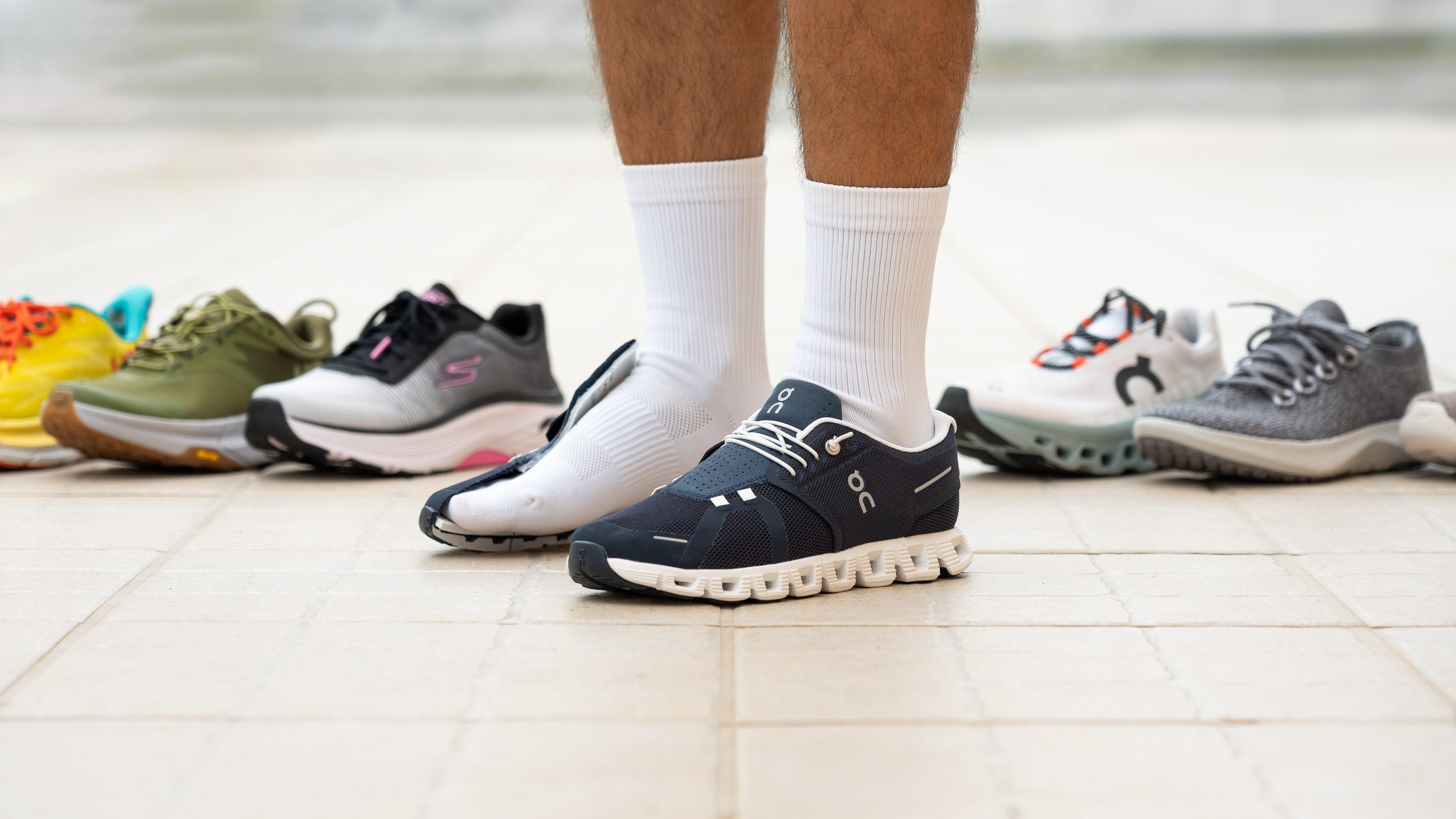
Architectural Support: The Non-Negotiable Foundation
Imagine constructing a skyscraper on a weak foundation; the entire structure is compromised. Your body operates on a similar principle. The arch of your foot acts as a natural shock absorber. For the millions of people with flat feet (pes planus) or unusually high arches (pes cavus), this natural mechanism is impaired. This is where the engineered support of a podiatrist recommended walking shoe becomes critical. These shoes often feature a well-contoured, firm midsole—frequently made from materials like EVA (ethylene-vinyl acetate) foam or polyurethane—that provides structured arch support. This isn’t about a soft, generic insole; it’s about a built-in architectural element that maintains the foot’s alignment from heel to toe. Dr. Jacqueline Sutera, a renowned New York City podiatrist and spokesperson for the APMA, often emphasizes in media interviews that proper arch support helps distribute pressure evenly across the foot, preventing excessive strain on the plantar fascia ligament. This objective is supported by literature from institutions like the University of Pittsburgh Medical Center, which notes that supportive footwear is a first-line conservative treatment for plantar fasciitis. Therefore, when you see a shoe recommended by podiatric professionals, you are accessing a design informed by clinical observation and anatomical science, aimed at reinforcing your body’s own architecture.
Cushioning vs. Stability: Striking the Essential Balance
A common misconception is that the softest shoe is the best for walking. While cushioning is vital for dissipating impact, an excess of soft, uncompressed material can be as detrimental as too little. It can create instability, allowing the foot to roll excessively. The hallmark of a superior podiatrist recommended walking shoe is its intelligent balance between cushioning and stability. Brands often achieve this through dual-density midsoles: a softer foam for cushioning and a firmer, often darker-colored, medial post to prevent the heel and arch from collapsing inward. Consider the analogy from renowned author and biomechanist Katy Bowman in her book “Move Your DNA”: our feet need both “input” (sensory feedback from the ground) and “support” (protection from excessive force). A well-designed walking shoe mediates this relationship. For instance, the ASICS GEL technology, frequently featured in APMA-accepted shoes, encapsulates silicone-based GEL cushioning units in key impact zones, providing shock absorption without sacrificing the structural integrity needed for stability. This engineering principle, validated by both podiatric practice and consumer biomechanics labs, ensures the foot is protected yet guided through a healthy, efficient motion path with every step you take.
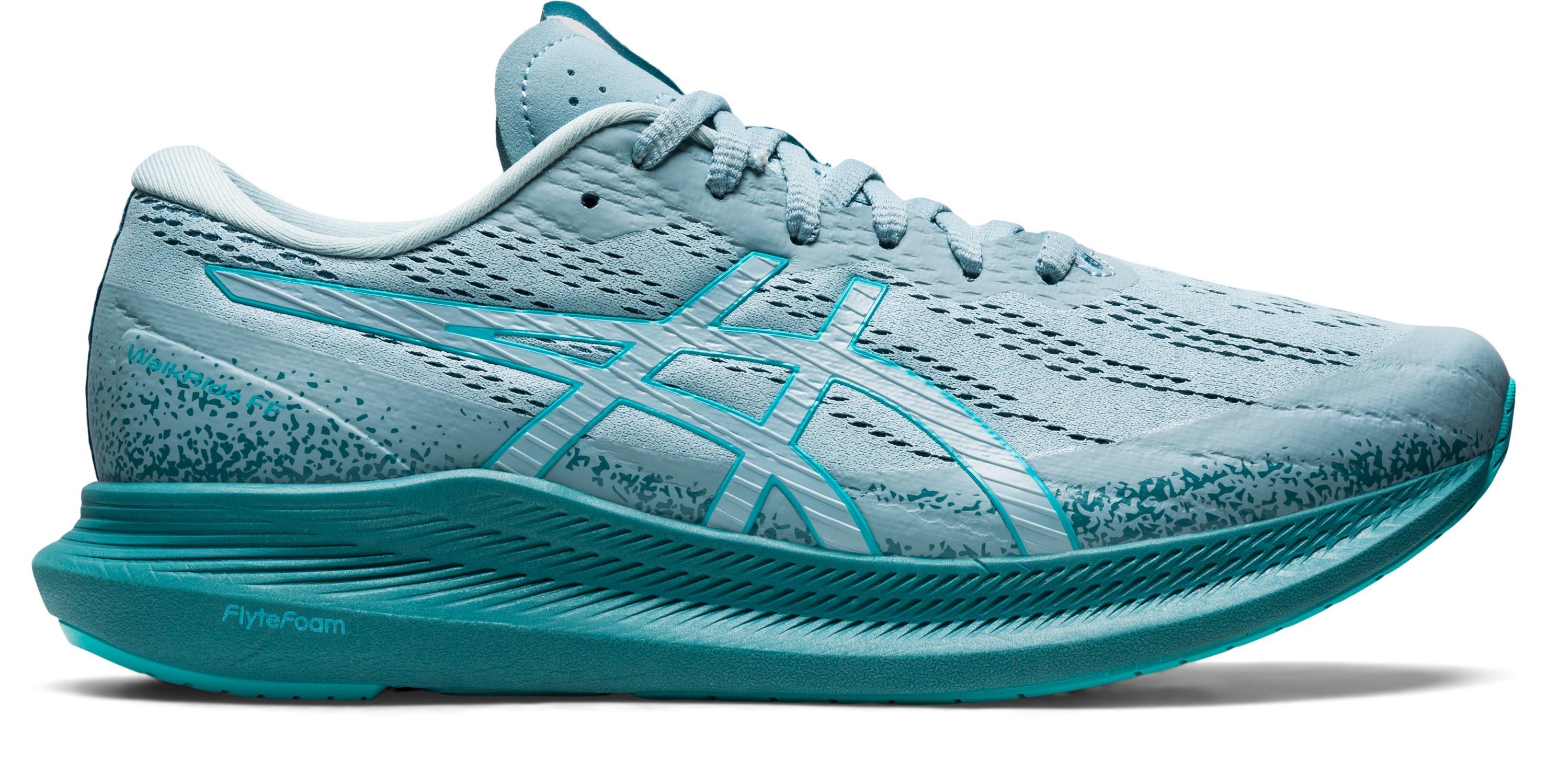
Beyond the Shoe: Features That Define Podiatric Excellence
While support and cushioning form the core, several other features elevate a shoe to the status of being genuinely podiatrist recommended. A roomy, foot-shaped toe box is paramount. As noted by the Institute for Preventive Foothealth (IPFH), cramped toe boxes can lead to deformities like bunions and hammertoes. A good walking shoe should allow your toes to splay naturally upon foot strike, enhancing stability and comfort. Secondly, the heel counter—the rigid material that cups the back of the heel—must be firm and well-padded. This feature minimizes heel slippage, secures the rearfoot, and is crucial for controlling pronation. Furthermore, flexibility at the forefoot is essential. The shoe should bend easily at the ball of the foot, where your foot naturally flexes during toe-off, but remain rigid through the arch. Finally, breathable, durable uppers made from engineered mesh or leather help manage moisture and temperature, reducing the risk of fungal infections and blisters. When these elements converge in a single design, certified by podiatric review, you have a tool that actively contributes to foot health rather than merely covering it.
The Professional Verdict: Sourcing Credible Recommendations
How does one navigate the sea of “best of” lists? The key is to prioritize sources with clinical authority. The APMA’s Seal of Acceptance is a gold standard. To earn it, a shoe’s manufacturer must submit scientific data demonstrating its value in promoting foot health, which is then reviewed by a committee of podiatrists. This is an objective, evidence-based filter. Beyond this, the insights of practicing podiatrists in mainstream media carry significant weight. For example, on platforms like YouTube, certified podiatrists like Dr. Brad Schaeffer or Dr. Miguel Cunha regularly dissect shoe technology for millions of viewers, offering transparent, professional opinions. On Quora and health forums, answers from verified medical professionals often reference peer-reviewed studies from journals like The Journal of the American Podiatric Medical Association. Turning to these resources, rather than generic lifestyle blogs, ensures the advice you receive is grounded in medical science, not just anecdotal experience or marketing copy. This professional vetting process is what separates true podiatrist recommended walking shoes from other models that may simply be comfortable or trendy.
:max_bytes(150000):strip_icc()/podiatrist-recommended-walking-shoes-e1b90077185d4e6cadbf6327c4d17db7.jpg)
Your Investment in Mobility: Where Value Meets Health
Purchasing a high-quality pair of podiatrist recommended walking shoes is an upfront investment that pays dividends in avoided pain and medical expenses. Consider the cost of physical therapy sessions, custom orthotics, or treatment for chronic conditions like metatarsalgia or Achilles tendinitis. A pair of properly engineered shoes, often priced between $120 and $160, serves as a primary preventative measure. The good news is that value does not always mean paying full retail. Many reputable retailers offer last-season models, colorways, or periodic sales at significant discounts—sometimes 30% or more off. The core technology (the midsole composition, stability features, and last shape) often remains unchanged from one model year to the next. By focusing on the functional specifications—firm heel counter, adequate arch support, appropriate width—rather than the latest aesthetic update, you can acquire podiatrist-endorsed footwear at a more accessible price point. This approach brings professional-grade foot health knowledge and financial sensibility directly to you, making superior support a sustainable part of your lifestyle.
Making the Right Choice: A Personal Guide
Your journey to the perfect pair is personal. Start by understanding your own foot type. The classic “wet test”—observing the shape of your footprint on a dry surface—can indicate if you have low, neutral, or high arches. Shop in the afternoon when your feet are naturally slightly swollen. Always try shoes on with the socks you intend to wear. There should be about a thumb’s width of space between your longest toe and the end of the shoe. Walk around the store, feeling for any pinching or slippage. Remember, a true podiatrist recommended walking shoe should feel supportive and secure from the first step, not require a lengthy “break-in” period that risks blisters. If you have specific conditions like diabetes or severe arthritis, consulting directly with a podiatrist for personalized recommendations is invaluable. They can bridge the gap between general shoe guidelines and your unique anatomical needs.

Ultimately, the shoes you walk in daily are not passive accessories but active participants in your physical health. They influence your posture, joint alignment, and energy expenditure. Opting for footwear that carries the weight of podiatric endorsement is a decision to align your daily routine with principles of biomechanical science. It is a commitment to moving through your world with a foundation of genuine comfort and structured support, empowering every step you take toward greater activity and vitality.
