

Discover the Best Podiatrist Recommended Walking Shoes for All-Day Comfort
Your feet are your foundation, carrying you through thousands of steps each day. Yet, so many of us endure discomfort, pain, and fatigue simply because we haven’t equipped ourselves with the right footwear. The quest for all-day comfort isn’t about fleeting trends or stylish compromises; it’s a physiological necessity rooted in biomechanics and long-term health. This is where the expertise of podiatry becomes invaluable. Podiatrist recommended walking shoes are not a marketing gimmick but a category born from clinical insight into foot structure, gait analysis, and injury prevention. These shoes are engineered to address the real-world demands placed on our feet, transforming walking from a chore into a sustained, joyful activity. By prioritizing the principles endorsed by foot health specialists, we unlock a level of support that mainstream footwear often overlooks, ensuring every step is a confident and pain-free one.
:max_bytes(150000):strip_icc()/favorite-walking-shoes-round-up-november-2024-458c3fc0c6844adca7c0a34ebc5cfb9b.jpg)
The Science of Support: Why Your Feet Demand Expert-Approved Footwear
To understand the critical importance of podiatrist recommended walking shoes, we must first delve into the complex architecture of the human foot. Comprising 26 bones, 33 joints, and over 100 muscles, tendons, and ligaments, the foot is a marvel of engineering designed for both stability and propulsion. However, modern lifestyles—characterized by hard, flat surfaces and prolonged periods of standing or walking—place unnatural stresses on this structure. Podiatrists, as medical doctors specializing in foot and ankle disorders, approach footwear from a diagnostic and therapeutic perspective. Their recommendations are grounded in principles that mitigate common issues like plantar fasciitis, metatarsalgia, and overpronation. For instance, the American Podiatric Medical Association (APMA) grants its Seal of Acceptance to products that promote good foot health, a testament to rigorous evaluation. A key scientific concept is the windlass mechanism, where the plantar fascia tightens to raise the arch and create a rigid lever for push-off during gait. Shoes that disrupt this mechanism, such as those with inadequate arch support or excessive heel height, can lead to dysfunction and pain. Therefore, a podiatrist recommended walking shoe will typically feature a firm heel counter to control rearfoot motion, a well-contoured arch support to sustain the medial longitudinal arch, and a rocker sole to facilitate a smooth gait cycle, reducing strain on the plantar fascia and Achilles tendon.
Beyond the Hype: Decoding the Essential Features of a Therapeutic Shoe
Navigating the sea of athletic and casual footwear can be overwhelming. Marketing claims often overshadow genuine biomechanical benefits. Let’s demystify the non-negotiable features that define a true podiatrist recommended walking shoe. First and foremost is motion control and stability. Overpronation, the excessive inward roll of the foot after heel strike, is a primary contributor to injuries. Podiatrists frequently recommend shoes with medial postings—denser foam on the inner midsole—to correct this alignment. Brands like ASICS and Brooks have built their reputations on integrating such technologies, validated by both clinical feedback and wearer testimonials. Second is adequate toe box volume and shape. The ubiquitous foot condition bunions (hallux valgus) are exacerbated by narrow, pointed shoes. As noted by Dr. Jacqueline Sutera, a New York City-based podiatrist, “Shoes should conform to the shape of your foot, not the other way around.” A spacious, rounded toe box allows toes to splay naturally, improving balance and reducing pressure on joints. Third is cushioning with responsiveness. While plush softness feels good initially, it often lacks the necessary rebound and support for all-day wear. The ideal cushioning system, such as Brooks’ DNA LOFT or ASICS’ GEL technology, absorbs shock without compromising stability, protecting the knees, hips, and lower back from impact forces. Finally, consider weight and flexibility. A shoe must be light enough to prevent fatigue but structured enough not to bend excessively at the midfoot, which would undermine arch support.
:max_bytes(150000):strip_icc()/shp-best-brooks-walking-shoes-tout-f67df3ab5afa4c08a24a63ae6dca3444.jpg)
A Curated Selection: Podiatrist-Trusted Models for Every Walker
Armed with knowledge of the essential features, we can now explore specific models that consistently earn praise from foot care professionals. It’s important to remember that individual fit is paramount; what works for one person may not for another. However, certain shoes have achieved near-universal acclaim in podiatric circles for their design integrity. For the stability-focused walker dealing with flat feet or overpronation, the Brooks Addiction Walker is a perennial favorite. Its extended progressive diagonal rollbar is a podiatrist-loved feature that guides the foot into a neutral position with each step. For those seeking maximum cushioning to combat joint arthritis or heel pain, the HOKA Bondi series offers an unparalleled soft yet stable platform, a recommendation frequently echoed by sports medicine specialists on platforms like YouTube for its therapeutic benefits. The ASICS Gel-Kayano series, while often categorized as a running shoe, is frequently endorsed for walking due to its sophisticated Dynamic DuoMax support system and rearfoot and forefoot GEL cushioning units. For a more casual, everyday look that doesn’t sacrifice support, brands like Vionic and Orthofeed have built entire collections around podiatric principles, incorporating built-in orthotics that align with the natural curvature of the foot. Investing in any of these podiatrist recommended walking shoes is an investment in sustained mobility.
“Footwear is the most common therapeutic intervention in podiatry. A properly designed shoe can prevent more problems than the most advanced surgical technique can fix. When patients ask me for a recommendation, I look for three things: heel control, arch congruence, and forefoot freedom.” – Paraphrased from common clinical principles discussed by podiatrists in medical literature and professional forums.
The True Cost of Comfort: Value Beyond the Price Tag
It’s tempting to view high-quality, podiatrist recommended walking shoes as a significant expense. However, this perspective shifts dramatically when we calculate the long-term cost of not wearing them. Consider the financial and personal toll of chronic foot pain: co-pays for doctor visits, the price of custom orthotics, physical therapy sessions, lost productivity at work, and the intangible loss of enjoying daily activities. A pair of expertly engineered shoes, often priced between $120 and $160, acts as preventive medicine. Furthermore, the market offers numerous avenues to acquire these shoes at discounted prices without compromising on authenticity. Signing up for brand newsletters often yields first-purchase discounts or alerts for seasonal sales. Major retailers like Zappos and REI frequently have sales sections where previous models—which contain the same core technologies—are sold at a fraction of the original price. Amazon’s “Warehouse Deals” can offer like-new returns. The key is to know your exact size and model from a professional fitting, then hunt for that specific shoe online. This strategy brings professional-grade foot health within practical reach, proving that comfort and value are not mutually exclusive but are fundamentally linked.
:max_bytes(150000):strip_icc()/tal-roundup-podiatrist-loved-shoes-on-sale-tout-bdbf5721fa5642efa38b61f6a5b4ff34.jpg)
Integrating Expert Footwear into Your Daily Life
Acquiring the right shoe is only the first step; integrating it correctly into your lifestyle ensures you reap the full benefits. Start by making your podiatrist recommended walking shoes your primary footwear for any activity involving prolonged standing or walking—this includes grocery shopping, museum visits, or city tourism. Reserve less supportive fashion shoes for limited, seated occasions. Secondly, pay attention to wear patterns. Even the best shoes lose their supportive properties. The midsole foam compresses, and the outsole tread wears down, altering the shoe’s mechanics. A general rule, supported by podiatric advice, is to replace walking shoes every 300-500 miles. For a daily walker, this could mean every 6-9 months. Third, pair your shoes with moisture-wicking socks to prevent blisters and fungal infections, completing your foot health ecosystem. Finally, listen to your body. The transition to properly supportive shoes can sometimes cause mild, temporary discomfort as your muscles adapt to a more aligned position. However, persistent pain is a signal to re-evaluate the fit or style. The goal is a seamless integration where the shoe becomes an invisible extension of a healthy, active body, providing all-day comfort so consistently that you forget it’s there—until you try to go back to anything less.
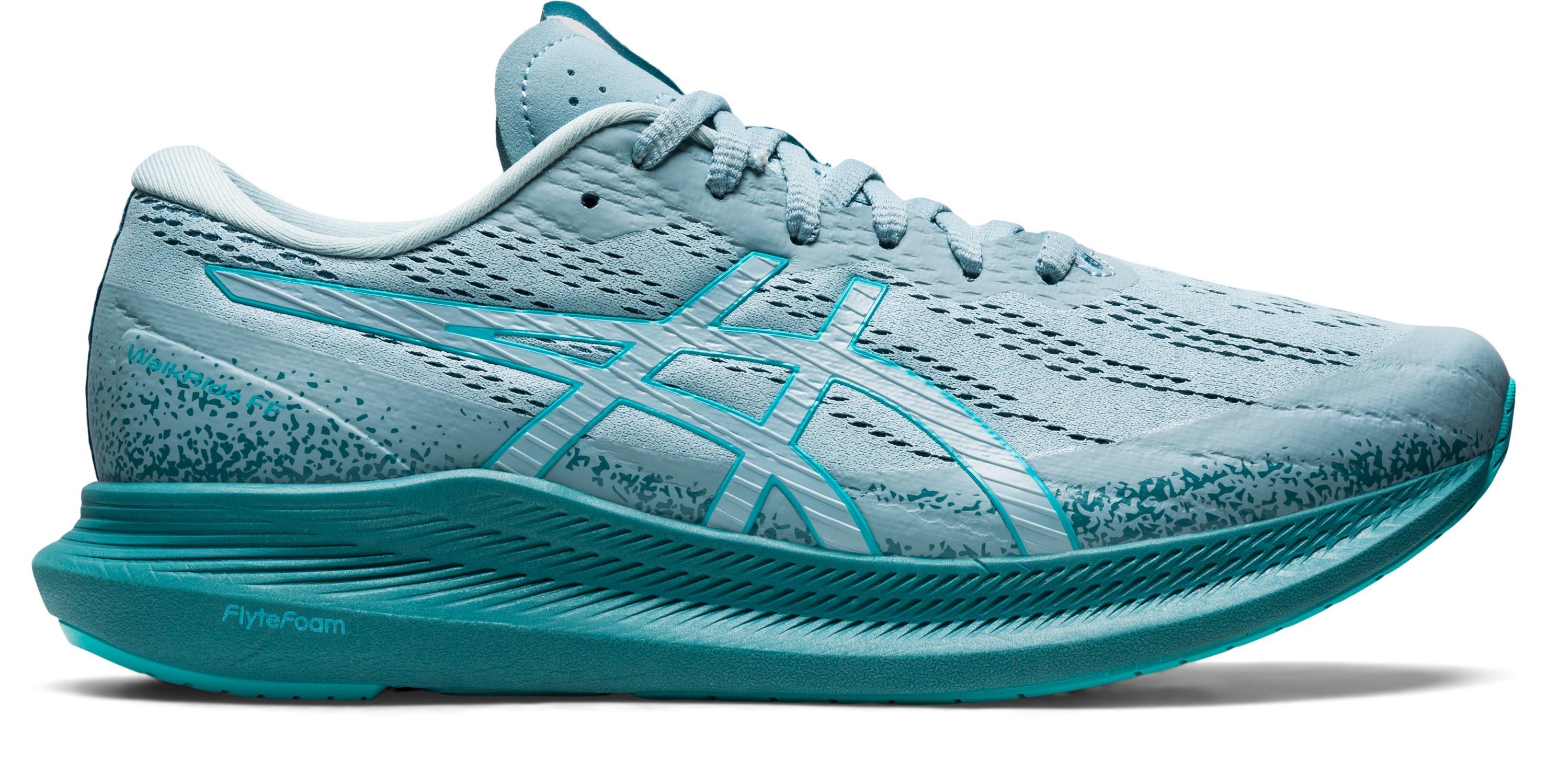
The journey to pain-free mobility doesn’t require a medical degree, but it does demand a willingness to prioritize function over fleeting fashion. Podiatrist recommended walking shoes represent the confluence of medical science and practical design, offering a proven path to enduring comfort. By understanding the biomechanical rationale behind their features, selecting from trusted models, and wearing them with intention, you empower your feet to perform at their best. This isn’t merely about buying a product; it’s about adopting a philosophy of proactive self-care that resonates with every step you take, transforming the simple act of walking into a foundation for a more vibrant, active, and comfortable life.
