

Discover the Best Podiatrist Recommended Walking Shoes for All-Day Comfort
Your feet are your foundation, and the shoes you choose for walking can be the difference between a day filled with vibrant energy and one hampered by discomfort. For anyone who spends significant time on their feet—whether navigating city streets, exploring nature trails, or managing the demands of a busy workday—the quest for the perfect walking shoe is paramount. This isn’t merely about fashion or fleeting trends; it’s a critical investment in your long-term musculoskeletal health. The guidance of podiatrists, the medical specialists dedicated to foot, ankle, and lower extremity care, becomes an invaluable compass in this search. This article delves into the science and selection criteria behind truly supportive footwear, moving beyond marketing claims to uncover what makes a walking shoe worthy of a podiatrist’s endorsement. We will explore the anatomical principles of foot health, decode essential shoe technologies, and examine specific models that consistently earn professional praise, all to guide you toward finding those elusive podiatrist recommended walking shoes that deliver genuine, all-day comfort.
The Foundation of Foot Health: Why Podiatrist Guidance Matters
To understand the value of a podiatrist’s recommendation, one must first appreciate the complex biomechanics of walking. The human foot is a marvel of engineering, comprising 26 bones, 33 joints, and over 100 muscles, tendons, and ligaments. Each step you take is a coordinated cascade of events—heel strike, foot flat, mid-stance, heel-off, and toe-off—known as the gait cycle. When this cycle is disrupted by improper footwear, the consequences ripple upward. As noted by the American Podiatric Medical Association (APMA), shoes that lack adequate support or force the foot into an unnatural position can lead to a host of issues, from localized problems like plantar fasciitis, bunions, and neuromas to more systemic concerns such as knee pain, hip misalignment, and even lower back pain. A podiatrist evaluates footwear through this holistic lens of biomechanics. Their recommendations are not based on brand loyalty but on objective criteria: does the shoe provide sufficient arch support to maintain the foot’s natural contour? Does it have a rigid heel counter to stabilize the rearfoot? Is there ample toe box room to allow for natural splay and prevent compression? This scientific approach transforms shoe selection from a matter of personal taste to one of preventative health. The goal is to find shoes that work in harmony with your body’s mechanics, not against them, thereby making the search for podiatrist recommended walking shoes a proactive step toward overall well-being.

Deconstructing the Perfect Walk: Essential Features of a Supportive Shoe
What specific elements should you scrutinize when hunting for the ideal walking companion? Let’s break down the non-negotiable features that podiatrists consistently highlight. First and foremost is arch support. The arch acts as a shock absorber; when it collapses excessively (overpronation) or doesn’t collapse enough (supination), impact forces are poorly distributed. Quality walking shoes offer structured, contoured arch support that matches your specific foot type—neutral, low-arch, or high-arch. This support is often integrated into a removable insole, allowing for customization with orthotics if needed. Second is heel and midfoot stability. A firm heel counter (the back part of the shoe that cups your heel) is crucial. Pinch it between your fingers; it should resist collapse. This prevents your heel from rolling inward or outward, controlling excessive pronation. The midfoot, or “waist,” of the shoe should also be snug and supportive, not allowing your foot to slide sideways. Third is flexibility at the right point. A good walking shoe should bend easily at the ball of the foot, where your foot naturally flexes during toe-off, but remain relatively stiff through the arch. Try the bend test: hold the heel and toe and attempt to fold the shoe. It should crease across the forefoot, not the middle. Fourth is ample toe box space. Your toes should not feel cramped. There should be about a thumb’s width of space between your longest toe and the end of the shoe, and the width should allow your toes to lie flat without overlapping. Finally, consider cushioning and weight. While ample cushioning in the heel and forefoot is vital for dissipating impact, it must be balanced with responsiveness. Overly soft, marshmallow-like soles can destabilize the foot. Similarly, a very heavy shoe can fatigue leg muscles, while an overly minimalist one may lack protection. The best podiatrist recommended walking shoes master this equilibrium, offering plush comfort without sacrificing stability or ground feedback.
Beyond the Basics: Advanced Technologies in Modern Footwear
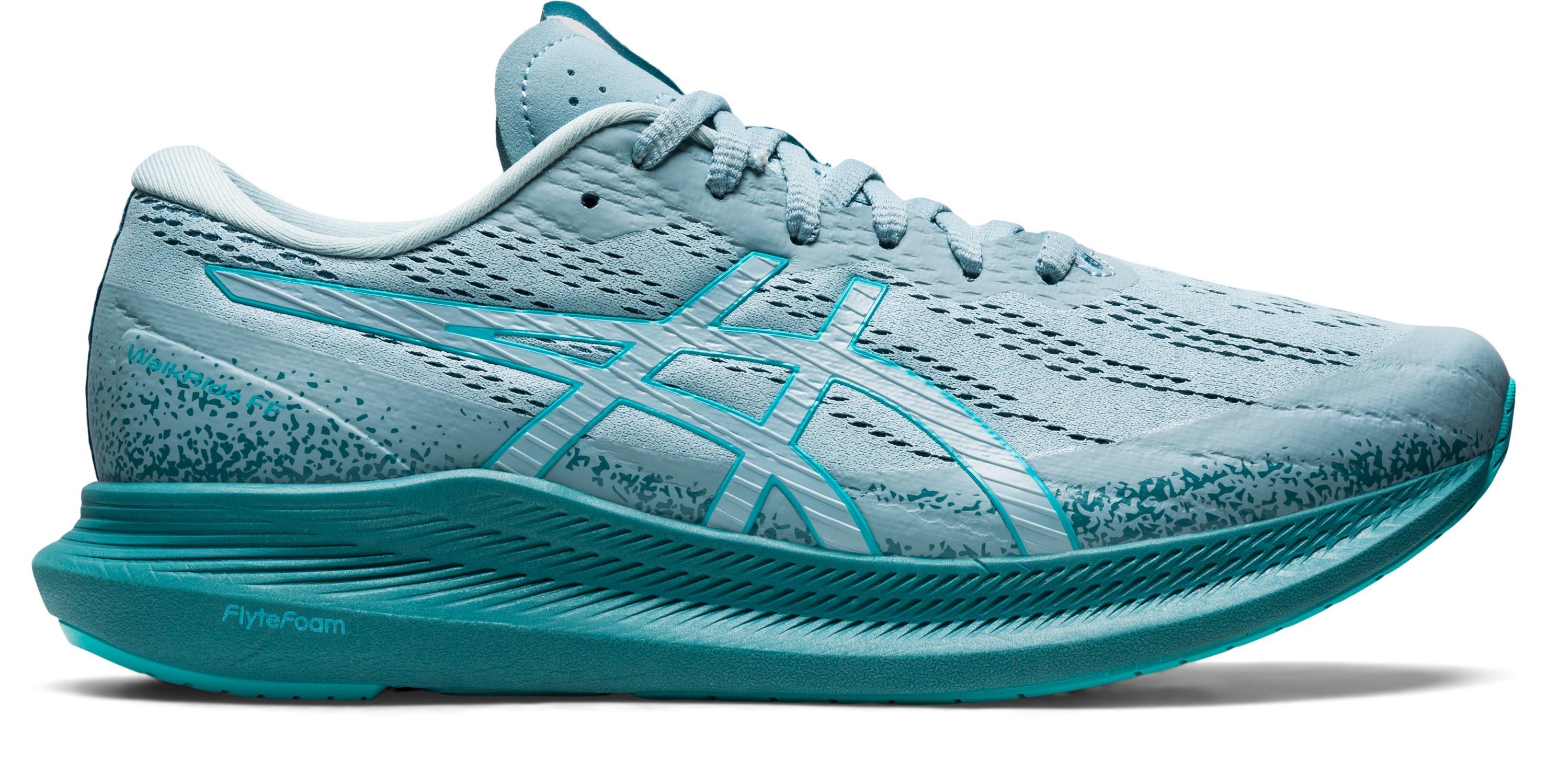
The landscape of athletic footwear has evolved dramatically, with brands investing heavily in research and development to solve specific biomechanical challenges. These technologies often form the backbone of a podiatrist’s recommendation. For instance, motion control systems, often featuring medial posts made of dense foam or dual-density midsoles, are engineered for severe overpronators. Brands like Brooks and ASICS have pioneered such technologies, which are frequently cited in podiatric literature for their efficacy in managing gait abnormalities. Another critical innovation is in midsole materials. Traditional ethylene-vinyl acetate (EVA) foam is being supplemented or replaced by advanced compounds like Brooks’ DNA LOFT, ASICS’ FlyteFoam, or proprietary gel and air units. These materials aim to provide softer landings, greater energy return, and longer-lasting resilience, combating material breakdown that leads to loss of support. Furthermore, the design of the upper has progressed. Seamless, engineered mesh uppers reduce friction and hot spots that can cause blisters, while adaptive lacing systems and wider platform bases enhance overall stability. It’s worth noting the perspective of Dr. Jacqueline Sutera, a renowned New York City podiatrist and spokesperson for the APMA, who often emphasizes the importance of a “rocker sole” in walking shoes for certain patients. As she has stated in various media interviews:
“A rocker-bottom sole helps to propel the foot forward and can significantly reduce pain in the forefoot and heel by offloading pressure from sensitive areas. It’s a feature I frequently look for when recommending shoes for patients with arthritis or plantar fasciitis.”
This insight underscores how specific technological features address specific pathologies, moving beyond generic comfort to targeted therapeutic benefit. When evaluating podiatrist recommended walking shoes, understanding these technologies allows you to align shoe capabilities with your individual physiological needs.
:max_bytes(150000):strip_icc()/shp-best-brooks-walking-shoes-tout-f67df3ab5afa4c08a24a63ae6dca3444.jpg)
From Clinic to Pavement: Top Contenders for All-Day Support
While individual fit is paramount, several shoe models consistently appear on podiatrists’ lists and in wearer reviews for their exemplary blend of support, cushioning, and durability. It’s important to view these not as a definitive ranking, but as a curated starting point for your own fitting journey. In the motion control category, the Brooks Addiction Walker is a perennial favorite. Its extended progressive diagonal rollbar offers maximum support for overpronation, while the full-grain leather upper provides structured durability, making it a classic choice for those requiring substantial stability. For neutral walkers or those with mild stability needs, the ASICS Gel-Kayano series (in its walking-specific versions) and the New Balance 928 are frequently endorsed. They feature sophisticated gel cushioning systems and robust heel counters that provide a smooth, stable ride. In the realm of maximal cushioning, the HOKA ONE ONE Bondi series has garnered a cult following, including among healthcare professionals who are on their feet all day. Its meta-rocker geometry and exceptionally soft yet stable midsole exemplify the advanced technology discussed earlier. For a more natural, wide-toe-box approach, brands like Altra and Topo Athletic design their shoes with a “foot-shaped” last and zero-drop platform, which some podiatrists recommend for promoting proper toe splay and alignment, though this style requires an adaptation period. Remember, the most celebrated shoe is ineffective if it doesn’t fit your unique foot. This is why the final, and perhaps most critical, step in acquiring true podiatrist recommended walking shoes is a professional fitting, ideally later in the day when your feet are naturally slightly swollen.
Investing in Your Stride: The Long-Term Value of Quality Footwear
Some may hesitate at the price point of high-quality walking shoes, often ranging from $120 to $180 or more. However, this investment must be reframed through the lens of cost-per-wear and, more importantly, health economics. Consider this: a single visit to a podiatrist for a common ailment like plantar fasciitis can cost hundreds of dollars in co-pays, diagnostic tests, and initial treatments, not to mention the cost of custom orthotics, which can run several hundred dollars more. A pair of well-constructed, biomechanically sound shoes acts as primary prevention. They are the first line of defense against these costly and painful conditions. Furthermore, the durability of materials used in premium shoes means they often outlast cheaper alternatives by months, providing better support throughout their entire lifespan before the midsole compresses and loses its protective properties. To make this investment more accessible, savvy shoppers can leverage several strategies. Signing up for brand newsletters often yields first-time discounts. Shopping during major sale cycles like Black Friday, end-of-season clearances, or Amazon Prime Day can yield significant savings on previous models, which often have only minor technological updates from the latest version. Additionally, reputable online retailers like Zappos or REI frequently offer sales and have excellent return policies, allowing you to try shoes risk-free. The goal is not to spend recklessly, but to spend wisely on footwear that is engineered to protect your body. The dividends paid in comfort, reduced pain, and enhanced mobility are immeasurable, solidifying the role of podiatrist recommended walking shoes as a cornerstone of proactive health care.
The journey to finding walking shoes that offer unwavering comfort from morning until night is both a science and a personal exploration. It begins with respecting the intricate biomechanics of your feet and recognizing that footwear is an interactive tool, not a passive covering. By prioritizing the core principles endorsed by podiatry—targeted arch support, unwavering stability, protective cushioning, and anatomical fit—you empower yourself to make informed choices that transcend marketing hype. The models and technologies highlighted serve as beacons, illuminating the path toward footwear that genuinely supports your lifestyle. Ultimately, the best walking shoe is the one that disappears on your foot, allowing you to move through your world with freedom, strength, and ease. It is a partnership between your body and your gear, where each step is a testament to thoughtful selection and an investment in your enduring vitality. Let this understanding guide you to your perfect pair, and experience the profound difference that comes from truly walking on a foundation of care.
