

Discover the Best Podiatrist Recommended Walking Shoes for All-Day Comfort
Your feet are your foundation, and the shoes you choose can either support that foundation or undermine it entirely. For anyone who spends significant time on their feet—whether navigating city streets, exploring nature trails, or simply managing the daily marathon of work and errands—the quest for truly comfortable footwear is paramount. This isn’t merely about avoiding blisters; it’s about long-term biomechanical health, injury prevention, and sustainable energy. The most reliable guide in this quest isn’t found in fleeting fashion trends or clever marketing, but in the clinical, evidence-based recommendations of foot health specialists. This article delves into the science and selection of podiatrist recommended walking shoes, moving beyond brand names to explain the core principles that make a shoe worthy of such an endorsement. We will explore the anatomy of the ideal walking shoe, decode professional criteria, and examine how the right pair can transform your daily experience from a chore into a pleasure.
The Podiatrist’s Perspective: Why Specialized Footwear is Non-Negotiable
Podiatry, the branch of medicine devoted to the study, diagnosis, and treatment of disorders of the foot, ankle, and lower extremity, provides a rigorous framework for evaluating footwear. Podiatrists don’t just look at a shoe’s exterior; they analyze its interaction with the complex biomechanics of the human gait cycle. This cycle, comprising the stance phase (when the foot is on the ground) and the swing phase, places immense and varied forces on our feet with every step. According to literature from authoritative institutions like the American Podiatric Medical Association (APMA), improper footwear can contribute to a cascade of issues, from localized problems like plantar fasciitis, bunions, and neuromas to compensatory pains in the knees, hips, and lower back. A podiatrist recommended walking shoe is engineered to mitigate these risks. It offers structured support to control overpronation (excessive inward rolling of the foot) or supination (outward rolling), provides adequate cushioning to absorb shock, and features a design that respects the natural shape and function of the foot. The goal is harmony between foot and shoe, allowing for efficient, natural movement without strain. As Dr. Jacqueline Sutera, a New York City-based podiatrist and spokesperson for the APMA, has often stated in media interviews, “Shoes are the tires of the human body. You wouldn’t drive a car with misaligned, flat tires and expect a smooth, safe ride. The same logic applies to your feet.” This professional insight shifts the conversation from aesthetics to essential biomechanical engineering.
:max_bytes(150000):strip_icc()/tal-roundup-podiatrist-loved-shoes-on-sale-tout-bdbf5721fa5642efa38b61f6a5b4ff34.jpg)
Deconstructing Comfort: The Five Pillars of a Superior Walking Shoe
What specific elements transform an ordinary sneaker into a podiatrist recommended walking shoe? The distinction lies in a combination of design features that work in concert. First, the heel counter must be firm and rigid. This is the reinforced back part of the shoe that cups the heel. A sturdy heel counter prevents excessive heel movement, providing stability and controlling rearfoot motion, which is crucial for aligning the entire lower limb. Second, arch support is not a one-size-fits-all proposition. Podiatrists emphasize the need for support that matches your foot type—neutral, low-arch (flat feet), or high-arch. Proper arch support helps distribute pressure evenly across the foot and maintains the integrity of the plantar fascia ligament. Third, adequate toe box space is vital. The front of the shoe should be deep and wide enough to allow your toes to splay naturally upon foot strike, without compression. This prevents conditions like hammertoes and aggravates bunions. Fourth, flexibility at the forefoot is key. The shoe should bend easily at the ball of the foot, where your foot naturally flexes during push-off, but remain stable through the midfoot. Finally, appropriate cushioning and shock absorption, typically from materials like EVA foam, polyurethane, or advanced gels, protect the joints from the cumulative impact of thousands of steps per day. Each of these pillars is non-negotiable in the clinical view, forming the blueprint for footwear that protects and performs.
Beyond the Hype: Evaluating Brands Through a Clinical Lens
The market is flooded with brands claiming to offer “all-day comfort,” but only a select few consistently earn the seal of approval from foot care professionals. Brands like ASICS, New Balance, Brooks, and HOKA are frequently cited in podiatric circles and on platforms like Quora and professional review sites not because of marketing budgets, but due to their commitment to biomechanical research. For instance, ASICS invests heavily in gait analysis at their Institute of Sport Science, translating data into shoe technologies that enhance stability and efficiency. New Balance is renowned for offering multiple width options, a critical feature for achieving a truly personalized fit that many podiatrist recommended walking shoes lists highlight. HOKA’s maximalist cushioning, while distinctive in appearance, is founded on principles of meta-rocker geometry and shock dissipation, which are beneficial for many patients with joint pain. It’s instructive to note that the APMA grants a “Seal of Acceptance” to specific shoe models that pass their rigorous review by a committee of podiatrists. This seal serves as an independent, scientific validation of a shoe’s health-promoting design. When you choose a model bearing this seal or one consistently endorsed by practicing podiatrists, you are leveraging collective clinical expertise, cutting through subjective hype to find footwear built on objective principles of podiatric medicine.
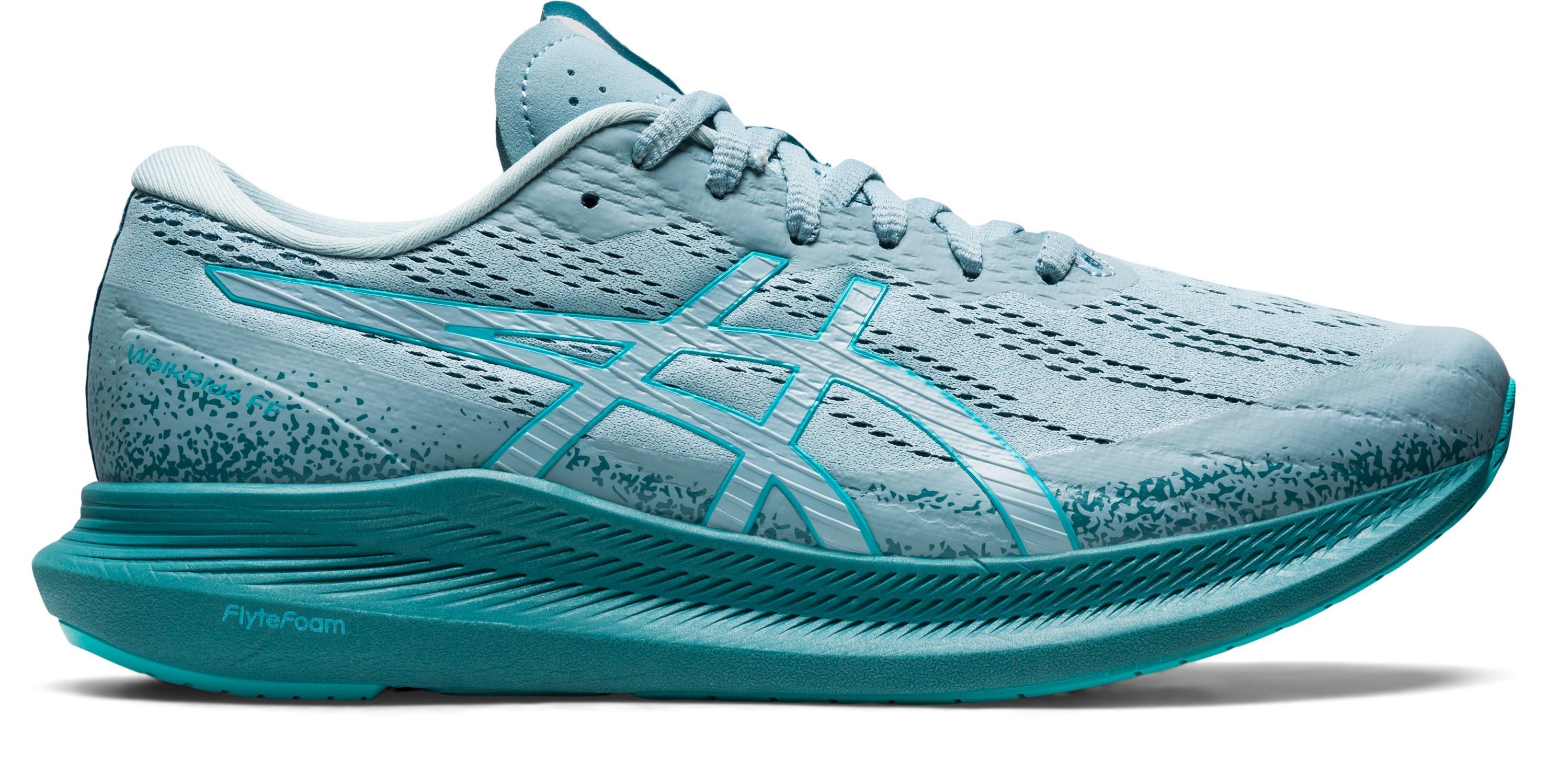
A Personal Journey: From Foot Fatigue to Effortless Mobility
Let me share a perspective that resonates with many. For years, I prioritized style over substance, enduring the familiar end-of-day foot ache, lower back stiffness, and the belief that this discomfort was simply an inevitable tax on being active. My turning point came after a consultation with a podiatrist for a persistent heel pain. The diagnosis was mild plantar fasciitis, exacerbated by unsupportive footwear. The prescription wasn’t just a stretch or an insert; it was a directive to invest in proper podiatrist recommended walking shoes. Skeptical but desperate, I made the switch. The difference wasn’t subtle; it was transformative. The rigid heel counter provided immediate stability I never knew I lacked. The structured arch support felt foreign at first, then profoundly correct, as if my foot was finally being held in its intended position. The generous toe box allowed my toes to move freely, eliminating the cramped feeling I had accepted as normal. The cumulative effect was a revelation: walking became easier, less tiring. The background hum of discomfort vanished, replaced by a sense of supported efficiency. This personal experience mirrors countless testimonials on platforms like YouTube and health forums, where individuals chronicle their shift from pain to comfort after heeding professional advice. It underscores a simple truth: when your foundation is properly supported, everything above it functions better.
Investing in Your Foundation: The Long-Term Value of Quality Footwear
It’s tempting to view high-quality walking shoes as a significant expense. However, from both a health and financial perspective, they represent a critical investment with a substantial return. Consider the alternative: the cumulative cost of treating foot conditions, from orthotics and physical therapy to more invasive interventions, far outweighs the price of a premium pair of shoes. Furthermore, the indirect costs of pain—reduced mobility, decreased enjoyment of activities, and lost productivity—are immense. A well-constructed pair of podiatrist recommended walking shoes is engineered for durability, with outsoles made of high-abrasion rubber and uppers designed to maintain their structural integrity. They are designed to protect your body’s most fundamental mechanical assets. As the famous quote often attributed to investment sage Warren Buffett goes, “Price is what you pay. Value is what you get.” The value here is sustained mobility, pain-free living, and the prevention of future medical issues. By framing the purchase as an investment in your long-term physical capital, the decision becomes clear. Prioritizing your foot health with the right shoes is one of the most impactful daily choices you can make for your overall well-being.
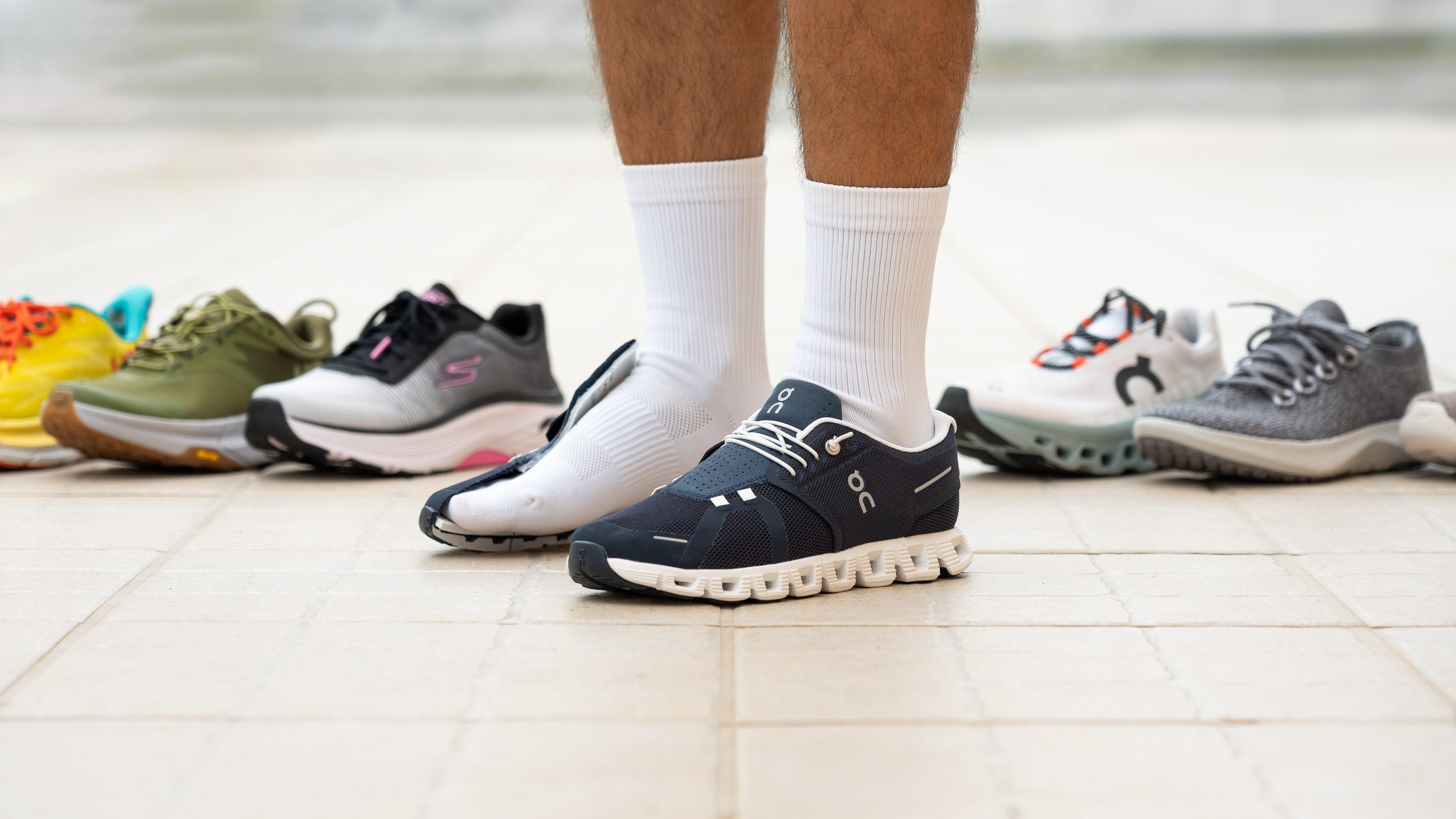
The journey to all-day comfort begins with a single, informed step. By understanding and applying the principles derived from podiatric science—prioritizing a firm heel counter, proper arch support, a roomy toe box, strategic flexibility, and responsive cushioning—you empower yourself to make choices that align with your body’s engineering. The best podiatrist recommended walking shoes are those that feel like a natural extension of your foot, providing invisible support that allows you to move through your world with ease and resilience. Look for the endorsements that matter: the APMA Seal, the consistent recommendations from practicing foot specialists, and the design features that speak to biomechanics rather than trends. Your feet carry you through life; offer them the respect and support they deserve. The path to enduring comfort is paved with knowledge and the right footwear.
