

Discover the Best Podiatrist Recommended Walking Shoes for All-Day Comfort
Your feet are the foundation of your movement, and the shoes you choose can either support or sabotage your daily comfort and long-term health. For anyone who spends significant time on their feet—whether navigating city streets, exploring nature trails, or managing the demands of a busy workday—the quest for the perfect walking shoe is paramount. This isn’t merely about fashion or fleeting trends; it’s about biomechanical alignment, pressure distribution, and injury prevention. The guidance of podiatrists, medical specialists dedicated to foot and ankle health, becomes an invaluable compass in this search. Podiatrist recommended walking shoes are not a marketing gimmick; they are footwear solutions vetted by clinical expertise to address the complex architecture of the human foot. This article delves into the science of walking, decodes the features that earn a shoe a podiatrist’s endorsement, and guides you toward selections that promise genuine, all-day comfort, blending professional insight with practical value.
The Science of the Stride: Why Your Feet Demand Expert Care
Walking is a deceptively complex act. It’s a controlled fall, a rhythmic transfer of weight involving dozens of bones, muscles, ligaments, and tendons working in concert. With each step, your foot undergoes a cycle of heel strike, foot flat, mid-stance, heel-off, and toe-off. This gait cycle, as defined in kinesiology literature from institutions like the University of Virginia’s Motion Analysis Laboratory, places immense and repetitive stress on the body. Poor footwear can disrupt this natural cycle, leading to a cascade of issues not limited to the feet. According to the American Podiatric Medical Association (APMA), improper shoes are a leading contributor to conditions like plantar fasciitis, metatarsalgia, bunions, and even knee, hip, and lower back pain. A podiatrist evaluates footwear based on its ability to support this intricate biomechanical process. They look for features that provide stability, cushion impact at the right moments, and allow for natural foot movement without excessive restriction or slippage. The goal is to find a shoe that acts as a symbiotic extension of the foot, not a constraint. This scientific foundation is why a generic “comfortable” shoe from a discount rack often fails where a specifically engineered walking shoe, potentially bearing the APMA Seal of Acceptance, succeeds. The distinction lies in targeted design informed by anatomical and physiological principles.
Decoding the Podiatrist’s Checklist: Non-Negotiable Features
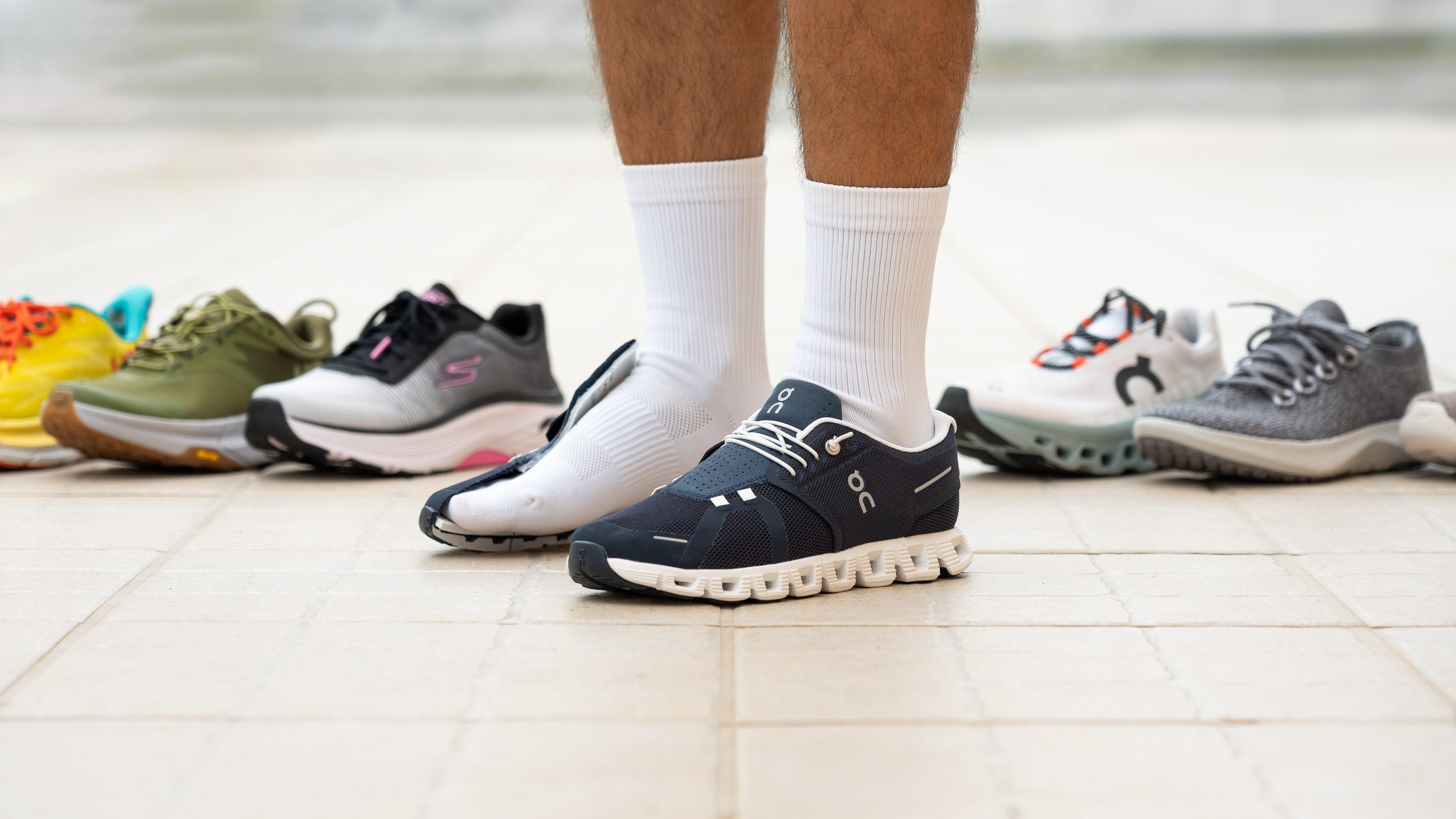
What specific elements transform an ordinary sneaker into a podiatrist recommended walking shoe? The criteria are precise and rooted in function. First and foremost is arch support. The arch acts as a shock absorber; when it collapses excessively (overpronation) or doesn’t collapse enough (supination), it strains the foot’s infrastructure. Podiatrists often recommend shoes with firm, contoured arch support that matches the individual’s foot type, a point emphasized by Dr. Jacqueline Sutera, a New York City-based podiatrist frequently cited in health media. Second is heel counter rigidity. The heel counter is the firm cup at the back of the shoe. A sturdy, well-padded heel counter stabilizes the rearfoot, preventing excessive side-to-side motion that can lead to Achilles tendonitis or ankle sprains. Third is adequate toe box space. As noted by the Cleveland Clinic, cramped toe boxes are a primary cause of deformities like hammertoes and neuromas. A shoe must allow your toes to splay naturally upon weight-bearing. Fourth is flexibility at the forefoot. The shoe should bend easily where your foot bends—at the ball—but remain rigid through the midfoot to maintain torsional stability. Finally, the midsole material is critical. Advanced foams like Brooks’ DNA LOFT or ASICS’ GEL technology provide responsive cushioning that dissipates impact forces rather than merely compressing flat. These features, collectively, form the bedrock of therapeutic footwear design.
:max_bytes(150000):strip_icc()/shp-best-brooks-walking-shoes-tout-f67df3ab5afa4c08a24a63ae6dca3444.jpg)
Beyond the Basics: Materials, Weight, and Breathability
While structural features are paramount, the materials constituting the shoe play a vital secondary role in all-day comfort. Upper materials must strike a balance between durability, breathability, and adaptive fit. Modern engineered meshes, like those used in HOKA and New Balance styles, offer a lightweight, ventilated environment that reduces heat and moisture buildup—a key factor in preventing blisters and fungal infections. The importance of moisture-wicking linings cannot be overstated; as any long-distance hiker knows, dry feet are happy feet. Weight is another crucial, often overlooked, factor. A heavy shoe increases the metabolic cost of walking, leading to premature fatigue in the legs and feet. Podiatrist recommended walking shoes often utilize lightweight composites and foams without sacrificing support. Furthermore, consider the outsole. Durable carbon rubber in high-wear areas (like the heel) enhances longevity, while strategic flex grooves ensure natural movement. A podiatrist’s perspective, as shared on platforms like Quora and professional blogs, often highlights that the best shoe feels like an immediate “part of you,” with no break-in period required. This seamless integration is achieved through thoughtful material selection that complements the shoe’s structural blueprint, ensuring comfort that persists from the first step to the ten-thousandth.
Navigating the Market: Categories of Podiatrist-Approved Footwear
The world of podiatrist recommended walking shoes is diverse, catering to different foot types, gaits, and activities. Understanding these categories ensures you invest in the right tool for the job. Stability Walking Shoes are designed for individuals who overpronate. They feature medial (inner-side) posts—firmer foam or dual-density midsoles—to gently guide the foot into a more neutral alignment. Brands like Brooks (Addiction Walker) and ASICS (GT-1000 series) excel here. Neutral Cushioned Shoes are for efficient, neutral gaits or those who underpronate (supinate). They prioritize plush, resilient cushioning along the entire length of the foot to absorb shock, as supinators are less effective at doing this naturally. HOKA’s Bondi or Clifton series are iconic examples. Motion Control Shoes are the most robust, built for severe overpronation or heavier individuals. They offer maximum rearfoot control and are often constructed with wider bases. Finally, Everyday Casual Walkers from brands like Vionic or ECCO incorporate podiatric principles into designs that look like stylish sneakers or loafers, proving orthotic-friendly support doesn’t have to be clinical in appearance. The common thread is a design philosophy that prioritizes foot health above all else, a principle validated by the APMA’s rigorous product review process.
:max_bytes(150000):strip_icc()/podiatrist-recommended-walking-shoes-e1b90077185d4e6cadbf6327c4d17db7.jpg)
The Value Proposition: Investing in Your Foundation
It’s a legitimate question: why invest in premium podiatrist recommended walking shoes when cheaper alternatives abound? The answer lies in a cost-benefit analysis that extends far beyond the price tag. Consider the financial and personal cost of treating a single foot ailment. Physical therapy sessions, custom orthotics, pain medications, and potential lost work time can easily amount to thousands of dollars and immeasurable discomfort. A quality pair of shoes, often ranging from $120 to $160, acts as preventive medicine. They are engineered for durability, with high-mileage outsoles and midsoles that resist premature compaction, meaning they provide consistent support over their 300-500 mile lifespan. As the famous quote attributed to investment guru Warren Buffett goes, “Price is what you pay. Value is what you get.” The value here is sustained mobility, pain-free days, and the freedom to engage fully in life’s activities. Furthermore, the market now offers exceptional value through direct-to-consumer brands, seasonal sales on major retailer sites, and certified refurbished programs from reputable manufacturers. Being foot-smart doesn’t require being budget-foolish; it requires strategic investment in the equipment that carries you through life.
Making Your Selection: A Personal Fitting Journey
Armed with knowledge, the final step is personalization. Podiatrists universally advise shopping for shoes in the afternoon or evening, as feet naturally swell throughout the day. Always wear the socks you intend to walk in. There should be a thumb’s width (about half an inch) of space between your longest toe and the end of the shoe. Don’t just stand—walk around the store, on different surfaces if possible. Pay attention to any immediate pressure points; a truly great shoe should feel good from the start. It’s also wise to consult online reviews from fellow walkers and, crucially, to look for the APMA Seal of Acceptance, a clear indicator of podiatric endorsement. Remember, the most technologically advanced shoe is only the best if it fits your unique foot. This process is not a chore but a necessary ritual of self-care. As the ancient philosopher Socrates reportedly stated, “To know thyself is the beginning of wisdom.” In this context, knowing your feet is the beginning of a lifetime of comfortable movement.
:max_bytes(150000):strip_icc()/I-Asked-Podiatrists-for-Their-Fall-Shoe-Recommendations-These-Are-Their-Top-8-Picks-8fbdf9d65f3a4228ae63f6e5253dc08c.jpg)
Your journey toward all-day comfort begins with a single, well-supported step. Disregard the notion that foot pain is an inevitable part of an active life. The convergence of podiatric science and footwear innovation has created a golden age of accessible, high-performance walking shoes. By prioritizing the core principles of arch support, stability, space, and quality construction, you are not just buying a product; you are investing in the fundamental infrastructure of your physical well-being. Let the expertise of foot health specialists guide you away from fleeting fads and toward footwear that truly sustains. Embrace the confidence that comes from knowing your foundation is solid, and step forward into a world of greater comfort, one podiatrist-recommended stride at a time.
