

Discover the Best Podiatrist Recommended Walking Shoes for All-Day Comfort
Your feet are the foundation of your movement, and the shoes you choose can either support that foundation or undermine it. For anyone who spends significant time on their feet—whether navigating city streets, exploring nature trails, or managing daily errands—the quest for the perfect walking shoe is paramount. This isn’t merely about fashion or fleeting trends; it’s about biomechanics, health, and sustained comfort. The term podiatrist recommended walking shoes has emerged as a critical benchmark in this search, representing footwear that aligns with medical expertise to prevent injury and promote well-being. This article delves into the science, selection criteria, and specific models that earn such professional endorsements, providing you with the knowledge to make an informed investment in your foot health.
The Science of Support: Why Podiatrist Endorsement Matters
To understand the value of a podiatrist recommended walking shoe, one must first appreciate the complex architecture of the human foot. Comprising 26 bones, 33 joints, and over 100 muscles, tendons, and ligaments, the foot is a marvel of engineering designed for both stability and propulsion. Podiatrists, as doctors of podiatric medicine, specialize in diagnosing and treating conditions of the foot, ankle, and related structures of the leg. Their recommendations are rooted in a deep understanding of gait analysis, pressure distribution, and common pathologies like plantar fasciitis, bunions, and overpronation. A shoe bearing their implicit or explicit approval typically addresses several key biomechanical principles. Firstly, it offers adequate arch support, which is not a one-size-fits-all feature. As noted in literature from the American Podiatric Medical Association, proper arch support helps maintain the foot’s natural alignment, reducing strain on the plantar fascia. Secondly, such shoes feature a firm yet cushioned heel counter to stabilize the rearfoot and control excessive motion. Thirdly, they provide ample toe box room to allow natural splay and prevent digital deformities. The objective is a shoe that works in harmony with the foot’s anatomy, rather than forcing it into an unnatural position. This scientific approach transforms footwear from a simple covering into a therapeutic device, a concept increasingly supported by research from institutions like the University of Pittsburgh’s Department of Orthopedic Surgery, which emphasizes the role of appropriate footwear in conservative injury management.
:max_bytes(150000):strip_icc()/podiatrist-recommended-walking-shoes-e1b90077185d4e6cadbf6327c4d17db7.jpg)
Decoding the Features: What to Look For in a Walking Shoe
Navigating the sea of athletic footwear can be daunting. When your goal is all-day comfort, specific non-negotiable features separate adequate shoes from exceptional, podiatrist recommended walking shoes. Let’s break down these critical components. The midsole is the heart of the shoe’s cushioning and stability. Materials like EVA (ethylene-vinyl acetate) foam, polyurethane, and proprietary technologies like Brooks’ DNA LOFT or ASICS’ GEL provide shock absorption. The density and configuration of this material are crucial; too soft, and you lose stability, too firm, and comfort vanishes. A well-designed midsole often includes a medial post—a denser section of foam on the inner side—to correct overpronation. Next, examine the outsole. Flexibility is key, but it must be strategic. The shoe should bend easily at the ball of the foot (metatarsophalangeal joint) to facilitate the toe-off phase of gait, but remain rigid through the arch to provide support. Durable rubber with a patterned tread ensures longevity and traction. The upper material should be breathable, like engineered mesh, to manage moisture and temperature, and it should offer a secure, non-constrictive fit. A padded collar and tongue prevent Achilles and dorsal foot irritation. Finally, consider the last—the foot-shaped form around which the shoe is built. Podiatrists often recommend shoes built on a straight or semi-curved last for better stability over a highly curved last. As celebrity trainer and physiotherapist, Dr. Emily Splichal, often highlights on her social media platforms, “Footwear is your interface with the ground. Its design dictates the neuromechanical feedback your body receives.” This holistic view underscores that every component, from the insole to the laces, plays a role in creating a harmonious, health-supportive environment for your feet.
:max_bytes(150000):strip_icc()/shp-best-brooks-walking-shoes-tout-f67df3ab5afa4c08a24a63ae6dca3444.jpg)
Top Contenders: Podiatrist-Approved Models for Every Walker
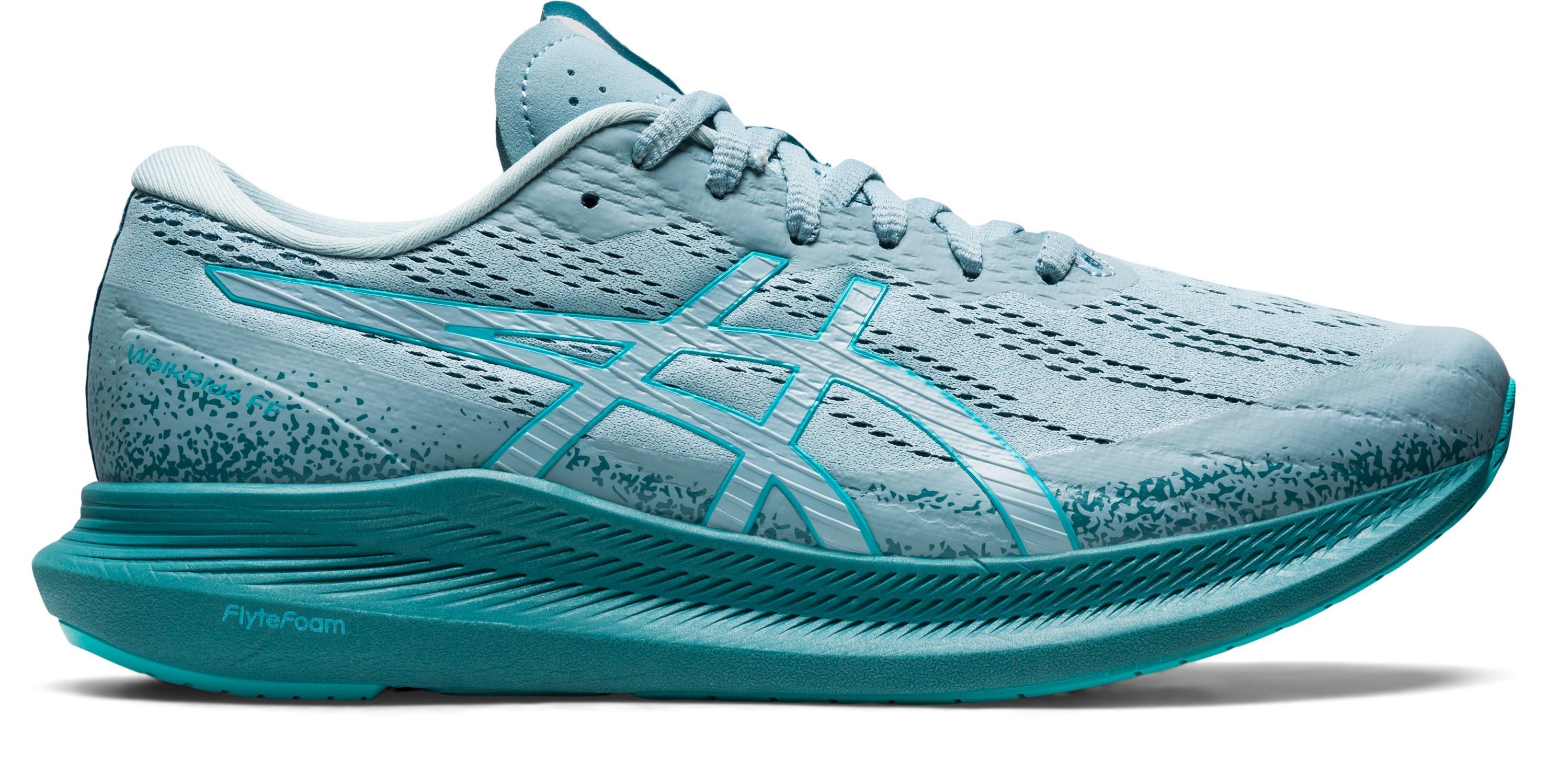
While individual needs vary, several brands and models consistently appear on podiatrists’ shortlists due to their proven design philosophies and technological innovations. It’s important to remember that a podiatrist recommended walking shoe is not a universal prescription but a category of footwear meeting high standards. For individuals with neutral gaits seeking premium cushioning, the HOKA Bondi series is frequently cited. Its maximalist cushioning provides exceptional shock dissipation, a boon for those with joint sensitivities or who walk on hard surfaces. Conversely, for those requiring significant motion control, the Brooks Adrenaline GTS is a perennial favorite. Its GuideRails support system focuses on stabilizing the knee—a joint often affected by faulty foot mechanics—rather than just the foot, representing a holistic approach to gait alignment. In the realm of versatile daily walkers, the New Balance 990 series, particularly versions 5 and 6, are lauded for their combination of suede/mesh uppers, ENCAP midsole technology, and exceptional durability, often described as “orthopedic-friendly” in various online Q&A forums. For a more athletic feel with responsive energy return, the ASICS GEL-Nimbus or GEL-Kayano lines, with their signature rearfoot and forefoot GEL cushioning units, receive high marks. The viewpoint from platforms like Quora and professional reviews on Runner’s World often converge on these models, noting their consistent performance in reducing foot fatigue and mitigating common aches. As one podiatrist was quoted on a health website, “I don’t endorse a specific brand, but I consistently see better outcomes in patients who choose shoes from companies investing in biomechanical research.” This indirect endorsement points to the value of evidence-based design.

Beyond the Shoe: The Synergy of Inserts and Socks
Even the best podiatrist recommended walking shoes can be optimized further. For many, the stock insole is the first component to be upgraded. Custom orthotics, prescribed by a podiatrist, are the gold standard for addressing significant biomechanical issues. However, high-quality over-the-counter orthotic inserts from brands like Superfeet, Powerstep, or SOLE can offer substantial benefits for mild to moderate support needs. These inserts are designed with a deep heel cup and rigid arch support to augment the shoe’s native structure. The material is crucial; a semi-rigid thermoplastic shell provides support, while a top layer of foam or gel enhances comfort. The synergy between a well-designed shoe and a supportive insert can be transformative, effectively creating a custom-fitted environment. Equally important is the often-overlooked sock. The right walking sock manages moisture, reduces friction, and provides light cushioning. Materials like merino wool or synthetic blends (e.g., Coolmax) are superior to cotton, which retains moisture and can lead to blisters. Seamless toe closures or flat-toe seams prevent irritation. As highlighted in literature from Harvard Medical School’s health publications, the combination of proper footwear, supportive inserts if needed, and technical socks forms a comprehensive strategy for foot health, reducing the risk of dermatological and musculoskeletal problems during prolonged standing or walking. This layered approach ensures every element between your foot and the ground is working toward your comfort.
Making the Investment: Where Value Meets Foot Health
Acquiring true podiatrist recommended walking shoes is an investment in your long-term mobility and comfort. While premium models often carry a higher initial price tag, their value is realized through superior materials, construction, and biomechanical engineering that extend the shoe’s functional life and protect your body. It’s a classic case of “buy cheap, buy twice.” However, savvy shopping strategies can make this investment more accessible. First, consider previous-season models. Shoe technology evolves incrementally, and last year’s top-rated walking shoe often provides 90% of the benefit at a 30-40% discount as retailers clear inventory. Second, explore outlet stores or official brand outlet websites online. Third, sign up for newsletters from reputable retailers to receive alerts on sales and exclusive coupon codes. The goal is to bring professional-grade foot health knowledge and discounted prices together for the user. Remember, the cost of neglecting proper footwear can be far higher, potentially leading to podiatrist visits, physical therapy, custom orthotics, or even interventions for issues like knee or back pain stemming from poor foot mechanics. As the famous quote attributed to Leonardo da Vinci goes, “The human foot is a masterpiece of engineering and a work of art.” Protecting that masterpiece with appropriate footwear is not an expense; it’s a prudent, health-conscious investment that pays dividends with every comfortable step you take.
Your journey toward all-day comfort begins with a single, well-informed step. By prioritizing the principles of podiatric science—strategic support, quality materials, and proper fit—you move beyond mere footwear into the realm of preventative self-care. The right pair of podiatrist recommended walking shoes is more than an accessory; it’s a daily partner in preserving your foundation, enabling you to move through your world with greater ease, resilience, and joy. Let this knowledge guide your choice, and feel the difference that truly supportive shoes make from the moment you put them on until the end of your longest day.
